
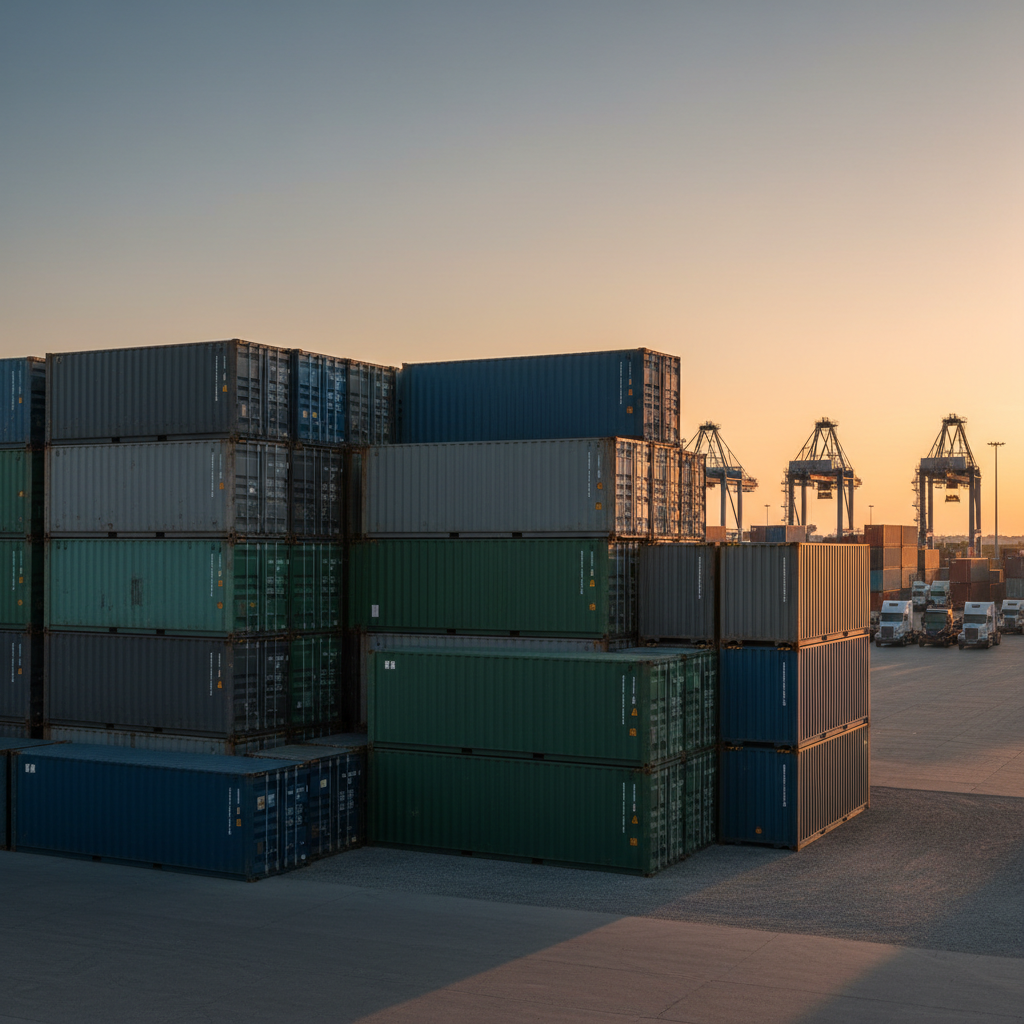
Compare 20ft and 40ft shipping containers on space, handling, site fit, and condition so you can choose the right size and avoid paying for capacity you do not need.
Choosing between a 20ft and a 40ft shipping container usually comes down to one question: how much secure, weather-tight space do you actually need? The answer affects not just the purchase price, but also how the container is delivered, where it can sit on your property, and how easily you can move or repurpose it later.
This guide walks through the practical differences between the two sizes, explains why condition grade and delivery logistics often matter as much as length, and gives you a framework for deciding. Because container pricing, availability, and site requirements change, confirm current details with the Newport team before you commit.
Start With the Space You Need, Not the Price Tag
It is tempting to compare a 20ft and a 40ft container by price alone. A larger container often carries a higher total price, but the more useful comparison is cost per usable square foot or cubic foot of storage, plus the cost of getting it placed where you need it.
Think in terms of what you are storing
Before comparing sizes, list what will go inside:
- Bulky but light items (furniture, lawn equipment, empty totes) reward floor space more than height.
- Dense or stacked items (tools, parts, palletized goods) may fit a smaller footprint if you can stack safely.
- Long items (lumber, pipe, kayaks) may dictate length rather than volume.
- Items needing aisle access reduce usable capacity because you need room to walk and reach.
A 20ft container is roughly 20 feet long and about 8 feet wide. A 40ft container is roughly twice that length at the same width. Standard-height and high-cube variants exist, and the extra height on a high-cube unit can matter for tall equipment or stacked racking. Treat these as nominal dimensions only: exact internal and external measurements vary by manufacturer and model, so check the individual listing and the container's CSC plate for the specifications that apply to that unit.
Do not assume one size is easier to permit
Permit and zoning rules are local. Some jurisdictions treat containers as accessory structures, some as temporary storage, and some have no specific category at all. The size of the container is only one factor among many, including setbacks, anchoring, duration of use, and whether the container is visible from the street. Do not assume a smaller container automatically avoids permits or that a larger one automatically triggers them. Check with your local planning or code office for requirements in your area.
Size, Handling, and Site Fit: The Practical Differences
Delivery and unloading
Both sizes typically arrive on a tilt-bed or roll-off style trailer, but the trailer length and the space needed to maneuver differ. A longer trailer needs a longer, straighter approach and more room to pull away after the container is set. Gates, fences, low branches, parked vehicles, and soft ground can all turn a straightforward delivery into a rescheduled one.
Before delivery day, walk the route a truck will take and note:
- Gate width and hinge swing
- Overhead obstructions such as wires, branches, and awnings
- Turning radius at the street and inside the property
- Ground conditions, especially after rain
- Where the container will sit and how the doors will open
Do not assume delivery requires any particular extra equipment. The equipment needed depends on the container, the truck, and your site. Describe your site honestly when you order, and let the delivery team tell you what is required.
Placement and door orientation
A 40ft container gives you more wall space for shelving, workbenches, or a future window and door layout. It also takes up more of your yard and can dominate a small lot. Door orientation matters for both sizes: you want the doors to open toward a clear, level area so you can load and unload without fighting a slope or a fence.
If you plan to convert the container later, a 40ft unit offers more room for a partitioned layout, but it also means more surface area to insulate, wire, and finish. A 20ft unit can be a better fit for a compact workshop, a single-purpose storage building, or a site where space is tight.
Moving and repositioning
Smaller containers are generally easier to reposition later, but neither size is a lightweight object. If you think you may move the container in the future, factor in the cost and logistics of a second delivery and consider whether a 20ft unit gives you enough room to avoid that step.
Condition Grade Changes the Math More Than Length
Buyers often fixate on length while overlooking condition. The same nominal size can be offered in different conditions, and condition affects both appearance and how much prep work you will do.
Common condition categories
- Used, wind and water tight: Structurally sound and weather-tight, with cosmetic wear such as dents, rust, and faded paint. A practical choice for storage and many job-site uses.
- One-trip or nearly new: Limited prior cargo use, generally cleaner and more uniform in appearance. Often chosen when the container will be visible or converted.
- As-is or project grade: Priced for buyers who accept repairs or plan extensive modification. Inspect carefully and understand what you are taking on.
Condition grading practices vary by seller. Ask what specifically is being represented, request photos of the actual unit, and confirm whether the unit you are buying is the unit you will receive. Do not rely on a generic description alone.
Where condition shows up first
- Roof: Look for standing water, soft spots, and previous patch work.
- Doors and seals: Check that doors open and close smoothly and that gaskets are intact.
- Floor: Look for delamination, soft spots, and chemical staining.
- Corner castings and frame: Check for cracks, heavy corrosion, or repairs.
- Paint and surface rust: Cosmetic on its own, but widespread rust can signal neglect.
If you are comparing a used 40ft unit against a one-trip 20ft unit, you are not comparing like with like. Decide first whether condition or capacity matters more for your project, then compare within that category.
How to Compare Quotes Without Getting Misled
Quotes for shipping containers are rarely just the container. Ask each seller to break out the components so you can compare fairly.
What to ask for in writing
- Container size, type, and condition grade
- Whether the price includes delivery, and to what point on the property
- Any charges for difficult access, re-delivery, or waiting time
- What documentation is provided
- What happens if the container does not match the description
Because pricing and availability change, treat any figure you see online as a starting point rather than a final number. Confirm the current price, the exact unit, and the delivery terms with the Newport team before you buy.
Red flags to watch for
- A price that is dramatically lower than everything else, with no explanation
- Vague condition language such as "good shape" with no details
- No photos of the actual unit
- Unwillingness to discuss site access before delivery
- Pressure to pay before you have confirmed what you are buying
Matching the Container to Common Uses
Storage on a residential lot
A 20ft container often fits comfortably on a driveway or side yard and is easier to screen with fencing or landscaping. A 40ft unit can work well on larger lots where you want room for shelving on both sides and a center aisle.
Job-site and contractor use
Contractors often value quick access and secure lockup. A 20ft unit is easier to reposition as a project moves, while a 40ft unit can serve as a central materials and tool store on a larger site. Confirm with the delivery team that the site can accept the trailer before you schedule.
Workshops and conversions
A 20ft container can make a compact workshop, hobby room, or garden office. A 40ft container supports a larger layout with separate zones. Either way, plan for ventilation, insulation, condensation control, and local code requirements. Conversion costs scale with surface area, so the larger unit usually means more materials and more labor.
Inventory and small business storage
If you are storing palletized goods, measure your pallets and racking first. Aisle width, rack height, and door clearance all reduce the usable space inside. Model your layout on paper before choosing a size.
Frequently Asked Questions
Is a 40ft container always a better value than a 20ft container?
Not necessarily. A larger container may offer a lower cost per square foot, but you also pay for delivery of a larger object and you give up yard space. If you do not need the extra capacity, the savings on a smaller unit can outweigh the per-foot difference. Compare total delivered cost for the size and condition you actually need.
Can I put a shipping container on my property without a permit?
That depends on your local rules. Some areas have specific container provisions, others treat them under general accessory-structure or temporary-use rules, and some have no explicit guidance. Contact your local planning or code office and describe your intended use, placement, and duration. Do not assume any size is exempt.
How do I know if my site can accept a delivery?
Measure your gate, note overhead obstructions, check the ground, and describe the route to the delivery team. They can tell you whether the site looks workable and what they need from you. If access is tight, ask about options before you order rather than on delivery day.
What should I inspect on a used container?
Focus on the roof, doors and seals, floor, corner castings, and frame. Bring a flashlight and check for soft spots, standing water, and previous repairs. Ask for photos of the actual unit and confirm the condition grade in writing.
Can I modify a container after I buy it?
Many buyers do, but modifications can affect structural integrity, weather tightness, and code compliance. Plan cuts carefully, avoid compromising the frame, and check local requirements before you start. If you are unsure, consult a qualified professional.
Next Steps
Write down your storage list, measure your site, and decide whether condition or capacity matters more for your project. Then compare current options and confirm the details that matter: the exact unit, its condition, the delivered price, and whether your site can accept delivery.
Browse available units at our shop to see current sizes and conditions, and contact the Newport team with your measurements and questions. They can help you confirm availability, pricing, and delivery requirements for your location before you commit.
Plan the next step
Confirm the container and the delivery plan.
Browse current listings, then speak with the Newport team to verify the unit, total pricing, site access, and delivery requirements before payment.