
 Used
Container category
Flat Rack Containers
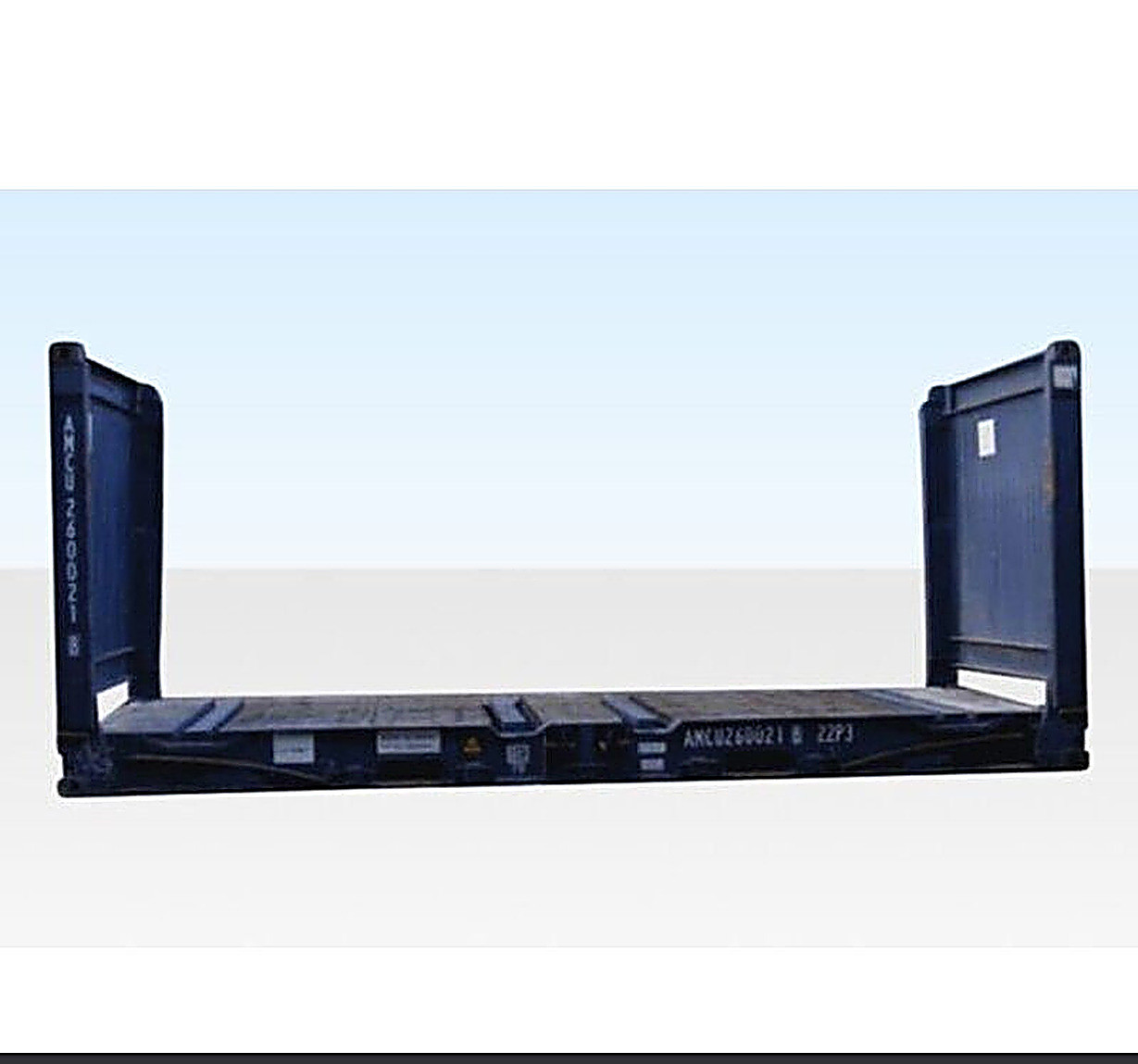
Explore our selection of flat rack shipping containers for sale, specially designed for transporting oversized, heavy, and irregularly shaped cargo. Featuring a strong steel floor and collapsible or fixed end walls, flat rack containers provide flexible loading and transportation solutions for goods that cannot fit inside standard enclosed shipping containers. They are ideal for transporting heavy machinery, industrial equipment, construction materials, vehicles, pipes, and large project cargo. Available in different sizes and configurations, our flat rack containers offer practical solutions for specialized shipping, logistics, and industrial transportation needs.
Available flat rack containers(4)
Built for Cargo That Will Not Fit in a Box
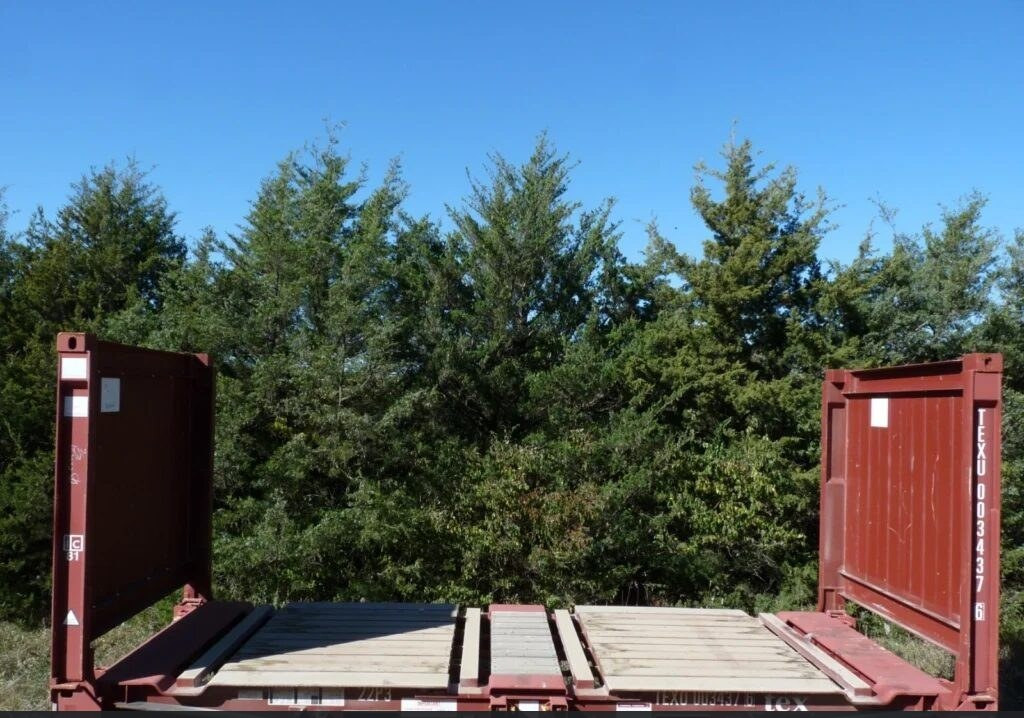
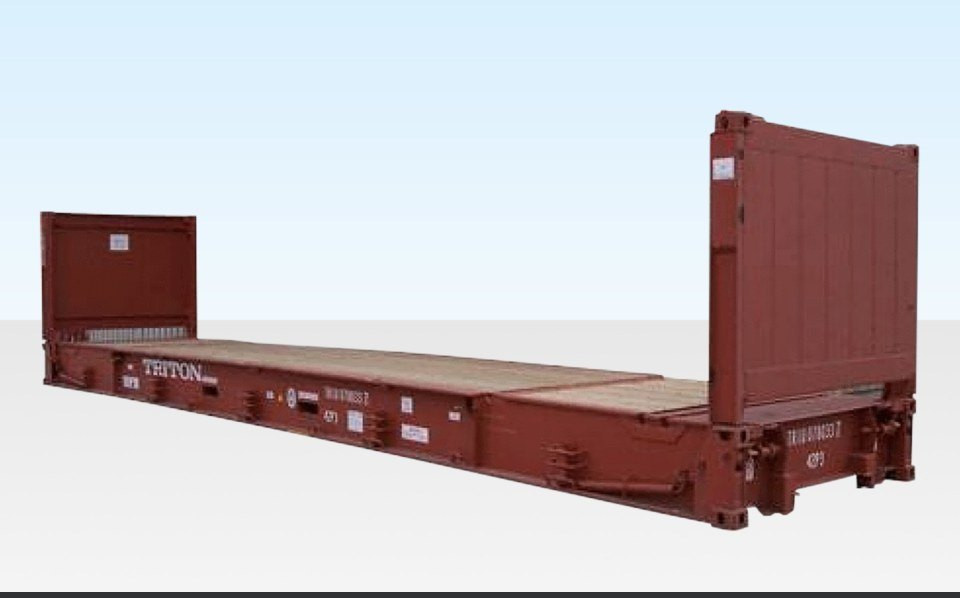
Flat rack containers strip the shipping container down to its strongest parts: a heavy-duty steel base and two end walls, with no side walls or roof. That open design lets you load oversized, heavy, or awkwardly shaped items from the sides or from above with a crane or forklift. Machinery, vehicles, steel beams, boats, lumber, pipe, and industrial equipment are typical loads.
Types and Dimensions
Flat racks come in 20ft and 40ft lengths and in two main styles. Fixed-end flat racks have permanent end walls. Collapsible flat racks have end walls that fold down flat, which allows empty units to be stacked and moved more efficiently.
- 20ft flat rack: external about 20' long x 8' wide, with end walls at roughly the height of a standard container
- 40ft flat rack: external about 40' long x 8' wide
- Internal length between end walls: approximately 18'6" on a 20ft unit and approximately 39' on a 40ft unit, depending on design
Because there are no side walls, cargo can overhang the width when properly secured and permitted for transport. Payload ratings differ by model, so check the data plate for maximum gross weight.
Uses Beyond Shipping
Many buyers never send a flat rack overseas. Common on-site uses include:
- Equipment and material staging platforms on construction sites
- Bases for elevated structures, stages, or modular builds
- Pipe and lumber storage that stays off the ground
- Bridging or platform projects that need a strong steel deck
Inspection Checklist
The base carries all the weight, so focus there. Examine the floor for cracked, rotted, or missing boards and the main side rails for bends or cracks. Lashing rings and stake pockets should be intact and firmly welded, since they secure your cargo. On collapsible units, operate the end walls to confirm the hinges and locking pins work. Look for heavy rust on the frame and corner castings, and read the CSC plate for manufacturing information.
Site and Delivery Considerations
Flat racks should rest on level, firm, well-drained ground, with support under the corners and along the long rails for heavier loads. Delivery methods depend on size and site; flatbed delivery with on-site lifting equipment is common for this type of container, though tilt-bed delivery may also be possible. Plan for clear access and overhead room.
The flat rack containers listed here are currently available. Submit your order online, and our team will confirm availability, the final price, tax, and delivery logistics before you pay. Check local zoning or site rules for permanent placement.
Flat Rack Containers FAQs
What is the difference between fixed-end and collapsible flat racks?
Fixed-end flat racks have permanent end walls welded in place, offering a simple, rigid design. Collapsible flat racks have end walls that fold down onto the base, so empty units can be stacked to save space during storage or return transport. Collapsible models have hinges and pins that should be checked during inspection.
How much weight can a flat rack container carry?
Payload capacity varies by model and length, and flat racks are generally built for heavy cargo. The exact maximum gross weight and tare weight are listed on the unit's data plate and CSC plate. Always check those figures before loading and distribute weight evenly across the base.
Can a flat rack be used as a platform or deck?
Yes. The reinforced steel base makes flat racks popular as equipment platforms, staging areas, bridge decks for light use, and bases for stages or modular structures. For any structural or public-use application, consult an engineer and check local building requirements before installation.
How is a flat rack container delivered?
Delivery depends on the unit and your site. Flatbed delivery with a forklift or crane at the destination is common, while tilt-bed delivery may work in some cases. Share your site conditions when ordering, and our team will review delivery options and access requirements when confirming availability and pricing.
Buying guides
Shipping Container Bridge Conversion: A Practical Guide to Flat Rack Footings and Load Planning
Planning a shipping container bridge conversion? Learn how flat rack footings, load paths, and site conditions shape a safe, buildable crossing—and what to verify before you buy.
Shipping Container Delivery Cost Per Mile: What Actually Drives Your Freight Quote
Delivery cost per mile is only one part of a container freight quote. Learn the real factors that shape pricing, how to compare truck types, and what to confirm before you buy.
Used 40ft Flat Rack Containers: A Practical Buyer's Guide
Learn how used 40ft flat rack containers differ from standard boxes, what to inspect, and how to plan delivery before you request a quote from Newport.