
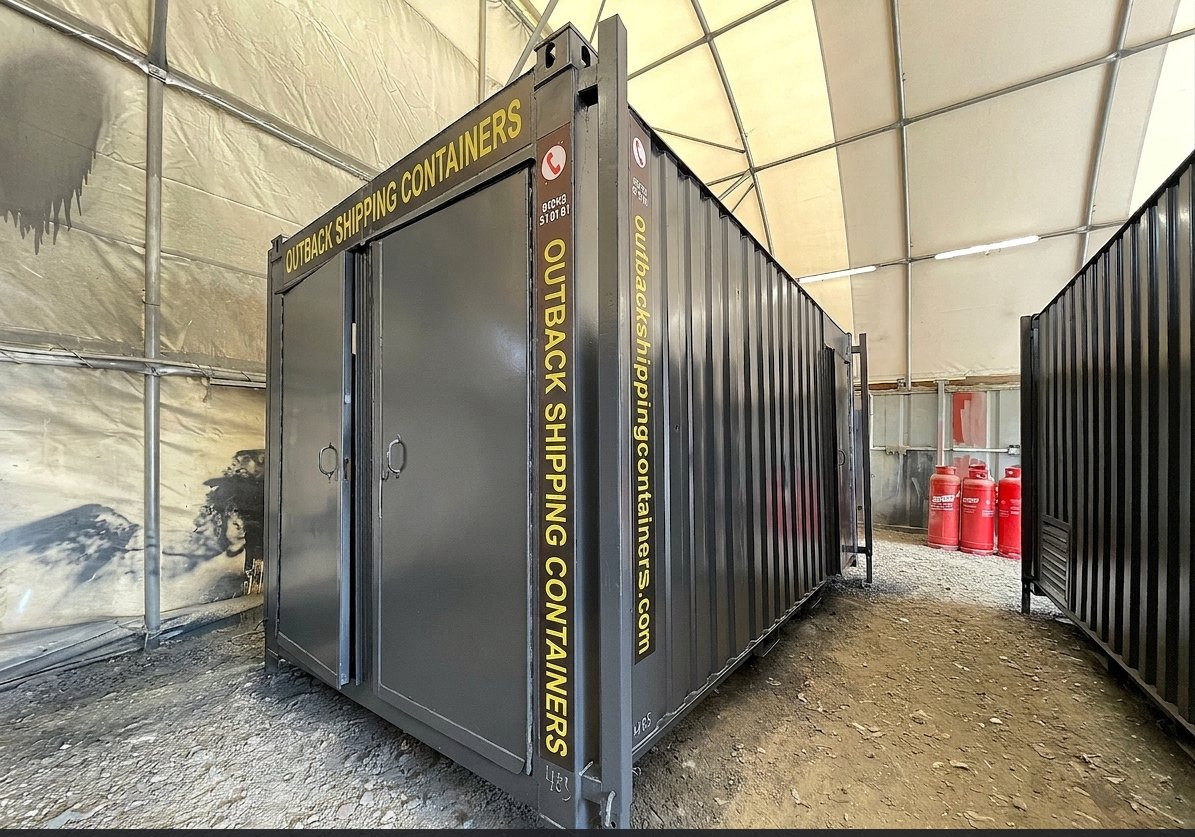
 New
Container category
Static Welfare Units
Explore our selection of static welfare units for sale, designed to provide comfortable, practical, and secure on-site facilities for workers in construction, industrial, agricultural, and commercial environments. Unlike mobile welfare units, static welfare units are designed for fixed installation and long-term use at designated locations. Available in different sizes and configurations, these units can include rest areas, seating, kitchenettes, toilets, showers, washing facilities, changing rooms, and dedicated break rooms. Whether you need permanent workforce accommodation, construction site facilities, or additional workplace amenities, our static welfare units offer versatile and cost-effective solutions to meet your operational requirements.
Available static welfare units(9)
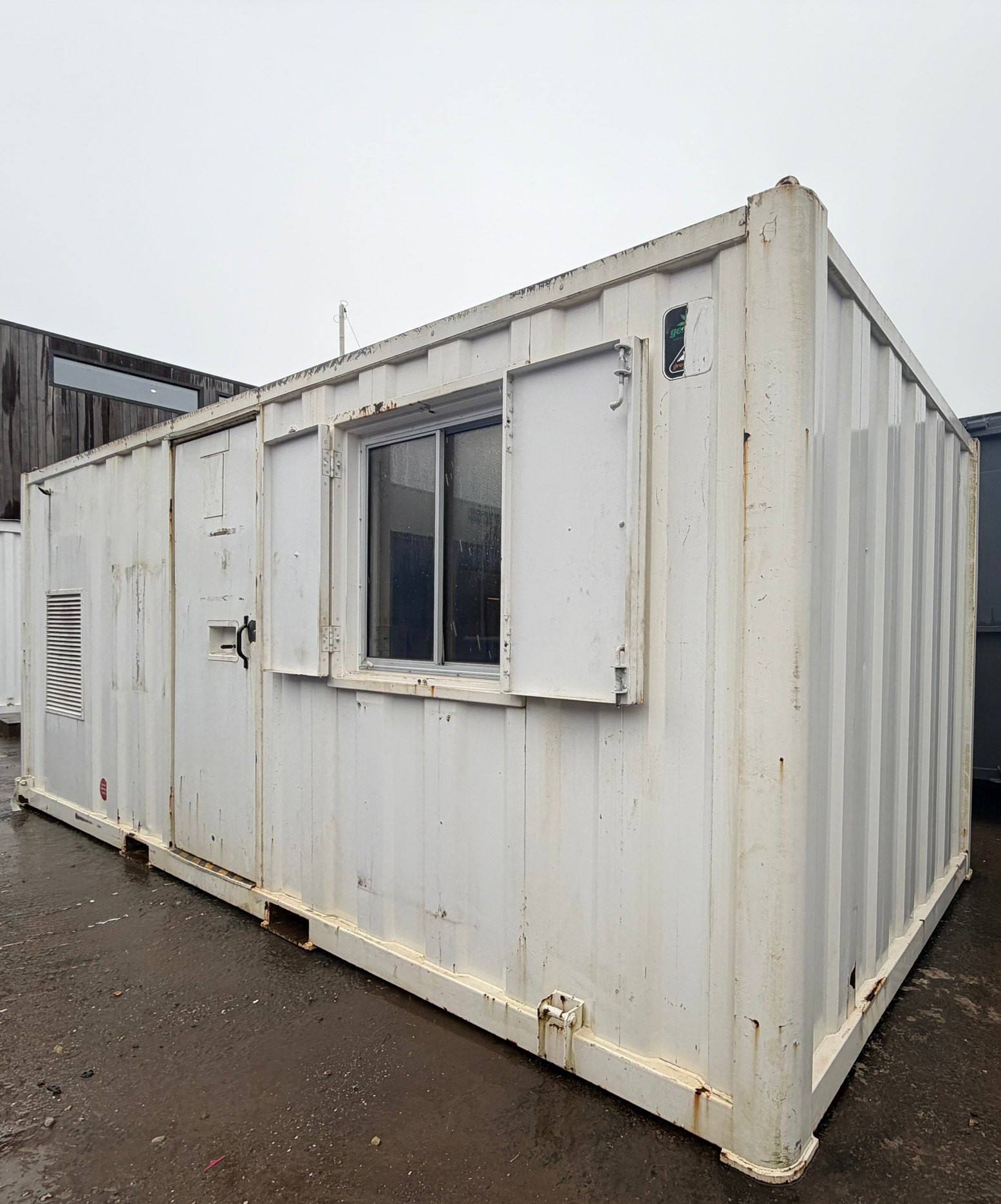
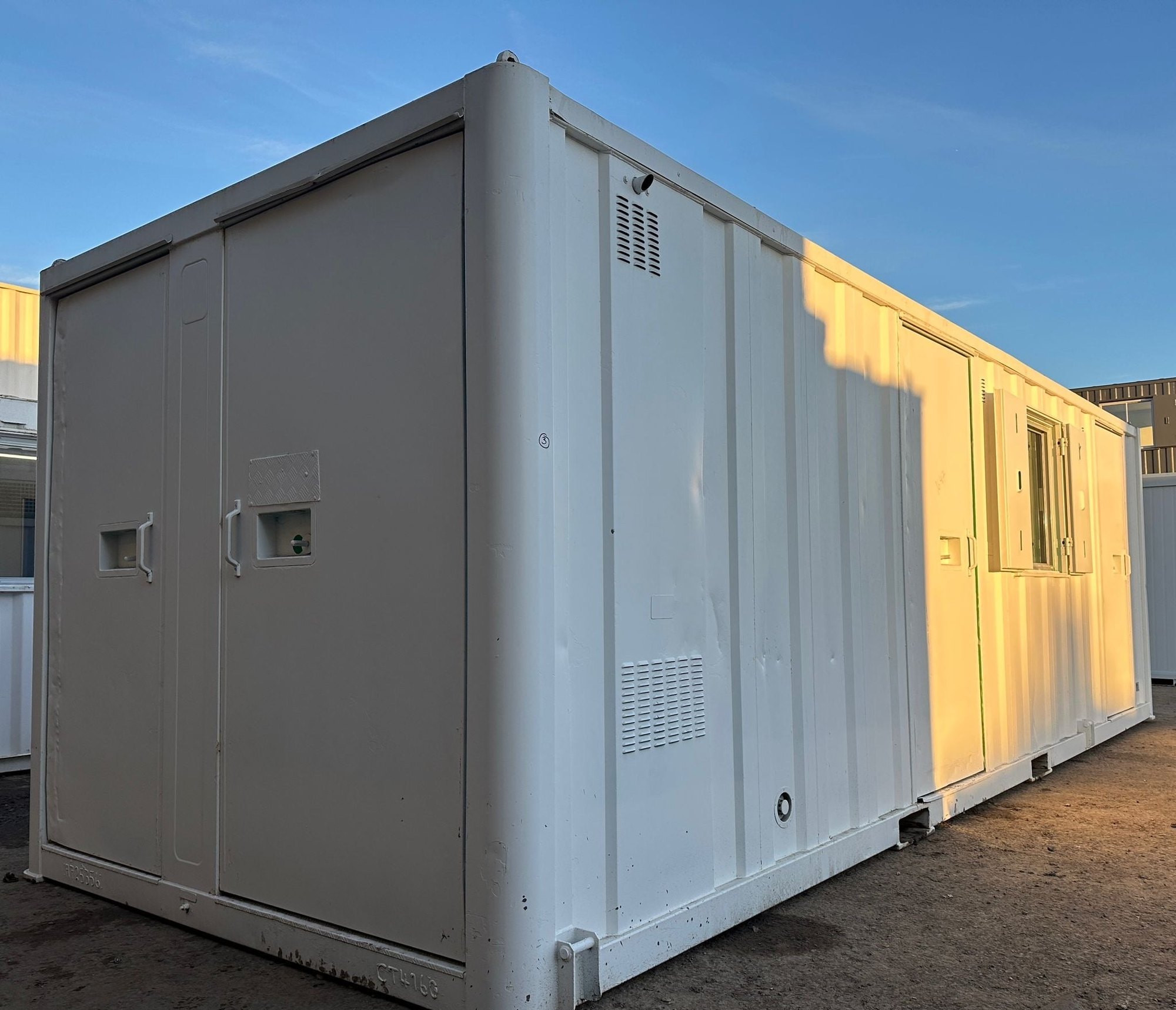
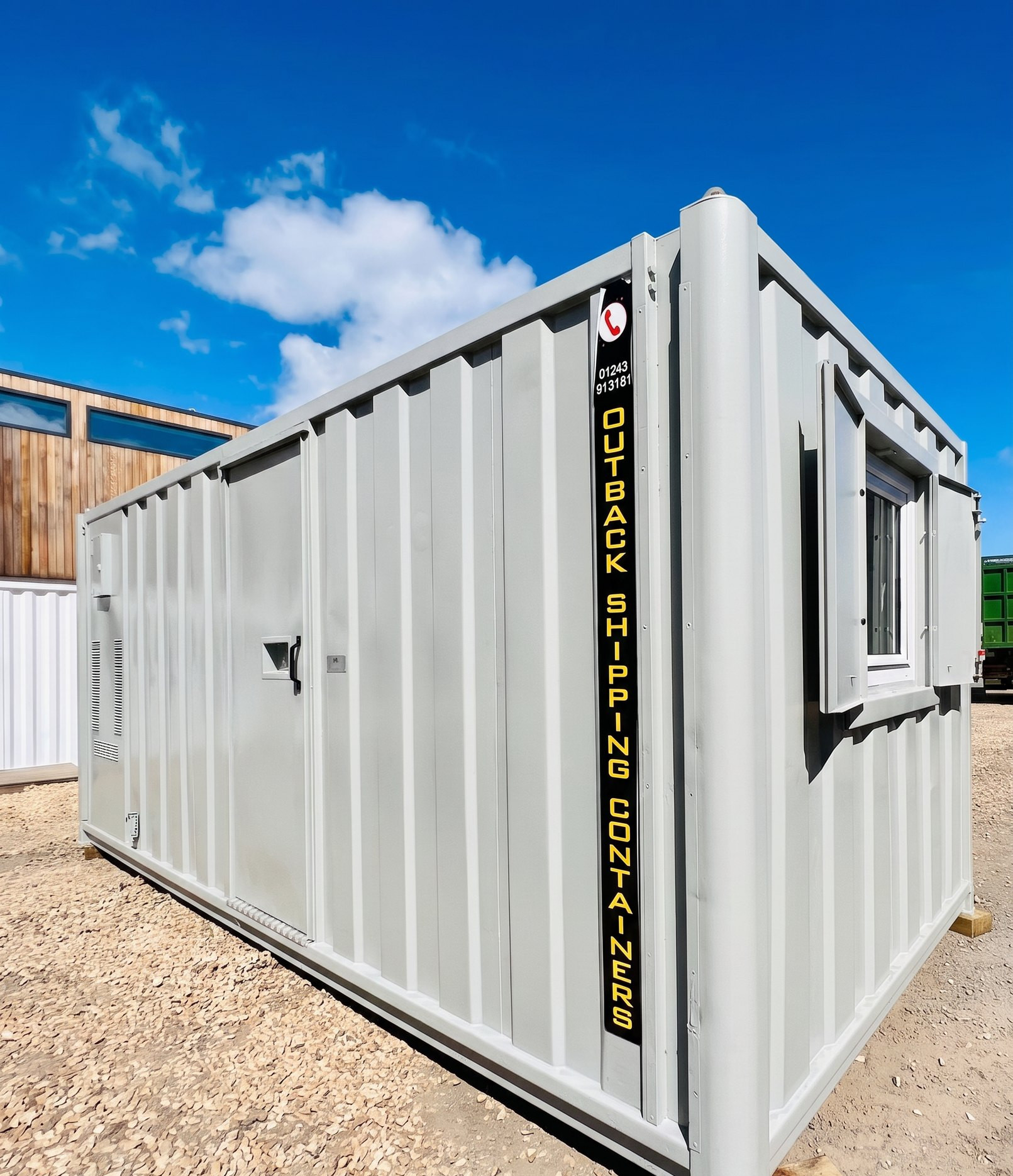
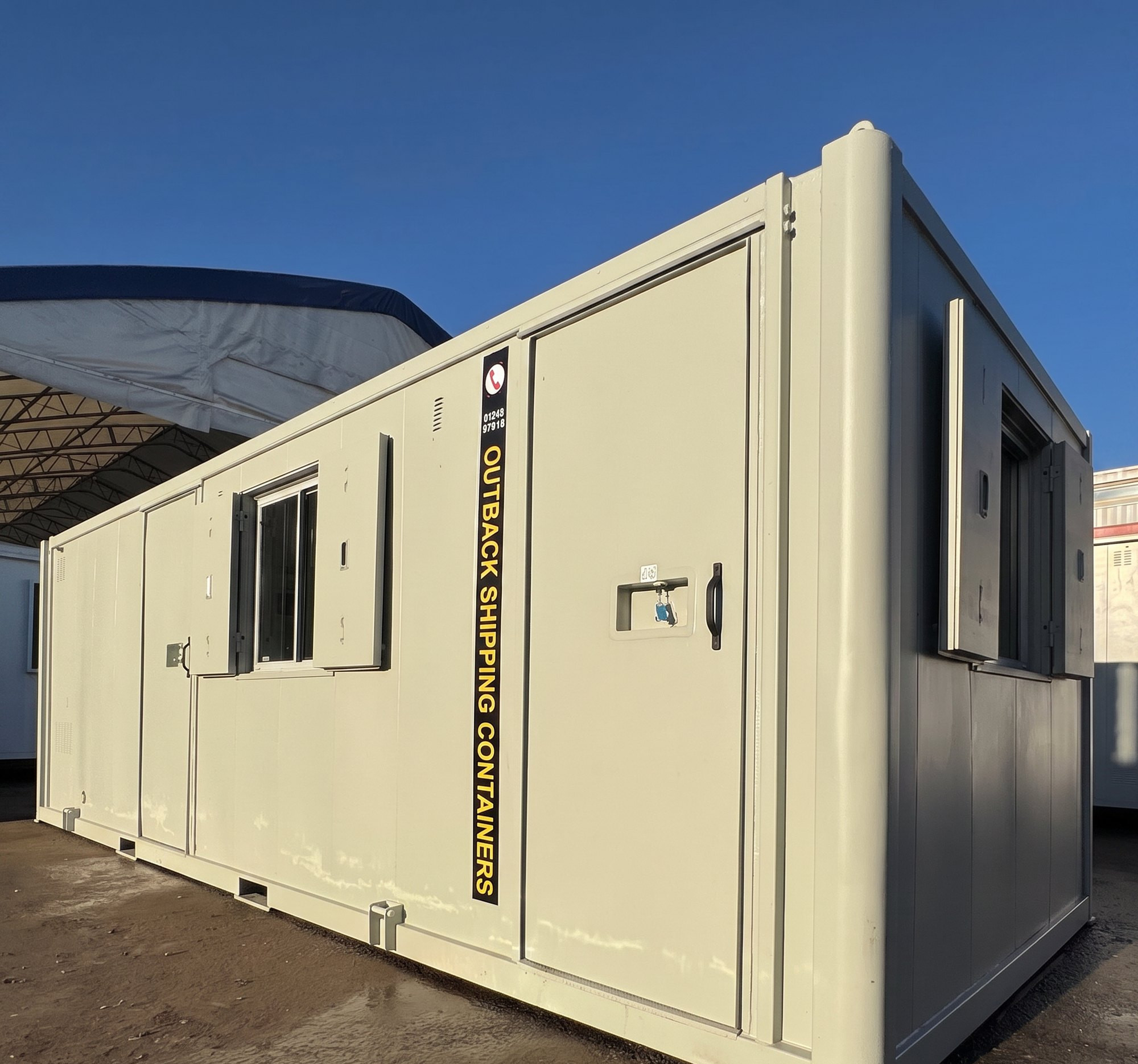
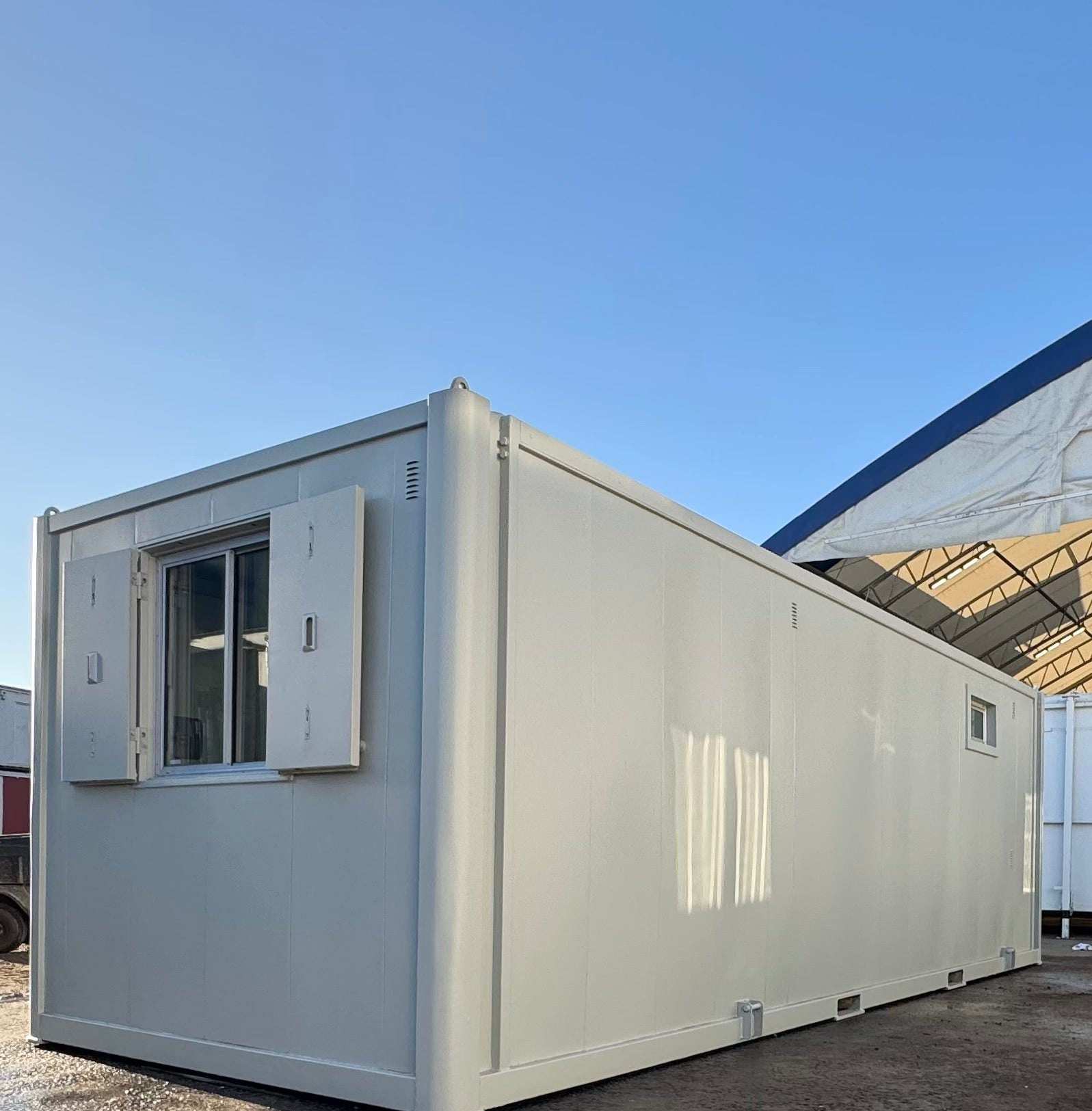
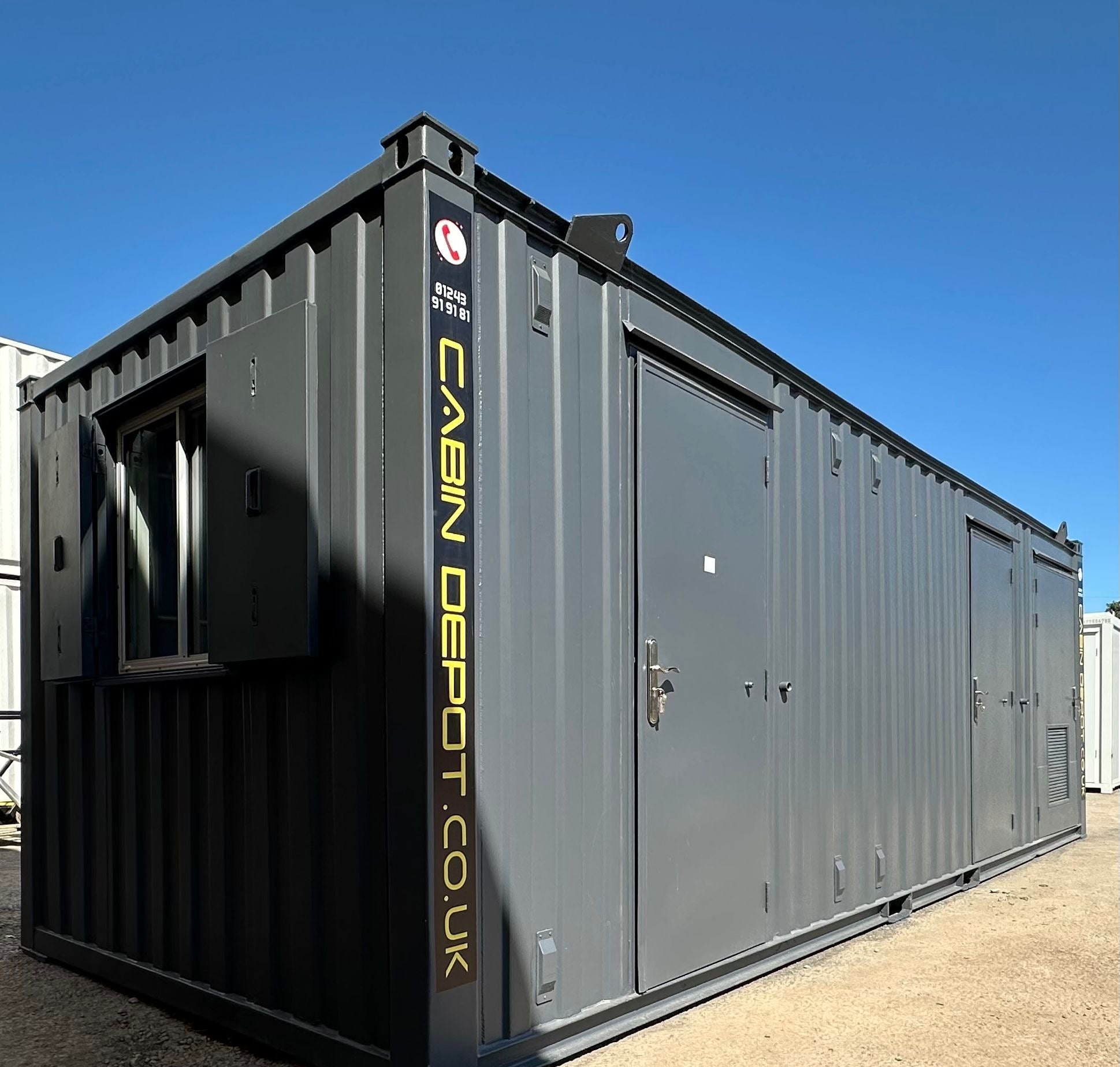
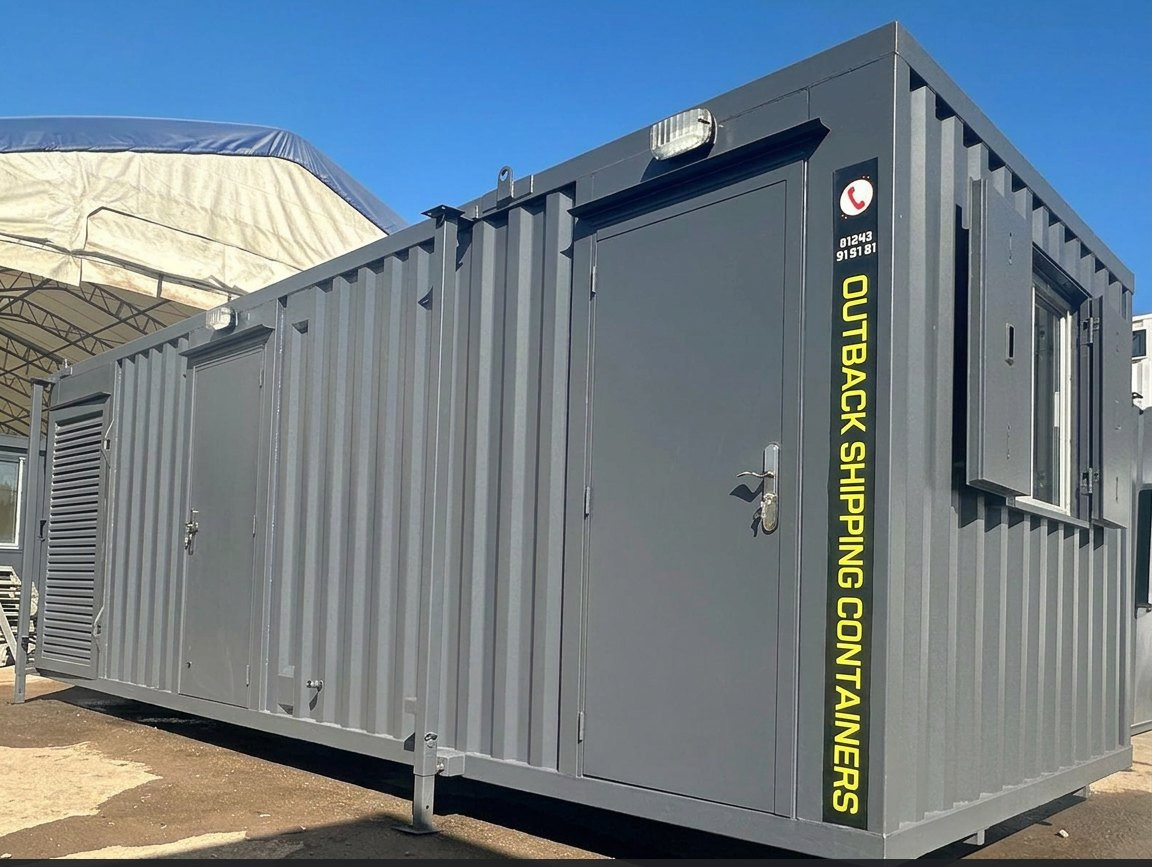
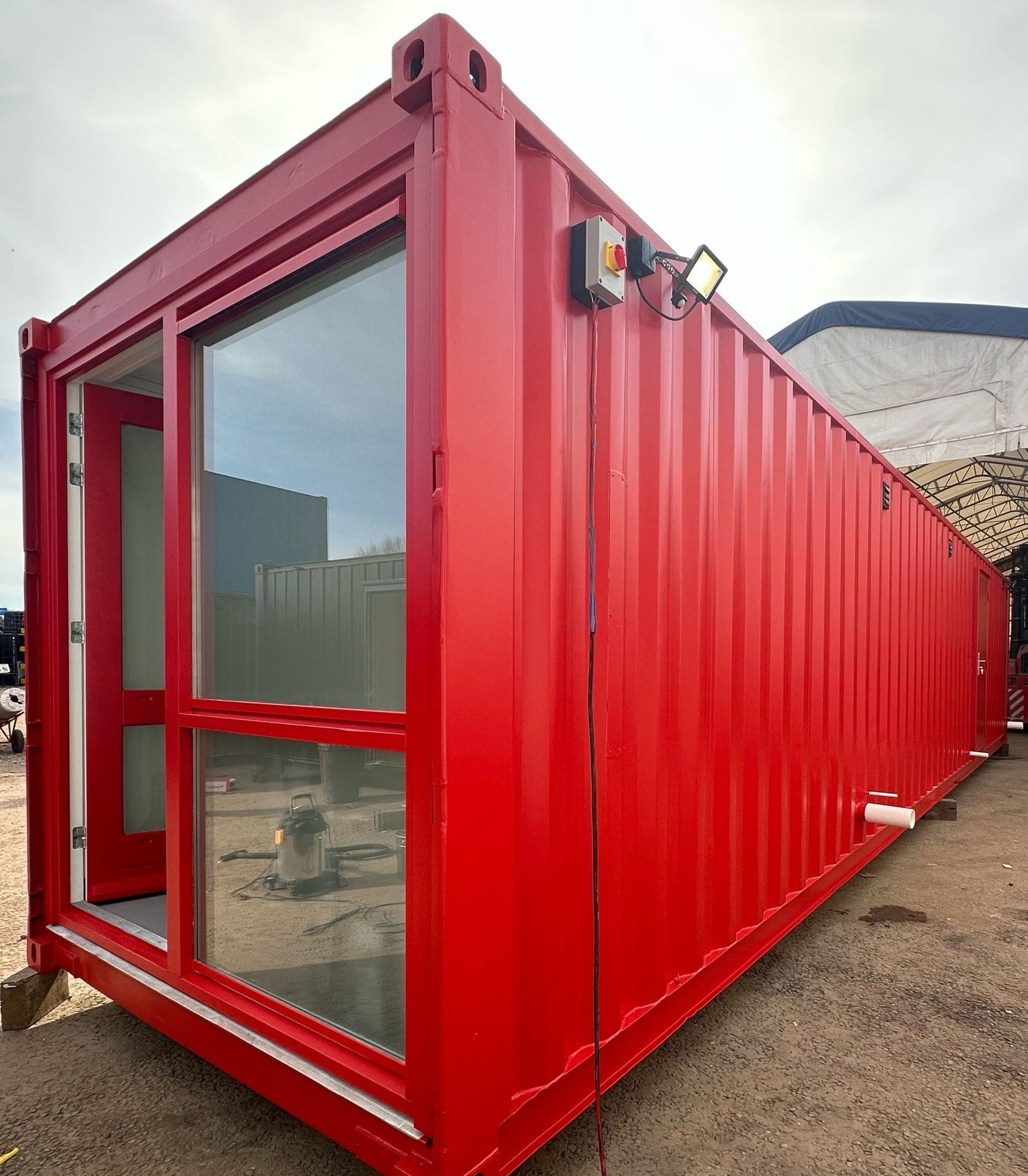
A Fixed Base for Your Crew
Static welfare units give work crews a dedicated place to rest, eat, warm up and use the restroom during long projects. Unlike towable units, a static welfare unit is delivered and set in one location, where it stays for the life of the job. They are common on construction sites, utility and road projects, quarries, industrial plants and agricultural operations where workers spend full shifts outdoors.
Because the unit stays put, it can be connected to site utilities and set up as a more permanent, comfortable space for the crew.
Typical Layouts
Static welfare units are usually built in 20 or 40 foot containers and often divided into zones. A common layout includes:
- A canteen or break room with seating and tables
- A kitchenette area with a sink and counter space for a microwave or kettle
- A drying room where wet gear and boots can be hung
- One or more toilets with a handwashing station
- Optional office or storage space at one end
A 20 foot unit typically serves a small crew, while a 40 foot unit can provide more seating and a separate drying area.
Features Worth Comparing
Look at insulation, heating and cooling, since the unit will be used through every season. Check the electrical package, including outlet count for appliances and lighting levels. Compare toilet type, water heating, ventilation in the drying room and the durability of flooring that will see muddy boots every day. Windows that let in daylight and lockable doors also make a difference for crews on longer jobs.
Setting Up on Site
Choose a spot that is level, firm and well drained, close enough to the work area to be practical but out of the way of heavy equipment. Timber blocks, concrete pads or compacted gravel are common bases. Plan connections for power, fresh water and wastewater to sewer, septic or a holding tank, and have licensed trades complete them.
The delivery truck needs a clear, straight path onto the site with no low wires or branches overhead. Some sites may need a crane or forklift to set the unit in its final position.
Permits and Ordering
Check with the local zoning office and building department, and confirm any site owner, health department or HOA requirements before placement.
The static welfare units on this page reflect current listings. Order online, and our team will confirm availability, final price, tax and delivery with you before payment.
Static Welfare Units FAQs
What is the difference between a static and a mobile welfare unit?
A static welfare unit is delivered and placed in one spot for the length of a project, usually connected to site power, water and wastewater. A mobile welfare unit sits on a towable trailer and is designed to move between job sites, often with its own generator and tanks. Static units typically offer more space for larger crews.
How many workers can a static welfare unit serve?
Capacity depends on the size and layout. A 20 foot unit typically suits a smaller crew, while a 40 foot unit usually provides more seating and room for a separate drying area. Consider how many people take breaks at the same time and any workplace rules on toilet ratios when choosing a unit.
What utilities does a static welfare unit need?
Most static welfare units need electrical power for lighting, heating and appliances, a fresh water supply, and a wastewater connection to sewer, septic or a holding tank. Final hookups should be completed by licensed electricians and plumbers so the installation meets local code requirements for your site.
Can a static welfare unit be moved to another site later?
Yes. Although it stays in one place during a project, a static welfare unit can be disconnected, loaded onto a truck and delivered to a new site when the job ends. Plan for clear truck access at both locations, and note that some placements may require a crane or forklift.
Buying guides
How to Read a CSC Plate Before You Buy a Shipping Container
The CSC plate is the container's safety identity card. Learn which fields matter, how to cross-check them against the box itself, and what to ask before you buy.
Used Cargo Worthy Shipping Containers: A Practical Buyer's Guide
Learn what 'cargo worthy' really means for a used shipping container, how it differs from wind and watertight and one-trip condition, what to inspect, and how to plan delivery with the Newport team.
What a Regional Container Dealer Brings to Your Project: Why Location and Focus Matter When Choosing Newport Shipping Containers
Discover how working with a regional shipping container dealer in East Tennessee can simplify your purchase, improve delivery coordination, and give you direct access to people who know the business inside and out.