
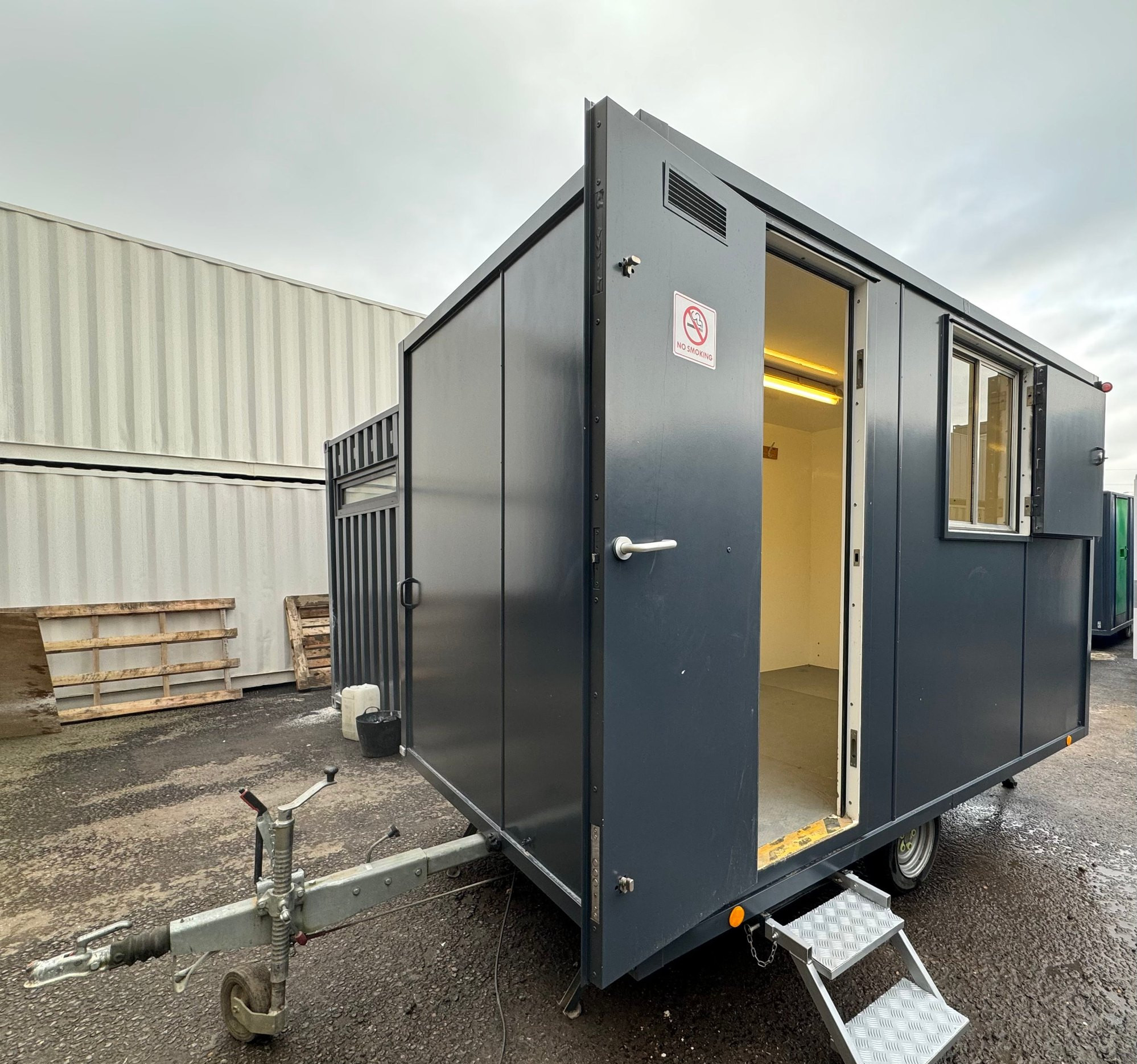
 New
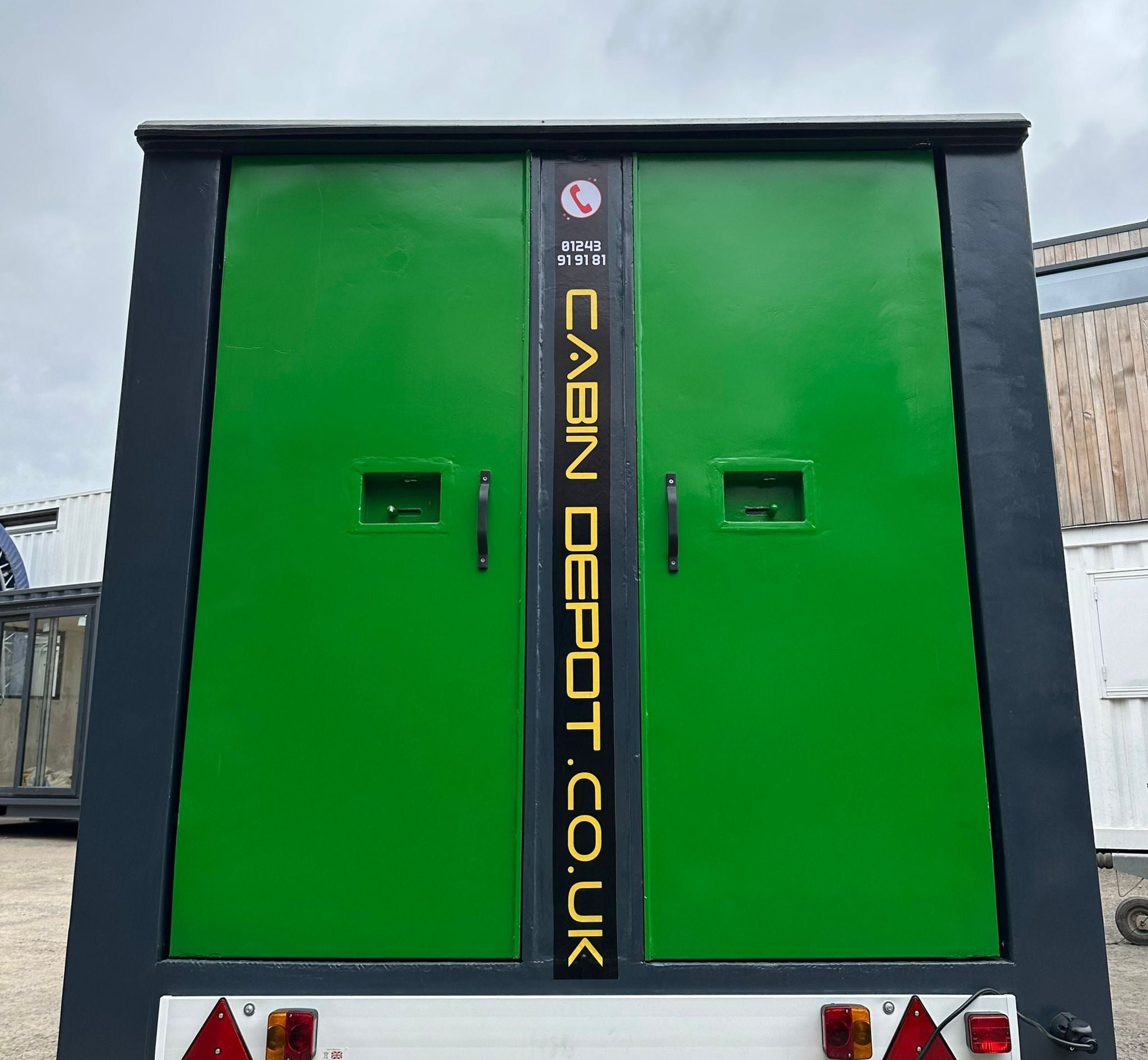
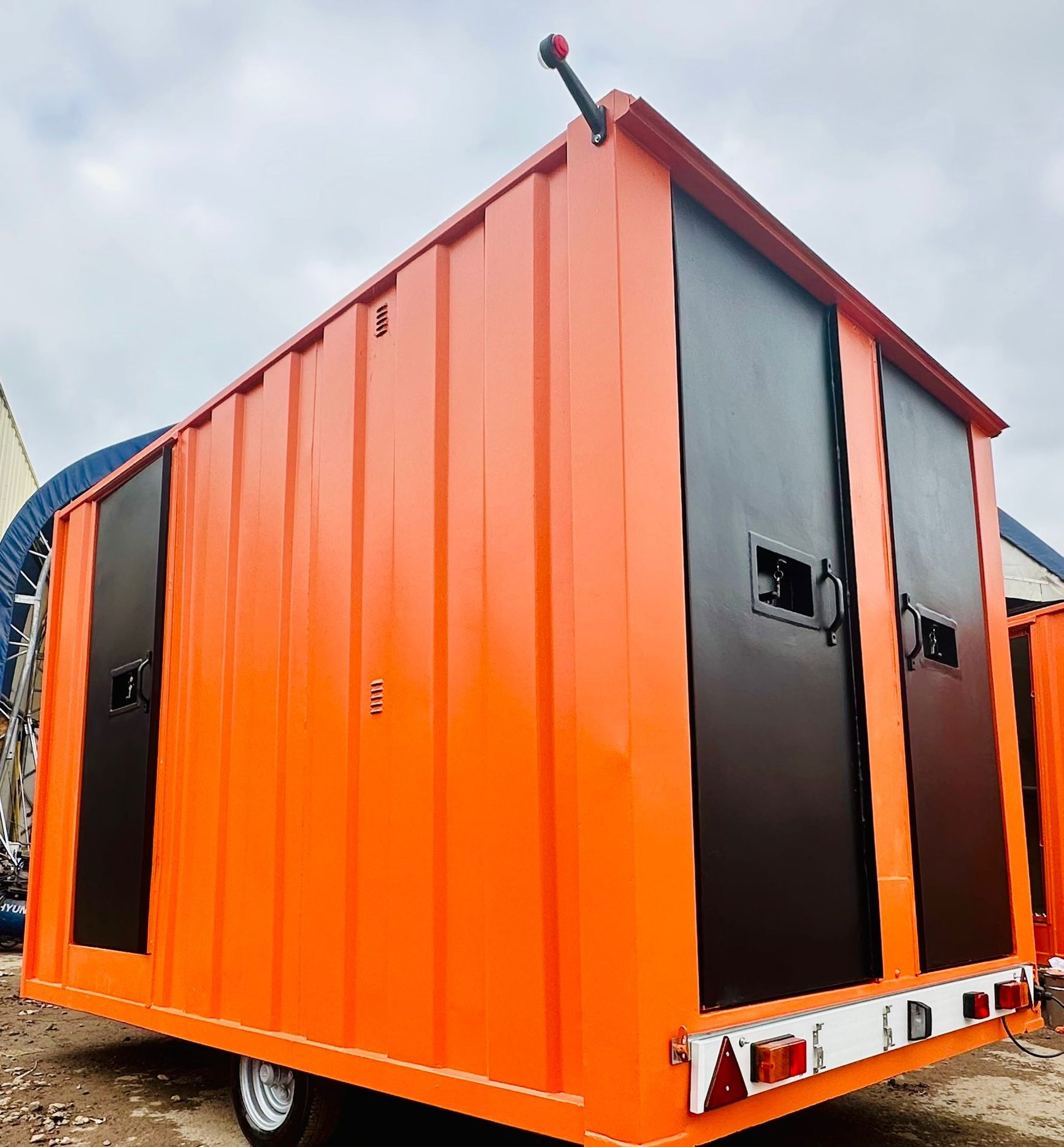
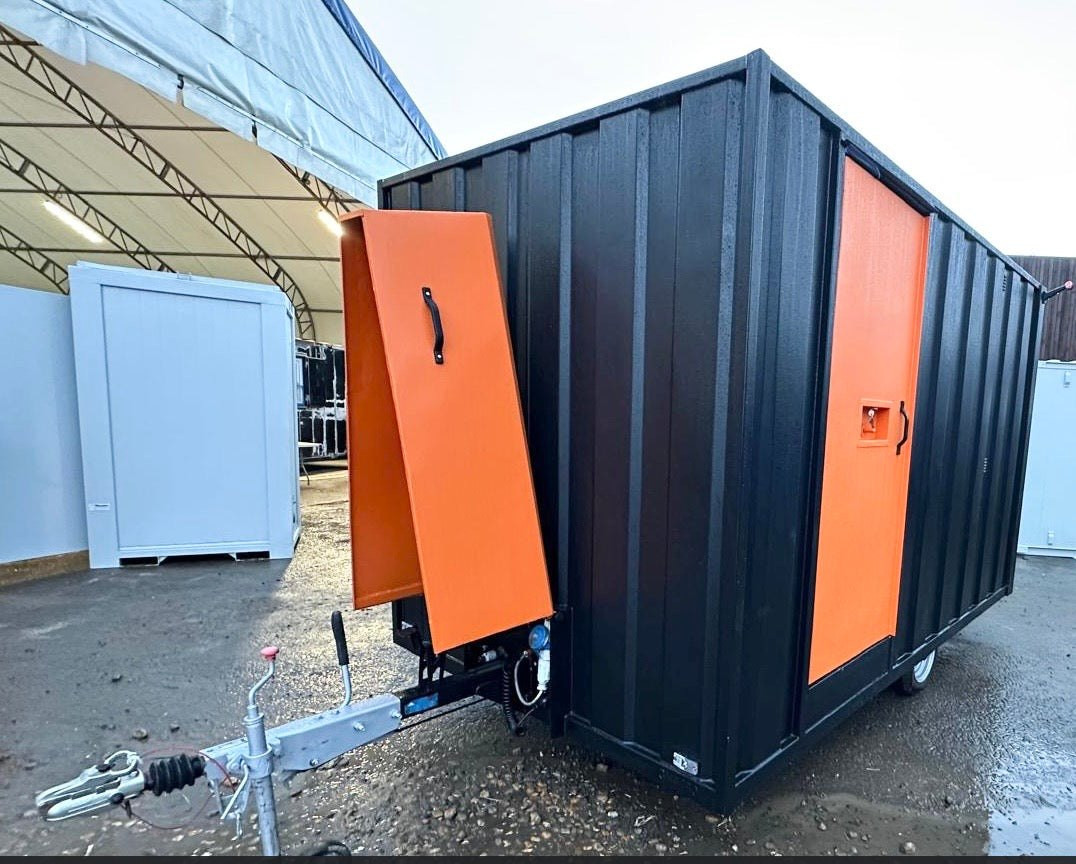
Towable Office Unit
$11,693.50
View →Container category
Explore our selection of mobile welfare units for sale, designed to provide convenient on-site facilities for workers in construction, industrial, agricultural, and remote working environments. These portable units offer practical facilities such as rest areas, seating, toilets, washing stations, kitchenettes, changing rooms, and break rooms. Built to provide comfortable and functional spaces away from permanent buildings, mobile welfare units are ideal for construction sites, infrastructure projects, outdoor operations, and temporary workplaces. Whether you need a compact welfare cabin or a fully equipped mobile facility, discover versatile solutions to meet your workforce’s needs.
New
 New
 New
 New
 New
 New
 New
 New
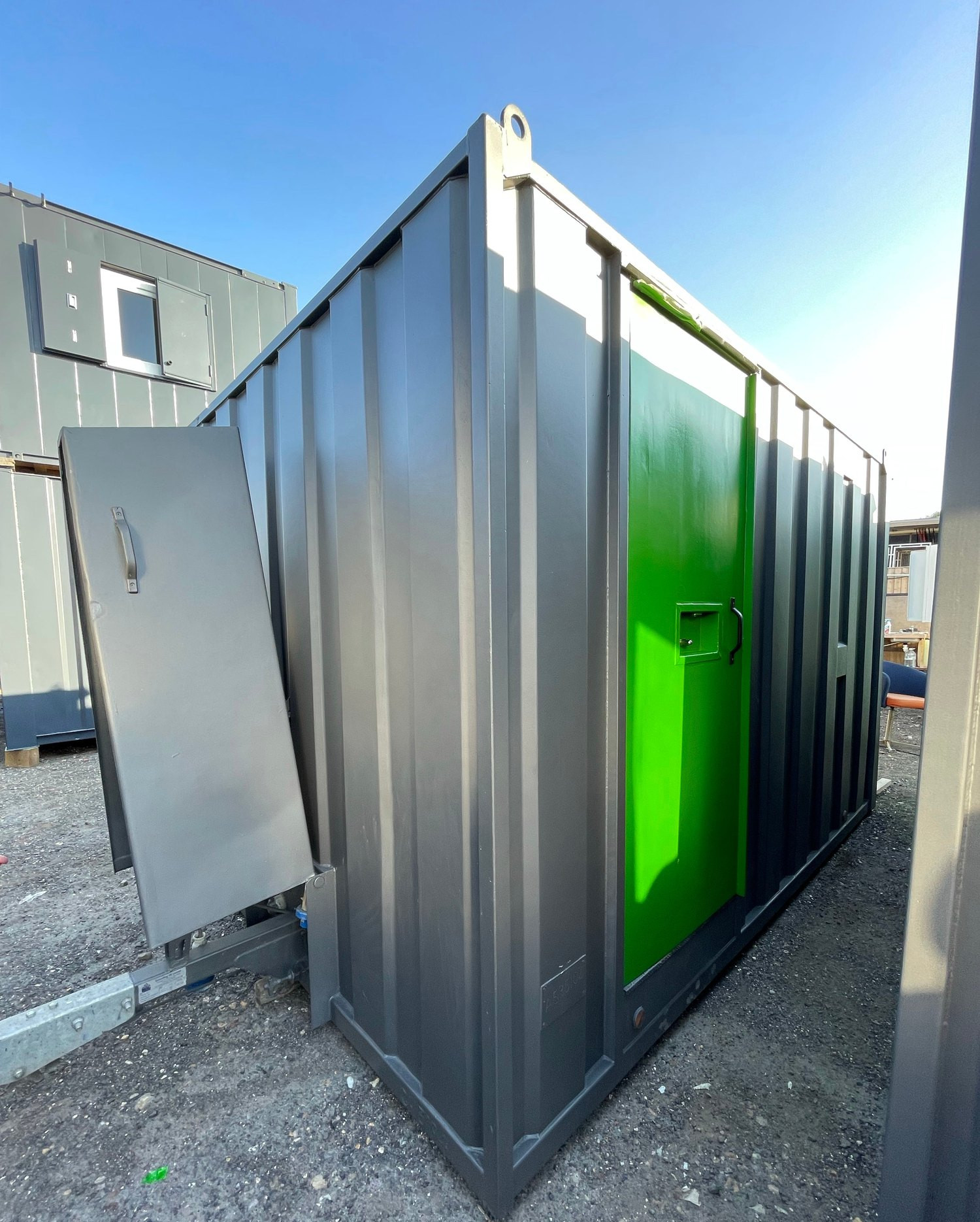 New
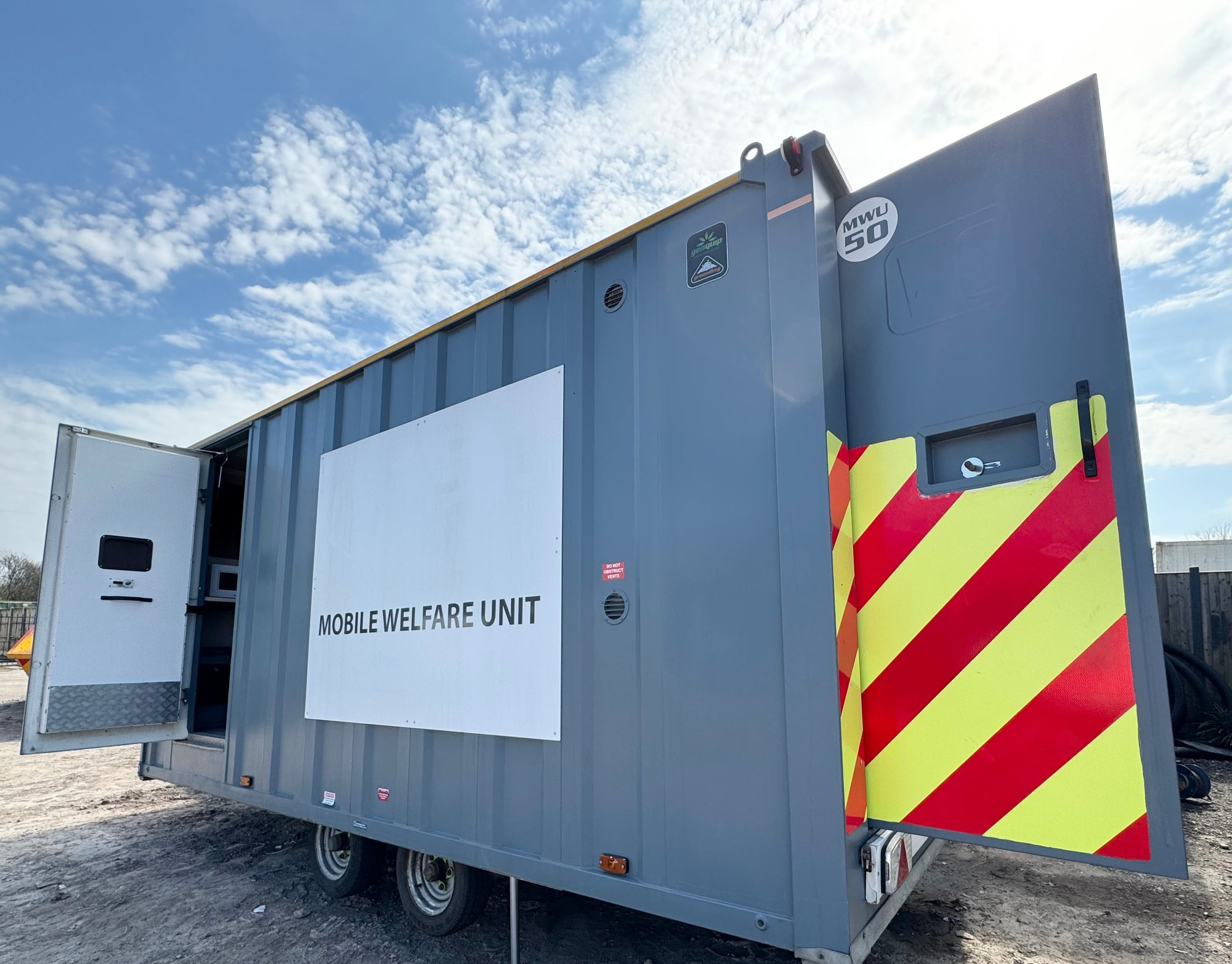 New
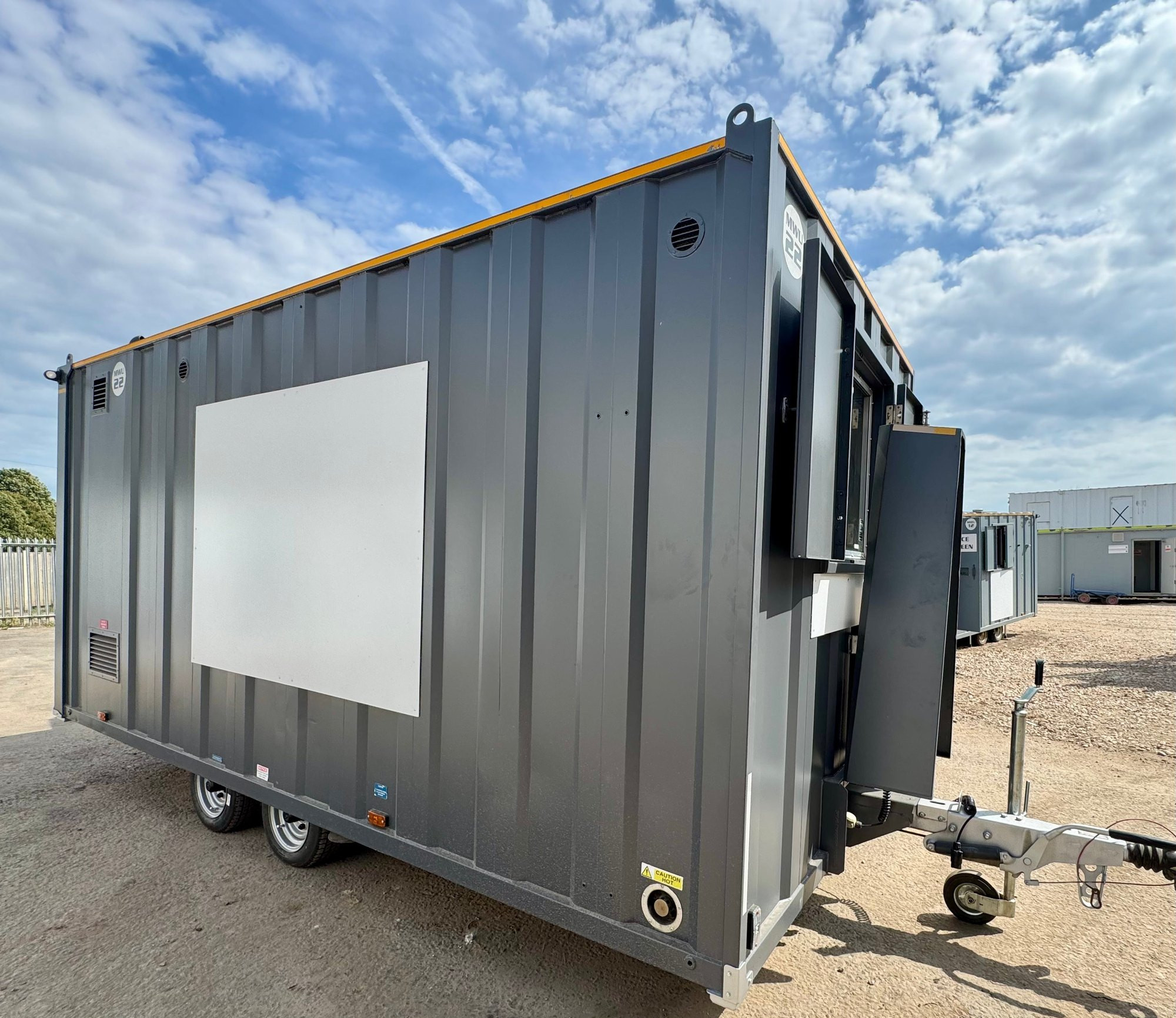 New
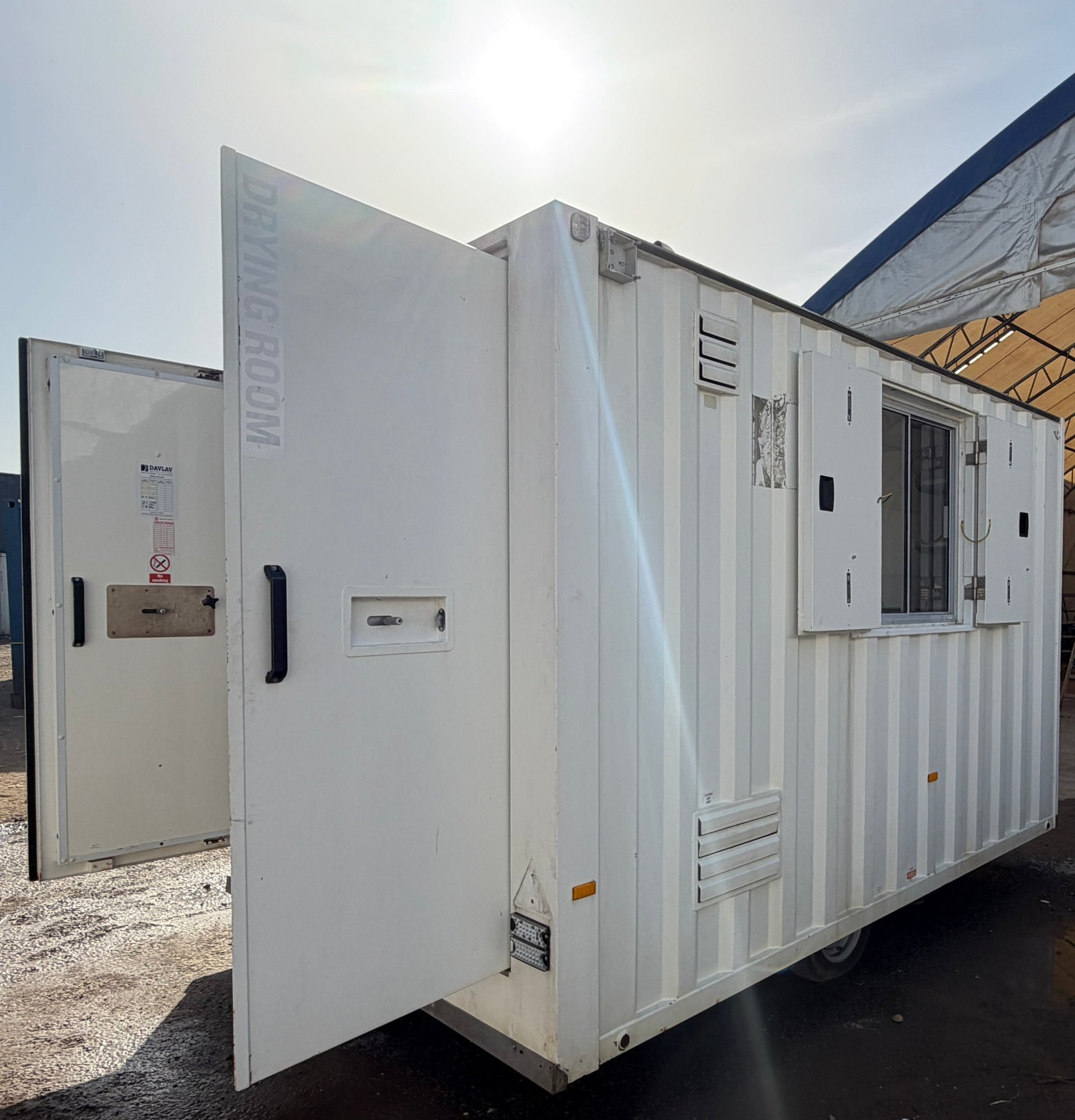
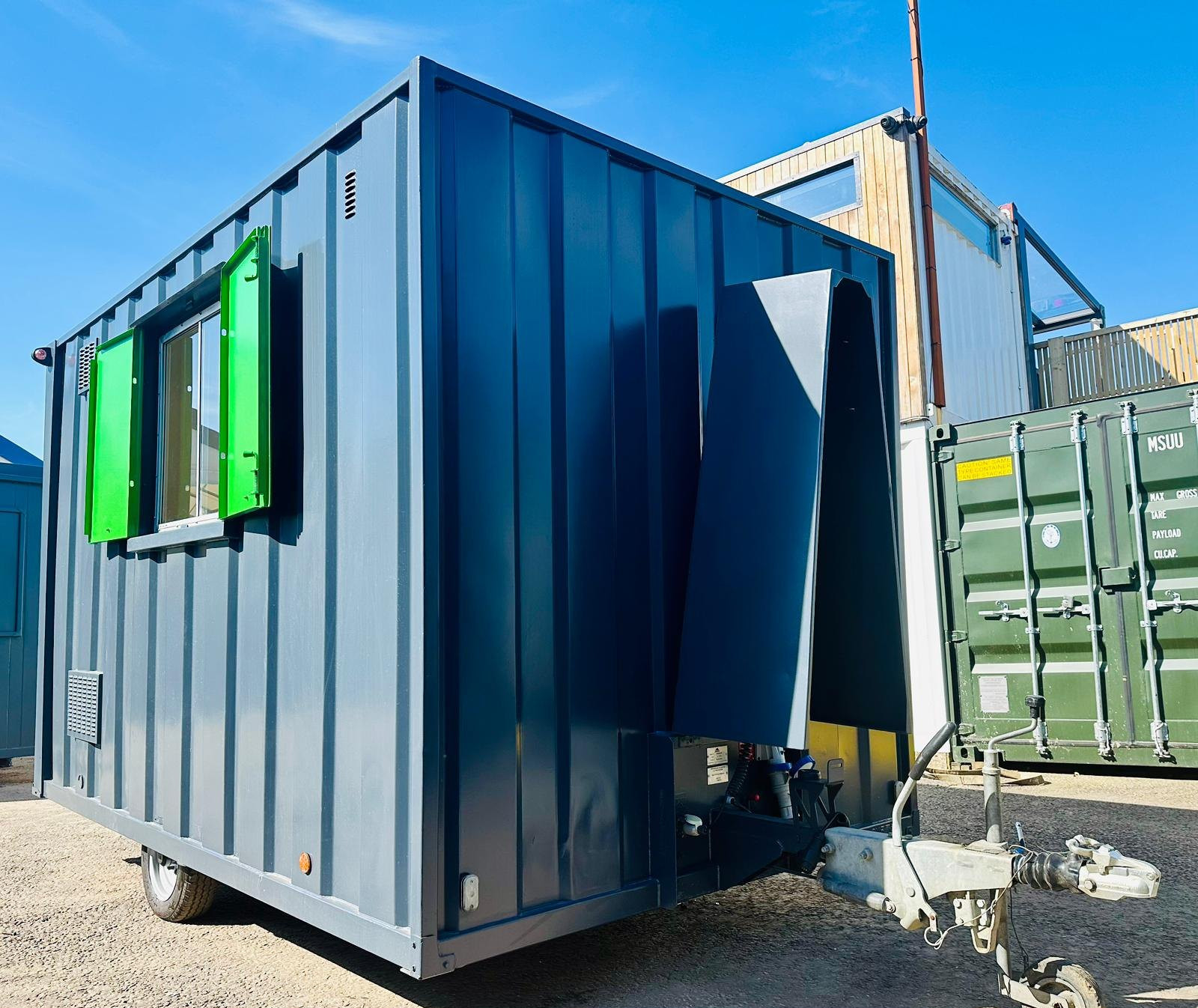
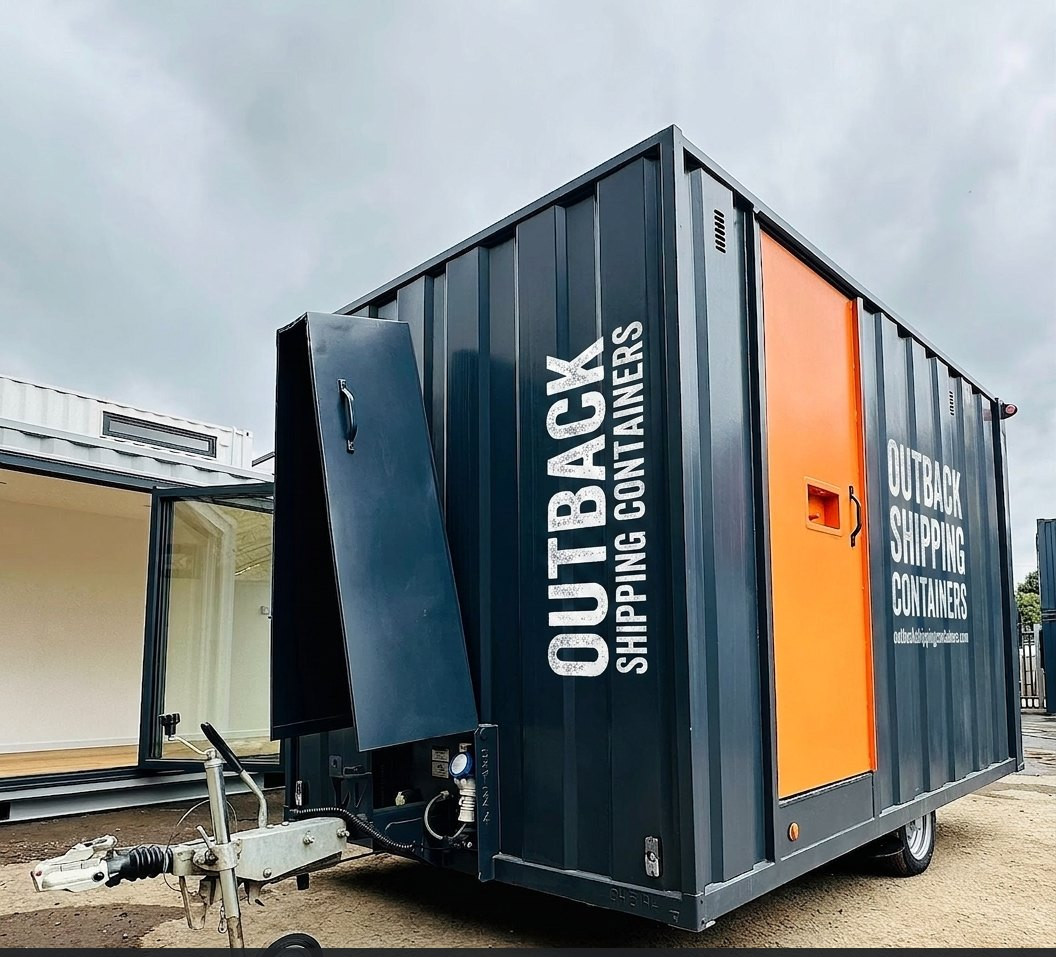
Mobile welfare units are towable trailers fitted out with a break area, toilet and handwashing, built to follow crews from one job site to the next. They suit work that moves often or lasts only days or weeks in one location, such as roadwork, utility and pipeline maintenance, landscaping, rail and telecom projects, and event setup.
Because most mobile welfare units carry their own power and water, crews can have heat, light and a restroom within minutes of arriving, even on sites with no utilities.
Mobile welfare units are typically compact and arranged for efficiency. A common layout includes:
Seating capacity varies by model, so compare layouts against the size of the crew that will use the unit.
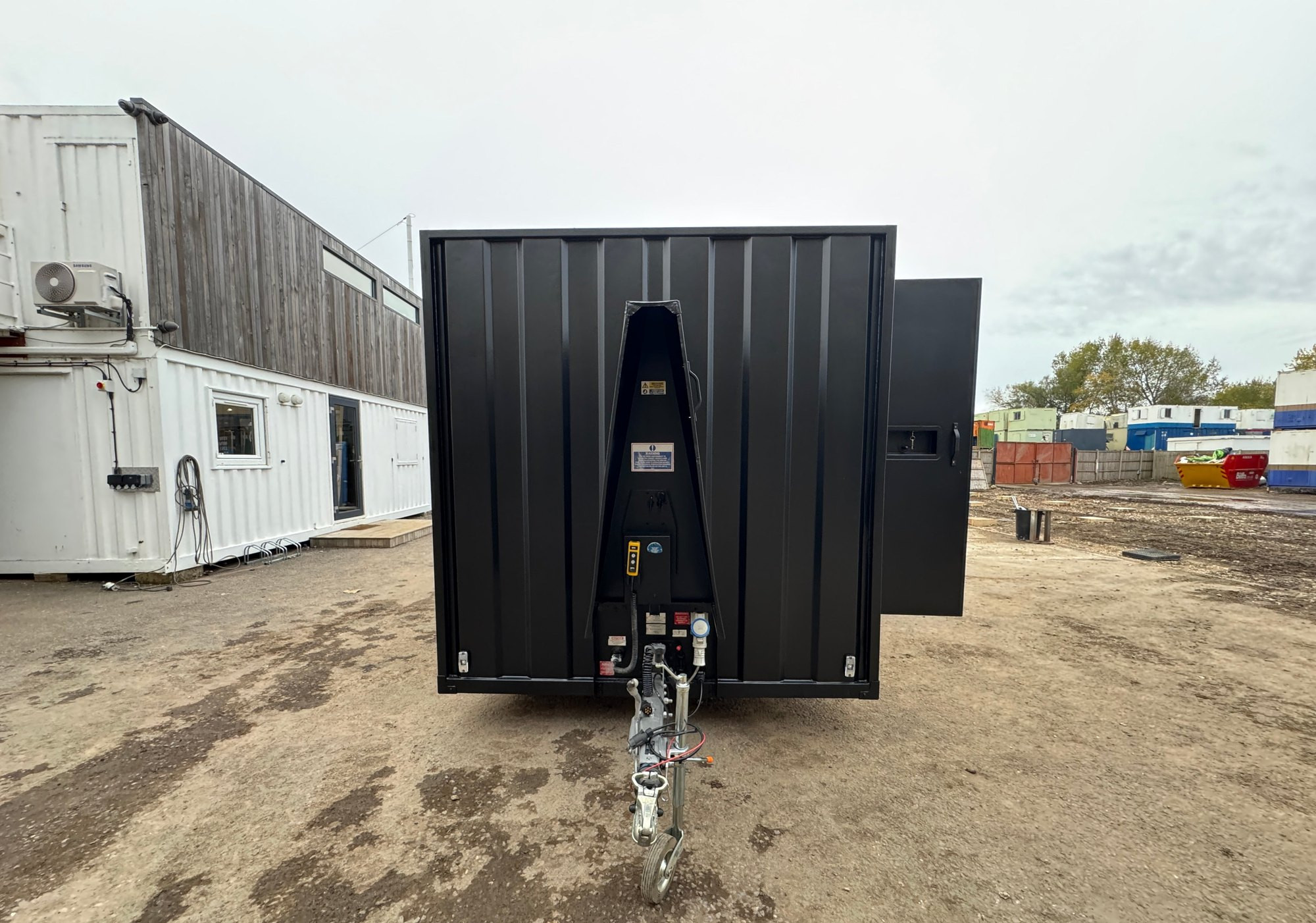
Look at the generator type, fuel capacity and noise level, since it powers everything on board. Compare fresh water and waste tank sizes, which affect how often the unit needs to be refilled and emptied. Check the heating system, insulation, lighting and outlet count. Trailer details matter too: axle configuration, brakes, lighting, hitch type and overall weight should match the vehicle you plan to tow with.
Confirm that your tow vehicle is rated for the loaded weight of the trailer and that drivers are comfortable maneuvering it on narrow or rough access roads. On site, park on level, firm, well-drained ground, use the stabilizer jacks, and keep a safe distance between the generator exhaust and doors, windows or other equipment.
If the unit is delivered to you, the delivery route needs clear, straight access and no low overhead obstructions.
Road rules for trailers, including registration and lighting, vary by state. Also check local zoning, site owner and HOA requirements for where the unit is parked or stored, and follow local rules for emptying waste tanks.
The mobile welfare units listed here are currently available. Order online, and our team will confirm availability, final price, tax and delivery before taking any payment.
Most mobile welfare units are designed to run without hookups, using an onboard generator for electricity and built-in tanks for fresh water and waste. Some models can also connect to site power when it is available. Check each listing for the generator and tank details so you know how long the unit can operate between refills.
You need a tow vehicle rated for the loaded weight of the trailer, with a compatible hitch and working trailer light and brake connections. Weights vary by model, so compare the trailer specifications against your vehicle's towing capacity. State rules on trailer registration and driver requirements also apply, so check them before towing.
It depends on the tank size, how many people use the toilet and how many days the unit is in use. A larger crew will fill the tank faster. Plan regular servicing based on your crew size, and follow local rules for disposing of wastewater at an approved facility.
Mobile welfare units work best when crews move frequently or stay in one place for shorter periods. For long projects at a single location, a static welfare unit connected to site utilities usually offers more space and fewer refills. Many companies use both, depending on the type of job.
A practical guide to comparing prefab container offices and job site trailers, with the cost factors, site questions, and specification checks that actually shape your decision.
Turn a shipping container into a comfortable, climate-controlled workspace. Learn how HVAC, insulation, and site planning affect cost, comfort, and lead time.
A practical guide to turning a shipping container into a food truck, covering cost factors, 20ft layout planning, and site requirements. Learn what to verify before you buy.