
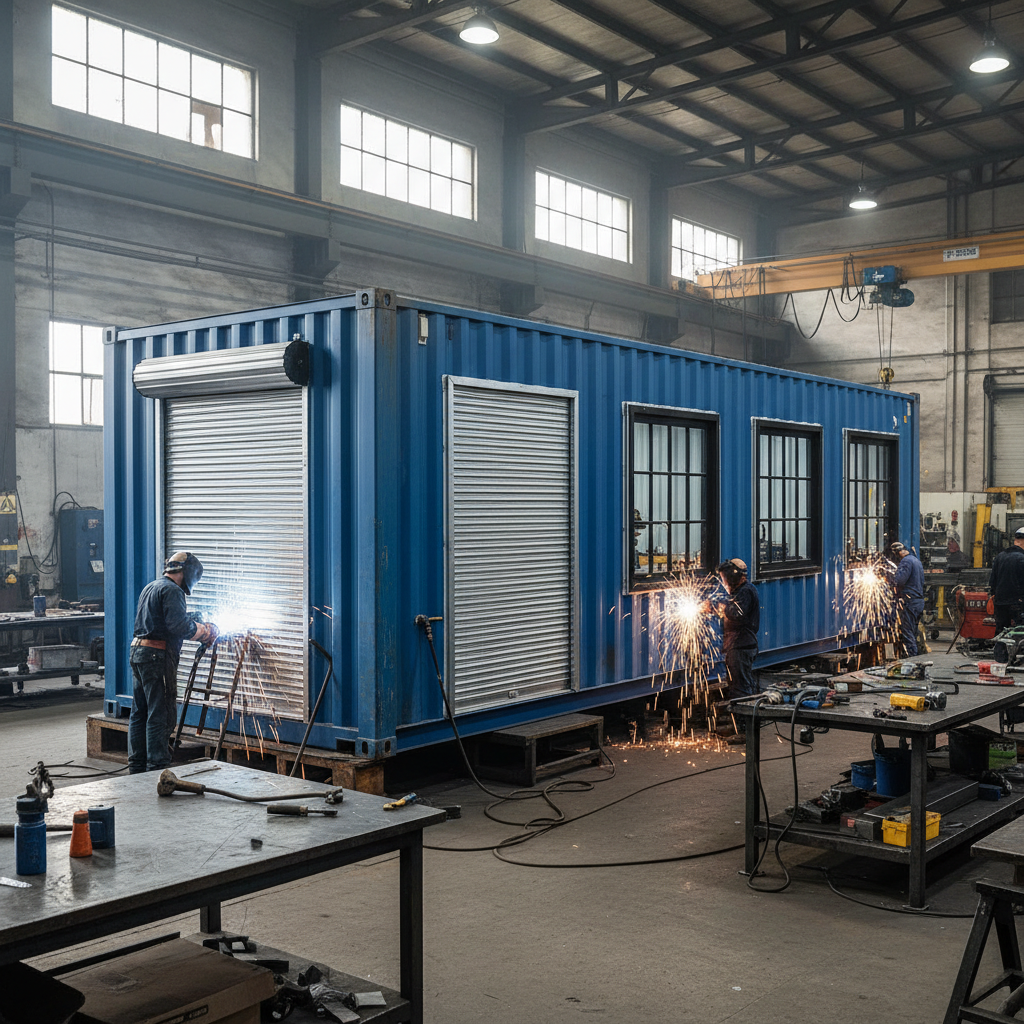
Planning a 40ft high cube modification? Learn what drives cost, how to budget, and what to confirm with Newport before you commit.
A 40ft high cube shipping container is a popular starting point for workshops, storage, and light industrial use because it offers more interior height than a standard container. But if you are planning a modification, the cost is not a single number. It depends on your design, site, timeline, and the condition of the container you start with. This guide explains the main cost drivers, how to plan, and what to verify with Newport Shipping Containers LLC before you buy or build.
Why 40ft high cube containers are often chosen for modification
A 40ft high cube container is approximately 40 feet long and 8 feet wide, with a taller exterior height than a standard 40ft container. The extra height can make a difference for workshop use, overhead storage, or equipment that needs more vertical clearance. However, exact dimensions, internal measurements, and door opening sizes vary by manufacturer and unit. Always check the individual listing and the CSC plate for the specific container you are considering.
High cube containers are often used for:
- Workshops and fabrication spaces
- Industrial storage and inventory overflow
- Equipment shelters
- Temporary or permanent site offices
- Pop-up retail or service bays
Each use case changes the modification scope, and therefore the cost.
What drives the cost of a 40ft high cube modification
Modification pricing is project-specific. Instead of quoting a single figure, it helps to understand the categories that make up a quote.
1. The starting container
The condition and source of the container matter. A one-trip or newer container may cost more upfront but can reduce prep work. A used container may be more affordable but could need repairs, rust treatment, or floor replacement. Confirm the container's condition, age, and any prior modifications with the Newport team.
2. Design and engineering
If you are adding structural openings, removing wall sections, or adding a roof, you may need engineering review. Some projects require stamped drawings for local permits. Engineering and design fees vary by complexity and local requirements. Ask Newport what documentation is available and what your local authority may require.
3. Structural modifications
Common structural changes include:
- Cutting and framing doors or windows
- Removing part or all of a side wall
- Adding a personnel door
- Reinforcing openings
- Installing a roof or awning
Structural work is often the largest cost category. The number, size, and placement of openings affect both labor and materials.
4. Insulation and climate control
If the container will be occupied or used for temperature-sensitive goods, insulation and HVAC may be needed. Options range from spray foam to rigid board, and from small vent fans to full HVAC systems. Costs depend on the target climate, interior layout, and power availability.
5. Electrical and lighting
Electrical work can include:
- Running conduit and wiring
- Installing a panel and breakers
- Adding interior and exterior lighting
- Outlets, switches, and data lines
- Generator or shore power connections
Electrical scope is often underestimated. Confirm whether your site has adequate power and whether the work must be done by a licensed electrician.
6. Plumbing and water
If you need a sink, toilet, or wash station, plumbing adds cost for supply lines, drains, fixtures, and possibly a water heater. In some locations, connecting to water and sewer may require permits and inspections.
7. Flooring, walls, and finishes
Upgrades may include:
- Plywood or OSB wall lining
- Insulated panels
- Epoxy or rubber flooring
- Paint or coatings
- Shelving and workbenches
Finish choices range from utilitarian to finished interior. Each step adds material and labor.
8. Doors, windows, and security
Adding or replacing doors and windows affects security and weather tightness. Options include roll-up doors, steel personnel doors, sliding windows, and security bars. Costs vary by size, material, and hardware.
9. Transportation and site access
Delivery is a separate cost from modification. A 40ft high cube container requires a truck and trailer that can access your site. You will need to confirm road width, overhead clearance, turning radius, and ground conditions. Newport can discuss delivery requirements, but site access must be verified by you and the delivery team.
10. Permits and inspections
Local rules vary widely. Some jurisdictions treat container modifications as temporary structures, while others require building permits, electrical permits, and inspections. Do not assume a container size determines permit needs. Check with your local planning or building department. Newport can provide container documentation, but permit responsibility typically rests with the owner.
How to budget for a 40ft high cube modification
Because costs are project-specific, a useful budget starts with scope, not a single price.
Step 1: Define the use case
Write down what the space must do. Will it be climate-controlled? Does it need water? How many people will use it? What equipment will be installed? The answers shape every cost category.
Step 2: Separate must-haves from nice-to-haves
List essential modifications first. For example, a workshop may need lighting, power, and a personnel door before insulation or finished walls. This helps you phase the project and control costs.
Step 3: Get a site assessment
Before ordering modifications, confirm where the container will sit and how it will be delivered. A site visit or detailed photos can help Newport and your contractor understand access constraints.
Step 4: Request a detailed quote
Ask for a line-item quote that separates container cost, modification labor, materials, and delivery. This makes it easier to compare options and adjust scope.
Step 5: Plan for contingencies
Modification projects often uncover unexpected conditions, such as hidden rust, floor damage, or local code requirements. A contingency fund is prudent. The exact percentage depends on your risk tolerance and project complexity.
Common modification scenarios and their cost considerations
Industrial storage
For storage, the main costs are often shelving, lighting, ventilation, and security. If the container is already weather-tight, modifications may be minimal. If you need climate control, add insulation and HVAC.
Workshop
A workshop typically needs power, lighting, workbenches, and ventilation. If you will weld or use volatile materials, fire safety and ventilation become important. Confirm local codes for occupancy and fire separation.
Site office
An office needs insulation, HVAC, electrical, data, and finished interior surfaces. Windows and a personnel door are common. Accessibility requirements may apply depending on local rules.
Retail or service bay
This use case often requires larger openings, signage, and customer-facing finishes. Structural reinforcement may be needed for wide openings. Check with local authorities about zoning and signage permits.
What to confirm before you commit
Because container specifications and local rules vary, confirm these items with Newport and your local authority:
- Exact interior and exterior dimensions of the specific unit
- Door opening size and type
- Container condition, including floor and roof
- CSC plate details and any certification
- Delivery method, equipment, and site access requirements
- Availability and lead time
- Modification scope, materials, and timeline
- Permit and inspection requirements in your jurisdiction
- Electrical, plumbing, and HVAC contractor licensing
Do not rely on general assumptions about what a container size can or cannot do. The listing and the delivery team are your best sources for exact details.
Frequently Asked Questions
How much does it cost to modify a 40ft high cube container?
There is no single price. Costs depend on the container itself, the modifications you choose, labor rates, materials, site access, and local permit requirements. A simple storage setup with lighting and shelving costs far less than a fully insulated office with plumbing and HVAC. Request a detailed quote from Newport based on your specific scope.
Can I modify a 40ft high cube container myself?
Some owners handle minor interior work, such as painting or shelving. Structural cuts, electrical, plumbing, and HVAC typically require qualified professionals and may require permits. Check local rules and your insurance before starting. Newport can discuss what documentation is available for the container.
Do I need a permit to modify a shipping container in my area?
Permit rules vary by state, county, and city. Some jurisdictions require building, electrical, and plumbing permits; others have different thresholds. Do not assume a particular container size avoids permits. Contact your local building department for guidance specific to your project and location.
How long does a 40ft high cube modification take?
Timelines depend on scope, material availability, weather, and contractor scheduling. Simple modifications may take days or weeks, while complex builds can take months. Ask Newport and your contractor for a realistic schedule based on your design.
What should I check on the container before modifying it?
Inspect the floor, roof, walls, and door seals for rust, holes, or water damage. Review the CSC plate and any prior modifications. Confirm the exact dimensions of your unit, since high cube heights can vary. If you are buying from Newport, ask the team for condition details and photos of the specific container.
Next steps
Start by defining your use case and listing the modifications you need. Then browse current inventory at our shop to see available 40ft high cube containers and confirm listing details. When you are ready to discuss delivery, site access, or modification questions, contact the Newport team for project-specific guidance. We will help you understand what to confirm before you commit.
Plan the next step
Confirm the container and the delivery plan.
Browse current listings, then speak with the Newport team to verify the unit, total pricing, site access, and delivery requirements before payment.