
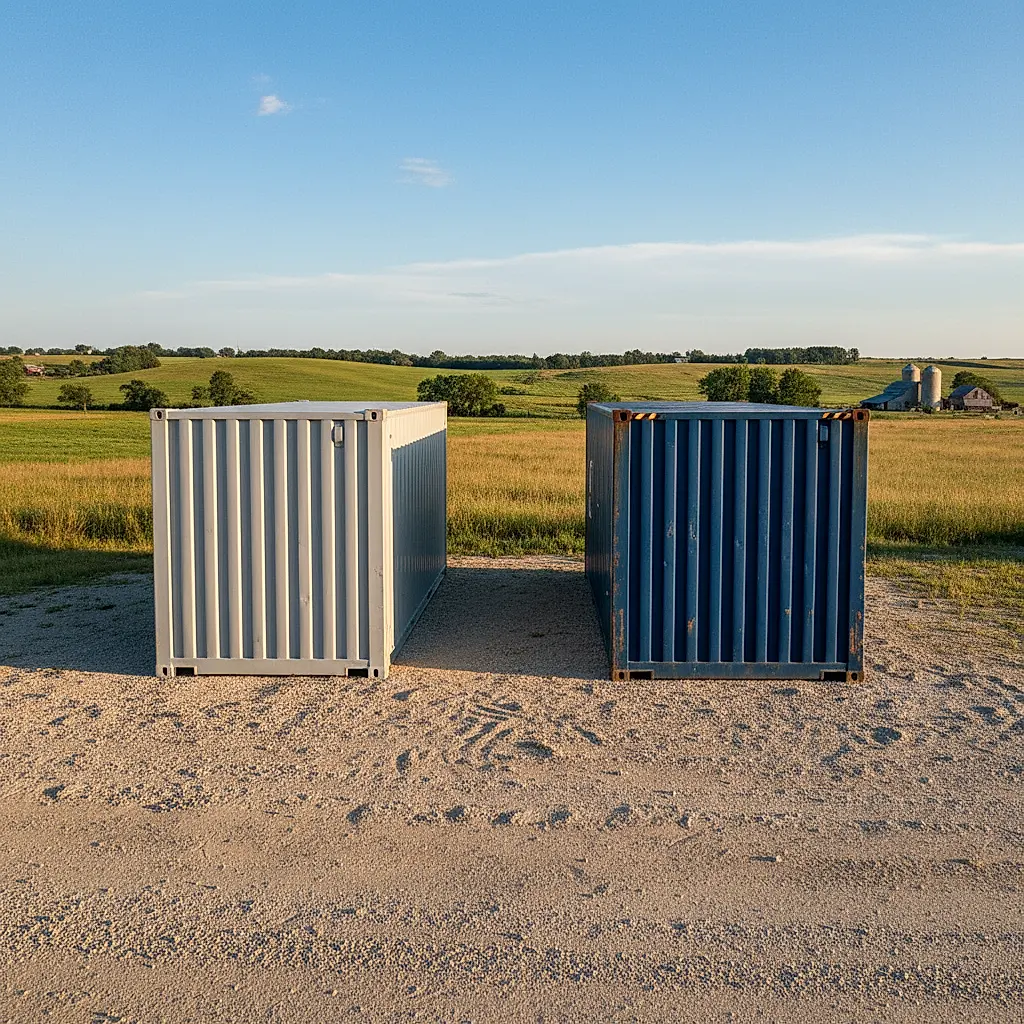
Learn how container grade, condition, ventilation, and moisture control affect long-term storage. Compare used, one-trip, and new options, then confirm specs with Newport.
Long-term storage sounds simple until you price out what happens when a container is damp, poorly sealed, or chosen for the wrong job. The best grade for you depends less on a single label and more on how the container will be used, where it will sit, and how much maintenance you are willing to take on.
This guide walks through the practical differences between common container grades, what those grades do and do not tell you, and how to plan for moisture control. It also explains where to confirm exact specifications, because container condition and dimensions vary by unit and listing.
What Container Grades Actually Mean
Shipping container grades are shorthand for condition, not a formal universal standard. Sellers use terms like one-trip, cargo-worthy, wind and water tight, and as-is. The exact meaning can differ between sellers, so treat any grade label as a starting point for questions, not a guarantee.
New and one-trip containers
A new container has typically seen little or no cargo service. A one-trip container has made roughly one loaded voyage. Both usually have fewer dents, less surface rust, and better door seals than older units. They are often the easiest starting point for long-term storage because the structure and seals are closer to original condition.
That does not mean they are maintenance-free. Condensation can still form inside a sealed steel box, and a container sitting in full sun or on damp ground will still experience temperature swings. Newer condition reduces some risks; it does not remove the need for ventilation and moisture management.
Cargo-worthy and wind and water tight
Cargo-worthy generally means the container is still suitable for carrying cargo by sea, which implies a certain level of structural and weather integrity. Wind and water tight generally means the container keeps out wind-driven rain but may not meet cargo standards. As-is containers may have visible damage, rust, or door issues.
For storage, a wind and water tight container can be perfectly serviceable if you understand its limits. The key is to inspect the specific unit rather than assume a grade label tells the whole story. Ask about floor condition, door gaskets, roof rust, and whether the container has been used for anything that could leave odors or residue.
Why grade alone is not enough
Two containers with the same grade label can differ in floor soundness, door alignment, and ventilation. If long-term storage matters, inspect the actual unit or ask for current photos and details. Confirm the condition and specifications of the specific listing with the Newport team before you commit.
Matching Grade to Your Storage Plan
What you are storing
Dry, sturdy goods such as tools, equipment, and sealed building materials tolerate a wider range of container conditions than moisture-sensitive items like paper, textiles, electronics, or upholstered furniture. If your stored items can absorb moisture or are vulnerable to rust, prioritize a container with sound seals and plan for active moisture control.
How long you plan to store
Short-term storage of a few months is more forgiving than multi-year storage. Over years, small leaks, minor floor damage, and condensation cycles compound. A container that stays dry through one winter may show problems after several. If your timeline is open-ended, choose better condition up front and budget for periodic checks.
Where the container will sit
Placement affects performance. A container on a well-drained pad with airflow around it tends to fare better than one sitting in standing water or against a wall. Shade reduces interior temperature swings, which in turn reduces condensation. Think about sun exposure, drainage, and airflow before you choose a grade.
Your maintenance willingness
Some buyers want to set it and forget it. Others are comfortable checking seals, touching up rust, and managing desiccant. Be honest about which person you are. A higher grade reduces maintenance, but no steel container is entirely maintenance-free in a humid climate.
Moisture Control: The Part Most Buyers Underestimate
Why condensation happens
A steel container heats and cools faster than the ground or the contents inside. Warm, moist air inside the box can condense on cooler interior surfaces, especially at night or during seasonal shifts. This is normal physics, not necessarily a defect. The goal is to keep interior humidity low enough that condensation does not damage stored goods.
Practical moisture-control steps
- Keep the container closed during humid or rainy weather, and open it for short periods on dry, breezy days when you need to air it out.
- Use desiccant products sized for the container volume, and replace or recharge them on a schedule. Confirm product instructions for your specific use.
- Avoid storing damp items. Let tools, equipment, and materials dry before they go in.
- Keep stored goods off the floor using pallets or shelving so air can move underneath.
- Leave a little space between items and the walls to encourage airflow.
- Inspect door gaskets, vents, and roof seams periodically, and address small issues before they grow.
- Consider a small ventilation approach appropriate to your climate, and confirm with the Newport team what is compatible with your container and site.
When to add ventilation or dehumidification
If you store moisture-sensitive goods, passive desiccant may not be enough in a humid climate. Powered ventilation or dehumidification can help, but it requires a power source and a plan for drainage. Weigh the cost and complexity against the value of what you are storing. For some buyers, a smaller climate-controlled option makes more sense than trying to condition a full-size container.
Inspection Checklist Before You Buy
Use this list when evaluating any container, regardless of grade label. Ask the seller to confirm each point for the specific unit.
- Roof: look for rust, pinholes, and previous repairs.
- Floor: check for soft spots, delamination, and moisture staining.
- Doors: confirm they open and close smoothly and that gaskets are pliable and intact.
- Walls and corners: note dents, deep rust, and patched areas.
- Seals and vents: confirm they are present and functional.
- Odor and residue: ask what was previously stored or shipped inside.
- Markings and plates: review the CSC plate and any identification markings, and ask the Newport team to help you interpret them.
- Site fit: confirm the container will physically fit your access route and pad before purchase.
If you cannot inspect in person, ask for current, dated photos and specific answers to these questions. Confirm listing details, availability, pricing, site access, and delivery requirements with the Newport team.
Common Mistakes That Shorten Storage Life
- Choosing the lowest-cost container for moisture-sensitive goods without a moisture plan.
- Assuming a grade label guarantees the condition of the specific unit.
- Placing the container where water pools or where airflow is blocked.
- Storing items directly on the floor.
- Ignoring small roof or door-seal issues until they cause interior damage.
- Forgetting that interior temperature swings, not just rain, drive condensation.
- Skipping a site check and discovering access limits after purchase.
Avoiding these mistakes matters more than chasing a particular grade name. A well-placed, well-maintained mid-grade container often outperforms a poorly placed higher-grade unit.
Frequently Asked Questions
What is the best shipping container grade for long-term storage?
There is no single best grade for every situation. For moisture-sensitive goods and long timelines, a new or one-trip container in sound condition is often the easier starting point. For dry, durable goods, a wind and water tight container may be sufficient if the specific unit is in good shape. Confirm the condition of the individual unit with the Newport team.
Do I need a new container, or is used fine for storage?
Used containers can work well for storage when the roof, floor, doors, and seals are sound. The deciding factors are what you are storing, how long, and how much maintenance you will do. Inspect the actual unit rather than relying on a general grade description.
How do I control moisture inside a storage container?
Keep the interior dry, use desiccant or ventilation appropriate to your climate, store items off the floor, and inspect seals regularly. For very moisture-sensitive goods, consider powered dehumidification and confirm power and drainage options for your site.
Will a container stay completely dry on its own?
A sound container sheds rain, but interior condensation can still occur with temperature swings. Complete dryness usually requires some combination of good condition, sensible placement, and active moisture management. Ask the Newport team about options for your climate and contents.
What should I confirm before delivery?
Confirm the specific unit's condition and specifications, the delivery address and access route, site readiness, and any delivery requirements. Container dimensions, weights, and site constraints vary, so verify these details with the Newport team and your local authority where permits or site rules may apply.
Next Steps
Start by writing down what you plan to store, for how long, and how much maintenance you will realistically do. That short list will narrow your grade choices faster than any label.
Browse current options at our shop to see what is available, then reach out through our contact page to confirm listing details, availability, pricing, site access, and delivery requirements. The Newport team can help you compare condition, plan for moisture control, and decide what fits your storage goals.
Plan the next step
Confirm the container and the delivery plan.
Browse current listings, then speak with the Newport team to verify the unit, total pricing, site access, and delivery requirements before payment.