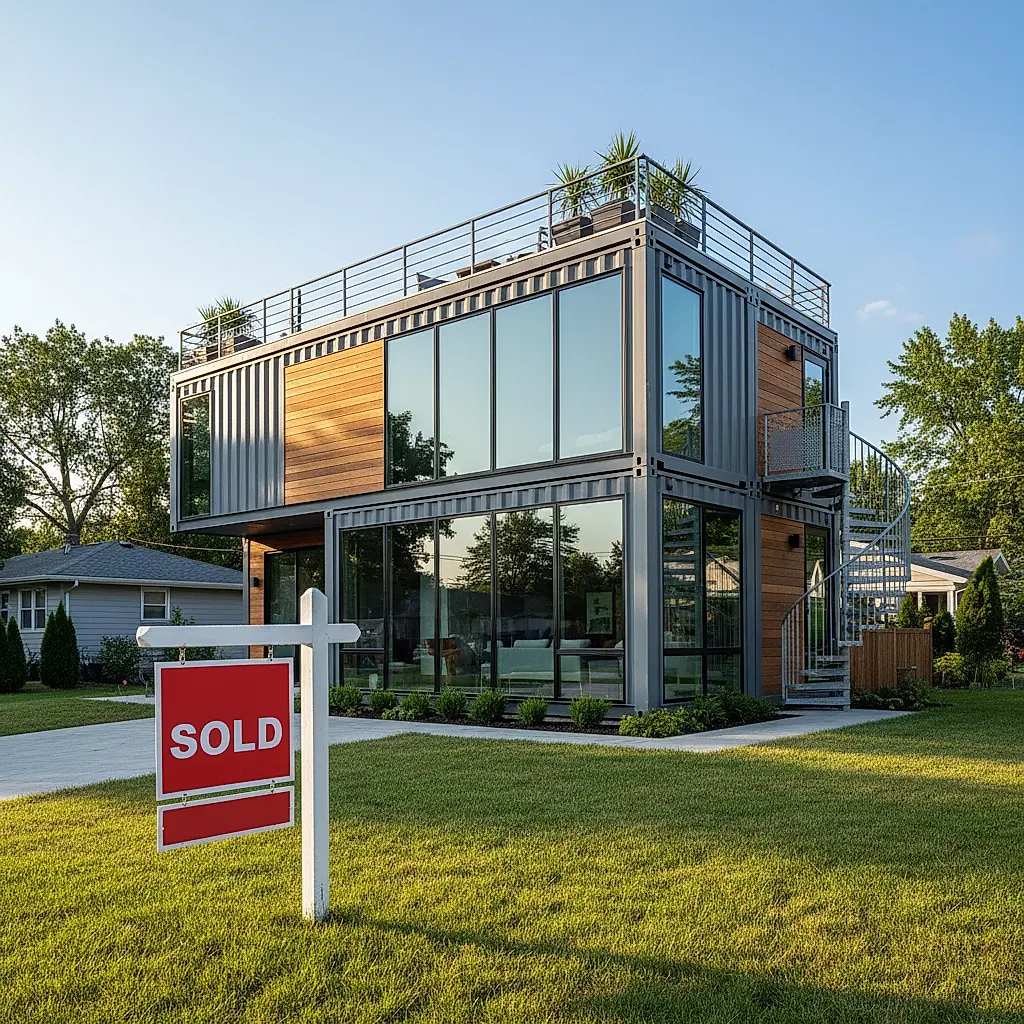
If you are planning a shipping container home, financing is often the first big question. This guide explains how construction loans typically work, what lenders may ask, and how to prepare before you apply.
Why Container Home Financing Feels Different
A shipping container home is still a home construction project, but the building method can raise questions for lenders who are used to conventional stick-built houses. The container itself is a durable steel structure, but a finished home also includes foundation work, framing, insulation, utilities, interior finishes, and site improvements. Lenders want to understand the whole project, not just the box.
That does not mean financing is impossible. It means you should expect more documentation and more conversation than you would for a standard tract home. The goal is to show a lender that your project is well planned, realistically budgeted, and buildable on your specific site.
This article explains how construction loan financing generally works, what information lenders commonly request, and how to prepare. It is not financial advice, and loan terms vary by lender, location, and borrower profile. Always confirm details with a qualified lender and with the Newport team before you commit to a container purchase or project timeline.
How Construction Loans Usually Work
The basic structure
A construction loan is typically a short-term loan used to pay for building a home. Instead of giving you all the money at once, many lenders disburse funds in draws as work is completed. You might receive a draw after the foundation is poured, another after framing, and so on. During construction, you often pay interest only on the amount drawn so far.
When the home is finished, the construction loan is usually paid off or converted into a traditional mortgage. Some lenders offer a single closing that combines both, while others require a separate refinance step. The exact process depends on the lender and your financial situation.
Why container projects can get extra scrutiny
Lenders may be less familiar with container construction than with conventional building. They may ask for additional detail about:
- How the containers will be modified and finished
- Who will do the work and whether they are licensed and insured
- Whether the local building department has approved the plans
- How the home will be appraised compared with nearby conventional homes
- Whether the project meets local zoning and code requirements
None of these are automatic deal-breakers. They are simply items a lender may want clarified before approving the loan.
What lenders commonly look for
While every lender is different, many construction loan applications ask for:
- A detailed project budget and timeline
- Architectural or engineered plans
- A signed contract with a builder or a clear owner-builder plan
- Proof of land ownership or a purchase contract
- Information about your income, assets, and credit
- Evidence of permits or a plan to obtain them
- A contingency amount for unexpected costs
If you are acting as your own general contractor, some lenders are comfortable with that and some are not. Be upfront about who will manage the build.
Preparing Your Project Before You Apply
Start with a realistic budget
Container homes can be cost-effective, but the container is only one line item. Your budget should account for:
- Land and site preparation
- Foundation or pier system
- Container purchase and transport
- Modifications such as cutting openings, welding, and framing
- Insulation, electrical, plumbing, and HVAC
- Roofing, siding, windows, and doors
- Interior finishes, fixtures, and appliances
- Permits, inspections, and professional fees
- A contingency for changes and surprises
Lenders want to see that you have thought through the full scope. A budget that only covers the container itself will not look complete.
Get your plans and site details in order
Before applying, gather:
- A site plan showing where the home will sit
- Information about access to the site for delivery and construction
- Utility connection plans
- Any engineering or architectural drawings you have
- A list of contractors or a description of your owner-builder approach
If you are still early in planning, it may help to talk with your local building department about what they require for a container home. Requirements vary widely by jurisdiction, so confirm locally rather than assuming.
Understand how the container fits the project
When you are ready to select containers, confirm the condition, dimensions, and modifications with the supplier. For example, standard containers are commonly about 20 feet or 40 feet long, about 8 feet wide, and about 8 feet 6 inches high, with high-cube versions roughly a foot taller. These are nominal dimensions, and actual specifications should be confirmed on the individual listing and the container's CSC plate.
If you plan to cut, weld, or stack containers, tell your lender and your builder early. Structural changes may require engineering review, and that can affect both permits and loan approval.
Working With Lenders and Understanding Tradeoffs
Types of lenders to consider
Different lenders have different appetites for construction projects. You might explore:
- Local banks and credit unions that know your market
- Lenders that specialize in construction or renovation loans
- Lenders experienced with manufactured, modular, or alternative construction
- Credit unions or community lenders with flexible portfolio products
A lender who has financed a container home before may be easier to work with, but a well-prepared application can also help a first-time container lender get comfortable.
Questions to ask a potential lender
- Do you finance container or alternative-construction homes?
- How many draws do you allow, and what triggers each draw?
- What interest rate and fees apply during construction?
- What happens at the end of the construction period?
- Do you require a licensed general contractor?
- How do you handle owner-builder projects?
- What inspections or appraisals are required?
- How long does approval typically take?
Get answers in writing when possible. Terms can vary significantly, and comparing offers side by side helps you make a better decision.
Be careful with speed claims
Some lenders advertise very fast approvals. Speed can be helpful, but it should not be the only factor. A fast approval on a loan that does not fit your project can create bigger problems later. Focus on whether the lender understands your build, whether the terms are sustainable, and whether the draw schedule matches your construction timeline.
Common Hurdles and How to Reduce Them
Appraisal and comparables
Appraisers may have trouble finding comparable container homes in your area. You can help by providing documentation about your project's quality, square footage, and features. Your lender may also have guidance on what the appraisal needs to include.
Permits and code compliance
Local rules for container homes vary. Some areas are welcoming, some have specific requirements, and some are still developing their approach. Confirm with your local building department what is required for your site. Do not assume that a container home will need fewer permits or face fewer reviews than a conventional home.
Insurance and warranties
Insurance and warranty requirements can differ for container construction. Ask your lender what coverage they require during construction and after completion, and confirm what warranties are available for the container and the finished home.
Delivery and site access
Construction financing often depends on a realistic schedule. Delivery logistics can affect that schedule. Confirm access requirements, site conditions, and delivery details with the Newport team before finalizing your timeline. Do not assume that a particular size or delivery method will work without confirming the specifics for your site.
Frequently Asked Questions
Can I get a construction loan for a shipping container home?
Many lenders do finance container homes, but not all. It depends on the lender, your location, your project plans, and your financial profile. Some lenders treat container homes like other construction projects, while others may have specific requirements or may not offer the product at all. Start by asking lenders directly whether they finance alternative-construction homes, and be prepared to provide detailed plans and a complete budget.
Do I need a licensed general contractor to qualify?
Not always, but many lenders prefer or require one. Some lenders allow owner-builder projects if you can demonstrate relevant experience and provide a detailed plan. If you plan to manage the build yourself, ask each lender about their owner-builder policy early so you do not waste time on an application that will not fit.
How long does approval take?
Approval timelines vary widely based on the lender, the completeness of your application, and the complexity of your project. Some lenders move quickly, while others take longer, especially if they need to review engineering, permits, or appraisals. A complete, well-organized application can help reduce delays. Ask your lender for a realistic timeline rather than relying on advertised speed.
What if my area has no comparable container home sales?
Appraisers can sometimes use conventional homes with similar square footage and features, or they may rely on cost-based approaches. You can help by providing thorough documentation about your project. Your lender can tell you what they need for the appraisal to move forward.
Should I buy the container before I have financing?
That depends on your risk tolerance and your lender's requirements. Some lenders want to see a purchase contract or proof that containers are available, while others prefer to approve the loan first. Talk with your lender about the right sequence. Also confirm availability, pricing, and delivery details with the Newport team before making commitments.
Next Steps for Your Container Home Project
Financing a container home takes planning, but it is manageable when you treat it like any other construction project: build a realistic budget, gather your plans, and work with lenders who understand your approach. Keep your expectations grounded and confirm every detail with the professionals involved.
If you are ready to explore containers for your build, start by reviewing current options on our shop page. When you have questions about specifications, availability, or delivery planning, reach out through our contact page. The Newport team can help you confirm listing details and next steps so you can move forward with confidence.
Plan the next step
Confirm the container and the delivery plan.
Browse current listings, then speak with the Newport team to verify the unit, total pricing, site access, and delivery requirements before payment.