
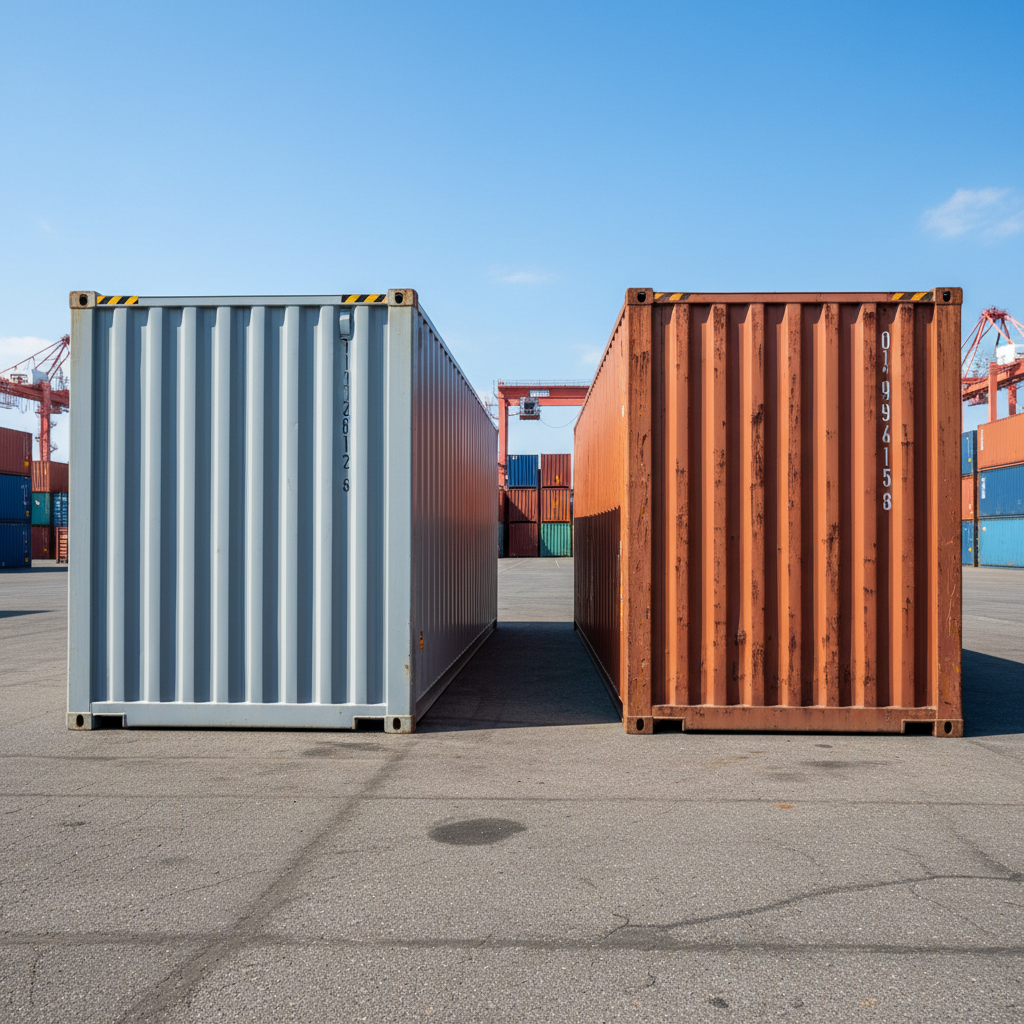
A practical guide to comparing 40ft high cube containers, understanding condition grades, and planning delivery so you can ask the right questions before you buy.
A 40ft high cube container is one of the most useful sizes for storage, workshops, and conversion projects because the extra height changes what you can do inside. But the buying process involves more than picking a size. Condition, doors, flooring, delivery access, and local availability all shape whether a container works for your site and budget.
This guide walks through what to compare, what to inspect, and what to confirm with the Newport team before you commit. It does not quote prices or promise stock levels, because those change constantly. Instead, it gives you a framework for making a confident decision.
Start With the High Cube Difference
A standard dry container and a high cube share the same nominal footprint. The difference is height. A 40ft high cube typically adds about a foot of interior height compared with a standard 40ft container, which is why it is popular for conversions, tall shelving, and equipment that will not fit comfortably in a standard unit.
Nominal dimensions are useful for planning, but they are not a substitute for the actual listing. Container dimensions can vary slightly by manufacturer, and exterior fittings affect how the box sits on a trailer or in a yard. Always check the individual listing and the container's CSC plate for exact specifications.
Where the Extra Height Helps
- Conversions: More headroom for insulation, framing, wiring, and finished ceilings.
- Workshops: Room for tall tools, lifts, and overhead storage.
- Storage: Better use of vertical space for racking and stacked goods.
- Ventilation planning: More volume to manage with vents or HVAC if you condition the space.
Where a Standard Height May Be Enough
If you only need weather-tight storage for pallets and boxes that fit under a standard ceiling, a standard height container may meet your needs. The right choice depends on what you plan to put inside, not on a single rule.
Compare Condition Honestly, Not Just by Label
Sellers often describe containers with terms like "one trip," "cargo worthy," or "wind and water tight." These labels are starting points, not guarantees. Ask what each term means for the specific unit you are considering.
One Trip and Nearly New Units
A one trip container has typically made a single cargo voyage. It may show minor scuffs, but the structure and paint are usually in strong condition. These units are often chosen for conversions or visible placements where appearance matters.
Used and Cargo Worthy Units
Used containers have a history. They may have dents, surface rust, patch repairs, or replaced flooring. Cargo worthy generally means the unit is still suitable for transporting goods, which is a higher bar than simply being wind and water tight. For storage, a used unit can be a practical choice if the structure is sound and the doors seal well.
As-Is and Project Units
Some containers are sold as-is for projects where appearance and minor leaks are acceptable. If you plan to cut, weld, or heavily modify the container, an as-is unit may reduce upfront cost, but you should inspect it carefully or ask for detailed photos.
Questions to Ask About Condition
- Has the container been inspected for holes, soft spots, and door seal condition?
- Are there repairs, and if so, where and how were they made?
- Is the flooring original, replaced, or showing delamination?
- Does the CSC plate show a current or expired inspection status?
- Can you provide photos of the specific unit, not a stock image?
Plan Delivery and Site Access Before You Buy
Delivery is where many container purchases become complicated. A 40ft high cube is a large, heavy object, and the truck that delivers it needs room to maneuver. The container also needs a stable, level surface to sit on.
Site Access Checks
- Gate and driveway width: Confirm the delivery vehicle can enter and exit.
- Overhead clearance: Look for low branches, wires, and structures.
- Turning radius: Long trailers need space to swing.
- Ground conditions: Soft ground, slopes, and drainage matter.
- Placement spot: Decide where the container will sit and how it will be oriented.
Delivery Equipment Questions
Different delivery methods handle different site conditions. Some trucks use a tilt-bed or roll-off system, while others may require a crane or forklift. Do not assume a particular method is included. Ask the Newport team what delivery options are available for your address and what site preparation they recommend.
Permits and Local Rules
Zoning, setback rules, and permit requirements vary by jurisdiction. Newport cannot determine what your local authority requires. Contact your county or city planning office to confirm whether a container placement needs a permit, and ask about any homeowner association rules.
Understand What Drives Price and Availability
Container pricing moves with global shipping demand, steel costs, and local supply. Two containers of the same size and grade can carry different prices depending on condition, location, and how quickly you need delivery.
Factors That Affect What You Pay
- Condition grade: One trip units usually cost more than used units.
- Location: Distance from the depot or port affects transport cost.
- Timing: Tight local supply can change pricing and lead times.
- Accessories: Locks, vents, shelving, and modifications add cost.
- Delivery complexity: Difficult sites may require more equipment or time.
Why We Do Not Publish Fixed Prices Here
A price quoted today may not reflect tomorrow's inventory or transport costs. Rather than publish numbers that could mislead you, we encourage you to confirm current pricing, availability, and delivery details directly with the Newport team. That conversation also lets us match you with the right unit instead of the closest guess.
Inspect the Container Like a Buyer, Not a Browser
Photos help, but a hands-on inspection or a detailed video walkthrough is better. If you cannot visit in person, ask for specific angles and close-ups.
Exterior Inspection Points
- Corner castings: Look for cracks or heavy corrosion.
- Roof: Check for standing water, rust, and previous patches.
- Side panels: Note dents, punctures, and repainting.
- Doors: Confirm they open, close, and lock smoothly.
- Bottom rails: Check for impact damage and rust.
Interior Inspection Points
- Flooring: Look for soft spots, delamination, and moisture staining.
- Walls and ceiling: Check for holes, rust, and condensation marks.
- Door gaskets: Confirm they seal and are not brittle.
- Ventilation: Note existing vents and whether they are clear.
- Odor: Strong smells may indicate cargo residue or moisture issues.
Documentation to Request
- Photos or video of the actual unit
- CSC plate close-up
- Any repair records available
- Confirmation of the condition grade in writing
Decide How You Will Use and Maintain It
A container is durable, but it is not maintenance-free. A little planning extends its life and keeps your contents dry.
Placement and Foundation
Set the container on a level, well-drained surface. Blocks or a gravel pad can keep the bottom rails off wet ground and improve airflow. Avoid placing it where water pools or where soil will settle unevenly.
Moisture Control
Containers can sweat when temperature and humidity change. Desiccant packs, vents, and periodic inspection help. If you are conditioning the space, plan insulation and ventilation carefully to avoid trapping moisture.
Security
Factory door locks are a starting point. Many owners add a heavy-duty lock or lockbox. Check with the Newport team about compatible options for your container.
Modifications
Cutting, welding, and adding windows or doors change the structure. If you plan major modifications, confirm local building requirements and consider how the work affects the container's strength and weather resistance.
Frequently Asked Questions
What is the difference between a 40ft high cube and a standard 40ft container?
The main difference is height. A high cube is taller, which gives you more interior volume and headroom. Exact dimensions vary, so check the individual listing and CSC plate for the specific unit.
Is a one trip container worth the extra cost over a used one?
It depends on your plans. If appearance and condition matter, a one trip unit may be worth considering. If you need basic storage and the used unit is structurally sound, a used container can be a practical option. Compare the actual units, not just the labels.
Do I need a permit to place a container on my property?
Permit and zoning rules vary widely by location. Newport cannot determine what your local authority requires. Contact your county or city planning office to confirm the rules for your address.
How should I prepare my site for delivery?
Clear the route, check overhead clearance, and choose a level, well-drained placement spot. Ask the Newport team about delivery options and any site preparation they recommend for your specific location.
Can I modify a high cube container for a workshop or office?
Yes, many people do, but modifications affect structure and weather resistance. Plan insulation, ventilation, and utilities carefully, and confirm local building requirements before you cut or weld.
Next Steps
Before you buy, write down your intended use, your site access details, and your condition priorities. That information helps the Newport team match you with a container that fits your project instead of leaving you to guess.
Browse current options on our shop page to see what is listed, then contact us to confirm availability, pricing, delivery requirements, and the details of the specific unit you are considering. We are happy to answer questions and help you plan a purchase you will not regret.
Plan the next step
Confirm the container and the delivery plan.
Browse current listings, then speak with the Newport team to verify the unit, total pricing, site access, and delivery requirements before payment.