
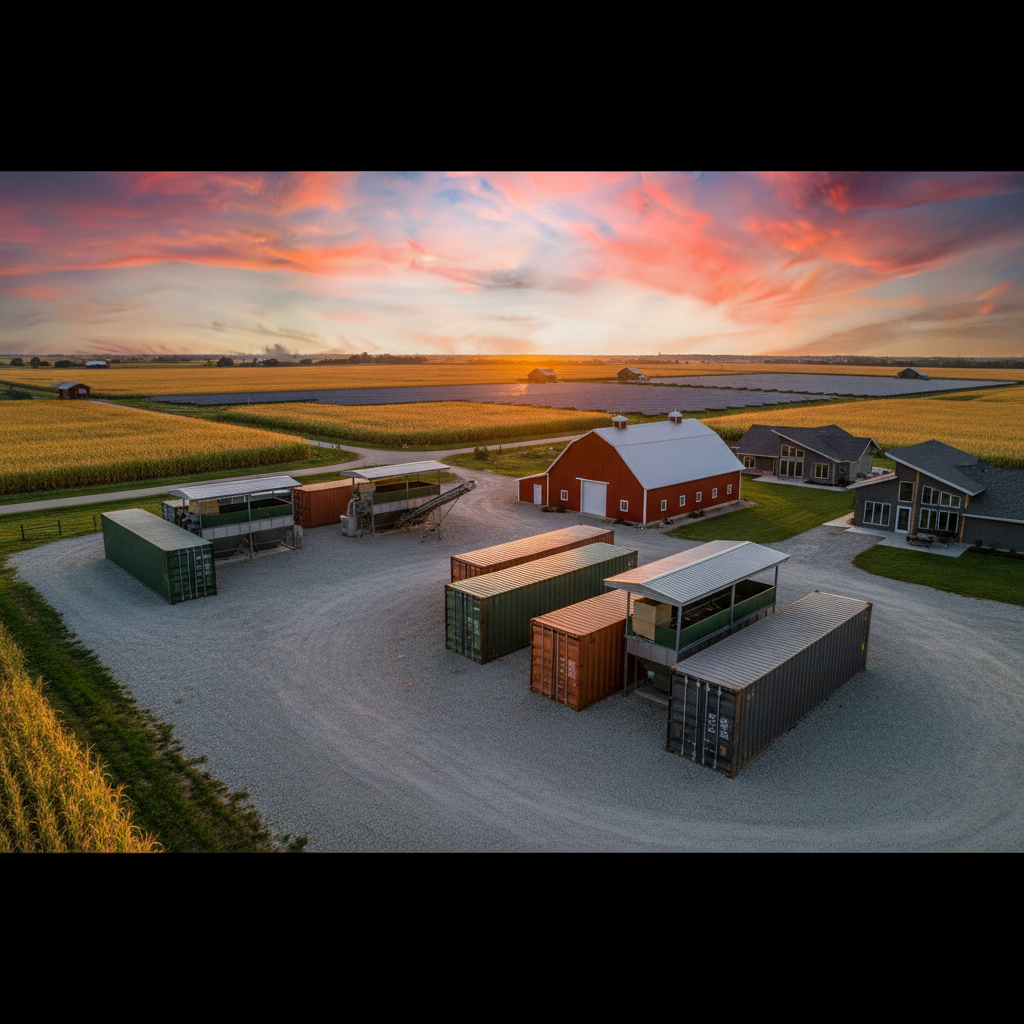
Deciding between an As-Is and a Cargo-Worthy shipping container for your farm? Learn how to evaluate rust, structural integrity, and specific agricultural storage needs.
Understanding Container Grades for Agricultural Use
When expanding storage on a farm, ranch, or homestead, shipping containers offer a secure, weather-resistant, and rodent-proof alternative to traditional wooden sheds or pole barns. However, navigating the terminology of the shipping container industry can be challenging for first-time buyers. Two of the most common classifications you will encounter are "As-Is" and "Cargo-Worthy" (CWO).
Selecting the right grade is not just a matter of price; it directly impacts how well your assets are protected from moisture, pests, and structural degradation over time. Because agricultural applications vary widely—ranging from storing heavy machinery to protecting sensitive animal feed—understanding what these grades actually mean is the first step toward a smart investment.
What is an "As-Is" Shipping Container?
An As-Is container is a retired unit that has been removed from international shipping service. These containers are sold in their current state, with no guarantees regarding cosmetic appearance, structural integrity, or weatherproofing. They often feature significant dents, extensive surface rust, paint peeling, and potential damage to the wooden flooring or door seals.
While some As-Is containers may still be relatively dry and functional, others might have small holes, compromised structural crossmembers, or doors that require significant effort to open and close. They represent the most budget-friendly tier, but they require a careful eye and a willingness to perform DIY repairs.
What is a "Cargo-Worthy" Shipping Container?
To be classified as Cargo-Worthy, a used container must meet the strict structural standards required to be certified for international maritime transport. This means the container's frame, corner castings, floor crossmembers, and walls must be capable of carrying a full payload and withstand the stresses of being stacked on an ocean vessel.
While a Cargo-Worthy container will still show signs of wear—such as minor dents, scratches, and localized surface rust—it is structurally sound, wind and water-tight, and features fully functional doors and gaskets. For farmers who cannot risk moisture intrusion, this classification provides a higher baseline of reliability.
The Critical Rust and Structural Integrity Inspection
Before finalizing any container purchase for your farm, it is essential to understand how to evaluate its physical condition. Rust is the primary enemy of steel storage units, but not all rust is created equal. Knowing the difference between cosmetic blemishes and structural failures will save you from costly mistakes.
Surface Rust vs. Structural Corrosion
Surface rust is common on almost all used steel containers, especially those constructed from Corten steel. Corten steel forms a protective layer of rust that actually slows down deeper corrosion. Surface rust looks like light, flaky brown or orange discoloration and does not compromise the strength of the metal.
In contrast, structural corrosion (often called "scale rust" or "rust-through") is deep, bubbling, or pitting rust that eats completely through the steel paneling. Pay close attention to the bottom rails, the corner posts, and the areas around the door hinges. If you can push a screwdriver through the rust, or if the metal flakes away in thick, heavy chunks, the structural integrity of the container is compromised.
Checking the Roof and Floor
The roof is often the most overlooked part of a container, yet it is the most vulnerable to standing water and subsequent leaks. Look for deep bows or depressions where water can pool. Inside the container, close the doors completely on a bright day and look for any pinpricks of light penetrating the roof or walls. Any visible light indicates a path for rainwater to enter.
The floor of a shipping container is typically made of thick marine-grade plywood supported by steel crossmembers underneath. Inspect the interior floor for soft spots, rotting wood, or dark stains that suggest chemical spills or persistent moisture. Underneath the container, check that the steel crossmembers are straight and firmly welded to the outer frame.
Door Seals and Gaskets
Container doors are heavy and rely on rubber gaskets to keep out rain, wind, and pests. Inspect the black rubber seals around both doors. If the rubber is cracked, dry-rotted, or missing sections, water will inevitably find its way inside. Additionally, check that the locking bars, cams, and keepers align correctly and rotate smoothly. Stiff or bent door hardware can make daily access a frustrating chore.
Evaluating Your Specific Farm Storage Needs
Different agricultural assets require different levels of protection. Matching the container grade to your intended use ensures you do not overspend on features you do not need, nor underspend and risk damaging valuable inventory.
Hay and Feed Storage
Storing hay, grain, or livestock feed requires absolute protection from moisture and pests. Damp conditions in a sealed container can lead to mold, which ruins the feed and can even cause spontaneous combustion in tightly packed hay.
- Recommended Grade: Cargo-Worthy (or higher).
- Key Considerations: Ensure the container is completely wind and water-tight. You will also need to consider adding active or passive ventilation (such as louvered vents) to manage humidity levels inside the steel enclosure.
Tractor, Tool, and Equipment Storage
For storing tractors, ATVs, hand tools, and spare parts, security and basic weather protection are the primary concerns. Minor leaks may not ruin a tractor, but persistent dampness can accelerate rust on expensive tools.
- Recommended Grade: High-quality As-Is (if carefully inspected and patched) or Cargo-Worthy.
- Key Considerations: A Cargo-Worthy container ensures your tools stay dry without immediate maintenance. If choosing an As-Is container to save money, plan to patch any pinholes with silicone or weld steel patches over vulnerable areas.
Fertilizer and Chemical Storage
Fertilizers, pesticides, and other agricultural chemicals must be stored securely to prevent environmental contamination and protect children or livestock.
- Recommended Grade: Cargo-Worthy.
- Key Considerations: The floor must be in excellent condition to prevent any spills from seeping through to the ground below. Proper ventilation is critical to prevent the buildup of hazardous fumes. Always consult local agricultural extension offices regarding specific containment and ventilation regulations for chemical storage.
Key Decision Factors: Cost, Longevity, and Prep Work
Choosing between these two grades ultimately comes down to balancing your upfront budget against the time and money required for long-term maintenance.
Upfront Costs vs. Total Cost of Ownership
While an As-Is container has a lower initial purchase price, it often requires immediate investments in paint, rust converter, roof patches, or door seal replacements to make it usable. A Cargo-Worthy container costs more upfront but typically requires very little immediate maintenance, allowing you to put it to work the day it is delivered.
Site Preparation and Leveling
Regardless of the grade you choose, proper site preparation is vital to extend the life of your container. Placing a container directly on bare, damp soil accelerates rust on the bottom crossmembers.
Create a level foundation using crushed stone, concrete pads, or treated wooden blocks (railroad ties). A level foundation keeps the container off the wet ground and ensures the frame remains square, which keeps the heavy doors swinging smoothly.
Frequently Asked Questions
Can I store hay in an As-Is shipping container? It is generally not recommended to store hay in an As-Is container unless you have thoroughly inspected it and confirmed it has no leaks. Even a tiny pinhole leak can introduce moisture, leading to mold growth and spoiled feed. For hay storage, a certified Cargo-Worthy container equipped with aftermarket ventilation is a much safer choice.
How can I treat rust on a used farm container? For surface rust, wire-brush the loose flakes away, clean the area, and apply a high-quality rust-converting primer. Once dry, coat the area with an exterior-grade acrylic or oil-based paint. Deep, structural rust that has penetrated through the steel will require cutting out the damaged section and welding a new steel patch in its place.
Do shipping containers sweat, and how does that affect farm storage? Yes, steel containers can experience "container sweat" (condensation) when interior and exterior temperatures fluctuate rapidly. This is particularly common in humid climates. To protect sensitive items like feed, seed, or metal tools, you can install simple passive vents, turbine vents, or apply insulation to the interior walls.
How long will a used container last on a farm? A well-maintained Cargo-Worthy container placed on a proper, elevated foundation can easily last 15 to 20 years or more. An As-Is container's lifespan depends heavily on its initial condition and how proactively you manage rust and roof leaks.
Planning Your Purchase with Newport Shipping Containers
Selecting the right shipping container for your agricultural operation requires balancing your budget with your long-term storage goals. While an As-Is container can serve as an excellent, cost-effective shelter for rugged equipment, a Cargo-Worthy container provides the peace of mind needed for feed, seed, and sensitive tools.
Because inventory, wear patterns, and local delivery conditions vary, we encourage you to work closely with our team to find the right fit for your property. Please contact our specialists to confirm specific listing details, current inventory availability, pricing, site access requirements, and delivery logistics tailored to your location.
Ready to explore our current inventory of new and used containers? Visit our online shop to view available sizes and grades, or reach out directly through our contact page to discuss your farm's unique storage needs.
Plan the next step
Confirm the container and the delivery plan.
Browse current listings, then speak with the Newport team to verify the unit, total pricing, site access, and delivery requirements before payment.