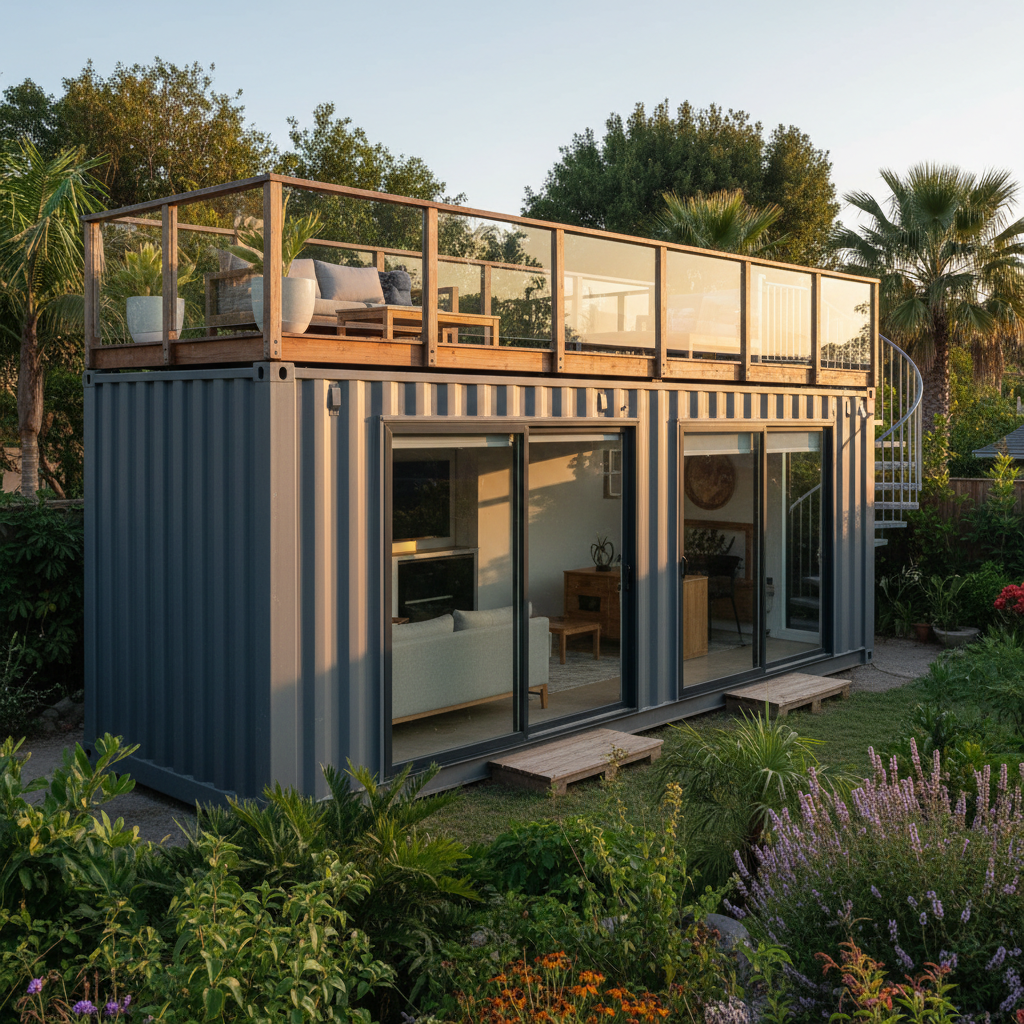
A practical guide to financing a shipping container ADU, covering loan types, grant research, documentation, and questions to ask before you commit.
Building an accessory dwelling unit (ADU) from a shipping container can be an appealing way to add living space, a home office, or a rental unit on your property. But before you pour a foundation or order a container, you need a realistic plan for how you will pay for it. Financing a container ADU is not identical to financing a traditional stick-built home. Lenders, appraisers, and local permitting offices may each treat the project differently, and the details vary by state, county, and even by the specific lender you approach.
This guide walks through the main financing paths people explore, how to prepare a stronger application, and the questions you should ask before you sign anything. It is general information, not financial or legal advice. Always confirm current program rules, rates, and requirements with a qualified lender and your local building authority.
Start With the Project, Not the Loan
Most financing problems begin long before a loan application. They start with an incomplete project plan. Lenders want to see that you know what you are building, where it will sit, and how it will be used. A container ADU that is a detached rental unit is a different risk profile than a personal guest suite or a home gym.
Define the Use Case
Write down how the ADU will be used:
- Primary residence for a family member — may be viewed as lower risk than a rental.
- Long-term rental — lenders may want to see projected rent, but do not invent numbers; use realistic local market research.
- Short-term rental — some lenders and local rules restrict this use, so verify before you borrow.
- Personal use only — no rental income, but also no rental restrictions to navigate.
Confirm Local Rules Early
Zoning, ADU size limits, setback requirements, and utility connections are set locally. A lender may require proof that the project is allowed before releasing funds. Contact your county or city planning department and ask specifically about container structures, ADU allowances, and what inspections will be required. Do not assume that a container ADU is treated the same as a conventional ADU.
Build a Realistic Budget
Your budget should include more than the container itself. Common line items include:
- Container purchase and any modifications
- Site work, foundation, and anchoring
- Utilities (water, sewer or septic, electrical, internet)
- Insulation, framing, windows, doors, and finishes
- Permits, inspections, and professional fees
- Contingency for surprises
A lender will often want to see a line-item budget. Vague estimates weaken an application.
Financing Options to Research
There is no single "container ADU loan." Instead, you will be looking at broader categories of financing. Each has trade-offs in cost, term, and complexity.
Traditional Mortgage or Home Equity Products
If the ADU will be attached to or part of your primary property, some homeowners explore home equity loans, home equity lines of credit (HELOCs), or cash-out refinancing. These can offer competitive rates because they are secured by your home. However, the lender will typically require an appraisal, and the appraiser must be able to value the ADU. Container construction can complicate that valuation. Ask the lender upfront whether they have experience with container or alternative construction.
Construction Loans
A construction loan funds the project in stages as work is completed. These loans are common for ground-up building, but they often require a licensed general contractor, detailed plans, and inspections before each draw. If you plan to do much of the work yourself, a construction loan may not be available. Ask what documentation and contractor requirements apply.
Personal Loans and Unsecured Financing
For smaller projects, an unsecured personal loan may be simpler and faster. The trade-off is usually a higher interest rate and a shorter repayment term. This path may make sense if you are funding a modest conversion and want to avoid lien paperwork, but run the numbers carefully.
Government-Backed Loan Programs
Federal and state programs occasionally offer loan guarantees or direct lending for ADUs, energy improvements, or rural housing. Program availability changes, and not every program accepts container construction. The right move is to contact the agency directly and ask:
- Does the program currently accept ADU projects?
- Does it accept non-traditional construction methods?
- What inspections and certifications are required?
- What are the current income, credit, and property requirements?
Avoid relying on a blog post or social media summary for program rules. Rules change, and a lender or agency representative is the only reliable source for your situation.
Grants and Down Payment Assistance
Grants for ADUs do exist in some places, often administered by state housing agencies, local municipalities, or nonprofit housing organizations. They may target specific goals such as affordable housing, aging-in-place, or workforce housing. Grant funding is usually limited, competitive, and tied to income or use restrictions.
To research grants:
- Start with your state housing finance agency.
- Check your city or county housing department website.
- Ask a local housing counselor about current programs.
- Read the eligibility rules carefully — many grants require the ADU to be rented to income-qualified tenants at controlled rents.
Do not assume a grant will cover your project. Treat any grant as a possibility to investigate, not a guaranteed funding source.
Preparing a Stronger Application
Lenders evaluate risk. The more clearly you can demonstrate a well-planned, permitted, and realistically budgeted project, the smoother the process tends to go.
Documentation Checklist
Gather these items before you apply:
- Site plan showing where the ADU will sit
- Container specifications, including the CSC plate information
- Construction drawings or a clear scope of work
- Contractor bids or a detailed self-build estimate
- Proof of property ownership and any existing liens
- Personal financial statements, tax returns, and proof of income
- Evidence that the project is allowed under local rules
Talk to Multiple Lenders
Different lenders have different appetites. A credit union that holds loans in-house may be more flexible than a large national bank. Ask each lender:
- Have you financed container or alternative-construction ADUs before?
- How will you appraise the completed ADU?
- What inspections or certifications do you require?
- What are the fees, closing costs, and prepayment terms?
Understand the Appraisal Challenge
Appraisers rely on comparable sales. Container ADUs may have few direct comparables in your area, which can make valuation difficult. You can help by providing documentation of your costs, photos of similar projects, and any local data on ADU rental demand. Be prepared for the possibility that the appraised value may not match your total project cost.
Site and Delivery Considerations That Affect Financing
Financing and site planning are connected. A lender may want assurance that the container can actually be delivered and installed.
Access and Placement
Container delivery requires a truck and typically a tilt-bed or roll-off trailer. The site needs adequate access for the vehicle and a safe, level area for placement. Exact clearance and equipment requirements vary by delivery company and site. Confirm these details with the Newport team before you finalize your budget, and ask what site preparation they recommend.
Foundation and Anchoring
Your local building department will specify foundation and anchoring requirements. These can affect cost and timeline, so get them in writing early. A lender may require proof that the foundation plan meets code.
Utilities and Permits
Connecting utilities can be a significant cost. Confirm availability and connection fees with your utility providers. Permits and inspections add both cost and time. Build these into your loan request rather than treating them as an afterthought.
Frequently Asked Questions
Can I use a standard mortgage to finance a container ADU?
Sometimes, but it depends on the lender and how the ADU is classified. If the ADU is part of your primary residence and the lender accepts container construction, a home equity product or refinance may be possible. If it is a separate structure, the lender may treat it differently. Ask each lender directly about their guidelines for container and ADU projects.
Are there grants specifically for container ADUs?
Grant programs are usually written for ADUs generally, not for container ADUs specifically. Some programs may exclude non-traditional construction, while others may allow it. Check with your state housing agency, local housing department, and a HUD-approved housing counselor for current programs and eligibility rules.
How much down payment will I need?
Down payment requirements vary widely by loan type, lender, and your financial profile. There is no single answer. A lender can give you a personalized estimate after reviewing your project and finances.
Do I need a general contractor?
Not always, but many construction loans require one. If you plan to self-build, ask lenders whether they allow owner-builder projects and what documentation they require. Your local building department may also have rules about who can perform certain work.
What if the appraisal comes in low?
A low appraisal can mean you need more cash or a smaller project. To reduce the risk, provide the appraiser with thorough documentation, including your budget, plans, and any evidence of ADU demand in your area. Discuss options with your lender before you commit to a construction schedule.
Next Steps
Financing a container ADU is a process of matching your project plan to the right funding source. Start by clarifying your use case, confirming local rules, and building a detailed budget. Then talk to lenders and housing agencies before you order a container.
When you are ready to explore container options, browse our current inventory at our shop. For questions about specifications, site access, or delivery planning, reach out to the Newport team through our contact page. We can help you understand the container side of the project so you can move forward with clearer expectations.
Plan the next step
Confirm the container and the delivery plan.
Browse current listings, then speak with the Newport team to verify the unit, total pricing, site access, and delivery requirements before payment.