
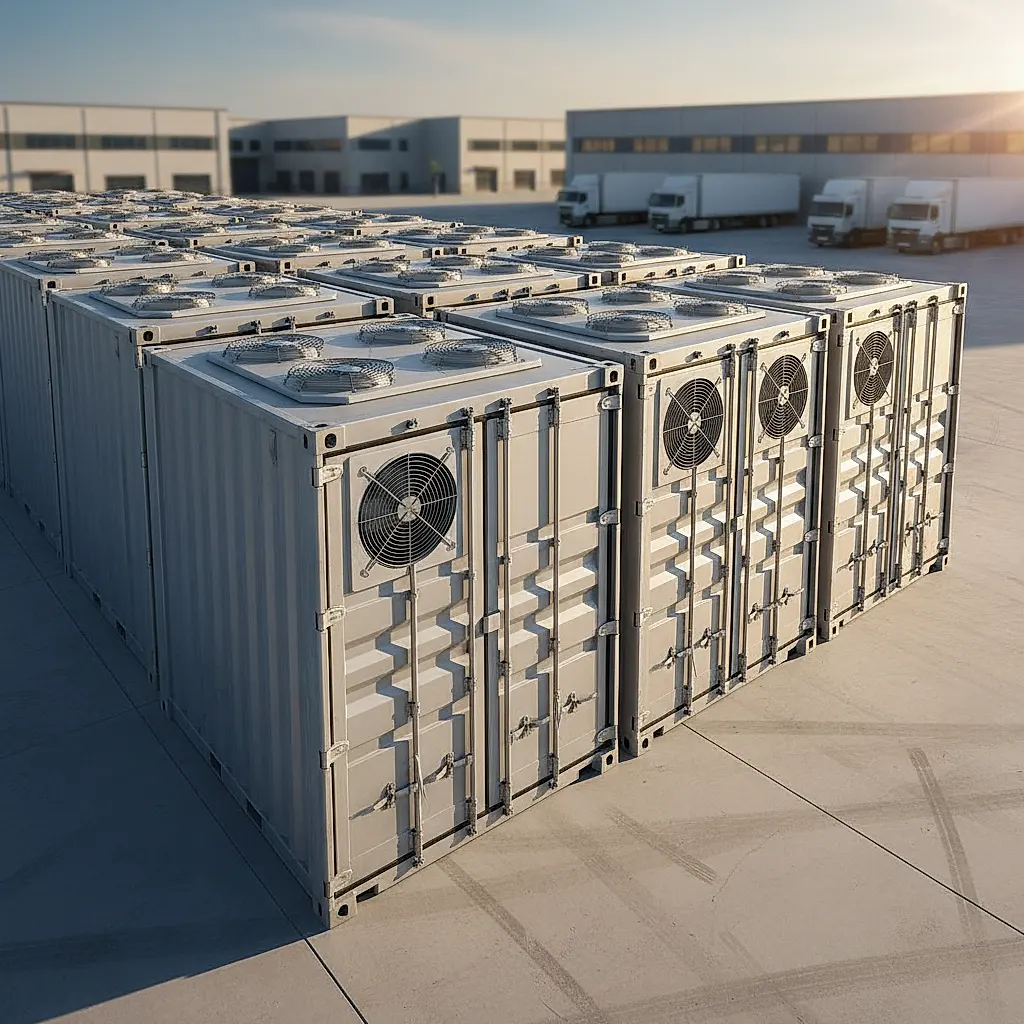
Compare renting and buying a refrigerated shipping container for cold storage. Learn the cost factors, operational trade-offs, and questions to ask before you commit.
Understanding Your Cold Storage Options
When your business needs reliable cold storage, a refrigerated shipping container—often called a freezer container or reefer—can be an attractive alternative to building a permanent cold room or leasing warehouse space. But should you rent or buy? The answer depends on how long you need cold storage, how much control you want, and how your budget handles upfront versus ongoing costs.
This guide walks through the practical differences between renting and purchasing a refrigerated container. It does not quote specific prices, because those vary by unit condition, size, location, and market conditions. Instead, it gives you a framework for asking the right questions and comparing quotes with confidence. For exact specifications, availability, and pricing, always confirm details with the Newport team.
How Refrigerated Containers Work
A refrigerated container is a shipping container fitted with a built-in refrigeration unit. The unit maintains a set temperature range, making the container suitable for produce, pharmaceuticals, floral, seafood, and other temperature-sensitive goods. Standard containers come in nominal lengths such as 20 feet and 40 feet, and in standard or high-cube heights. Exact internal dimensions, temperature capabilities, and power requirements vary by unit, so review the individual listing and the unit's data plate.
Key operational considerations
- Power supply: Reefer units typically require a suitable electrical connection. Confirm voltage, amperage, and plug type with the listing and a qualified electrician.
- Ventilation and airflow: Proper loading practices keep air moving around the cargo. Do not block evaporator airflow.
- Monitoring: Some units support remote monitoring or alarms. Ask what is included.
- Maintenance: Refrigeration systems need periodic service. Clarify who handles repairs under a rental agreement versus a purchase.
- Placement: The unit needs a level, stable surface and adequate clearance for service access. Confirm site requirements with the delivery team.
Rental vs Purchase: The Core Trade-Offs
Renting and buying solve different problems. Renting lowers your upfront commitment and shifts some maintenance responsibility to the lessor. Buying gives you a long-term asset and full control over how the unit is used, modified, and resold.
When renting may make sense
- Your cold storage need is seasonal or tied to a short project.
- You want to test a location or product line before committing capital.
- You prefer predictable monthly operating expenses over a large upfront outlay.
- You do not want to manage long-term maintenance or eventual resale.
When buying may make sense
- You expect to need cold storage for years, not months.
- You want to customize the unit, such as adding shelving, partitions, or monitoring.
- You prefer to own an asset that can be resold or repurposed.
- You have the site, power, and maintenance capacity to support a reefer long term.
Neither option is universally better. The right choice depends on your timeline, cash flow, risk tolerance, and how confident you are about future demand.
Cost Factors to Compare Carefully
Do not compare a rental quote and a purchase quote at face value. They include different things. Build a side-by-side comparison that accounts for the full picture.
For a rental
- Periodic rental fee and minimum rental term
- Delivery and pickup charges
- Fuel or power surcharges, if any
- Damage waiver or security deposit
- Maintenance and repair responsibilities
- Early termination terms
- Any temperature-monitoring or data fees
For a purchase
- Purchase price of the unit
- Delivery and placement
- Electrical connection and any site work
- Initial servicing or inspection
- Ongoing maintenance and repair reserves
- Insurance
- Estimated resale value at the end of your use
Questions that clarify the real cost
- What is included in the quoted rate, and what is billed separately?
- Who pays for repairs, and what is the response time?
- What happens if the unit fails to hold temperature?
- Are there restrictions on how I load or modify the unit?
- What are the terms for extending, terminating, or returning the unit?
Write down the answers. A lower headline number can become the more expensive option once service, delivery, and downtime are included.
Matching Container Size to Your Needs
Container size affects both cost and practicality. A 20-foot unit occupies less ground space and may suit smaller inventories, while a 40-foot unit offers more volume for larger operations. High-cube units add interior height, which can matter for palletized loads.
Do not assume a container size maps neatly to a building, a room count, or a specific business type. Instead, estimate your storage volume from actual pallet counts, box dimensions, and aisle needs. Then confirm the internal dimensions of the specific unit you are considering, because insulation and refrigeration equipment reduce usable space compared with a standard dry container.
A simple sizing exercise
- List the products you need to store and their packaging dimensions.
- Estimate how many pallets or totes you will hold at peak.
- Add space for airflow and access.
- Compare that figure to the usable internal volume in the listing.
- If you are close to the limit, consider the next size up or a second unit.
Site Planning and Power
A refrigerated container is only useful if your site can support it. Before you commit to rent or buy, walk through the practical requirements.
- Ground conditions: The unit needs a firm, level surface. Soft ground can shift over time.
- Access: Delivery equipment needs a clear path. Confirm approach, gate widths, and overhead obstacles with the delivery team.
- Power: Confirm the available electrical service and whether an electrician is needed.
- Clearance: Leave room for door swing, service access to the refrigeration unit, and safe walking areas.
- Drainage: Consider how condensation or runoff will be managed.
- Security: Plan for locks, lighting, and access control.
Local rules vary. Check with your local authority about zoning, permits, and any requirements that apply to your site and use. Do not assume that renting avoids permitting questions or that buying triggers them—requirements depend on your location and how the unit will be used.
Maintenance, Risk, and Downtime
Cold storage failures can be costly. Whether you rent or buy, plan for what happens when the refrigeration unit needs attention.
If you rent
- Clarify the service call process and expected response window.
- Ask whether a backup unit is available during repairs.
- Keep a log of temperature readings and service visits.
If you buy
- Budget for preventive maintenance.
- Identify a qualified refrigeration technician before you need one.
- Consider a temperature alarm or monitoring system.
- Keep spare parts or a contingency plan for critical loads.
Downtime risk is a real cost that does not always appear in a quote. Weigh it alongside the rental rate or purchase price.
Making the Decision: A Step-by-Step Approach
- Define your need. How long do you need cold storage, and how stable is that need?
- Estimate your volume. Use real pallet and packaging data.
- Check your site. Confirm ground, access, power, and local requirements.
- Request quotes. Ask for itemized rental and purchase options.
- Compare total cost of ownership. Include delivery, power, maintenance, insurance, and resale.
- Assess risk. Consider downtime, temperature sensitivity, and service response.
- Confirm details. Verify specifications, availability, and terms with the Newport team before committing.
If your need is short or uncertain, rental often reduces risk. If your need is long and stable, ownership may offer better control and value over time. Many businesses start with a rental and revisit the buy decision once demand patterns are clear.
Frequently Asked Questions
How long should I rent before deciding to buy?
There is no universal timeline. A common approach is to rent through one full seasonal cycle so you can see your peak and off-peak storage needs. If demand stays strong and predictable, run the total cost of ownership comparison again. Confirm rental terms and extension options with the Newport team.
Can I use a refrigerated container for frozen goods and fresh produce?
Refrigerated containers are designed to hold a range of temperature setpoints, but capabilities vary by unit. Review the specific unit's data plate and listing, and confirm the temperature range you need with the Newport team. Also verify that your loading and airflow practices support uniform temperature throughout the container.
What power supply does a refrigerated container need?
Power requirements differ by unit and configuration. Do not assume a standard household outlet is sufficient. Check the listing and data plate, and have a qualified electrician confirm your site's capacity before delivery.
Who handles repairs on a rented unit?
Responsibilities are set by the rental agreement. Some agreements include maintenance and service; others place certain responsibilities on the renter. Read the terms carefully and ask specifically about response times, after-hours service, and what happens if the unit cannot hold temperature.
Do I need a permit for a refrigerated container on my property?
Permit and zoning requirements depend on your location, the duration of placement, and how the unit is used. Check with your local authority. Do not rely on general assumptions about whether renting or buying changes your obligations.
Next Steps
Start by writing down your storage volume, temperature range, timeline, and site details. Then compare itemized rental and purchase options rather than headline numbers. If you are ready to explore units, browse available options at our shop. For questions about specifications, availability, site access, or delivery requirements, contact the Newport team. We will help you confirm the details that matter for your project.
Plan the next step
Confirm the container and the delivery plan.
Browse current listings, then speak with the Newport team to verify the unit, total pricing, site access, and delivery requirements before payment.