
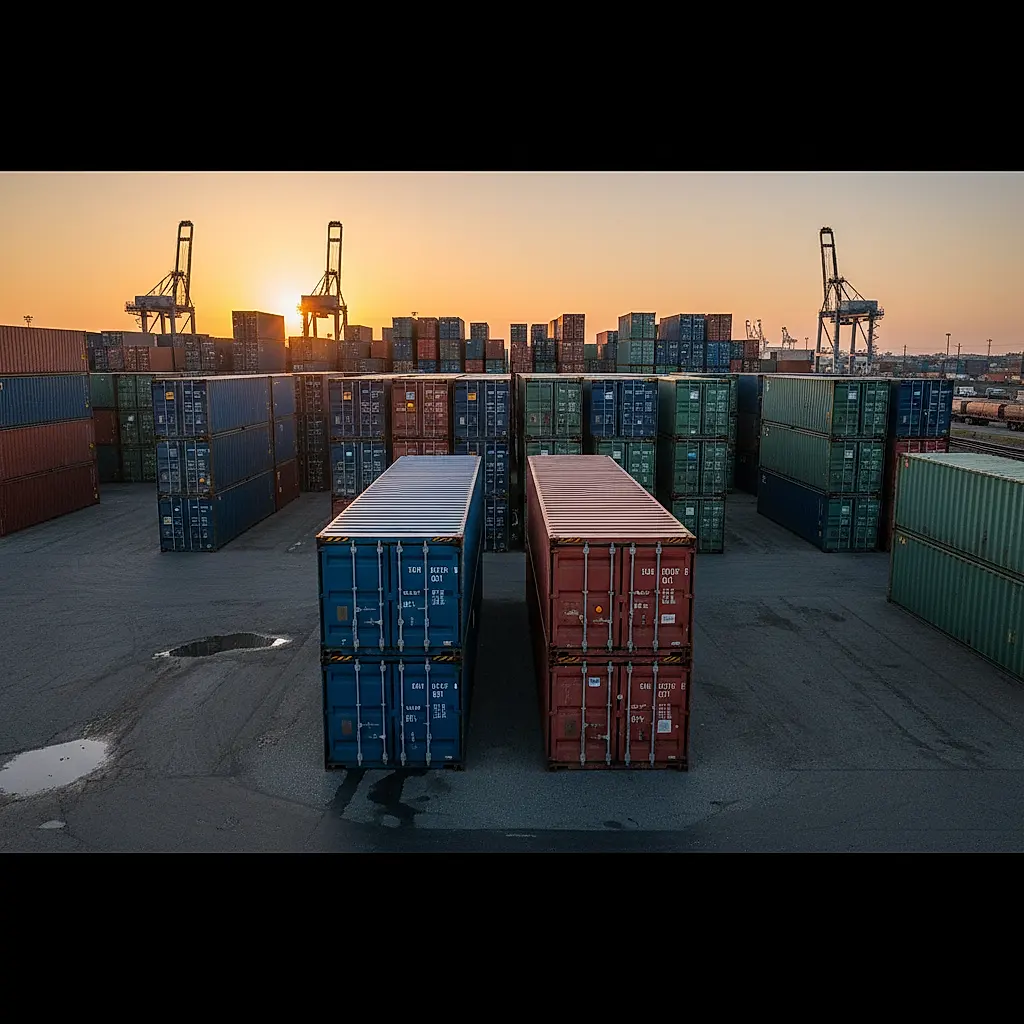
Understand why shipping container grades change price, what condition differences matter for your project, and how to compare listings without guesswork.
Why Grade Matters More Than Any Single Price
When you shop for a shipping container, the first number you see is rarely the whole story. Two containers of the same nominal length can carry very different price tags because grade reflects condition, remaining service life, and cosmetic appearance. For a buyer, the useful question is not “What does a container cost?” but “What condition do I actually need for the job?”
Grades are a shorthand. They describe how much rust, denting, floor wear, and paint fade a container has, and whether it still holds a valid CSC plate for international transport. A container that is perfectly adequate for storage behind a fence may be a poor choice for a visible office conversion. A container that looks rough may still be wind- and water-tight and structurally sound.
Because grades are not standardized across every seller, you should treat any grade label as a starting point for inspection, not a guarantee. Confirm the specific condition notes in the individual listing, and ask the Newport team to walk you through what a given grade means for the unit you are considering. Prices and availability change, so always verify current details before you commit.
The Common Container Grades and What They Usually Mean
Most sellers describe containers using a small set of labels. The exact definitions vary, but the general pattern below will help you ask better questions.
One-trip or new containers
These have made a single cargo voyage, or are effectively new. They typically show minimal rust, original paint, and a clean interior. They are the closest thing to a new container and are often chosen when appearance matters, such as for a visible office, retail space, or a project where the container will be modified.
Cargo-worthy (CW)
Cargo-worthy containers are generally considered suitable for shipping cargo again. They should be wind- and water-tight, structurally sound, and have a valid CSC plate. They may show normal wear, minor dents, and some surface rust, but they are expected to perform in transport. This grade is a common middle ground for buyers who want reliability without paying for near-new cosmetics.
Wind and water tight (WWT)
WWT containers are not intended for international cargo, but they should keep weather out. They often show more dents, rust, and paint fade than cargo-worthy units. For many storage, job-site, and modification projects, WWT is the practical choice. The key is to confirm that doors seal, the roof is sound, and the floor is not soft or delaminated.
As-is or rough grade
As-is containers may have significant rust, holes, damaged doors, or floor problems. They are often sold for scrap, for parts, or for projects where the buyer plans to cut and rebuild. If you need weather protection or structural integrity, as-is is usually not the right starting point unless you have a clear plan and the ability to repair.
Specialized and modified units
Some listings describe containers that have been modified for storage, offices, or other uses. These are not a single grade. Their value depends on the quality of the modification, the condition of the original container, and the materials used. Ask for details about the base container grade before you compare a modified unit to a standard one.
How Condition Differences Translate Into Price
Price differences between grades come from a few practical factors. Understanding them helps you decide where to spend and where to save.
- Remaining service life. A container that can still be used for cargo has passed inspections and retains structural integrity. That utility supports a higher price than a unit that is only weather-tight.
- Cosmetic condition. Paint, straight panels, and clean interiors matter for visible projects. If the container will be painted or clad, you may be able to accept more cosmetic wear.
- Repair history. Patched roofs, replaced floors, and welded door repairs can affect both price and long-term performance. Ask what has been repaired and how.
- Floor condition. A solid, dry floor is important for storage and for any interior build-out. Soft spots, delamination, and chemical stains are common negotiation points.
- Door and seal condition. Doors that seal properly protect your contents. Bent frames, worn gaskets, and damaged locking bars are worth noting.
- Certification status. A current CSC plate matters if the container will move internationally. If it will never leave your site, that certification may be less important to you.
- Local supply and demand. Container availability varies by region and season. A grade that is plentiful near one port may be scarce inland, which affects price independently of condition.
None of these factors can be reduced to a single national price. That is why a grade-based comparison is more useful than a single “average cost” figure. Confirm current pricing and condition notes for each listing with the Newport team.
Matching Grade to Your Actual Project
The best grade is the one that meets your requirements without paying for condition you will never use. Consider these common scenarios.
Temporary or long-term storage
If the container will sit on private property and hold equipment, tools, or household goods, a wind and water tight unit is often sufficient. Focus on door seals, roof integrity, and a dry floor. Cosmetic rust and dents usually do not affect storage performance.
Job-site storage
On an active site, containers face dust, weather, and frequent access. A cargo-worthy or solid WWT unit can make sense. Confirm that doors operate smoothly and that the locking system is functional. Site access and delivery requirements should be confirmed with the delivery team before you buy.
Office, studio, or retail conversion
Visible projects put a premium on straight panels, clean surfaces, and a sound structure. A one-trip or higher-grade container can reduce preparation work. If you plan to cut openings, add insulation, or run utilities, discuss your plans with a qualified contractor and confirm the container’s condition before modifying it.
Modification and fabrication
If you are cutting, welding, or combining containers, the base structure matters more than paint. A structurally sound cargo-worthy unit may be a better value than a cosmetically perfect one. Have a qualified professional assess any container before structural modifications.
Scrap, parts, or non-structural uses
As-is containers can work for scrap, parts, or non-structural barriers. Be clear about your intent, and inspect for hazards such as sharp edges, weak floors, or unstable doors.
What to Inspect and What to Ask Before You Buy
A grade label is a summary, not an inspection. Use this checklist to compare units on equal terms.
- Roof: Look for rust-through, patched areas, and standing water. A roof that leaks will affect everything below it.
- Floor: Check for soft spots, delamination, and moisture. A dry, solid floor is a good sign.
- Doors: Open and close them. Check gaskets, locking bars, and hinges. Doors should seal without excessive force.
- Walls and frame: Look for deep dents, bends, and rust that has thinned the steel. Surface rust is common; perforation is not.
- Understructure: Inspect the bottom rails and cross members for heavy corrosion.
- CSC plate: If international transport matters, confirm the plate is present and valid. If it does not matter, note that in your decision.
- Modifications: Ask what has been changed, when, and by whom. Request details in writing when possible.
- Listing details: Confirm the exact dimensions, grade, and included features in the individual listing. Nominal length, width, and height are approximate, and high-cube units differ from standard height.
- Delivery and site access: Confirm access, surface conditions, and any equipment requirements with the delivery team. Do not assume a particular truck or placement method.
- Local requirements: Check with your local authority about permits, setbacks, and any rules that apply to your intended use. Requirements vary by location and project.
If you are unsure about any item, ask before you buy. It is easier to resolve questions early than after delivery.
How to Compare Listings Without Getting Lost
When you compare containers, put the grade and condition notes side by side rather than comparing only the headline price.
- List the must-haves for your project. Weather-tightness, a solid floor, and functional doors are common priorities.
- Note the grade and what it implies. Ask whether the grade is based on a formal inspection or a visual assessment.
- Check the dimensions you actually need. Confirm the listing’s stated length, width, and height, and whether it is standard or high cube.
- Ask about delivery. Confirm access, surface, and scheduling details with the Newport team.
- Factor in preparation costs. Painting, repairs, or modifications can change the total cost of ownership.
- Confirm current pricing and availability. Prices and stock change, so verify before you decide.
This approach keeps the decision grounded in your project rather than in a generic price ranking.
Frequently Asked Questions
Does a higher grade always mean a better value?
Not necessarily. A higher grade means better condition, but value depends on your use. If you need basic weather protection for storage, a wind and water tight container may meet your needs at a lower cost. If appearance and long service life matter, a higher grade can be worth the difference. Match the grade to the job.
Can I use a wind and water tight container for an office conversion?
You can, but the condition of the base container matters. A WWT unit may need more preparation, repair, and finishing than a one-trip or cargo-worthy container. Have a qualified contractor assess the structure and plan before you modify it, and confirm the container’s condition with the seller.
What is a CSC plate, and do I need one?
A CSC plate indicates that a container meets international safety requirements for transport. If you plan to ship the container internationally, you will want to confirm the plate is present and valid. If the container will stay on your site, that certification may be less relevant to your decision. Ask the Newport team for the specific details of the unit you are considering.
Are container prices the same everywhere?
No. Pricing reflects grade, condition, local supply, transportation, and other factors. A grade that is common in one region may be scarce in another. Because prices and availability change, confirm current details for the specific listing rather than relying on a general figure.
How do I know if a container will fit my site?
Check the nominal dimensions in the listing, then measure your access route, turning space, and placement area. Confirm site access and delivery requirements with the delivery team. If you are unsure, ask before you buy so any access issues can be addressed early.
Next Steps for a Confident Purchase
Start by defining what your project actually requires: weather protection, appearance, structural strength, or a base for modification. Then compare grades against those requirements rather than against a single price. Review current listings at /shop to see the grades and condition notes available, and reach out at /contact with your project details, site access questions, and delivery timing. The Newport team can help you confirm listing specifics, availability, and pricing so you can choose a container that fits your plan.
Plan the next step
Confirm the container and the delivery plan.
Browse current listings, then speak with the Newport team to verify the unit, total pricing, site access, and delivery requirements before payment.