
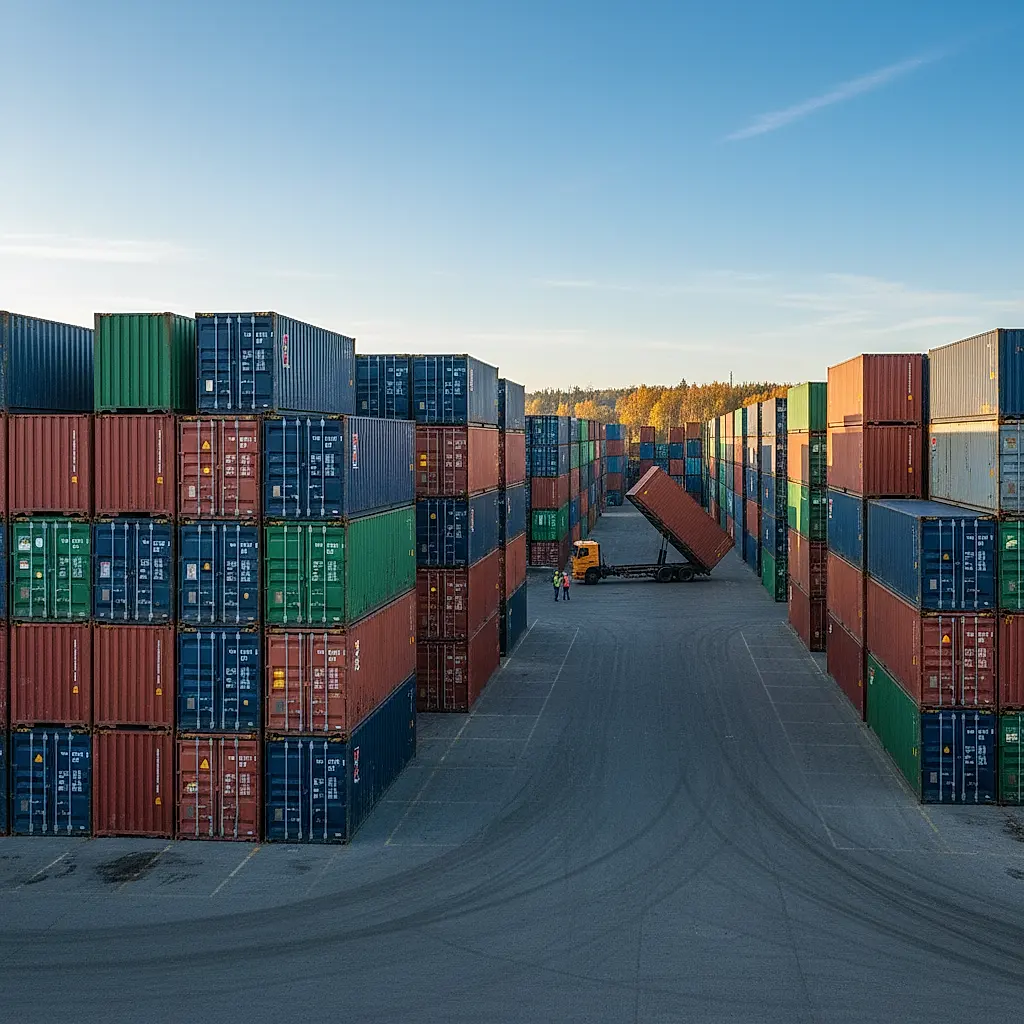
A practical guide to understanding why shipping container prices differ by size, condition, and delivery factors—without guessing at numbers.
Shipping container prices are not one-size-fits-all. Two containers that look similar from the road can carry very different price tags depending on their dimensions, condition grade, and where they need to go. This guide explains the variables that matter so you can ask better questions, compare listings fairly, and plan a purchase that fits your project and budget.
Why Shipping Container Cost Varies So Much
A container is a manufactured steel asset with a global history. Its price reflects supply, demand, condition, location, and the cost of moving it. No single number applies to every unit, and any responsible seller will tell you that the only accurate price is the one tied to a specific container at a specific time.
Size and dimensions
Containers are commonly described by nominal length: 10-foot, 20-foot, and 40-foot units are the most familiar. Width is generally standardized across common intermodal containers, and height comes in two broad categories: standard height and high cube. High cube units offer additional interior height, which can matter for storage, conversion, or equipment clearance.
These are nominal descriptions, not exact measurements. Actual dimensions, door openings, and interior clearances can vary by manufacturer and unit. Always check the individual listing and the container's CSC plate for the specifications that apply to that specific box.
Condition grades
Condition is one of the biggest drivers of price. Sellers use different terms, but buyers generally encounter a few broad categories:
- One-trip or new condition: A container that has seen little or no cargo service. It typically shows minimal wear, though even new units can have minor cosmetic marks from handling and transport.
- Cargo-worthy or wind-and-watertight: A used container that is still suitable for shipping cargo. It should be structurally sound and weather-resistant.
- Standard used: A serviceable container with cosmetic wear, surface rust, or minor dents. Suitable for many storage and modification projects.
- As-is or project grade: A container with known issues, sold with limited expectations. Often used for cut-down projects, temporary storage, or non-critical applications.
Grade definitions are not universal. Ask what a specific grade means for the unit you are considering, and request photos or an inspection when the details matter to your project.
Location and logistics
Where a container sits affects its price. Containers near ports and rail hubs may be more available, while inland locations can involve additional transport. Delivery distance, site access, and the equipment needed to place the container all influence the final cost. These are quote-by-quote variables, not fixed add-ons.
Size Considerations: 10-Foot, 20-Foot, and 40-Foot Containers
Size affects price in two ways: the container itself and the cost to move it. Larger containers use more steel and take up more space on a truck or chassis, which can influence both the unit price and the delivery quote.
What to think about before choosing a size
- What will you store or build inside? Measure your largest items, including door clearance, not just floor area.
- How much space do you have? Consider the container footprint plus room for the delivery truck and any equipment needed to set it down.
- Will you modify it? Conversions can change structural needs. Discuss your plans with the seller before buying.
- Do you need to move it later? Relocating a container involves its own logistics and cost.
Avoid assuming that a given container size maps neatly onto a room count or a permit outcome. Those depend on your local rules and your specific design, not on the container label alone.
High cube versus standard height
High cube containers provide more interior height, which can be useful for tall equipment, shelving, or certain conversion layouts. The trade-off can include slightly different transport considerations. Confirm the exact height and any site constraints with the seller and your delivery contact.
Condition and Pricing: What Buyers Should Compare
When you compare quotes, compare like with like. A low price on a heavily worn unit is not the same as a low price on a one-trip container. Ask for the condition grade in writing and, where possible, photos of the actual unit.
Questions that clarify condition
- Is the unit wind-and-watertight?
- Are there visible dents, rust, or repairs?
- Has the floor been inspected for soft spots or delamination?
- Are the doors and seals functional?
- Is the CSC plate present and legible?
What condition means for your use case
A container used for secure on-site storage may not need to be one-trip. A container used for a customer-facing conversion may justify a higher grade for appearance and structural consistency. A container used for a temporary or non-critical purpose may be fine in as-is condition. Match the grade to the job rather than defaulting to the cheapest or most expensive option.
Delivery and Site Planning Costs
Delivery is often the least predictable part of a container purchase. It depends on distance, access, equipment, and scheduling. Rather than guessing, gather the details your delivery team needs.
Information to have ready
- The delivery address and any gate or entry restrictions
- Surface type and slope where the container will sit
- Overhead obstacles such as wires, branches, or awnings
- Available turning radius for a truck and trailer
- Whether the container will be placed on the ground, blocks, or a prepared pad
- Any HOA, municipal, or property rules that apply
Do not assume that a particular container size automatically requires specific extra equipment. The right equipment depends on the site and the unit, and your delivery team can confirm what is needed.
Preparing the site
A level, firm surface helps the container sit correctly and supports door operation. Some buyers place containers on compacted gravel, concrete, or timber cribbing. Others set them directly on prepared ground. Discuss your plan with the delivery team so they can advise on placement and any access concerns.
How to Compare Quotes Without Getting Misled
A useful quote is specific. It names the container, its condition, its location, and the delivery terms. If a quote is vague, ask for clarification before you commit.
A simple comparison checklist
- Container size and height category
- Condition grade and what it includes
- Whether photos show the actual unit
- Delivery included or quoted separately
- Site access requirements and any known limitations
- What happens if the container cannot be placed as planned
- Payment terms and scheduling expectations
Be cautious of any quote that promises a specific price far in advance without confirming availability. Container markets move, and inventory changes. The most reliable approach is to confirm current details with the seller when you are ready to buy.
Frequently Asked Questions
Does a bigger container always cost more?
Not always in a simple linear way, but size is a major factor. Larger containers use more material and can cost more to transport. The only way to know the price for a specific size is to check the current listing or ask for a quote, because availability and condition also affect the number.
Is a one-trip container worth the extra cost?
It depends on your project. If appearance, structural consistency, or a longer service life matters, a one-trip or newer container may be a better fit. If you need basic storage and can accept cosmetic wear, a used container may meet your needs. Compare the specific units, not just the labels.
Can I buy a container without seeing it in person?
Many buyers do. Ask for current photos, the condition grade, and any known issues. If you cannot inspect in person, consider whether the seller offers enough detail for you to make an informed decision. Confirm the listing details and availability directly with the Newport team.
What should I confirm before delivery day?
Confirm the delivery address, site access, surface conditions, overhead clearance, and placement plan. Ask whether any permits or property approvals are required in your area. Your delivery team and local authority are the right sources for those answers.
Do container prices include delivery?
Sometimes delivery is included and sometimes it is quoted separately. It varies by seller, distance, and site. Always ask what the quote covers and whether any access limitations could change the price.
Next Steps for Your Container Purchase
Start by defining your use case, then match it to a size and condition grade. Review current listings to see what is available, and reach out with your site details so the team can help you plan delivery. Confirm listing details, availability, pricing, site access, and delivery requirements with the Newport team before you buy.
- Browse current options on the shop page.
- Share your project details and site information through the contact page.
A few minutes of preparation can save time and prevent surprises. The more specific you are about your needs, the easier it is to get an accurate quote and a smooth delivery.
Plan the next step
Confirm the container and the delivery plan.
Browse current listings, then speak with the Newport team to verify the unit, total pricing, site access, and delivery requirements before payment.