
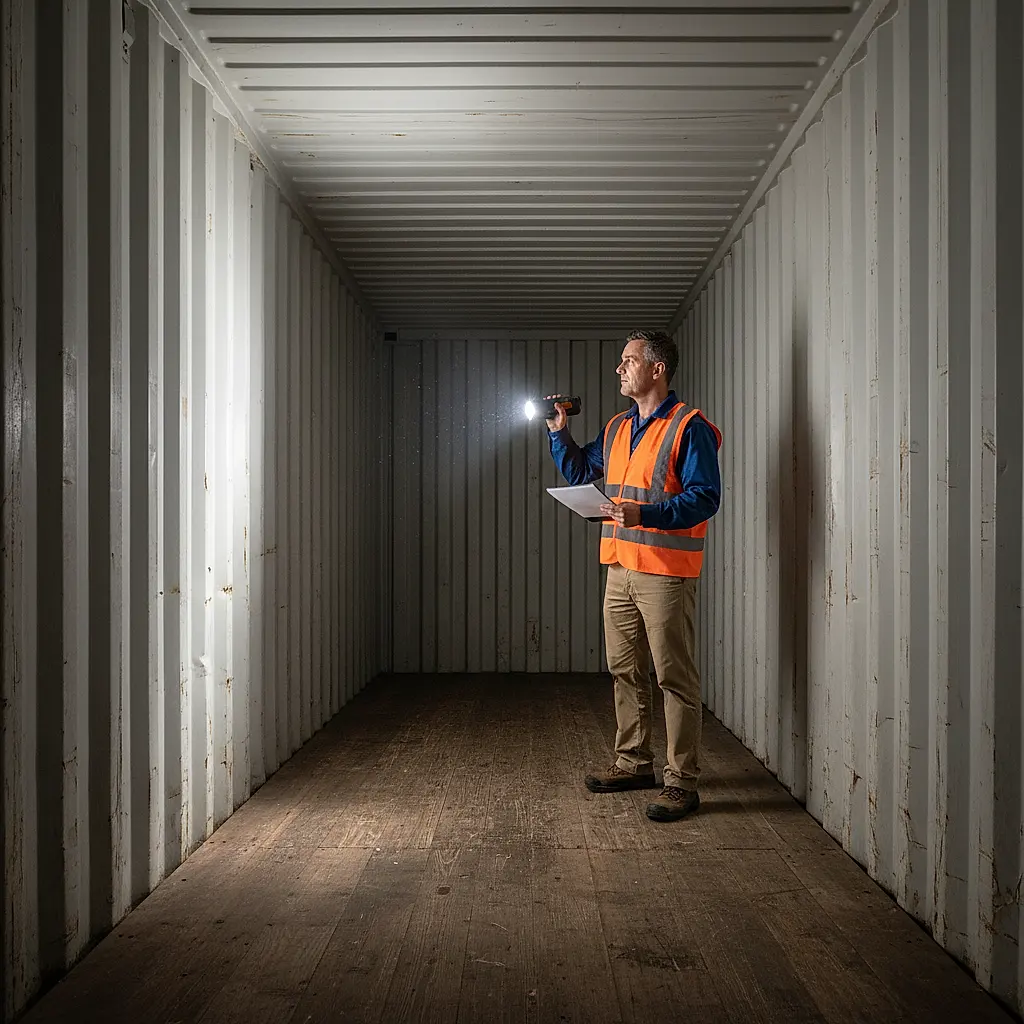
A practical, no-hype guide to checking a used shipping container for structural damage, rust, and wind-and-watertight condition before you commit to a purchase.
Buying a used shipping container can be a smart, budget-friendly way to gain secure storage or a durable shell for a project. But condition varies widely, and two containers that look similar in photos can be very different up close. This guide walks you through a practical inspection routine so you can ask better questions, spot red flags, and make a confident decision. It focuses on what you can observe and verify yourself, and it flags the points where you should confirm details with the seller or a qualified inspector.
Start With the Listing and the Paper Trail
Before you travel to see a container, gather information. A careful seller will share clear photos and answer questions about how the container was used and stored.
Questions to ask before you inspect
- What was the container used for, and was it stored on gravel, pavement, or bare ground?
- Has it been modified, repaired, or repainted? Ask for details and photos of any repairs.
- Is the CSC plate still attached and legible? The plate can help confirm the container's identity and inspection history.
- Are the doors easy to open and close, or does the listing note any issues?
- What are the exact nominal dimensions and height? Standard and high-cube heights differ, and the listing should state which one applies.
Treat the CSC plate as a starting point, not a guarantee. It records information at a point in time and does not replace your own inspection. If a seller cannot or will not provide basic information, that is useful information in itself.
What "wind and watertight" really means
Wind and watertight is a common description for used containers that keep out rain and drafts under normal conditions. It is not the same as "new" or "structurally perfect." Ask the seller to define what they mean by the term, and plan to test it yourself rather than relying on the label alone.
Inspect the Structure: Frame, Corner Castings, and Panels
Structural integrity matters most. Cosmetic wear is usually tolerable; bent frames and damaged corner castings are not.
Corner castings and the frame
Corner castings are the heavy blocks at each corner. They carry loads and connect to lifting equipment. Look for:
- Cracks, deep gouges, or deformation in the castings.
- Rust that has eaten into the metal rather than surface discoloration.
- Bent or twisted top and bottom rails.
- Separation where the frame meets the side or end panels.
A container that has been dropped or overloaded may show frame distortion. If the frame is out of square, doors may not seal properly and stacking or lifting may be affected. When in doubt, ask a qualified inspector to assess it.
Side and end panels
Run your eyes along each panel from one end to the other. Look for:
- Dents, especially deep ones that pull the panel away from the frame.
- Punctures or holes, including small ones that could let water in.
- Waviness that suggests impact damage.
- Repairs that look like patches or welded plates.
Minor dents are common on used containers and often do not affect function. Deep dents near the frame or around the door opening deserve closer attention.
The floor
Inside, check the floor for soft spots, delamination, and rot. Wooden floors can absorb moisture over time. Walk the full length and press down in several places. Look for:
- Staining that suggests long-term moisture exposure.
- Boards that flex or feel spongy.
- Gaps between boards or at the edges.
- Debris or residue from previous cargo.
If the floor is compromised, repairs may be possible, but factor that into your decision and ask what the seller recommends.
Assess Rust and Corrosion Honestly
Rust is the most common condition issue on used containers, and it is also the easiest to misread. Surface rust and structural rust are different problems.
Surface rust versus deep corrosion
Surface rust is a thin, reddish-brown layer on the metal. It is often cosmetic and can be treated. Deep corrosion is pitted, flaky, or has eaten through the steel. Look for:
- Flaking metal that comes away when touched.
- Pitting that looks like small craters.
- Rust bleeding from seams, welds, and the underside of the container.
- Rust around the door hinges, locking bars, and gaskets.
Pay special attention to the bottom rails and the underside, where moisture lingers. If you cannot safely inspect the underside, ask the seller for photos or arrange a professional inspection.
Doors, hinges, and gaskets
Doors are a high-wear area. Open and close them yourself if it is safe to do so. Check:
- Hinges for play, rust, or missing pins.
- Locking bars for smooth movement and secure engagement.
- Door gaskets for cracks, compression, or gaps.
- The door opening for alignment and ease of closing.
A door that binds or will not seal properly can let water and pests in. Sometimes adjustment or gasket replacement solves it; sometimes it signals a deeper frame issue.
Run Your Own Wind and Watertight Checks
A visual inspection is a good start, but a few simple checks can reveal problems that photos hide. Ask permission before doing any test, and follow site safety rules.
Light and draft test
Stand inside with the doors closed and look for daylight around the door edges, seams, and corners. A small amount of light may be normal, but visible gaps are worth noting. On a sunny day, look for light coming through the roof and walls.
Water test
If the seller allows it, a gentle spray from a hose around the doors, roof seams, and corners can reveal leaks. Avoid high-pressure spraying, which can force water where it would not normally go. Watch for drips inside, especially near the door gaskets and roof seams. If a water test is not possible, ask the seller how they have assessed watertightness.
Roof and top rails
Inspect the roof for dents, standing water, and rust. A roof that holds water may have low spots that can lead to leaks over time. Check the top rails and the area around any vents or openings.
What to record
Take photos and notes as you go. Note the location and severity of any damage, and ask the seller to confirm anything you are unsure about. A written record helps you compare containers and avoid relying on memory.
Know When to Walk Away or Ask for Help
Not every flaw is a dealbreaker, but some are. Use these guidelines to decide when to pause.
Likely dealbreakers
- Cracked or deformed corner castings.
- A frame that is visibly twisted or out of square.
- Holes or punctures that go through the wall or roof.
- A floor with widespread rot or soft spots.
- Doors that cannot be made to seal.
Situations that call for an expert
If you are buying for a structural project, if the container will be modified, or if you simply are not comfortable judging condition, hire a qualified inspector. They can assess things you cannot easily see, such as the underside and hidden frame areas. Ask the seller whether an inspection can be arranged before purchase.
Match condition to your plans
A container used for basic storage has different requirements than one used as a workshop or living space. Be honest about what you need. If you plan to cut openings or add insulation, start with a container that is structurally sound, then confirm modification details with qualified professionals and local authorities.
Frequently Asked Questions
How can I tell if a used container is wind and watertight?
Look for daylight around doors and seams, check gaskets and hinges, and inspect for rust and dents that could let water in. A gentle water test, if the seller permits it, can reveal leaks. Because conditions vary, confirm the seller's definition of wind and watertight and consider a professional inspection for important projects.
Is surface rust a problem on a used shipping container?
Surface rust is common and often cosmetic, but deep, flaky, or pitted corrosion can affect the steel. Focus on whether the rust is surface-level or has eaten into the metal, especially around the bottom rails, doors, and seams. If you are unsure, ask an inspector.
Should I buy a container with dents?
Minor dents are normal on used containers and often do not affect function. Be more cautious with deep dents near the frame or door opening, punctures, or dents that distort the structure. Ask the seller for details and consider how the container will be used.
What is the CSC plate, and does it guarantee condition?
The CSC plate is a safety approval plate that can help identify a container and its inspection history. It does not guarantee current condition. Always inspect the container yourself or have it inspected, and confirm details with the seller.
Can I inspect a container if I cannot visit in person?
Some sellers provide detailed photos and video, but remote inspection has limits. Ask specific questions, request close-ups of problem areas, and consider hiring a local inspector. If you cannot verify condition, factor that uncertainty into your decision.
Next Steps: Confirm Details and Choose With Confidence
A used container can serve you well for years when you buy the right one for your needs. Use the inspection steps above, ask direct questions, and do not rush. When you are ready to compare options, browse current listings at our shop and review the details for each container. If you have questions about condition, dimensions, or what to expect, reach out through our contact page. The Newport team can help you confirm listing details, availability, pricing, site access, and delivery requirements so you can make a practical, informed choice.
Plan the next step
Confirm the container and the delivery plan.
Browse current listings, then speak with the Newport team to verify the unit, total pricing, site access, and delivery requirements before payment.