
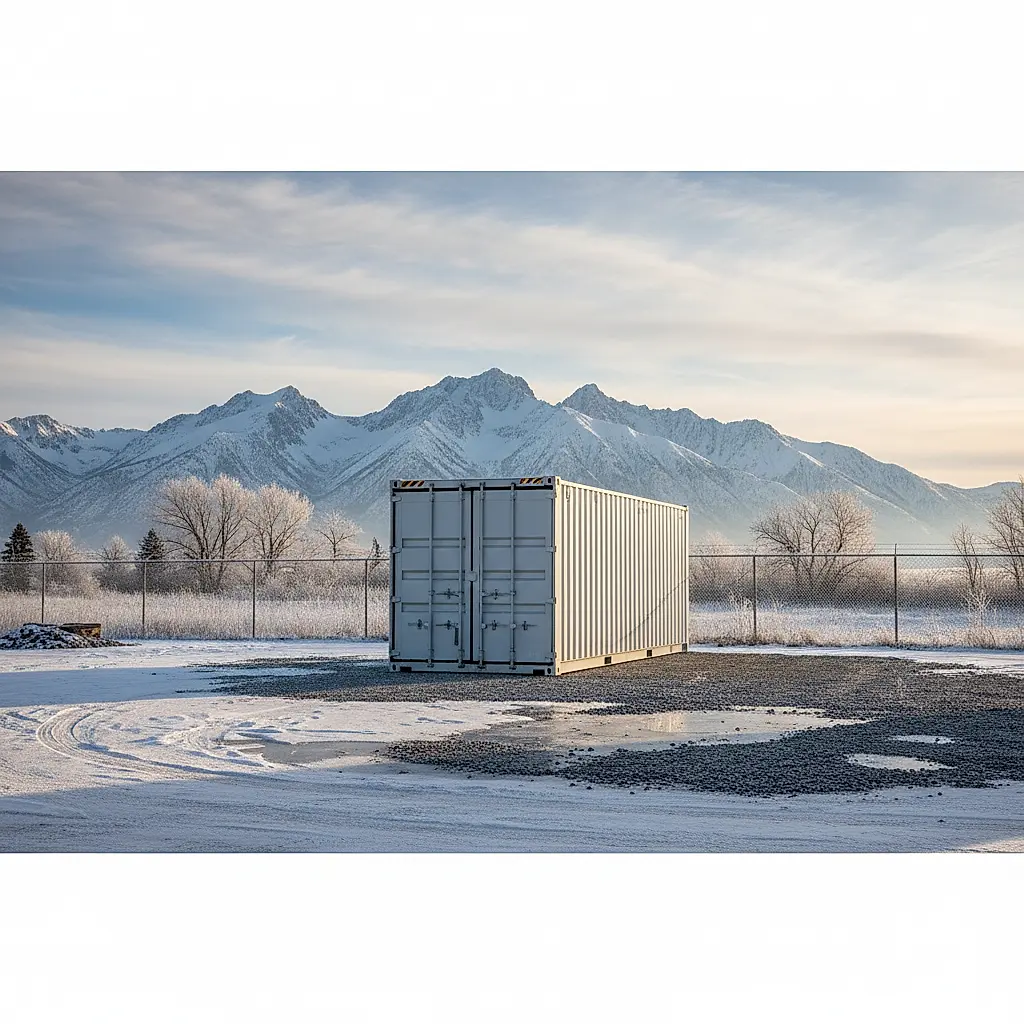
Learn how to protect your valuable inventory and equipment from freezing temperatures and moisture damage this winter using insulated 20ft and 40ft shipping containers.
As winter approaches, protecting temperature-sensitive inventory, equipment, tools, and personal belongings becomes a top priority for businesses and homeowners alike. While standard steel shipping containers are incredibly durable and weather-resistant, their metal walls readily transfer exterior temperatures. Without adequate protection, sub-freezing winter weather can lead to freezing temperatures inside the unit and destructive condensation, often referred to as "container rain."
Investing in an insulated shipping container is one of the most effective ways to safeguard your assets during the coldest months of the year. However, understanding the costs, insulation types, and preparation steps is essential to making an informed decision.
Before finalizing your plans, we encourage you to contact the team at Newport Shipping Containers LLC to confirm listing details, current inventory availability, pricing, site access, and delivery requirements for your specific location.
Understanding the Threat: Freezing and Moisture in Winter Storage
Storing items in an uninsulated container during winter exposes them to two primary threats: extreme cold and moisture. Understanding how these factors interact will help you choose the right level of insulation for your storage needs.
The Freeze-Thaw Cycle
Many stored items can survive a consistent cold spell but are ruined by repeated freezing and thawing. Temperature-sensitive goods—such as liquids, paints, adhesives, electronics, chemicals, and certain agricultural products—can expand, crack, or undergo irreversible chemical separation when exposed to freezing temperatures.
Condensation and "Container Rain"
Condensation is the silent enemy of winter storage. When the temperature outside drops rapidly at night, the steel walls of the container cool down quickly. If the air inside the container contains moisture, that moisture condenses on the cold steel ceiling and walls. Eventually, it pools and drips down onto your stored items like rain. This process can lead to rust, mold, mildew, and ruined packaging. Insulation prevents this by keeping the interior surface temperature of the walls closer to the interior air temperature, stopping condensation before it starts.
Types of Insulation for Shipping Containers
There are several ways to insulate a shipping container for winter storage. The best option for your project depends on your budget, whether you plan to do the work yourself, and how sensitive your stored goods are to temperature fluctuations.
Non-Operational Reefers (NORs)
Non-operational refrigerated containers (reefers) are highly popular for winter storage. These units were originally built to transport perishable goods across the ocean but have had their cooling machinery decommissioned.
- Construction: They feature factory-installed, food-grade stainless steel or aluminum interior walls with a thick, seamless polyurethane foam core.
- Pros: They offer exceptional, commercial-grade insulation values, a clean interior, and excellent vapor barrier protection without any extra labor on your part.
- Cons: Because of the thick walls, the interior width is slightly narrower than a standard dry container, and they generally carry a higher upfront cost than basic dry vans.
Retrofitted Spray Foam Insulation
Closed-cell spray foam is widely considered the gold standard for retrofitting a standard dry shipping container.
- Application: It is sprayed directly onto the steel walls and ceiling, expanding to fill every crevice.
- Pros: It creates a seamless, airtight vapor barrier that completely eliminates the risk of condensation forming behind the insulation. It also adds structural rigidity to the container.
- Cons: It requires professional application or specialized DIY kits, making it one of the more expensive retrofitting options.
Rigid Foam Board Insulation
Rigid foam boards (such as expanded or extruded polystyrene) are a highly practical and cost-effective option for DIY builders.
- Application: Boards are cut to size and fitted between wood or metal framing studs attached to the container walls.
- Pros: Relatively inexpensive, easy to install with basic hand tools, and provides a clean, flat surface if you choose to install interior paneling.
- Cons: If not sealed properly at the seams with specialized tape or spray foam, moisture can slip behind the boards and cause hidden condensation against the steel walls.
Batt and Roll Insulation
Traditional fiberglass or mineral wool batt insulation is sometimes used to insulate containers, but it requires careful planning.
- Application: Installed within a framed wall cavity and covered with a heavy-duty vapor barrier and drywall or plywood.
- Pros: Low material cost and familiar installation process for general contractors.
- Cons: If the vapor barrier is punctured or improperly sealed, fiberglass can absorb moisture, leading to mold growth and a complete loss of insulating properties.
Cost Factors for Insulated Winter Storage
The total cost of acquiring and maintaining an insulated container for winter storage depends on several variables. Because market conditions, steel prices, and material availability fluctuate, it is always best to discuss your project details directly with an expert.
Container Size: 20ft vs. 40ft
The size of the container is the primary driver of material costs. A 40-foot container has double the volume and significantly more wall and ceiling surface area than a 20-foot container, which directly increases the volume of insulation material and labor required.
Upfront Purchase vs. Retrofitting Costs
Buying a pre-insulated unit, such as a non-operational reefer, requires a higher initial investment but saves you the time, labor, and material costs of a DIY project. Conversely, buying a standard used or one-trip dry container and insulating it yourself allows you to spread the costs out over time, though you must factor in the price of lumber, insulation materials, fasteners, and vapor barriers.
Delivery and Site Preparation
Insulated containers, particularly reefers with thick steel and aluminum linings, can be significantly heavier than standard dry containers. This extra weight may require sturdier site preparation, such as concrete footings or a well-compacted gravel pad, to prevent settling during winter thaws. Additionally, delivery costs vary based on your distance from the depot and the accessibility of your site.
Comparing 20ft and 40ft Insulated Units
To help you decide which size fits your winter storage project, consider the following comparisons:
- 20-Foot Insulated Containers: Ideal for tight spaces, residential driveways, small construction sites, and moderate storage needs. They are easier to maneuver during delivery and require less energy to heat if you choose to install an active climate control system.
- 40-Foot Insulated Containers: Best suited for large commercial inventories, seasonal agricultural storage, and heavy equipment. While they require a larger footprint and a more accessible delivery site, they offer a lower cost per square foot of storage space.
Practical Steps to Prep Your Container for Winter
Even with high-quality insulation, proper preparation is key to ensuring your items remain safe all winter long. Use this checklist to get your container ready for freezing weather:
- Inspect the Door Gaskets: Cold air and moisture can easily seep through worn or cracked door seals. Inspect the rubber gaskets around the doors and replace them if they are damaged.
- Elevate Your Container: Ensure your container is resting on blocks, railroad ties, or a gravel pad. Keeping the bottom of the container off the wet, frozen ground helps prevent rust and keeps the floor warmer.
- Manage Interior Humidity: Avoid storing wet or damp items inside the container. If you must open the container during snow or rain, use moisture-absorbing desiccant bags or a dehumidifier to remove any moisture that enters.
- Consider Passive Ventilation: If you are retrofitting insulation, ensure your container still has adequate ventilation to allow air pressure to equalize without letting in rain or snow.
Frequently Asked Questions
Do I need a heater if my shipping container is insulated?
Insulation does not generate heat; it only slows down the transfer of heat between the inside and outside of the container. If you are storing items that must be kept well above freezing in extremely cold climates, you will likely need to install a small, safe heat source, such as an electric wall heater, alongside your insulation.
Can I use standard home insulation in a shipping container?
Yes, but you must install a continuous, high-quality vapor barrier. Unlike a wooden home, a steel container does not "breathe." Any moisture that gets past fiberglass batt insulation will condense directly on the steel walls, leading to rust and mold.
What is the R-value of a non-operational reefer?
Non-operational reefers typically offer very high R-values (often R-20 or higher) because they were engineered to maintain precise freezing temperatures during ocean transit in tropical climates. This makes them exceptionally efficient for winter storage.
Will insulating a container reduce its interior storage space?
Yes. If you retrofit insulation on the inside of a standard dry container, you will lose a few inches of width and height depending on the thickness of the insulation and framing. If space is at a premium, a non-operational reefer or exterior insulation may be a better option.
Plan Your Winter Storage with Newport Shipping Containers
Protecting your inventory and equipment from harsh winter weather requires the right equipment and careful planning. At Newport Shipping Containers LLC, we help customers find the ideal container solutions to meet their unique storage and budget requirements.
Whether you are interested in a standard 20ft container to customize yourself, a spacious 40ft unit, or a pre-insulated option, our team is here to assist. We can guide you through delivery site requirements, current pricing, and availability in your area.
Ready to secure your winter storage? Browse our current inventory on our shop page or get in touch with us directly through our contact page to request a personalized quote today.
Plan the next step
Confirm the container and the delivery plan.
Browse current listings, then speak with the Newport team to verify the unit, total pricing, site access, and delivery requirements before payment.