
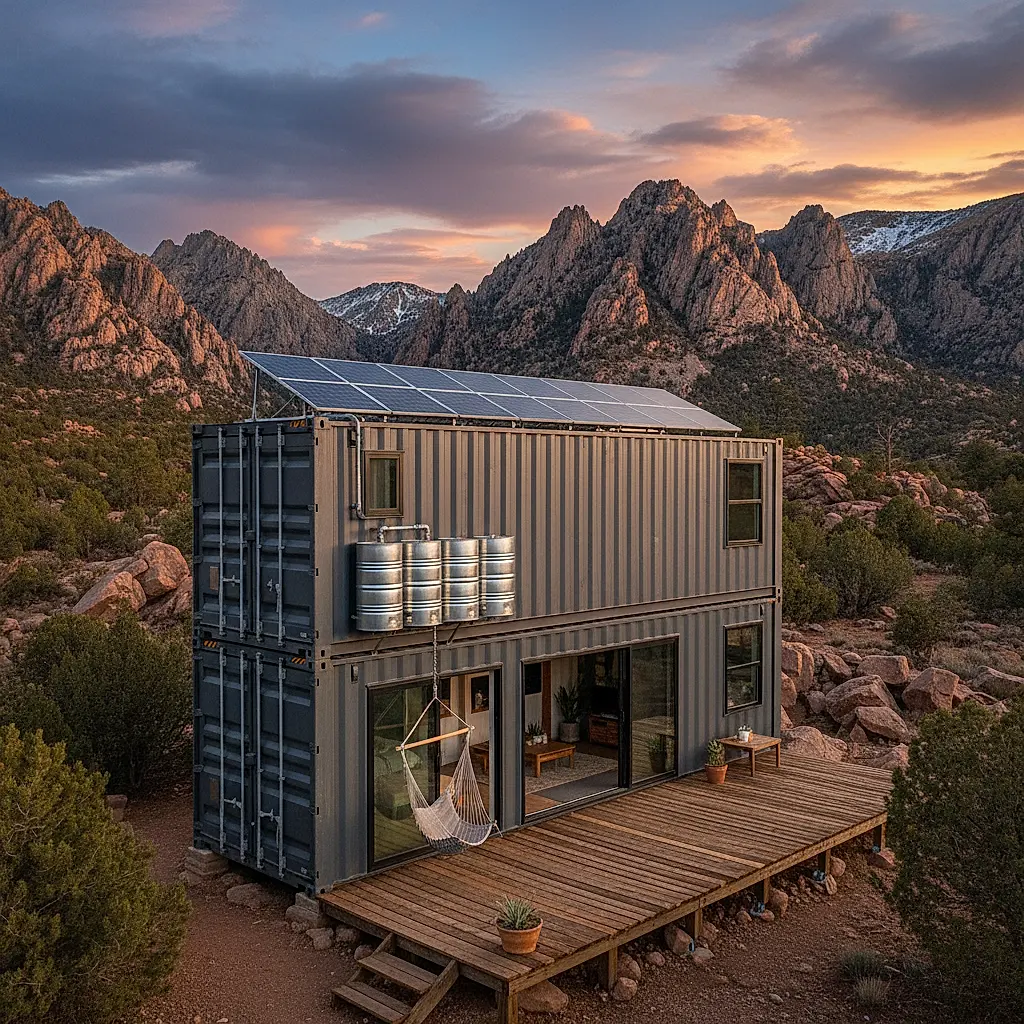
A practical framework for planning an off-grid shipping container home budget, covering the systems, site work, and hidden costs buyers often overlook.
Planning an off-grid shipping container home is less about picking a box and more about building a small, self-sufficient utility system around it. The container itself is often the simplest line item. The real budget lives in power, water, waste, site access, and the labor to tie it all together.
This guide walks through the categories that shape an off-grid container home budget so you can ask better questions, compare quotes fairly, and avoid surprises. It does not quote prices, because costs swing widely by region, site conditions, and the systems you choose. Treat every number you receive as site-specific and confirm details with the Newport team before you commit.
Start With the Site, Not the Container
Off-grid projects are site-driven. Two buyers can purchase the same container and face very different total costs because of where it lands.
Access and delivery
Ask early whether a truck can reach the build point and whether it can leave without assistance. Steep grades, soft ground, tight turns, trees, and overhead lines all affect how a container is placed. Delivery requirements vary by carrier and site, so confirm access, equipment needs, and any limitations with the Newport delivery team. Do not assume a standard flatbed drop is possible until someone has reviewed your site.
Ground conditions and foundation
A container needs a level, stable base. Options range from prepared gravel pads to concrete piers or a slab. Your soil, slope, frost depth, and drainage determine what is appropriate. A geotechnical review or a conversation with a local foundation contractor can prevent expensive rework later.
Orientation and climate
Sun exposure, prevailing wind, and seasonal temperature swings influence both comfort and energy needs. In a hot climate, shade and ventilation reduce cooling demand. In a cold climate, insulation and air sealing matter more. These are design decisions, not purchases, but they change what you must buy.
Power, Water, and Waste: The Core Off-Grid Systems
These three systems usually drive the largest cost swings. Each has a range of approaches, and each approach has trade-offs in upfront cost, maintenance, and lifestyle.
Solar and battery power
An off-grid solar system typically includes panels, mounting, a charge controller, an inverter, batteries, wiring, and safety disconnects. The size depends on your actual daily energy use, not on the square footage of the container.
- Estimate loads first: lighting, refrigeration, pumps, electronics, tools, and any heating or cooling.
- Decide how many days of autonomy you want for cloudy weather.
- Consider whether a backup generator is acceptable as a supplement.
- Plan for battery replacement as a future recurring cost.
A qualified solar designer can size the system around your loads. Avoid sizing by guesswork, because undersized systems lead to generator dependence and oversized systems waste money.
Water supply
Off-grid water usually means a well, a cistern fed by rain or hauled water, or a connection to a shared source. Each has different upfront and ongoing costs.
- A well may require drilling, a pump, pressure tank, and testing.
- A cistern requires catchment, filtration, and a pump system.
- Hauled water adds recurring delivery costs and storage needs.
Water quality testing is not optional. Confirm what treatment is needed for drinking, cooking, and fixtures.
Waste and septic
Waste handling is often the most regulated and most underestimated category. Options include a conventional septic system, an alternative or engineered system, composting toilets, or holding tanks with pump-out service.
Local health departments set the rules. Soil tests, setbacks, and permit requirements vary by jurisdiction, so confirm requirements with your local authority before designing. A system that works on one parcel may not be approved on the next.
Hidden Costs Buyers Often Miss
Beyond the headline systems, several categories quietly add to the total. Planning for them now reduces the chance of a stalled project.
Site work and utilities
- Clearing, grading, and driveway improvements
- Trenches for water, power, and conduit
- Culverts or drainage work
- Erosion control required by local rules
Permits, inspections, and professional fees
- Zoning and building permits
- Septic and well permits
- Engineering or architectural stamps if required
- Inspection fees at multiple stages
Container preparation and modifications
A used container may need cleaning, rust treatment, or repainting. Modifications such as cutting for windows and doors, framing, insulation, and interior finishes are labor-intensive. Structural cuts should be planned by someone who understands container load paths.
Lifestyle and contingency
Off-grid living often includes costs that grid-tied homes hide: fuel for generators, battery maintenance, water hauling, and more frequent system checks. A contingency line in your budget, commonly a meaningful percentage of the total, helps absorb changes. The right percentage depends on your risk tolerance and how much of the work you do yourself.
Comparing Approaches Without Guessing at Numbers
Because costs vary so much, the useful exercise is comparing approaches, not chasing a single figure.
Do-it-yourself versus contracted work
DIY can reduce labor costs but increases timeline risk and may complicate permits. Contracted work costs more upfront but can move faster and may be required for certain systems. Many projects blend the two.
Simple versus fully featured
A minimal off-grid setup might prioritize basic power, a reliable water source, and a compliant waste system. A fully featured build adds comfort systems, larger storage, and more automation. Each step up adds cost and maintenance.
Phased build versus all at once
Phasing lets you start with essential systems and add capacity later. The trade-off is that some work is cheaper to do once, especially trenching and conduit. Decide which systems you want to future-proof now.
How to build a realistic budget
- List every system you need, even if you plan to phase it.
- Get site-specific quotes rather than national averages.
- Separate one-time costs from recurring costs.
- Add a contingency line and revisit it as quotes arrive.
- Confirm container specifications, availability, and pricing with the Newport team before finalizing.
Frequently Asked Questions
How much does an off-grid container home cost?
There is no single reliable figure. Total cost depends on your site, the systems you choose, local labor rates, and permit requirements. The container is one line item among many. Build your budget from site-specific quotes for power, water, waste, foundation, and labor rather than from a general estimate.
Can I connect an off-grid container home to the grid later?
Sometimes, if the site allows it and local rules permit. Planning conduit and trenching during initial site work can make a future connection easier. Confirm utility requirements and any local rules with the appropriate authority before relying on that option.
What container size should I start with?
Size depends on your layout, storage needs, and how much of the work happens inside versus outside. Nominal lengths and standard or high-cube heights are described in individual listings, but exact dimensions, condition, and availability should be confirmed with the Newport team. Do not assume a size fits your plan until you have checked the listing details.
Do I need a permit for an off-grid container home?
Permit requirements are set locally and depend on how the structure is used, where it sits, and which systems it includes. Do not assume that one approach needs fewer approvals than another. Contact your local planning or building department for the rules that apply to your parcel.
What is the biggest hidden cost?
Waste and water systems, site work, and utility trenches are common sources of surprise. They are often regulated, site-specific, and labor-intensive. Getting early input from local contractors and your health department reduces the risk of unexpected expenses.
Next Steps for Your Project
A successful off-grid container home budget starts with clear site information and honest system choices. Begin by reviewing available containers and confirming specifications, condition, availability, and pricing with our team. Then talk through access and delivery requirements before you finalize a site plan.
- Browse current inventory at our shop to see container options and listing details.
- Reach out through our contact page to discuss your project, delivery questions, and next steps with the Newport team.
Confirm all listing details, site access, and delivery requirements directly with Newport before making decisions, and verify local permit and system requirements with the appropriate authorities.
Plan the next step
Confirm the container and the delivery plan.
Browse current listings, then speak with the Newport team to verify the unit, total pricing, site access, and delivery requirements before payment.