
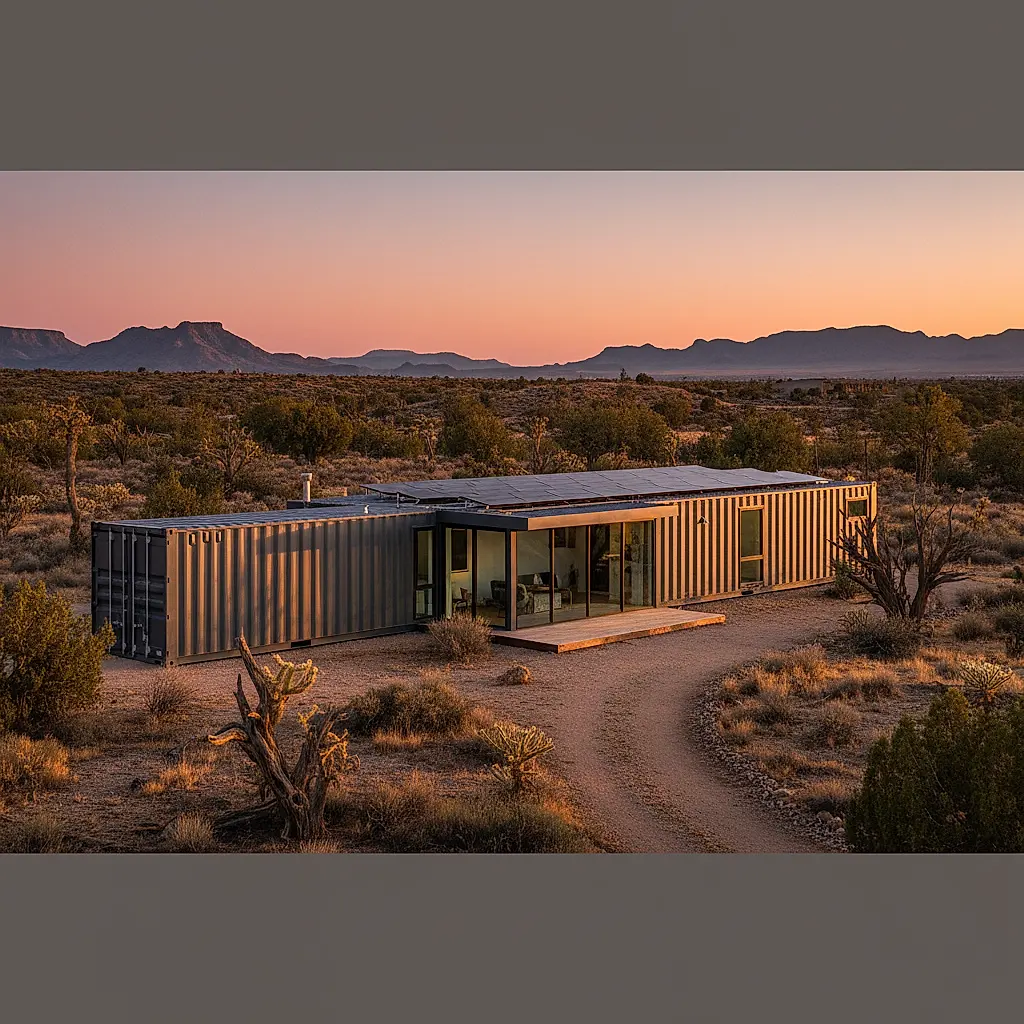
Off-grid container home kits vary widely in cost. Learn the main cost drivers, what to verify with the seller, and how to budget for a realistic build.
Why Off-Grid Container Home Kit Costs Vary So Much
If you are searching for an off-grid shipping container home kit, you have probably noticed that prices range from surprisingly low to very high. That gap is not random. It reflects real differences in what is included, how much work remains, and how far the kit must travel.
A kit is not a single product. It is a bundle of materials, fabrication, and sometimes labor. Two kits that look similar online can differ in insulation, structural reinforcement, door and window cutouts, electrical rough-in, plumbing prep, and whether the container is new or used. Before you compare numbers, compare scope.
This article explains the main cost drivers, the questions to ask, and how to plan a budget that accounts for the unknowns. It does not quote prices, because pricing changes with steel costs, freight, and customization. For current pricing and availability, confirm details with the Newport team.
The Core Components of an Off-Grid Container Home Kit
Most off-grid kits share a common set of parts. Knowing these helps you read a listing critically.
The Container Shell
The shell is the starting point. Options include:
- Standard vs. high-cube height. Standard containers are about 8 feet 6 inches tall externally; high-cube containers are about 9 feet 6 inches. Taller shells give more interior headroom but may affect transport and site handling.
- New (one-trip) vs. used (cargo-worthy or wind/water-tight). New shells cost more but arrive cleaner and with fewer repairs. Used shells can be a value choice if you inspect the CSC plate and floor condition.
- Single vs. multiple containers. A single container is simpler; two or more containers joined side-by-side or end-to-end create more floor area but add structural connection work and sealing.
Structural Modifications
Cutting openings for doors and windows changes how the container carries load. A good kit includes engineered reinforcement, such as steel framing or headers, around those openings. Ask whether the reinforcement is designed for your specific cutout layout or is a generic add-on.
Insulation and Interior Finish
Off-grid living usually means wide temperature swings. Insulation choices matter:
- Spray foam offers high R-value per inch and seals gaps but is often applied on site.
- Rigid foam boards are common in kit form and easier to install yourself.
- Mineral wool or fiberglass may be included in some packages.
Interior finish levels range from bare shell to fully lined walls, flooring, and ceiling. Each step up adds cost and reduces the work you do yourself.
Off-Grid Systems
This is where kits diverge most. A true off-grid package may include or prepare for:
- Solar panels, charge controller, inverter, and battery bank
- A water storage tank, pump, and filtration
- A composting toilet or incinerating toilet
- Propane or diesel heating and cooking
- A generator or backup power source
Some kits include these systems. Others only provide mounting points and wiring chases. Read the inclusions list line by line.
What Actually Drives the Price
Several factors explain why one kit costs more than another. Understanding them helps you decide where to spend and where to save.
1. Level of Completion
A shell-only kit is the least expensive. A turnkey kit that arrives ready to connect utilities is the most expensive. In between are kits that are weather-tight but unfinished inside. Decide how much labor you can realistically provide.
2. Customization
Standard cutouts and layouts cost less than custom ones. Every unique window, door, or partition adds design time, fabrication, and potential for error. If budget is tight, choose a proven layout over a bespoke one.
3. Insulation and Climate
A kit designed for a mild climate will not perform the same in a cold or hot region. Higher insulation values, thermal breaks, and vapor management add cost. Do not skip these if you plan to live off-grid year-round.
4. Off-Grid System Capacity
Battery banks, solar arrays, and water storage are sized to your usage. A larger system costs more. Estimating your daily energy and water needs before you buy prevents overspending or undersizing.
5. Freight and Logistics
Container kits are heavy and bulky. Freight cost depends on distance, access, and whether a crane or forklift is needed at delivery. These are site-specific factors. Confirm delivery requirements with the Newport team and your local site conditions.
6. Site Work
Foundation, grading, utility trenching, and permits are usually not part of the kit price. These can be significant. Budget for them separately.
How to Compare Kit Listings Without Getting Misled
Online listings use different terms for similar things. Use this checklist to compare fairly.
- Ask for the inclusions list in writing. Verbal descriptions are not enough.
- Confirm container condition. New, one-trip, cargo-worthy, or wind/water-tight. Ask for the CSC plate details.
- Ask who does the cutting and reinforcement. Factory-cut openings with engineered reinforcement are different from field-cut openings.
- Clarify electrical and plumbing scope. Is wiring roughed in? Are there chases for pipes? Is a panel included?
- Ask about insulation type and thickness. Do not accept vague claims.
- Confirm what is not included. Foundation, permits, utilities, appliances, and labor are common exclusions.
- Check delivery terms. Who unloads? What access is required? What happens if the truck cannot reach the site?
Planning Your Off-Grid Budget Beyond the Kit
The kit price is only one line in your budget. A realistic plan includes:
- Site preparation: clearing, leveling, access road improvements
- Foundation: piers, slab, or helical piles, depending on soil and local code
- Permits and inspections: fees and time
- Utility connections or off-grid infrastructure: water source, septic or composting, power
- Labor: electrician, plumber, welder, and general labor
- Interior finishes: flooring, cabinetry, fixtures
- Contingency: a buffer for surprises, especially with used containers
Because these costs vary by location and site, no article can give you a single accurate number. Get local quotes and confirm requirements with your local authority.
Common Mistakes to Avoid
- Buying on price alone. The cheapest kit may leave out insulation, reinforcement, or delivery.
- Assuming a kit is turnkey. Most kits require significant site work and trades.
- Ignoring climate. A kit that works in a mild area may fail in extreme heat or cold.
- Skipping the CSC plate check. It tells you about the container's structural history.
- Forgetting freight access. A container that cannot be delivered is a costly problem.
- Underestimating off-grid system sizing. Too small a solar or water system leads to early upgrades.
Frequently Asked Questions
What is typically included in an off-grid container home kit?
Inclusions vary widely. Common items are the container shell, structural reinforcement for openings, insulation, and sometimes rough electrical and plumbing prep. Off-grid systems like solar, batteries, and water storage may be included or may be add-ons. Always ask for a written inclusions list and confirm details with the Newport team.
Can I build an off-grid container home myself?
Many people do significant portions themselves, but some tasks, such as structural welding, electrical work, and plumbing, may require licensed professionals depending on local rules. Assess your skills honestly and confirm local requirements before starting.
How long does it take to assemble a kit?
Timelines depend on the kit's completeness, your labor availability, site readiness, and weather. A shell can be placed quickly, but interior finish and off-grid systems take longer. Ask the seller for a realistic sequence rather than a single number.
Do I need a permit for an off-grid container home?
Permit requirements vary by state, county, and zoning district. Some areas have specific rules for container structures and off-grid systems. Contact your local building department early and confirm what applies to your site.
How do I get an accurate price for a kit?
Pricing depends on container condition, customization, insulation, off-grid components, and freight. The most accurate approach is to share your layout, site location, and system needs with the Newport team and request a written quote.
Next Steps for Your Off-Grid Project
Start by defining your must-haves: how much space you need, what climate you are building in, and which off-grid systems you want included. Then compare kits on scope, not just headline price.
When you are ready, browse available containers and kit options at our shop. For pricing, availability, delivery questions, and site-specific guidance, contact the Newport team. They can help you confirm specifications, review your site access, and plan the next step with confidence.
Plan the next step
Confirm the container and the delivery plan.
Browse current listings, then speak with the Newport team to verify the unit, total pricing, site access, and delivery requirements before payment.