
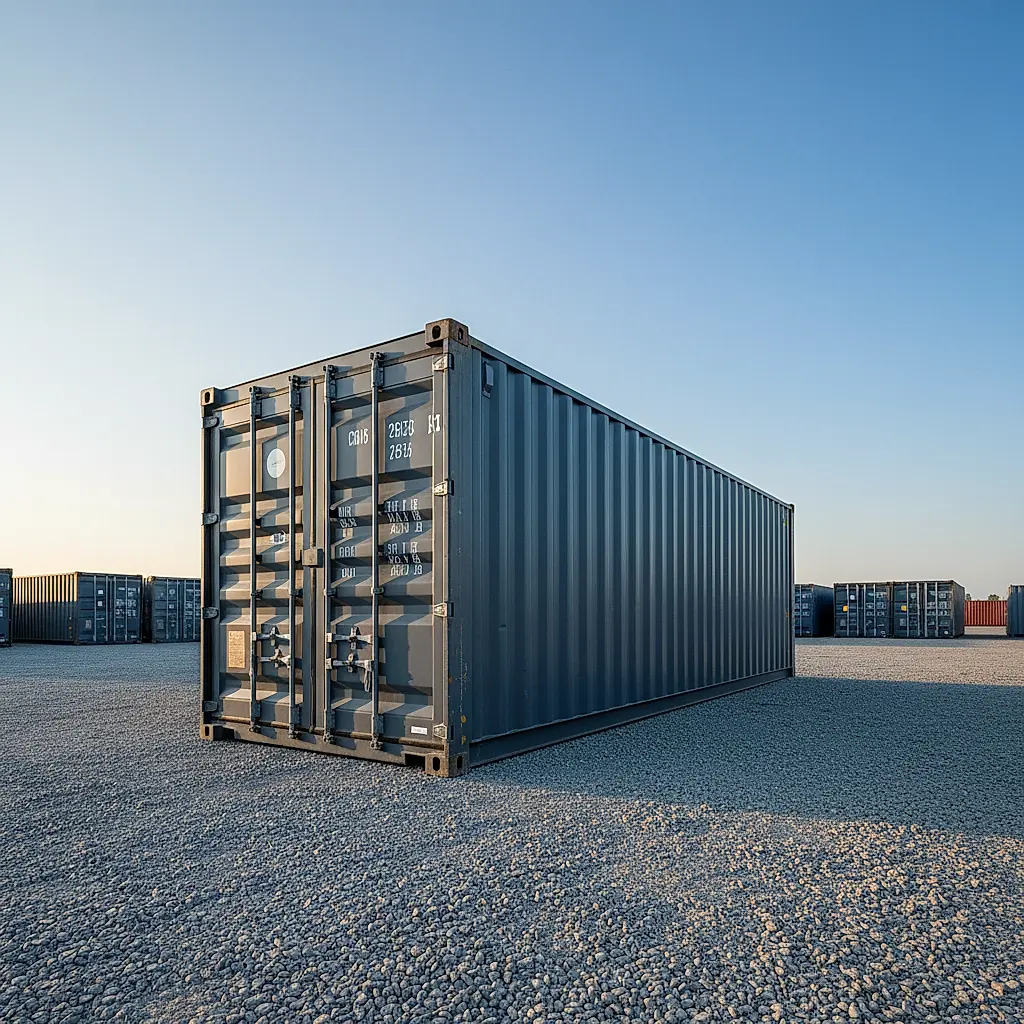
One-trip containers can be a strong option for storage, workshops, and modification projects. Learn how condition, size, delivery access, and local rules affect your decision, and how to confirm details with Newport.
What "One-Trip" Actually Means for a Container's Condition
A one-trip shipping container is generally understood to be a unit that has completed a single cargo voyage before being made available for sale. That background often means the container has seen less wear than a unit that spent years in international service. Buyers sometimes describe one-trip units as the closest thing to new, but the practical takeaway is simpler: condition should be judged from the actual unit, not from the label alone.
Even within the one-trip category, there can be differences. A container may have minor scuffs, surface rust, or cosmetic marks from handling, loading, and transport. Those details usually do not affect the container's ability to serve as secure storage or a project shell, but they matter if appearance is a priority.
When you review a listing, look for:
- Photos of the actual unit, not a representative image
- Clear views of the doors, seals, floor, ceiling, and corner castings
- Notes about dents, rust, or prior repairs
- Whether the unit is described as wind and water tight
- The container's identification and any plate information shown in the listing
If a detail is not shown or stated, ask. The Newport team can help you confirm what is available and what the listing includes.
Why Size and Height Choices Matter More Than You Might Expect
Most buyers start with a simple question: what size do I need? The answer depends on what you plan to store, how you plan to access it, and where it will sit.
Common container footprints
Shipping containers are generally described by nominal length. Two common categories are 20-foot and 40-foot units. A 40-foot high cube adds interior height compared with a standard-height container, which can be useful for taller equipment, shelving, or certain build-out plans.
Nominal dimensions are a starting point, not a final specification. Actual exterior and interior measurements can vary by manufacturer and model. For anything that must fit precisely, confirm the exact dimensions with the Newport team and review the individual listing before you commit.
Matching the container to the job
Ask yourself:
- What will go inside, and how much floor space does it need?
- Will you walk in and out often, or is this long-term storage?
- Do you need room for shelving, a workbench, or equipment clearance?
- Will you modify the container later, such as adding vents, doors, or insulation?
- Does the site allow the size and height you are considering?
A larger container is not automatically better. A 40-foot unit needs more room to maneuver during delivery and more space on site. A 20-foot unit may be easier to place on a tighter property. The right choice is the one that fits both your use and your access.
How to Think About One-Trip Pricing Without Guessing
Pricing for one-trip containers is not a single fixed number. It can vary based on size, height, condition, availability, and delivery location. Market conditions also change over time, which is why a quote from one month may not match a quote from another.
Rather than relying on a general figure you saw somewhere, treat pricing as a quote-based decision. The most reliable path is to confirm current availability and pricing directly with the Newport team for the specific unit you are considering.
Factors that commonly affect the quote
- Container size and height
- One-trip versus other condition grades
- Current inventory at the time of your request
- Delivery distance and site access
- Any special handling needs identified during the delivery conversation
- Whether you need add-ons such as locks, vents, or modifications
Questions to ask before you compare options
- Is the price for the container only, or does it include delivery?
- What is included in the delivery service, and what is not?
- Are there any site requirements I should know about before scheduling?
- What payment methods are accepted, and when is payment due?
- What happens if the unit I want is no longer available?
Getting these answers in writing helps you compare quotes fairly. It also reduces the chance of surprises on delivery day.
Delivery and Site Access: The Details That Decide the Schedule
Delivery is often the part of the process that buyers underestimate. A container is a large, heavy object, and the equipment used to move it needs room to operate. The exact requirements depend on the container, the truck, the terrain, and the site.
What to review before scheduling
- Approach path: Can a large truck reach the drop point without tight turns or low branches?
- Ground conditions: Is the surface firm enough to support the truck and container?
- Overhead clearance: Are there wires, limbs, or structures in the path?
- Drop zone: Is there enough space for the container to sit level and be accessed?
- Placement plan: Which direction should the doors face?
- Site rules: Are there HOA, landlord, or local requirements that affect placement?
Because delivery equipment and site conditions vary, avoid assuming that a particular truck, crane, or tilt-bed trailer will be used. Instead, describe your site accurately when you speak with the Newport team. Photos and measurements can help. If access is uncertain, say so early so the team can discuss options with you.
Permits and local rules
Rules about temporary or permanent placement of shipping containers vary by jurisdiction. Some areas treat them differently depending on use, duration, and zoning. Do not assume that one size or one use avoids permits. Check with your local planning or zoning office, and confirm any site-specific requirements before delivery.
Condition Checks: What to Inspect and What to Ask About
Whether you are buying a one-trip container or another condition grade, a hands-on or photo-based review is worthwhile.
Areas to inspect
- Doors: Check that they open, close, and seal properly.
- Floor: Look for soft spots, delamination, or moisture damage.
- Walls and ceiling: Look for dents, punctures, or significant rust.
- Corner castings: These are structural points; note any damage.
- Ventilation: Confirm whether vents are present and functional.
- Markings and plates: Review any identification or plate information shown.
Questions worth asking
- Has the container been inspected for wind and water tightness?
- Are there known leaks or repairs?
- Is the unit sold as-is, or is there any stated condition guarantee?
- Can I see additional photos or a video of specific areas?
A one-trip container is often a good starting point, but the specific unit still matters. Confirm the details that matter to your project.
Modifications, Add-Ons, and Planning Ahead
Many buyers use containers for storage first and consider modifications later. If that sounds like your plan, think about the sequence now.
Common considerations
- Ventilation: Added vents can help manage condensation and airflow.
- Insulation: Useful for temperature-sensitive contents or workspace comfort.
- Doors and windows: Changes affect structure and weather sealing.
- Electrical: Any power work should follow applicable codes and local requirements.
- Locking: Consider lock type and how it fits your security needs.
Modification work can affect the container's structure and its resistance to weather. If you plan significant changes, discuss them with qualified professionals and confirm what is allowed on your site. The Newport team can help you understand what is available in the listing, but structural and code decisions should be reviewed by the appropriate experts.
Frequently Asked Questions
Is a one-trip container the same as a new container?
Not exactly. A one-trip container has typically completed a single voyage, so it often shows less wear than containers that have been in service longer. However, it is not the same as a newly manufactured unit, and condition can vary. Review the specific listing and ask the Newport team about the actual unit you are considering.
How do I know which size to choose?
Start with what you need to store or build, then consider access at your site. A 20-foot unit may fit tighter spaces, while a 40-foot high cube offers more interior height and floor area. Confirm exact dimensions for the specific listing, since nominal sizes are approximate.
Does delivery require special equipment?
Delivery requirements depend on the container, the truck, the site, and local conditions. Rather than assuming a specific equipment type, describe your site and access accurately when you contact the Newport team. They can discuss what is needed for your location.
Do I need a permit to place a container on my property?
Permit and zoning rules vary by location and by how the container will be used. Check with your local planning or zoning office for guidance specific to your property. Do not rely on general assumptions about size or use.
Can I modify a one-trip container?
Many buyers modify containers for storage, workshops, or other uses. Modifications can affect structure, weather sealing, and code compliance. Discuss plans with qualified professionals and confirm local requirements before making changes.
Next Steps: Confirm Availability and Plan Your Delivery
A one-trip container can be a practical choice, but the best outcome comes from confirming the details that matter for your project: the specific unit, its condition, the current price, and the delivery plan for your site.
Start by reviewing available units on the shop page. When you find one that fits your needs, reach out through the contact page to confirm availability, pricing, and delivery requirements with the Newport team. If you are unsure about size, access, or placement, ask questions early. A short conversation now can prevent delays later.
Before you finalize anything, verify the listing details, site access, and any local requirements that apply to you. The Newport team can help with the container and delivery conversation, while local officials and qualified professionals can help with permits, codes, and site-specific rules.
Plan the next step
Confirm the container and the delivery plan.
Browse current listings, then speak with the Newport team to verify the unit, total pricing, site access, and delivery requirements before payment.