
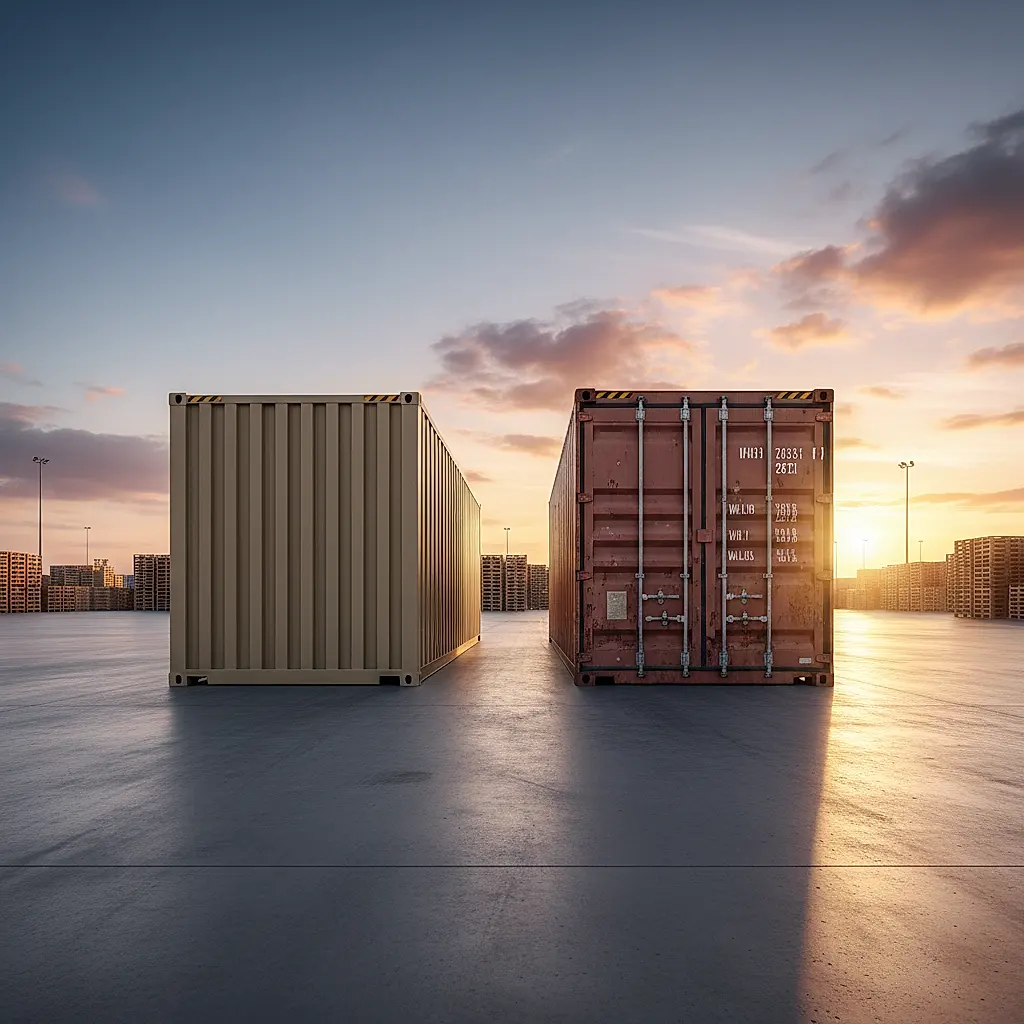
Compare one-trip and WWT shipping containers for storage, projects, and site use. Learn how condition, inspection, and price factors differ so you can pick the right grade.
Understanding Container Grades Before You Compare Price
If you are shopping for a shipping container, you will quickly run into terms like "one-trip," "WW T," "cargo-worthy," and "wind and watertight." These labels describe condition and intended use, not a single universal standard. Two sellers may use the same term differently, so the safest approach is to ask what the grade means for the specific unit you are considering.
This article explains how one-trip and WWT containers typically differ, what drives price differences, and how to decide which grade fits your project. It does not quote prices or guarantee availability. Container pricing changes with supply, location, condition, and market conditions, so confirm current details with the Newport team before you buy.
What "One-Trip" Usually Means
A one-trip container is generally understood to have made a single international cargo voyage before being sold. In practical terms, that often means:
- The container has seen limited service compared with a container that has moved cargo for years.
- The exterior may show fewer dents, scratches, and repairs, though some handling marks are still normal.
- The interior may be cleaner and less worn.
- Doors, seals, and locking mechanisms are often in relatively fresh condition.
One-trip does not mean "brand new" in every case. Containers are handled by cranes, trucks, and ships, so even a lightly used unit can have minor cosmetic issues. It also does not guarantee a particular paint finish, floor condition, or certification status. Always review the individual listing and ask for current photos or an inspection if condition matters to your project.
Why One-Trip Containers Often Cost More
A one-trip container is closer to new condition than a container that has been in service for many years. That relative freshness is the main reason one-trip units tend to carry a higher price than WWT units of the same size. Other factors can narrow or widen the gap:
- Size and height: Standard versus high-cube, and nominal length, affect price.
- Location: Containers are heavy and expensive to move, so local supply matters.
- Market timing: Availability and demand shift over time.
- Condition specifics: A unit with visible damage may be priced differently than a clean one.
Because these factors change, there is no reliable fixed price difference you can assume. Treat any price you see as a starting point and confirm it with the seller.
What "WWT" Usually Means
WWT stands for wind and watertight. A WWT container is generally expected to keep out wind-driven rain and be structurally sound enough for storage. It is a practical grade for many buyers who care more about function than appearance.
Typical characteristics of a WWT container can include:
- Surface rust, faded paint, dents, and previous repairs.
- A floor that may show wear, staining, or minor soft spots.
- Doors and seals that function but may not look new.
- A structure that is sound for storage, though not necessarily approved for international cargo.
WWT is not the same as cargo-worthy. A container can be wind and watertight for storage while failing the stricter inspection standards required for ocean freight. If you plan to ship cargo, say so clearly and ask what documentation or inspection the unit carries.
Why WWT Containers Are Often Less Expensive
WWT containers have already provided years of service, so they are typically priced below one-trip units. That lower entry point can make them attractive for storage, workshops, and site offices where appearance is secondary. The trade-off is that condition varies widely from unit to unit. Two WWT containers of the same size can differ significantly in rust, floor condition, and door operation.
Side-by-Side Comparison: One-Trip vs WWT
Use this comparison as a general framework, not a specification sheet. Confirm exact details for any unit you are considering.
| Factor | One-Trip (typical) | WWT (typical) |
|---|---|---|
| Service history | One cargo voyage | Multiple voyages or years of use |
| Appearance | Relatively clean, minor marks | Rust, dents, faded paint common |
| Interior | Often cleaner | Wear, staining possible |
| Structural condition | Generally strong | Sound for storage, varies by unit |
| Cargo-worthiness | May qualify, confirm documentation | Often not cargo-worthy, confirm |
| Price tendency | Higher | Lower |
| Best fit | Appearance-sensitive projects, resale, long-term use | Storage, workshops, budget-focused projects |
Questions to Ask About Any Grade
- What does this grade mean for this specific unit?
- Can I see current photos of the actual container, not a stock image?
- Has the unit been inspected, and what did the inspection cover?
- Are there repairs, and where are they located?
- What does the CSC plate show, if applicable?
- What are the exact nominal dimensions and height?
How Condition Affects Long-Term Value
Price is only one part of the decision. A cheaper container that needs immediate repairs may cost more over time than a better-grade unit. Consider these practical points:
- Roof and leaks: Small roof issues can lead to interior damage and floor deterioration.
- Floor condition: Soft or delaminated flooring can limit what you store or how you use the space.
- Door operation: Doors that are hard to open or seal poorly affect security and weather protection.
- Rust progression: Surface rust is common, but advanced corrosion can shorten service life.
- Repainting and sealing: If appearance matters, factor in the cost and effort of refinishing.
If you are using the container for sensitive equipment, documents, or finished goods, a one-trip unit may reduce the risk of moisture and pest issues. If you are storing durable materials like tools, landscaping supplies, or construction gear, a WWT container may be entirely adequate.
Matching Grade to Your Project
There is no single best grade. The right choice depends on what you value most.
Choose One-Trip If:
- You want a container that looks relatively clean and presentable.
- You plan to keep it for many years and want to start with less wear.
- You may resell it later and want broader appeal.
- You need a unit that could potentially meet cargo-worthy standards, subject to inspection.
- You are converting it into an office, studio, or customer-facing space.
Choose WWT If:
- Your priority is secure, weather-resistant storage at a lower entry cost.
- The container will sit on a job site, farm, or industrial yard.
- You plan to paint or modify it anyway.
- You can inspect the unit and accept cosmetic imperfections.
- You need multiple containers and want to stretch your budget.
When to Consider Other Options
Some projects call for different grades or modifications. For example, a container that must pass a specific inspection may need documentation beyond a general WWT label. A container used for habitation may need local approvals and site-specific work. In those cases, ask the Newport team what is available and consult the appropriate local authority for requirements.
Inspection and Verification Checklist
Before you commit, verify the details that matter to you. This checklist can help you ask better questions:
- Listing details: Confirm size, height, grade, and current condition notes.
- Actual photos: Request images of the specific unit, including doors, roof, floor, and corners.
- CSC plate: If applicable, review what it shows and ask what it means for your use.
- Availability: Confirm the unit is in stock and how long it can be held.
- Pricing: Ask for a current quote, including any fees that apply.
- Site access: Discuss your location, surface, and any obstacles with the delivery team.
- Delivery requirements: Ask what the driver needs to place the container safely.
- Permits and approvals: Check with your local authority about any requirements for your intended use.
Do not rely on assumptions about what a grade includes. A short conversation can prevent surprises.
Frequently Asked Questions
Is a one-trip container the same as new?
No. A one-trip container has generally made one cargo voyage, so it is lightly used rather than brand new. It may look cleaner than a WWT unit, but it can still have minor handling marks, and it does not automatically carry any particular certification. Ask for current photos and details on the specific unit.
Can I use a WWT container for shipping cargo?
WWT means wind and watertight, which is a storage-oriented description. It does not guarantee that a container meets the stricter standards for ocean freight. If you need to ship cargo, tell the seller and ask what inspection or documentation the container has. Confirm requirements with the carrier or freight forwarder as well.
How much price difference should I expect between one-trip and WWT?
There is no fixed difference. Price depends on size, height, condition, location, availability, and market conditions at the time you buy. The best approach is to request current quotes for the specific units you are considering and compare them directly.
What should I inspect on a used container?
Focus on the roof for leaks, the floor for soft spots or staining, the doors for smooth operation and seal condition, and the corners and frame for significant rust or damage. If you cannot inspect in person, ask for detailed photos and a description of any repairs. For exact specifications, refer to the individual listing and the CSC plate where applicable.
Do I need a permit for a shipping container?
Requirements vary by location and intended use. Some places have rules about placement, setbacks, or duration of use. Contact your local planning or zoning office to confirm what applies to your property. The Newport team can discuss delivery logistics, but local authorities handle permitting questions.
Next Steps: Confirm Details and Request a Quote
Choosing between one-trip and WWT comes down to your priorities: appearance and longevity versus budget and function. Neither grade is universally better, and condition varies from unit to unit. The most reliable path is to review current listings, ask specific questions, and confirm every detail before you buy.
Start by browsing available units at our shop. When you find options that fit your project, reach out to the Newport team at our contact page to confirm availability, pricing, condition details, and delivery requirements for your site. If you are unsure which grade suits your needs, describe how you plan to use the container and ask for guidance. A few minutes of conversation can help you avoid costly surprises and get the right container for the job.
Plan the next step
Confirm the container and the delivery plan.
Browse current listings, then speak with the Newport team to verify the unit, total pricing, site access, and delivery requirements before payment.