
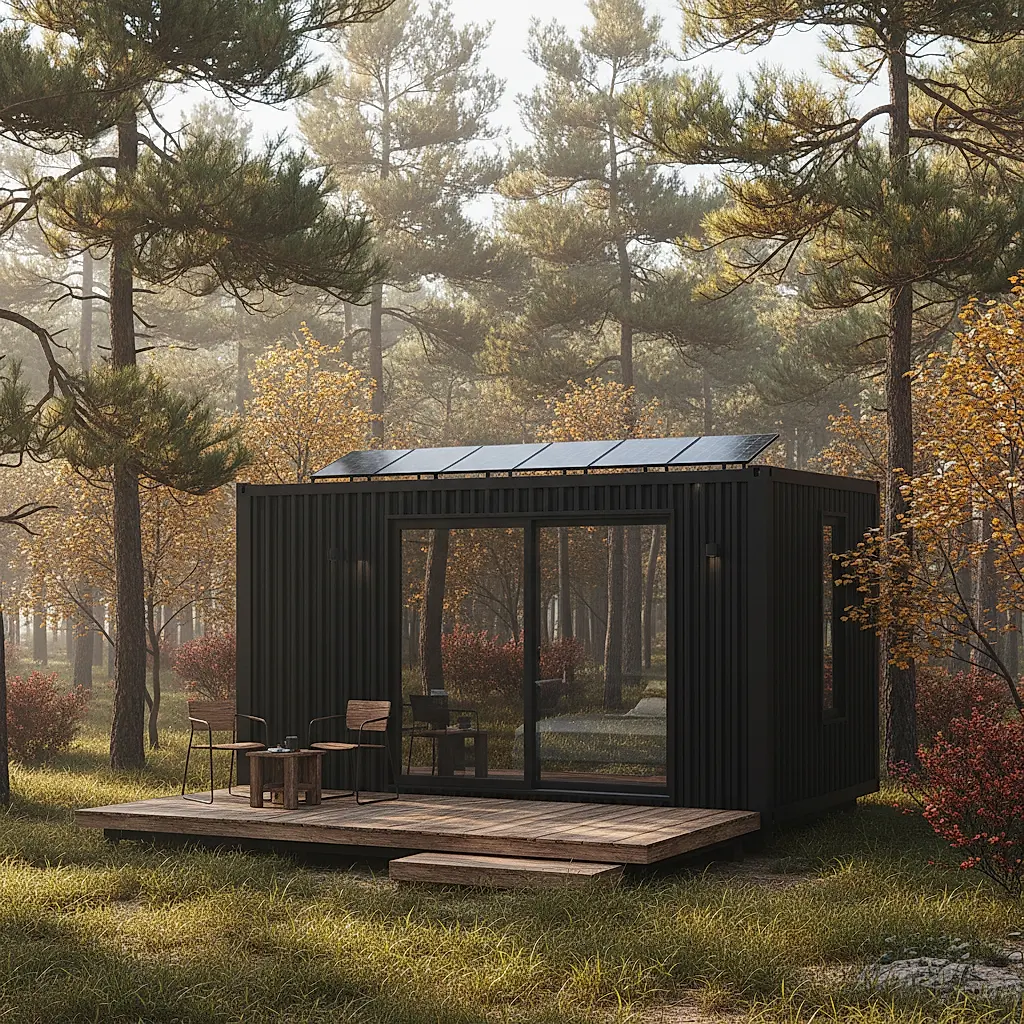
Planning a container cabin? Learn what drives cost, how to compare quotes, and what to verify before you buy or build.
Why a Container Cabin Is a Budgeting Puzzle, Not a Single Price
A prefab shipping container cabin can be a straightforward project or a complex one, and the cost reflects that range. There is no universal price for a container cabin because the final number depends on the container itself, the level of conversion, site conditions, and the labor market where you build. Instead of chasing a single advertised figure, focus on the cost categories that apply to your project and get written quotes for each.
This guide walks through the main cost drivers, how to compare prefab versus site-built approaches, and what to confirm before you commit. It is written for buyers and project planners who want a realistic budget, not a fantasy number.
The Main Cost Drivers for a Container Cabin
Container Condition and Size
A used, wind-and-watertight container costs less than a new one, but it may need more prep work. A one-trip or new container costs more upfront and can reduce cleaning and repair labor. Length and height also matter: a standard 20-foot container is shorter and often easier to place, while a 40-foot container gives more floor area but may require more site access planning. High-cube containers add interior height, which can reduce the feeling of a low ceiling but may affect transport routes. Confirm exact dimensions, condition grade, and availability with the Newport team and the individual listing.
Conversion Level: Shell vs. Turnkey
A shell conversion typically includes basic framing, insulation, electrical rough-in, and maybe a door and windows. A turnkey cabin includes finished interior surfaces, fixtures, plumbing, cabinetry, and sometimes appliances. The gap between these two can be larger than the container itself. Be clear about what is included in any prefab package you consider.
Site Work and Foundation
Site work is often the most underestimated cost. You may need clearing, grading, a gravel pad, piers, or a concrete slab. Access for a delivery truck and a crane or forklift depends on your driveway, gate width, overhead wires, and ground conditions. Do not assume delivery is included or that a standard truck can reach your site. Ask the delivery team to review your site plan and confirm requirements.
Utilities and Climate
Connecting to power, water, and sewer can range from simple to expensive depending on distance to existing lines. Off-grid systems add their own costs. Climate also matters: a cabin in a cold region needs more insulation, better windows, and a reliable heat source, while a hot, humid region may need dehumidification and shading. These choices affect both upfront and ongoing costs.
Labor and Local Rules
Labor rates vary widely by region and by the trades you need. Local building and zoning rules can affect what you are allowed to build, where you can place it, and what inspections are required. Do not rely on general advice about permits. Contact your local authority for requirements specific to your property.
Prefab vs. Site-Built: How to Compare Quotes Fairly
Ask for a Line-Item Breakdown
When comparing a prefab cabin quote to a site-built quote, ask for a breakdown that separates the container, conversion work, delivery, site prep, utilities, and any permits or fees. A low headline price may exclude delivery or foundation work.
Define What “Ready to Ship” Means
“Ready to ship” can mean the container is in stock and can be dispatched, but it does not necessarily mean the cabin conversion is complete. Clarify whether the unit is a finished cabin or a container shell that still needs conversion. Confirm the current status with Newport before you plan your timeline.
Plan for Contingency
A realistic budget includes a contingency for surprises: hidden damage, site access issues, or changes you decide on during the build. The size of that contingency depends on your risk tolerance and how much of the work you are doing yourself.
A Practical Budgeting Checklist
- Confirm container size, condition, and exact interior dimensions from the listing or CSC plate.
- Decide between shell and turnkey, and list every included and excluded item.
- Get a site access review from the delivery team before you buy.
- Price out foundation, utilities, and climate control separately.
- Check local zoning, building, and inspection requirements with your local authority.
- Ask about timelines for conversion, delivery, and any lead times on materials.
- Keep a contingency line in your budget for unknowns.
- Get quotes in writing and compare scope, not just totals.
Common Mistakes That Raise the Final Cost
Skipping the Site Visit
A site that looks easy on a map may have a narrow gate, a low tree branch, or soft ground. A pre-delivery site review can prevent costly rescheduling or damage.
Assuming a Container Is Weathertight Enough
Used containers can have minor leaks, rust, or floor damage. Inspect or ask for condition details. Repairs add cost.
Forgetting About Ventilation and Moisture
Containers are steel boxes. Without proper ventilation, insulation, and moisture control, condensation can cause problems. This is a design cost, not an optional extra.
Underestimating Finish Work
Interior finishing—trim, paint, flooring, fixtures—takes time and money. If you are doing it yourself, budget your hours realistically.
Frequently Asked Questions
How much does a prefab container cabin cost?
There is no single price. Cost depends on container size and condition, conversion level, site work, utilities, labor, and local requirements. The best approach is to define your scope and request quotes for each part of the project. Confirm current pricing and availability with Newport.
Is a 20-foot or 40-foot container better for a cabin?
It depends on your intended use, site access, and budget. A 20-foot container is shorter and may be easier to place; a 40-foot container offers more floor area but may need more careful transport planning. Discuss your site and goals with the Newport team before deciding.
Do I need a permit for a container cabin?
Permit requirements vary by location and intended use. Do not assume one size or type needs fewer permits. Contact your local building or zoning authority for rules that apply to your property.
Can I finance or insure a container cabin?
Financing and insurance options vary by lender and insurer. Ask directly about how they treat container structures and what documentation they require. Newport can provide information about the container itself, but you should confirm financial and insurance details with the relevant provider.
What should I confirm before delivery?
Confirm site access, ground conditions, overhead clearance, and the equipment needed to place the container. The delivery team can review your site plan. Do not assume a standard delivery truck or offloading method will work without confirmation.
Next Steps for Your Container Cabin Project
Start by defining your must-haves: size, conversion level, and timeline. Then gather site information and talk to the Newport team about current inventory and what is possible for your location. You can browse available containers and cabin options at our shop and reach out with your questions at our contact page. Confirm listing details, availability, pricing, site access, and delivery requirements directly with Newport before making a purchase. A careful planning process now can save you time and money later.
Plan the next step
Confirm the container and the delivery plan.
Browse current listings, then speak with the Newport team to verify the unit, total pricing, site access, and delivery requirements before payment.