
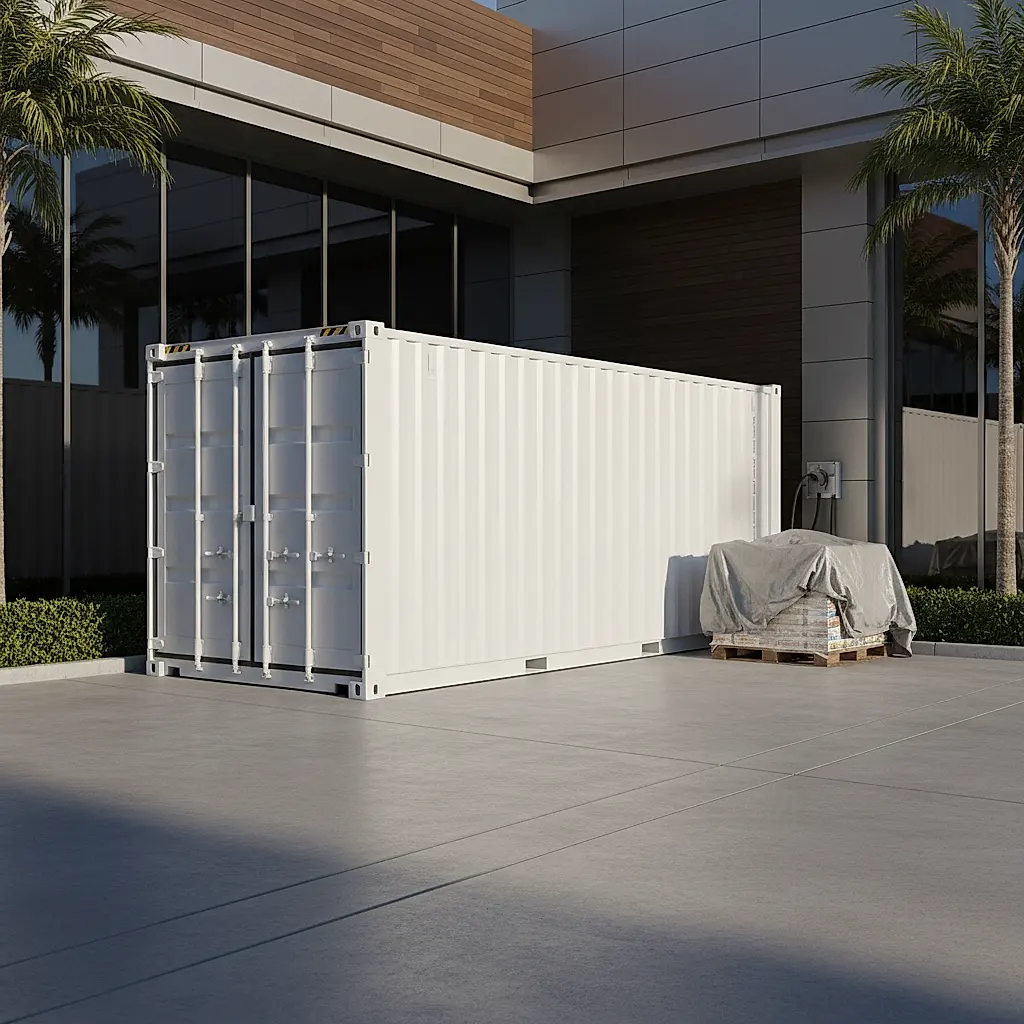
Thinking about a refrigerated shipping container for your restaurant? Learn the cost factors, sizing, site needs, and questions to ask before you buy.
A refrigerated shipping container—often called a reefer—can serve restaurants, commissaries, and food businesses as a portable walk-in cooler or freezer. But the total cost is rarely a single number. It depends on the unit's condition, refrigeration capacity, power requirements, delivery logistics, and how you plan to use it. This guide walks through the main cost drivers, practical sizing considerations, and site-planning questions so you can make a confident decision. For exact pricing, availability, and delivery details, always confirm with the Newport team.
What Drives the Cost of a Refrigerated Container
Refrigerated containers are more complex than standard dry containers. Their price reflects several variables that you should evaluate together rather than in isolation.
Unit Condition and Refrigeration Equipment
Reefers are built with insulated walls, a refrigeration unit, and controls. The condition of that machinery matters. A unit that has been regularly serviced and holds temperature reliably will generally cost more than one that needs repair or parts. Ask for the service history, the operating condition of the refrigeration unit, and whether the controls and sensors are functional. If a listing does not state these details, treat them as open questions to confirm with the seller.
Capacity and Temperature Range
Not every reefer is designed for the same job. Some are intended for chilled cargo, while others can hold frozen temperatures. The achievable temperature range, the unit's cooling capacity, and how quickly it recovers after the doors open all affect usability—and price. For a restaurant, the difference between a cooler and a freezer application can change which unit is appropriate.
Power Supply and Electrical Setup
Reefers run on electricity, and the required voltage, phase, and amperage vary by unit. Your site must be able to supply the right power. If it cannot, you may need an electrician, a generator, or another solution. Those costs are separate from the container itself and should be part of your budget. Confirm the electrical requirements for the specific unit you are considering and have a qualified electrician review your site.
Delivery and Site Access
Delivery cost depends on distance, equipment needed, and how easily the container can be placed. A reefer is heavy and requires space for the delivery truck and any lifting equipment. Narrow gates, overhead wires, soft ground, and tight turns can complicate placement. Because these conditions vary so much, delivery pricing is usually quoted per site. Share clear photos and measurements of your access route with the Newport team so they can advise on what is feasible.
Condition of the Box Itself
Beyond the refrigeration unit, the container's structure matters. Dents, rust, door seal condition, and floor integrity affect how well it holds temperature and how long it will serve you. A unit with sound insulation and tight doors will perform better than one with damaged seals. Inspect the box and ask about repairs.
Comparing a Reefer to Other Cold Storage Options
A refrigerated container is one option among several. Understanding the trade-offs helps you decide whether it fits your operation.
Portable Walk-In Coolers
Portable walk-in coolers are built specifically for food service and may include shelving, lighting, and easy-clean interiors. They can be convenient, but they are often smaller and may not match the durability or security of a steel container. Their cost structure differs too, and availability can vary.
Built-Out Cold Rooms
Constructing a cold room inside your building gives you a permanent, customized space. It also involves construction, permits, insulation, and refrigeration installation. That path can take time and significant capital. A reefer can be a faster, relocatable alternative when your site allows it.
Standard Containers with Add-On Cooling
Some buyers consider a standard dry container plus a separate cooling system. This can work in certain cases, but the container is not insulated the way a reefer is, so performance and efficiency may differ. Discuss the trade-offs with a knowledgeable supplier before committing.
Trailers and Rental Units
Refrigerated trailers and rental units can bridge a short-term need. Rental avoids a large upfront purchase but creates ongoing payments and may limit customization. If your need is seasonal or temporary, compare rental costs against buying over your expected timeline.
Sizing and Use Considerations for Food Service
Choosing a size is about workflow, not just square footage. Think through how your team will move product in and out.
How Will You Use the Space?
Consider whether the unit will hold raw ingredients, prepared foods, beverages, or frozen goods. Different products need different temperature ranges and organization. If you plan to store both chilled and frozen items, you may need more than one unit or a unit with separate compartments—confirm what the specific listing supports.
Access and Workflow
A container used as a walk-in needs room for doors to open, for staff to move safely, and for shelving or racks. If you plan to load pallets, consider how a forklift or pallet jack will reach the doors. Door placement and interior height matter for comfortable use.
Nominal Dimensions and Height Options
Refrigerated containers are commonly available in nominal lengths such as 20 feet and 40 feet, with standard or high-cube heights. These are approximate nominal figures; actual internal and external dimensions vary by manufacturer and model. Always check the individual listing and the container's data plate or CSC plate for exact specifications before you plan your layout.
Insulation and Door Seals
Insulation quality and door seals directly affect temperature performance and energy use. Inspect seals for cracks or gaps, and ask whether they have been replaced. A well-sealed unit holds temperature better and reduces strain on the refrigeration unit.
Site Planning and Power Checklist
Before you buy, verify that your site can support the unit. This step prevents expensive surprises.
- Power availability: Confirm the voltage, phase, and amperage the unit requires, and whether your electrical service can supply it.
- Electrical work: Budget for an electrician if a new circuit, panel work, or disconnect is needed.
- Placement space: Measure the intended spot and the route to it, including gates, turns, and overhead obstructions.
- Ground conditions: Firm, level ground supports safe placement. Soft or uneven ground may need preparation.
- Drainage: Consider how condensation or cleaning water will drain away from the unit.
- Ventilation: The refrigeration unit needs airflow to operate efficiently. Avoid enclosing it tightly.
- Security: Plan for locks and, if needed, lighting or fencing.
- Local requirements: Zoning, permits, and food-safety rules vary by location. Check with your local authority about what applies to your project.
Because site conditions and local rules differ, no general article can tell you exactly what your property requires. Confirm specifics with the Newport team and your local officials.
Maintenance and Operating Cost Expectations
Purchase price is only part of the picture. Ongoing costs include electricity, service, and repairs.
- Electricity: Refrigeration runs continuously. Energy use depends on the unit, the temperature setting, ambient conditions, and how often doors are opened.
- Preventive service: Regular inspection of the refrigeration unit, coils, and seals helps avoid breakdowns.
- Repairs: Parts and technician time vary. Ask whether parts are commonly available for the model you are considering.
- Monitoring: A temperature alarm or monitoring system can protect inventory, but adds cost. Discuss options with your supplier.
A unit that is cheaper upfront but inefficient or hard to service may cost more over time. Weigh purchase price against expected operating and maintenance costs.
Questions to Ask Before You Buy
Use this list when evaluating any refrigerated container:
- What temperature range can this unit reliably hold?
- What are the electrical requirements, and has the unit been tested recently?
- What is the condition of the doors, seals, and insulation?
- Is there a service history or records of repairs?
- What are the exact internal and external dimensions?
- What delivery method is proposed for my site, and what access is required?
- Are there any known issues with the refrigeration unit or controls?
- What is included in the price, and what is quoted separately?
Getting clear answers to these questions helps you compare options fairly.
Frequently Asked Questions
How much does a refrigerated container cost for a restaurant?
There is no single price. Cost depends on the unit's size, condition, refrigeration capacity, and the delivery and electrical work your site needs. Because these factors vary, ask the Newport team for a quote based on the specific unit and your location.
Can I use a refrigerated container as a walk-in cooler?
Many food businesses do, but suitability depends on the unit's temperature range, interior layout, and how you plan to use it. Confirm the achievable temperatures and dimensions for the specific listing, and check local food-safety requirements with your authority.
What power does a reefer container need?
Electrical requirements vary by unit. They may involve specific voltage, phase, and amperage. Have a qualified electrician confirm what your site can supply and what work is needed before purchase.
Do I need a permit for a refrigerated container?
Permit and zoning rules vary by jurisdiction and by how the unit will be used. Contact your local planning or zoning office to learn what applies to your property. Newport can share delivery information, but local requirements are determined by your authorities.
How should I prepare my site for delivery?
Clear the route, measure gates and turns, confirm firm level ground, and identify any overhead obstructions. Share photos and measurements with the Newport team so they can advise on delivery feasibility for your specific site.
Next Steps
Start by defining your storage needs, temperature requirements, and site conditions. Then review available units and reach out with your questions. You can browse options at our shop and speak with our team through our contact page. We will help you confirm listing details, availability, pricing, and delivery requirements so you can move forward with confidence.
Plan the next step
Confirm the container and the delivery plan.
Browse current listings, then speak with the Newport team to verify the unit, total pricing, site access, and delivery requirements before payment.