
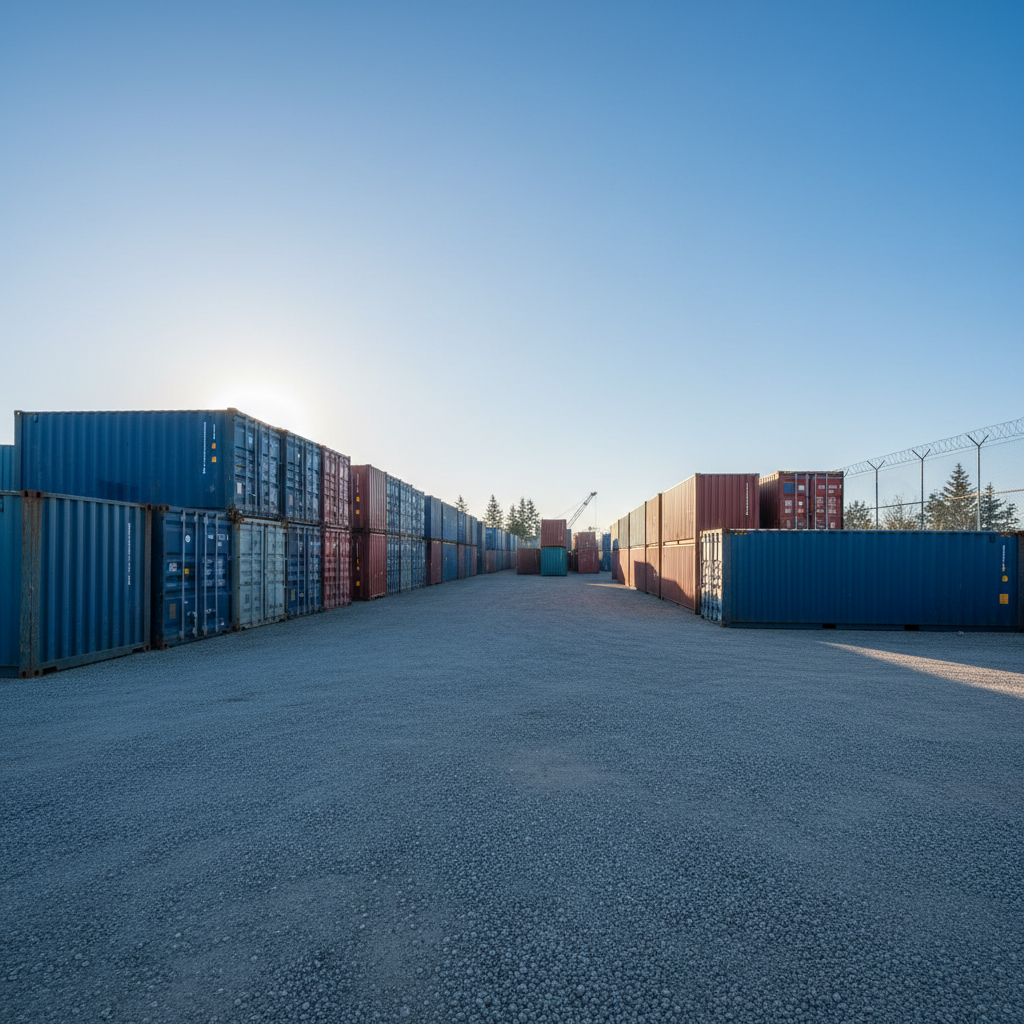
Rent-to-own container agreements can spread the cost of a storage container over time, but the real math depends on terms, fees, and how long you plan to keep it. Here is how to compare offers carefully.
Rent-to-own can be an appealing path to a shipping container when you want to spread payments instead of paying in full upfront. But the monthly number on a quote is only one part of the picture. The total you pay, the fees tucked into the agreement, and what happens at the end of the term all shape whether rent-to-own actually saves you money.
This guide walks through how to read a rent-to-own container agreement, what to compare between offers, and the questions to ask before you sign. Because terms vary by company and by listing, always confirm the specifics with the Newport team and review the written agreement before committing.
What Rent to Own Usually Means for a Shipping Container
In a typical rent-to-own arrangement, you make scheduled payments over a set term. Depending on the contract, some or all of those payments may apply toward ownership, or you may have the option to purchase at the end for a stated amount. The container may be delivered to your site during the term, or ownership may transfer at the end.
Because structures differ, two quotes with the same monthly payment can lead to very different outcomes. Some agreements build in an ownership credit; others treat payments as pure rental with a separate buyout. Some include delivery; others do not. None of that is standardized across the industry, so the contract is the source of truth.
Common Structures You May Encounter
- Lease-to-own with credit: A portion of each payment reduces the purchase balance.
- Rental with purchase option: Payments are rent, and you can buy the container later at a set price.
- Rent-to-own with a balloon: Lower monthly payments now, with a larger final payment to own it.
- Short-term rental only: No ownership path, but useful for temporary storage.
Each structure shifts risk differently. A balloon keeps monthly costs down but requires a plan for the final payment. A credit-based lease rewards you for staying the course but may cost more if you exit early.
How to Compare Monthly Cost Without Getting Misled
The advertised monthly figure is a starting point, not a verdict. To compare offers fairly, convert each one into a total cost of ownership over the term you actually expect to need the container.
Build a Simple Comparison
- Write down the term length. How many months until you own it, or until the agreement ends?
- Multiply the monthly payment by the term. That is your baseline outlay.
- Add one-time fees. Look for delivery, pickup, documentation, late fees, and any processing charges.
- Add the buyout or final payment, if any. Some agreements have one.
- Subtract any ownership credit. If payments build equity, note how much.
- Compare the total to buying outright. A cash purchase may be simpler and cheaper if you have the funds.
If a quote does not clearly state fees or the buyout, ask for them in writing. A trustworthy provider will put the numbers in the agreement rather than leaving them verbal.
Questions That Reveal the Real Cost
- Is there a down payment, and is it refundable?
- Do payments build ownership credit, or are they pure rent?
- What is the total amount paid if I complete the full term?
- What happens if I pay off early? Is there a penalty or a discount?
- What happens if I miss a payment or want to cancel?
- Who handles delivery, pickup, and any relocation during the term?
- Is maintenance my responsibility during the rental period?
Getting answers in writing protects both sides and makes comparison possible.
Where Savings Actually Come From
Rent-to-own is not automatically cheaper than buying. It can make sense when cash flow matters more than the lowest total price, or when you are not yet sure you want to keep the container long term. Savings tend to come from a few specific places.
Cash Flow and Opportunity Cost
Spreading payments keeps capital available for other parts of a project. If that money would otherwise go toward higher-priority expenses, a payment plan can be worth the extra total cost. The tradeoff is that you usually pay more overall than a cash purchase.
Avoiding Short-Term Rental Waste
If you need a container for many months, repeated short-term rentals can add up. A rent-to-own path may cost less over a long horizon than renewing rentals again and again, especially if you eventually want to own the unit.
Condition and Reuse
Used containers are often the more economical choice for storage, and condition drives price. A wind-and-water-tight used unit may serve well for years, while a unit with significant rust or door issues may cost more to maintain. Inspect condition carefully and ask what is included.
What Does Not Save You Money
- Assuming a lower monthly payment means a better deal without checking the total.
- Skipping the inspection and inheriting problems.
- Ignoring delivery and pickup fees that appear later.
- Signing a long term when you only need the container briefly.
Buy Outright, Rent, or Rent to Own?
The right choice depends on how long you need the container, how much cash you want to tie up, and how certain you are about keeping it.
Choose Buying Outright If:
- You have the funds available.
- You plan to keep the container long term.
- You want the simplest possible transaction.
- You prefer to avoid ongoing payment obligations.
Choose Short-Term Rental If:
- You need storage for a defined, short project.
- You do not want to own or resell the container.
- Flexibility matters more than total cost.
Choose Rent to Own If:
- You want to spread cost over time.
- You expect to keep the container eventually.
- The agreement's total cost is acceptable to you.
- You have reviewed the terms and exit conditions.
There is no universal winner. The goal is to match the structure to your timeline and budget rather than to a headline monthly rate.
Size, Condition, and Specification Basics
Monthly cost often tracks container size and condition, so it helps to understand the basics before you compare quotes.
Standard containers are commonly described by nominal length, with 20-foot and 40-foot units being the most familiar. Width is generally about 8 feet. Height varies between standard and high-cube configurations, with high-cube units being taller. Exact dimensions, internal capacity, and weight limits vary by manufacturer and unit, so confirm the specifics on the individual listing and the container's CSC plate rather than relying on general figures.
Condition categories typically include new (one-trip), used, and as-is. Used containers may show cosmetic wear, minor dents, or surface rust while remaining suitable for storage. Ask what condition grade a quote refers to, and request photos or an inspection when possible.
For any modification, electrical work, or placement question, check with local authorities and qualified professionals. Requirements vary by jurisdiction and site.
Delivery, Site Access, and Ongoing Costs
Delivery is a common source of surprise charges in rent-to-own agreements. Before you sign, clarify who pays for the initial delivery, whether relocation during the term is allowed, and who pays for final pickup or transport if ownership does not transfer.
Site access matters too. A delivery truck needs a safe approach and a place to set the container down. Confirm access details with the Newport team before scheduling, and describe your site accurately, including surface type, overhead obstructions, and space to maneuver. If access is uncertain, ask what options exist.
Also ask about ongoing responsibilities during the rental period: who handles repairs, whether you may modify the container, and what condition it must be in at the end of the term.
Reading the Agreement Before You Commit
A rent-to-own contract should answer these plainly:
- Total number of payments and the payment schedule
- Whether payments build ownership credit
- The buyout amount, if any
- Early payoff terms and any penalties
- Late payment consequences
- Cancellation and default terms
- Delivery, relocation, and pickup responsibilities
- Maintenance and modification rules
- What happens at the end of the term
If any of these are vague, ask for clarification in writing. A clear agreement protects you and makes the true cost visible.
Frequently Asked Questions
Is rent to own cheaper than buying a container outright?
Usually not in total dollars. Rent-to-own spreads cost over time and may include fees, so the total paid can exceed a cash purchase. It can still be the better fit when cash flow or flexibility matters more than the lowest total price. Compare the full term cost before deciding.
Do rent-to-own container agreements require a down payment?
It depends on the provider and the agreement. Some offers require an initial payment, while others do not. Because terms vary, ask the Newport team directly and confirm the down payment, refundability, and how it applies to the balance in the written agreement.
What happens at the end of a rent-to-own term?
It depends on the structure. Some agreements transfer ownership automatically after the final payment, while others require a buyout or a decision to purchase, return, or renew. Read the end-of-term clause carefully and ask what is expected of you.
Can I pay off a rent-to-own container early?
Many agreements allow early payoff, but terms differ. Some offer a discount, while others charge a penalty or require the full scheduled amount. Ask about early payoff before signing so there are no surprises.
Does rent to own include delivery?
Not always. Delivery, relocation, and pickup may be included, billed separately, or handled by you. Confirm who is responsible for each and what it costs before you commit, and share accurate site access details with the delivery team.
Next Steps
Start by deciding how long you need the container and whether you want to own it. Then compare the total cost of each option, not just the monthly figure. Review the agreement line by line, ask about fees and end-of-term terms, and confirm specifications on the individual listing.
When you are ready, browse current options at our shop and reach out with your questions at our contact page. The Newport team can walk you through available units, agreement details, and delivery considerations so you can make a confident decision.
Plan the next step
Confirm the container and the delivery plan.
Browse current listings, then speak with the Newport team to verify the unit, total pricing, site access, and delivery requirements before payment.