
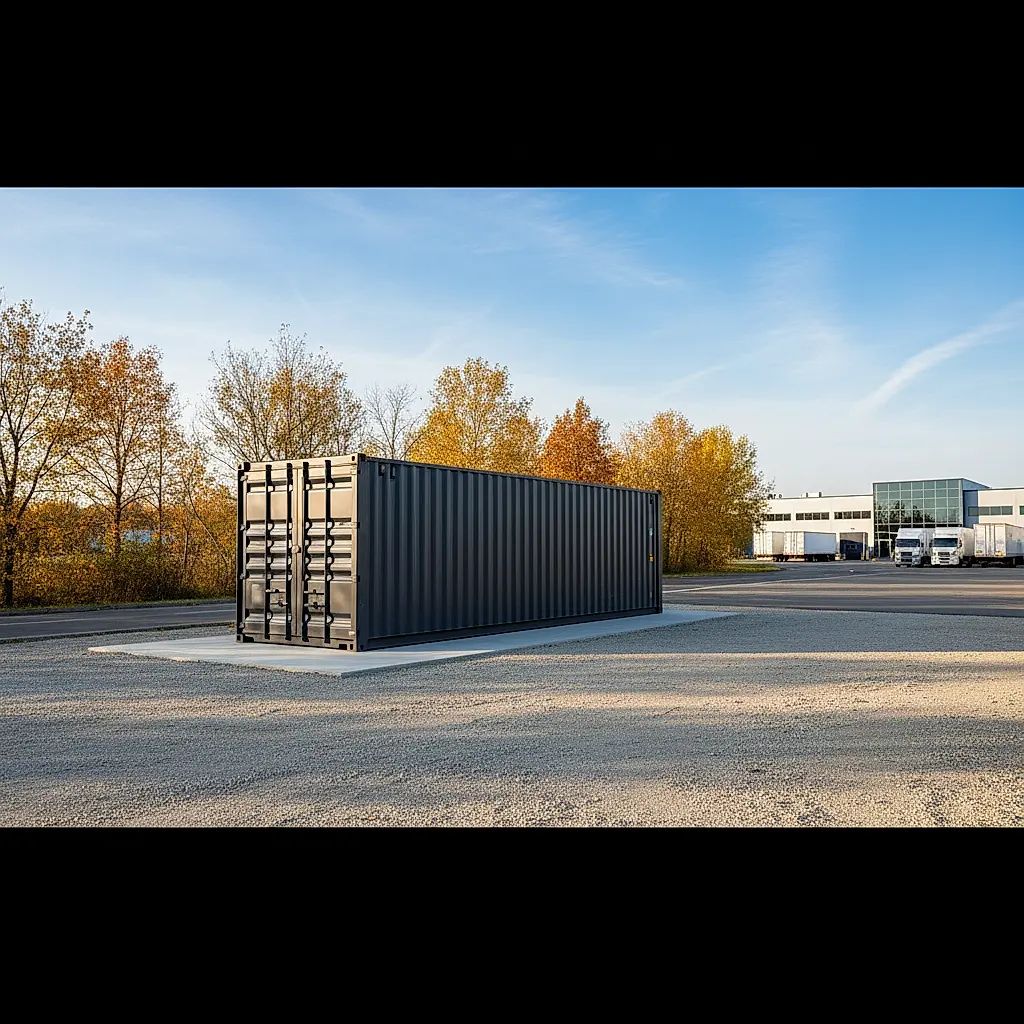
Considering a rent-to-own shipping container? This guide explains how these programs typically work, what to verify, and how to plan before you commit.
Rent-to-own shipping containers can look like an easy path to ownership, especially if you want to spread out the cost over time. But the details matter more than the headline. Programs vary by company, contract, and location, and the terms you see online may not reflect what is available where you are. This guide walks through the practical questions to ask, the tradeoffs to weigh, and the steps that help you avoid surprises.
How Rent-to-Own Container Programs Usually Work
Rent-to-own is a payment structure, not a specific product. In most cases, you agree to make scheduled payments over a set term. Part of each payment may go toward the purchase price, or the payments may simply be rent with an option to buy at the end. The exact structure is defined by the agreement, not by the container itself.
Common Structures You May Encounter
- Lease with an option to purchase. You rent the container for a period, then decide whether to buy it, often at a price set in the contract.
- Installment-style payments. Payments are applied toward ownership, with ownership transferring after a certain number of payments or a final payment.
- Rent-to-own with a balloon or final payment. Smaller monthly amounts during the term, with a larger amount due at the end.
Each structure has different implications for total cost, flexibility, and what happens if you stop paying. Read the agreement carefully and ask for a plain-language explanation of the total you will pay if you complete the program.
What "No Credit Check" May Mean
Some rent-to-own programs advertise no credit check. That can mean the company relies on other factors, such as a down payment, payment history, or a shorter initial term. It does not mean the program is risk-free or that approval is guaranteed. Ask what information the company reviews and what happens if a payment is late.
What to Verify Before You Sign
Because terms vary widely, the most useful thing you can do is verify the specifics in writing. Confirm the following with the company you are working with.
Contract and Payment Details
- Total cost if you complete the program, compared with paying in full upfront.
- Whether payments are rent, installment payments, or a mix.
- The length of the term and whether it can be extended or ended early.
- Late fees, return conditions, and what happens if you miss a payment.
- Whether maintenance, repairs, or damage are your responsibility during the term.
Container Details
- Condition: new, one-trip, or used, and what that means for appearance and wear.
- Size: nominal length and width, and whether it is standard height or high cube.
- Doors: how many, which end, and whether they operate smoothly.
- Any modifications, such as vents, insulation, or shelving, and whether they are included in the program.
- The CSC plate or equivalent identification, if applicable, and what it indicates.
Exact specifications, availability, and pricing are set by the individual listing and the company. Confirm those details with the Newport team before you rely on them.
Delivery and Site Access
Delivery is often the part of a container purchase that causes the most friction. Before you commit to any program, ask:
- What delivery equipment is used, and what access is required at your site.
- Whether the delivery vehicle can reach the drop location and turn around safely.
- Whether the ground is firm and level enough for the container and the delivery equipment.
- Who is responsible for permits, if any are required in your area.
- What happens if the container cannot be delivered as planned.
Delivery requirements vary by location, container size, and site conditions. Confirm them with the Newport delivery team and your local authority rather than assuming.
Sizing and Use: Matching the Container to the Job
Rent-to-own is often used for storage, job sites, and temporary or long-term projects. The right size depends on what you plan to store or do inside.
Approximate Nominal Dimensions
Shipping containers are commonly described by nominal length, such as 20 feet or 40 feet. Width is generally about 8 feet. Height is commonly either standard or high cube, with high cube being taller. These are nominal figures, and actual internal dimensions can differ based on construction, flooring, and any modifications.
Do not rely on a size label alone. Check the individual listing for the exact container being offered, and ask for internal dimensions if your project depends on them.
Practical Planning Questions
- What will you store or work with, and how much floor space does it need?
- Do you need to move items in and out frequently? If so, door placement matters.
- Will you need power, lighting, ventilation, or climate control?
- Is the container staying in one place, or will it be moved?
- Do you need it to meet any local requirements for placement or use?
Answering these questions first can save you from choosing a size that does not fit your actual needs.
Understanding the Tradeoffs of Rent-to-Own
Rent-to-own can be useful, but it is not automatically the best choice for everyone. Compare it honestly with paying in full or financing through other means.
Potential Advantages
- Lower upfront cost compared with buying outright.
- Predictable scheduled payments.
- A path to ownership without a traditional credit check, depending on the program.
Potential Drawbacks
- Total cost over the term may be higher than paying upfront.
- Less flexibility if your plans change.
- Early termination or return may have conditions or costs.
- You may be responsible for the container during the term, even before you own it.
If your priority is the lowest total cost and you can pay upfront, buying outright may be simpler. If cash flow is the main constraint, rent-to-own may be worth exploring, provided you understand the full terms.
Questions to Ask Any Rent-to-Own Provider
Use this list as a starting point. Write down the answers so you can compare programs fairly.
- What is the total cost if I complete the program?
- Is there a down payment, and how is it applied?
- Are payments applied toward ownership, or are they rent?
- What is the term, and can I pay off early?
- What happens if I miss a payment or want to return the container?
- Who handles maintenance and repairs during the term?
- What are the delivery requirements and any associated costs?
- What condition is the container in, and what size and height is it?
- Are there any fees not included in the quoted payment?
- What documents will I receive at the end of the program?
If a provider cannot answer these clearly, that is a signal to slow down.
Frequently Asked Questions
Does rent-to-own require a credit check?
Not always. Some programs advertise no credit check, but they may use other criteria such as a down payment or payment history. Ask the provider what they review and what happens if your situation changes.
Can I buy the container early?
Some agreements allow early payoff, sometimes with conditions. Ask whether early purchase is allowed, how the payoff amount is calculated, and whether any fees apply.
What size container should I choose for rent-to-own?
The right size depends on what you plan to store or do inside and how much access you need. Nominal lengths such as 20 feet and 40 feet are common, but confirm the exact internal dimensions and height in the individual listing.
Who is responsible for delivery and site preparation?
Responsibilities vary by provider and location. Confirm who arranges delivery, what access is required, and who handles permits or site preparation. Check with the Newport delivery team and your local authority for your specific situation.
What happens if I stop making payments?
Consequences depend on the agreement. They may include loss of the container, additional fees, or other outcomes. Read the contract carefully and ask for a clear explanation before signing.
Next Steps
Start by deciding what you need the container for, where it will go, and how you prefer to pay. Then compare the specific terms available to you rather than relying on general claims.
You can browse current listings and confirm details on the shop page. When you are ready to talk through availability, delivery requirements, and program options, reach out through the contact page. The Newport team can help you confirm the specifics for your location and project.
Before you commit to any rent-to-own arrangement, read the agreement, ask the questions above, and make sure the total cost and terms fit your plans.
Plan the next step
Confirm the container and the delivery plan.
Browse current listings, then speak with the Newport team to verify the unit, total pricing, site access, and delivery requirements before payment.