
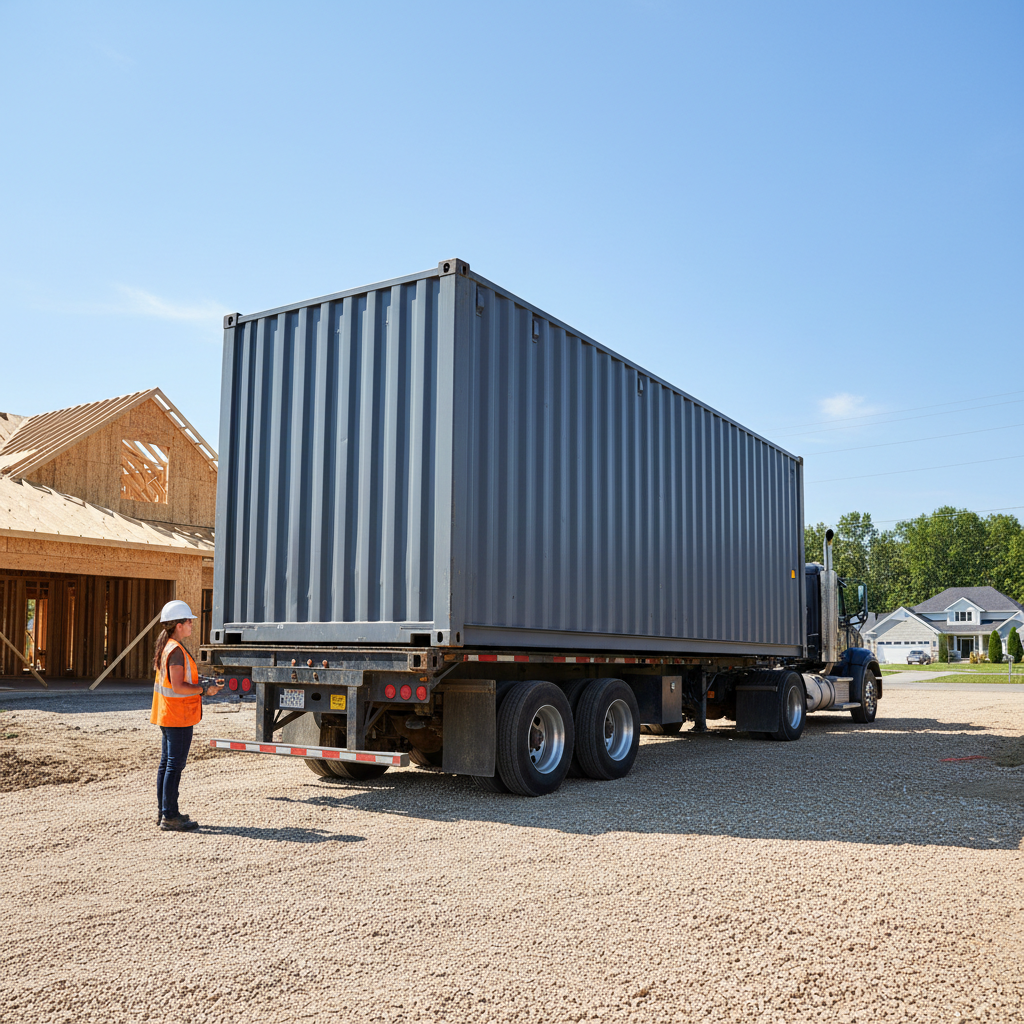
Explore how rent-to-own shipping containers work, what to verify before you commit, and how to plan a purchase that fits your site and budget.
Rent-to-own shipping containers can be an appealing path for buyers who want to spread the cost of a container over time, but the details matter. Before you sign anything, it helps to understand how these agreements typically work, what questions to ask, and how to compare the total cost against paying upfront or choosing a standard rental.
This guide walks through the practical side of rent-to-own containers: how the model usually works, what to inspect, how to plan for delivery, and what to confirm with the Newport team. It does not promise specific terms, pricing, or approval outcomes. Those depend on the individual agreement, the container listing, and your location.
How Rent-to-Own Shipping Containers Typically Work
Rent-to-own is a financing-style arrangement. Instead of paying the full purchase price at once, you make scheduled payments over a set period. In many structures, a portion of each payment builds toward ownership, and at the end of the term the container becomes yours. Other structures treat the payments more like a lease with a purchase option at the end.
Because the details vary, the only reliable source of truth is the written agreement and the specific listing. Ask for the terms in writing before you commit.
Common structures you may encounter
- Lease with option to purchase: You make regular payments for a defined term. At the end, you may have the right to buy the container for a set amount or a formula-based amount.
- Installment-style agreement: Payments are applied toward the purchase price, and ownership transfers after the final payment or after a stated condition is met.
- Rental with credit toward purchase: You rent the container for a period, and some portion of what you pay may be credited if you decide to buy.
Each structure has different implications for total cost, early payoff, and what happens if you stop making payments. Read the agreement carefully and ask the Newport team to clarify anything that is not explicit.
What to verify before you sign
- The total cost over the full term, not just the periodic payment
- Whether any portion of payments builds equity or is credited toward purchase
- What happens if you pay off early, miss a payment, or need to cancel
- Who is responsible for maintenance, repairs, and damage during the term
- Whether delivery, pickup, and relocation are included or billed separately
- What condition standard applies at handover and at the end of the term
- Whether the container can be modified during the term and who owns those modifications
If a term is described only verbally, ask for it in writing. A clear written summary protects both sides.
Choosing the Right Container for Your Plans
Rent-to-own is only useful if the container itself fits your project. Container sizes are described using nominal external dimensions, and actual usable space depends on wall thickness, corrugation, and any internal fittings. Always confirm the exact specifications on the individual listing rather than relying on general descriptions.
Standard sizes at a glance
- 20-foot containers: Commonly used for storage, small workshops, and compact site offices. Nominal length is about 20 feet, with a nominal width of about 8 feet.
- 40-foot containers: Offer more floor area for larger storage or conversion projects. Nominal length is about 40 feet, with a nominal width of about 8 feet.
- Height options: Standard height and high-cube height are both common. High-cube containers are taller, which can matter for headroom in conversions. Confirm the exact height on the listing or CSC plate.
Do not assume that a given size will meet a specific building code, permit requirement, or intended use. Those questions depend on your local authority and your project. Confirm requirements with the relevant local office before you buy.
Condition grades and what they mean for financing
Containers are often described using condition categories such as new, one-trip, or used. A used container may show cosmetic wear, surface rust, or minor dents. A new or one-trip container is generally closer to original condition. Condition affects both the purchase price and how the container may perform over the term of a rent-to-own agreement.
- Inspect the doors, seals, and locking gear
- Look at the floor for soft spots or delamination
- Check the roof and corners for standing water or rust
- Confirm the CSC plate and any inspection markings
- Ask whether the container has been modified and, if so, how
If you cannot inspect in person, ask the Newport team what documentation and photos are available for the specific unit.
Planning Delivery and Site Access
Delivery is one of the most common sources of surprises. A container is a large, heavy object, and the equipment needed to move it depends on the site, the container, and the access route. Do not assume that a particular truck or trailer will be used. Instead, confirm the delivery plan with the Newport team based on your address and site conditions.
Questions to answer before scheduling
- Is there a clear, firm path from the road to the placement spot?
- Are there overhead wires, tree branches, or low structures in the way?
- Is the ground level and stable enough to support the container and the delivery equipment?
- Is there enough turning space for the vehicle that will deliver the container?
- Are there gates, fences, or parking restrictions that could block access?
- Will any permits or neighborhood approvals be required?
Delivery requirements vary by location and by the specific container. Confirm the details with the Newport team and, where relevant, with your local authority.
Preparing the placement area
A little preparation can prevent a lot of frustration. Clear the area, remove obstacles, and make sure the intended spot is accessible. If the container will sit on soil, consider how drainage and settling might affect it over time. If it will sit on a hard surface, check that the surface can handle the load.
- Mark the intended footprint before delivery day
- Trim vegetation that could block or scratch the container
- Move vehicles and equipment out of the access route
- Confirm who will be on site to receive the container
- Have a plan for leveling or blocking if the ground is uneven
These steps are general guidance, not a substitute for a site-specific assessment. Ask the Newport team what they need from you before delivery.
Understanding Costs and Comparing Your Options
Rent-to-own can make a container more accessible, but it is not automatically cheaper than buying outright. The total cost over the term may be higher than the upfront price, and that difference is the cost of spreading payments over time. Whether that trade-off makes sense depends on your cash flow, how long you need the container, and how certain you are about keeping it.
Compare these paths
- Buy outright: You pay the full price and own the container immediately. This is often the simplest path if you have the funds available.
- Rent-to-own: You make scheduled payments and may own the container at the end of the term. Total cost may be higher than buying outright.
- Standard rental: You pay for use over a period without building ownership. This can suit short-term projects.
- Buying used later: You wait and buy a used container when one becomes available. Availability and condition vary.
There is no single best answer. The right choice depends on your budget, timeline, and how long you expect to use the container.
Costs that are easy to overlook
- Delivery and pickup charges
- Site preparation or leveling
- Permits or local approvals, if required
- Modifications such as doors, windows, or insulation
- Maintenance and repairs during the term
- Insurance, if required by the agreement
- End-of-term fees or purchase-option amounts
Ask for a written summary of all costs before you commit. If a cost is described as "included," ask what exactly is included and under what conditions.
Frequently Asked Questions
How does rent-to-own differ from renting a shipping container?
With a standard rental, you pay for use over a period and typically return the container at the end. With rent-to-own, the agreement usually includes a path to ownership, such as a purchase option or payments that build toward the purchase price. The specific terms vary, so confirm the structure in writing.
Can I pay off a rent-to-own container early?
Many agreements allow early payoff, but the terms can differ. Some may offer a discount or waive certain fees, while others may not. Ask the Newport team what the early payoff terms are for the specific agreement you are considering.
What condition will the container be in during the term?
Condition depends on the individual unit and the agreement. A used container may show wear, while a new or one-trip container is generally closer to original condition. Inspect the container or ask for documentation and photos before you commit.
Do I need a permit to place a shipping container on my property?
Permit requirements depend on your location, zoning, and how you plan to use the container. There is no universal answer. Check with your local planning or zoning office before you buy or place a container.
What happens if I miss a payment?
Consequences for missed payments are defined in the agreement. They may include late fees, default, or loss of the container. Read the agreement carefully and ask the Newport team to explain any terms you do not understand.
Next Steps
Start by deciding what you need the container for, how long you expect to use it, and how much you can comfortably pay over time. Then review the available listings and confirm the specifications, condition, and agreement terms for the specific unit you are considering.
- Browse current options at our shop
- Contact the Newport team at our contact page to ask about availability, delivery, and rent-to-own terms
Before you commit, confirm the listing details, availability, pricing, site access, and delivery requirements with the Newport team. Those details are specific to each container and each location, and they are the foundation of a decision you can feel confident about.
Plan the next step
Confirm the container and the delivery plan.
Browse current listings, then speak with the Newport team to verify the unit, total pricing, site access, and delivery requirements before payment.