
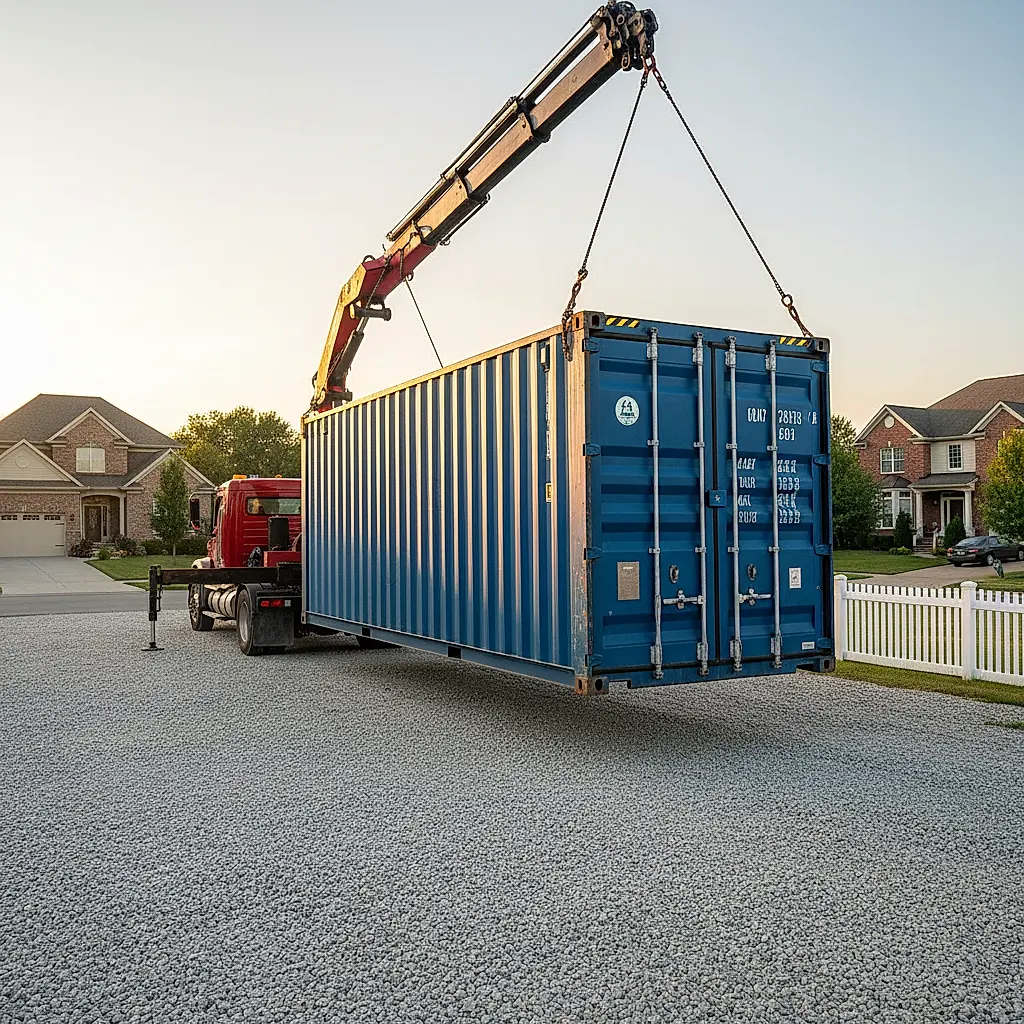
A practical guide to rent-to-own shipping containers for sale near you, covering how agreements work, what to inspect, delivery planning, and questions to ask before signing.
Rent-to-own shipping containers can look like an easy way to get a steel container without paying the full amount up front. The appeal is obvious: you make scheduled payments, and at some point the container becomes yours. But the details behind that simple description vary a lot from one agreement to another. Before you sign anything, it helps to understand how these arrangements typically work, what to inspect, and which questions to ask in writing.
This guide is written for buyers, property owners, and project planners who are comparing options. It focuses on practical decision points rather than hype. For exact specifications, availability, pricing, and delivery details on any specific container, confirm everything with the Newport team before you commit.
How Rent-to-Own Shipping Containers Usually Work
A rent-to-own arrangement is a payment plan with an ownership transfer at the end. In most cases, you choose a container, agree to a payment schedule, and make payments over a set period. When the terms are satisfied, ownership transfers to you. Some agreements include an option to buy out early; others do not.
Because these agreements are contracts, the fine print matters more than the headline. Two plans with similar monthly payments can differ in total cost, fees, maintenance responsibility, and what happens if you miss a payment.
Common Structures You May Encounter
- Lease-to-own with a purchase option. You lease the container for a term, and at the end you have the option to buy it, often for a set residual amount.
- Rent-to-own with ownership at term end. Payments continue until the term is complete, then ownership transfers automatically once all conditions are met.
- Rent-to-own with early payoff. The agreement allows you to pay the remaining balance early, sometimes with a discount and sometimes with a fee.
- Rent-first with a separate purchase. You rent month to month, and later decide whether to buy the same container or a different one.
Each structure shifts risk differently. A lease with a purchase option gives you flexibility but may cost more overall if you complete the purchase. A rent-to-own plan with automatic transfer is simpler, but you need to be confident you can keep up with payments.
What to Confirm in Writing
- Total cost if you complete the full term
- Whether sales tax, delivery, or other charges are included or added later
- Who handles maintenance and repairs during the term
- What happens if a payment is late or missed
- Whether early payoff is allowed and how it is calculated
- The condition standard the container must be in at the end of the term
- When and how the title or ownership document transfers to you
If any of these points are unclear, ask for clarification before signing. A written answer is more useful than a verbal one.
What to Inspect Before You Choose a Container
A payment plan does not change the condition of the steel box you are paying for. Inspect the container as carefully as you would if you were buying it outright.
Condition Factors That Matter
- Corten steel construction. Most shipping containers are built from weathering steel, which is designed to handle outdoor exposure. Confirm the material with the listing or the Newport team.
- Floor condition. Check for soft spots, delamination, or moisture damage. Wood or bamboo floors can degrade if the container has been wet.
- Door operation. Doors should open and close smoothly, and the locking bars and seals should work properly.
- Rust and corrosion. Surface rust is common; deep pitting or rust-through is a different matter. Look along the bottom rails and around the door frames.
- Dents and repairs. Some dents are cosmetic. Others may affect structural integrity or weather resistance.
- CSC plate. The CSC plate shows safety approval information. Read it and ask questions if anything is unclear.
- Ventilation and moisture. Condensation inside a sealed steel box is normal in many climates. Consider ventilation or desiccant options if you plan to store moisture-sensitive goods.
Questions to Ask About the Specific Unit
- Is this a one-trip, cargo-worthy, or wind-and-water-tight container?
- Has it been modified, and if so, by whom?
- Are there any known leaks or structural repairs?
- What is the exact nominal size and height of this unit?
- Can I see photos of the actual container, not a representative image?
Approximate nominal lengths, widths, and standard or high-cube heights are useful for planning, but exact dimensions and ratings should come from the individual listing and the CSC plate. Do not rely on general assumptions when you are planning a project.
Planning Delivery and Site Access
Delivery is often the part of a container purchase that causes the most surprises. A container is heavy, bulky, and difficult to move once it is on the ground. Planning ahead reduces the chance of a failed delivery or damage to your property.
Site Access Checklist
- Approach path. Is the route wide enough and strong enough for the delivery vehicle and any lifting equipment?
- Overhead clearance. Check for tree limbs, power lines, and low structures along the route.
- Ground conditions. Soft ground, slopes, and recent rain can affect whether a truck can reach the placement spot.
- Placement area. Confirm the container will sit on a level, stable surface. Blocks or a prepared pad are common approaches.
- Turning space. The driver may need room to maneuver. Discuss this with the delivery team in advance.
- Permits and rules. Local rules about temporary structures, setbacks, and placement can vary. Check with your local authority about what applies to your property.
What to Discuss With the Delivery Team
- The exact delivery address and any access notes
- Whether a site visit or photos of the route would help
- Any equipment the team expects to use and what they need from you
- Who is responsible for placement once the container is on site
- What happens if the container cannot be delivered as planned
Do not assume that a particular container size will require or avoid permits, or that delivery will always need specific extra equipment. Those details depend on your site, your local rules, and the delivery team's assessment. Confirm them directly.
Comparing Rent-to-Own With Buying Outright
Rent-to-own is not automatically better or worse than paying in full. It depends on your cash flow, how long you need the container, and how much total cost matters to you.
When Rent-to-Own May Make Sense
- You need the container now but prefer to spread payments over time.
- You expect to keep the container long term and want a path to ownership.
- You want to test how you use the container before committing to a permanent purchase.
When Buying Outright May Make Sense
- You have the funds available and want to avoid financing costs.
- You want the simplest possible ownership situation with no payment schedule to manage.
- You plan to modify the container and want clear ownership before you invest in changes.
Trade-Offs to Weigh
- Total cost. Rent-to-own usually costs more over time than paying in full, because the plan includes the cost of carrying the balance.
- Flexibility. Some agreements are rigid about early payoff or missed payments.
- Maintenance. Clarify who is responsible for repairs during the term.
- Modification rules. If you want to cut windows, add doors, or insulate, check whether the agreement allows it.
- End-of-term condition. Understand what condition the container must be in when ownership transfers.
If you are unsure which path fits, compare the total cost of the rent-to-own plan against the cost of buying outright, including any delivery and site preparation. Ask the Newport team for the specific numbers that apply to the container you are considering.
Modifications, Use, and Long-Term Ownership
Shipping containers are used for storage, workshops, offices, and many other purposes. If you plan to modify the container, think about how that interacts with a rent-to-own agreement.
Modification Considerations
- Permission. Confirm whether modifications are allowed during the term.
- Structural changes. Cutting into structural members can affect strength and weather resistance. Get guidance before making changes.
- Insulation and ventilation. Steel conducts heat and cold. Insulation and ventilation are common additions for comfort and moisture control.
- Utilities. Running power or water requires planning and, in many cases, local permits.
- Reversibility. Some modifications are hard to undo. Consider whether that matters for your agreement.
Long-Term Care Basics
- Keep the roof clear of debris and standing water.
- Inspect door seals and replace them when they wear out.
- Address rust early, especially around the bottom rails and door frames.
- Maintain airflow inside to reduce condensation.
- Reapply protective coatings as needed, following product instructions.
These are general maintenance practices, not a substitute for the manufacturer's or a professional's guidance. For specific products and procedures, confirm with qualified suppliers or contractors.
Frequently Asked Questions
Are rent-to-own shipping containers a good deal?
It depends on the total cost and your situation. Rent-to-own can make a container accessible when paying in full is not practical, but the total amount paid over the term is often higher than an outright purchase. Compare the full cost, fees, and terms before deciding. Ask the Newport team for the specific numbers on the container you are considering.
Do rent-to-own plans require a credit check?
Terms vary by provider and agreement. Some plans advertise no credit check, while others review credit or payment history. Do not assume a specific approval process. Ask directly what information is required and how approval decisions are made.
What happens if I miss a payment?
That depends entirely on the agreement. Possible outcomes include late fees, a grace period, default, or loss of the container. Read the payment terms carefully and ask what happens in each scenario before you sign.
Can I buy the container early?
Many agreements allow early payoff, but the calculation and any fees vary. Ask whether early payoff is allowed, how the remaining balance is calculated, and whether there is a discount or a penalty.
Who is responsible for delivery and site preparation?
Responsibility varies by agreement and by site. Delivery logistics, site access, and placement are usually discussed in advance. Confirm what the delivery team handles and what you need to prepare, and check with your local authority about any rules that apply to your property.
Next Steps
Start by deciding what you need the container for, how long you expect to keep it, and how much total cost you are comfortable with. Then compare the specific containers and terms available.
- Browse current options on the shop page.
- Gather your site details, including access notes and photos of the placement area.
- Write down your questions about payment terms, condition, and delivery.
- Contact the Newport team through the contact page to confirm availability, pricing, specifications, and delivery requirements for the container you have in mind.
Getting clear answers before you commit is the most reliable way to avoid surprises later.
Plan the next step
Confirm the container and the delivery plan.
Browse current listings, then speak with the Newport team to verify the unit, total pricing, site access, and delivery requirements before payment.