
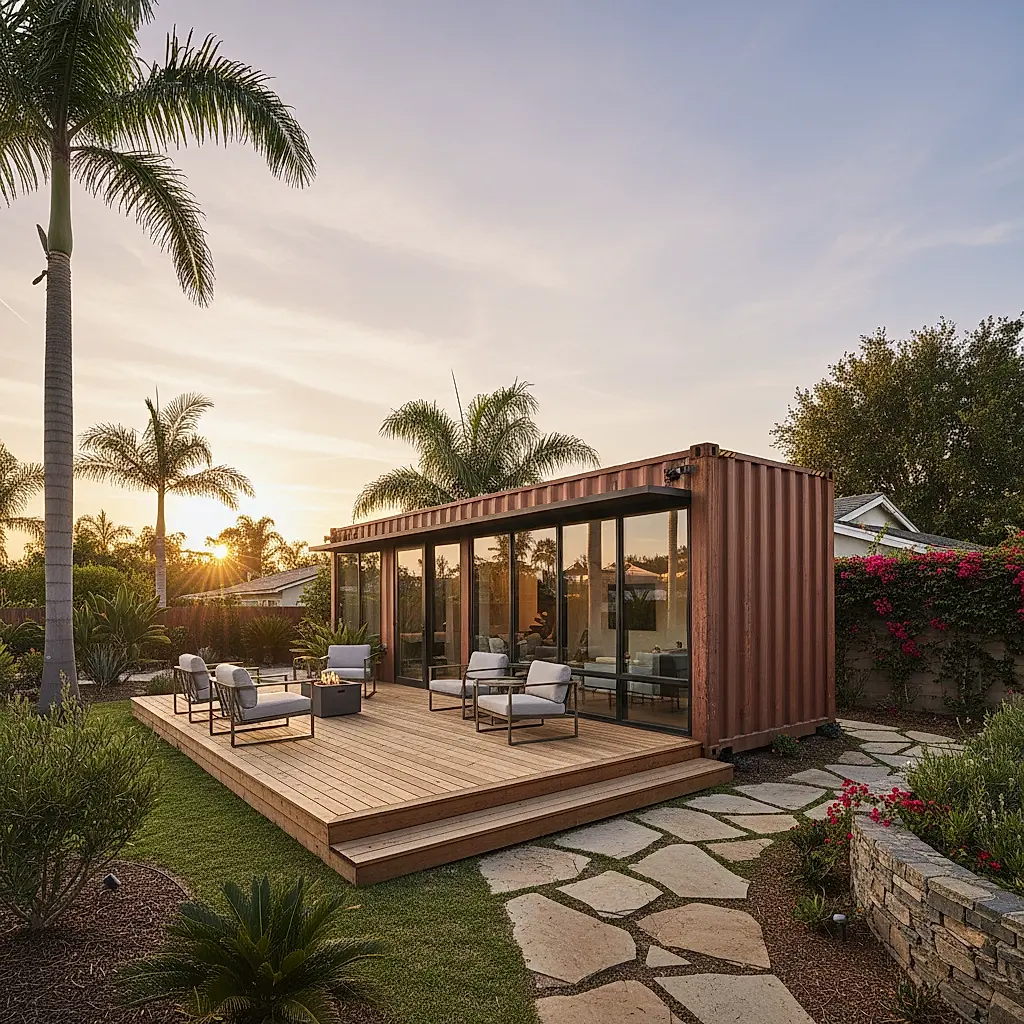
Planning a container ADU? This guide breaks down the cost categories, permit steps, and site questions to resolve before you buy—without guesswork.
Why a Container ADU Is a Planning Project, Not a Purchase
A shipping container accessory dwelling unit (ADU) can be an appealing path to a small secondary home, a guest suite, or a rental unit. But the phrase "container ADU cost" hides a lot of variability. The container itself is only one line item. Site work, foundation, utilities, insulation, interior finishes, permits, and professional labor typically drive the final number—and those costs vary by location, design, and local requirements.
This guide is for buyers and project planners who want a realistic framework. It will not quote a single price or promise a permit outcome, because those depend on your property, your jurisdiction, and your chosen design. Instead, it explains the categories you need to price out and the questions you should ask before committing.
The Main Cost Categories You Need to Budget For
When people search for container ADU prices, they often compare only the box. A more useful approach is to build a budget with separate buckets. That way, you can see where your project is flexible and where it is not.
The Container Shell
A new or used shipping container is the starting point. Condition matters: a one-trip container will generally cost more than a used, wind-and-water-tight unit. You may also pay for delivery, offloading, and placement. If you plan a 40-foot layout, confirm the exact external and internal dimensions on the listing, since nominal length, width, and height are not the same as usable interior space after framing and insulation.
Site Work and Foundation
Container ADUs are heavy, and they need a level, stable base. Depending on your site, you may need grading, a concrete slab, piers, or a engineered foundation. Access for delivery equipment is a separate question. Do not assume a standard delivery truck can reach the placement point; confirm site access and delivery requirements with the Newport team and your contractor.
Cutting, Framing, and Structural Modifications
Cutting openings for doors and windows changes how a container carries loads. A structural engineer or qualified builder should review any significant modification. This is a cost category that is easy to underestimate, especially if you want large glass openings or an open-plan interior.
Insulation, HVAC, and Moisture Control
Steel conducts heat and cold, and it can condense moisture. A livable ADU needs a well-designed thermal envelope, ventilation, and climate control. The right approach depends on your climate and how the unit will be used. Ask your builder how they plan to manage thermal bridging, condensation, and air quality.
Plumbing, Electrical, and Utilities
Connecting to water, sewer or septic, and power is often one of the largest and most variable costs. The distance from existing service, the capacity of your current systems, and local code requirements all affect the number. If you are considering an off-grid or partial-off-grid design, price the equipment and maintenance separately.
Interior Finishes and Fixtures
Flooring, walls, cabinetry, appliances, lighting, and fixtures are where budgets can expand quickly. A container ADU can be finished to many different levels. Decide early whether you are building a simple guest space or a full-time residence, because that choice changes code requirements and cost.
Professional Fees and Permits
Architect or designer fees, engineering, permit fees, inspections, and contractor overhead belong in your budget from the start. These are not optional extras in most jurisdictions; they are part of getting a legal, insurable structure.
Permits and Code: What to Verify Locally
Permit rules for ADUs are local. State laws, county zoning, and city ordinances can all apply, and they can change. This article cannot tell you whether your project needs a permit, how long approval will take, or what a specific size will require. Those answers come from your local planning or building department.
Questions to Ask Your Planning Department
- Is an ADU allowed on my property, and under what conditions?
- Are there minimum or maximum size limits for an ADU?
- Are there setback, height, or lot coverage rules that affect placement?
- What inspections and drawings will be required?
- Are there owner-occupancy or rental restrictions?
- Does a container-based structure require any special review?
Questions to Ask Your Builder or Engineer
- How will you document the structural modifications?
- What foundation design do you recommend for my soil and climate?
- How will the unit meet energy and ventilation requirements?
- What is included in your quote, and what is excluded?
Get answers in writing where possible. A permit path that looks simple in conversation can become complex when drawings are submitted.
How to Compare Container ADU Options Without Guesswork
Comparing options is easier when you separate what you know from what you still need to confirm.
Build a Comparison Table
For each option you are considering, list:
- Container size and condition
- Delivery and placement requirements
- Foundation type
- Insulation and HVAC approach
- Plumbing and electrical scope
- Interior finish level
- Permit and engineering responsibility
- Who manages the project
Watch for Missing Line Items
Quotes that look low often exclude delivery, site work, utilities, or permits. Ask for a written scope that states inclusions and exclusions. If a number seems surprisingly low, find out what is not in it.
Confirm Listing Details Before You Buy
Container listings can differ in condition, dimensions, door type, and availability. Confirm the specifics of the individual listing—including exact dimensions and condition—with the Newport team before you finalize a design. Nominal size descriptions are a starting point, not a substitute for the actual unit's details.
Site Access, Delivery, and Placement Considerations
Delivery is a common source of surprises. The equipment needed depends on the container, the site, and the access route. Rather than assume, verify.
What to Check Before Delivery Day
- Is there a clear path for the delivery vehicle and any lifting equipment?
- Are there overhead wires, tree limbs, gates, or tight turns?
- Is the ground firm enough to support the vehicle and the load?
- Where exactly should the container be placed, and who will guide it?
- Are there local permits or street closures required for delivery?
Confirm delivery coverage and site requirements with the Newport team. If access is uncertain, resolve it before scheduling.
A Realistic Planning Sequence
A container ADU project tends to move through predictable phases. Your timeline will vary, but the order of decisions is useful.
- Define the use: guest suite, rental, office, or full-time residence.
- Check local ADU rules with your planning department.
- Set a budget with contingency for unknowns.
- Choose a container size and confirm listing details.
- Engage a designer, engineer, or builder.
- Plan site work, foundation, and utilities.
- Prepare and submit permit documents.
- Schedule delivery and placement.
- Complete modifications, insulation, and finishes.
- Pass inspections and connect utilities.
Each step can change the next. For example, a foundation decision may depend on soil conditions, and a utility connection may depend on capacity. Treat the sequence as a loop, not a straight line.
Frequently Asked Questions
How much does a shipping container ADU cost?
There is no single reliable number. The container is one part of a budget that also includes site work, foundation, utilities, insulation, finishes, professional fees, and permits. The best approach is to price each category for your specific site and design, then add contingency. Confirm current container pricing and availability with the Newport team.
Do I need a permit for a container ADU?
Permit requirements are set locally. Some jurisdictions treat container ADUs like other accessory structures; others have specific rules. Do not assume a particular size avoids permits. Contact your local planning or building department for the rules that apply to your property.
Is a 40-foot container a good size for an ADU?
A 40-foot container offers more length than a 20-foot unit, which can allow for a fuller layout. Whether it fits your site, budget, and program depends on setbacks, access, and design. Review exact dimensions on the listing and discuss layout with a designer.
Can I build a container ADU myself?
Some owners manage parts of the project, but structural modifications, utilities, and code compliance usually require licensed professionals. Check local licensing rules and your own comfort with the scope. A qualified team can help you avoid costly rework.
What should I confirm before ordering a container?
Confirm the exact unit, its condition and dimensions, availability, price, delivery coverage, and site access requirements. Ask about the CSC plate if you need certification details, and verify any specification you plan to rely on. The Newport team can help you confirm listing specifics.
Next Steps: Turn Research Into a Plan
Start by writing down your intended use, your site constraints, and your budget range. Then contact your local planning department and a qualified builder or designer. When you are ready to evaluate container options, browse current listings at our shop and reach out with your questions at our contact page. The Newport team can help you confirm listing details, availability, pricing, and delivery requirements so you can plan with clearer information.
Plan the next step
Confirm the container and the delivery plan.
Browse current listings, then speak with the Newport team to verify the unit, total pricing, site access, and delivery requirements before payment.