
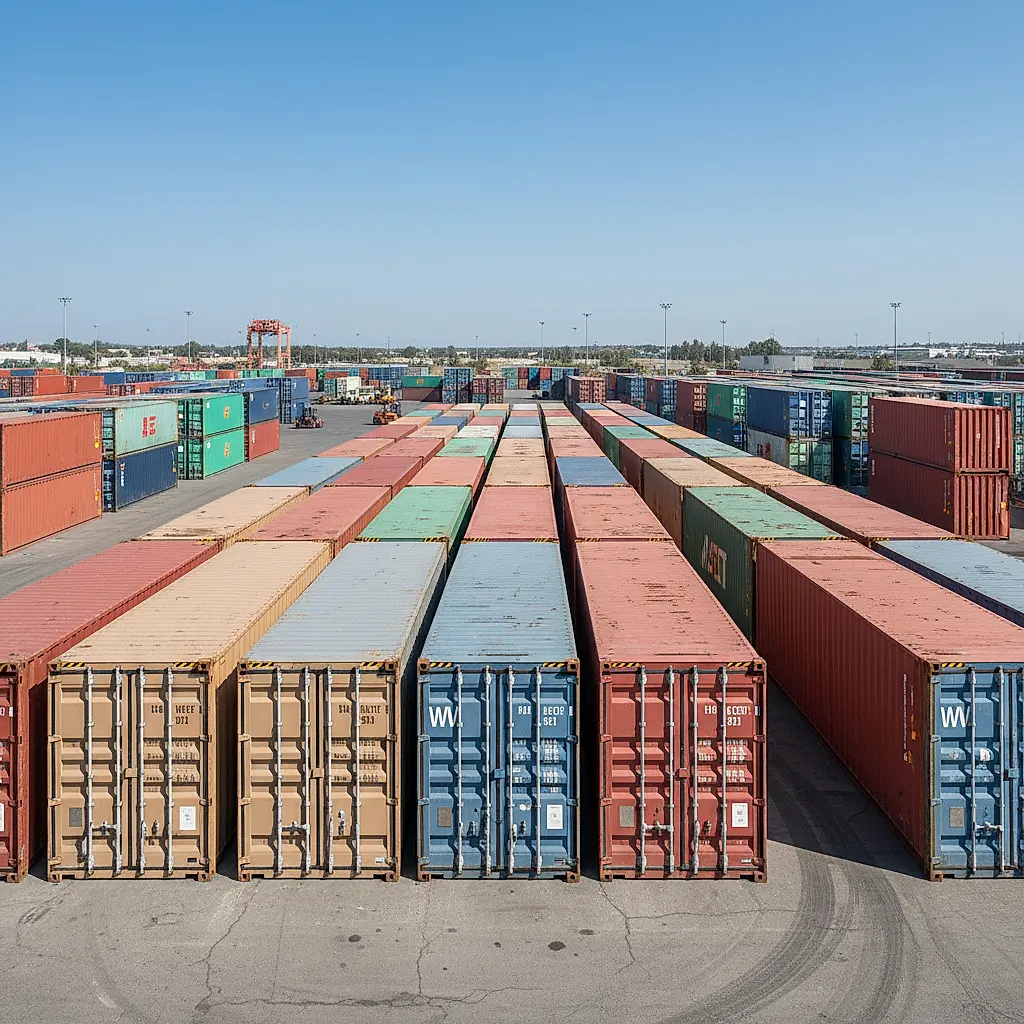
Learn how shipping container grades affect storage suitability, what wear and tear to inspect, and how to choose the right condition for furniture and other valuables.
Why Container Grade Matters for Storage
When you buy a shipping container for storage, the grade is a shorthand for its condition. It tells you how much wear the unit has seen in service and what you can reasonably expect from it as a secure, weather-resistant space. Grade is not a single universal standard; different sellers use different labels. The practical approach is to understand what each grade generally means, then inspect the specific unit or ask for detailed photos and notes.
For storage, the key questions are simple: Is the structure sound? Does it keep water out? Are the doors easy to operate and lock? Does the floor support what you plan to store? Grade helps you narrow the field, but the individual container's condition is what matters most.
Newport Shipping Containers LLC sells containers in Newport, TN. We encourage buyers to confirm the grade, condition notes, and availability for each listing with our team before making a decision.
Common Container Grades and What They Usually Mean
One-Trip / New-Grade Containers
A one-trip container was used to move cargo once, then taken out of shipping service. These units typically show minimal wear: straight panels, clean paint, tight doors, and a dry interior. They are often the best choice when appearance matters or when you want the longest possible service life.
For storage, a one-trip container is a strong option if you are storing furniture, electronics, documents, or anything sensitive to moisture and dust. The trade-off is cost. One-trip units usually command a premium because they are closer to new condition.
Cargo-Worthy (CW) Containers
Cargo-worthy containers are still approved for international freight. They are wind- and water-tight, structurally sound, and suitable for shipping goods. They may show cosmetic wear: scuffs, minor dents, surface rust, and faded paint. The doors should seal properly and the floor should be solid.
For most storage buyers, cargo-worthy is the sweet spot. You get a reliable, weather-resistant structure at a lower price than one-trip. If you can accept cosmetic imperfections, this grade often delivers the best value.
Wind- and Water-Tight (WWT) Containers
WWT containers are no longer used for freight but are still expected to keep wind and water out. They may have more dents, rust, or patched areas than cargo-worthy units. The structure is generally sound, but the container may not meet shipping-line requirements.
For storage, WWT can work well if you are storing less sensitive items: tools, lawn equipment, building materials, or seasonal gear. Inspect the roof, door seals, and floor carefully. Minor leaks can usually be repaired, but you want to know about them before you buy.
As-Is / Used Containers
As-is containers are sold in the condition they are in, with no guarantee of water tightness or structural perfection. They may have significant rust, holes, or door issues. These units are often the cheapest option.
As-is containers can be a fit for rough storage, temporary use, or projects where you plan to modify the container anyway. They are generally not the right choice for furniture, electronics, or anything that must stay dry. If you are considering as-is, inspect in person or ask for detailed photos of the roof, floor, and doors.
Specialty and Modified Grades
Some sellers offer containers that have been modified for storage: added vents, shelving, lighting, or personnel doors. These are not grades in the traditional sense, but they affect suitability. Modified containers can be convenient, but modifications can also introduce leak points if not done well. Ask how the work was performed and whether the container remains structurally sound.
How to Evaluate Wear and Tear Before You Buy
Grade labels are a starting point. The real test is a close look at the container's condition. Use this checklist whether you inspect in person or review photos and notes from the seller.
Roof
Look for rust, pinholes, and standing water. The roof is the most common source of leaks. Surface rust is normal; deep corrosion or soft spots are not. If you cannot see the roof in photos, ask for images taken from above.
Doors and Seals
Open and close the doors. They should move smoothly and seal tightly against the gaskets. Check the gaskets for cracks, tears, or compression. Worn gaskets are replaceable, but they are a sign of age. Confirm that the locking bars and handles work and that the door hardware is not bent.
Floor
The floor is usually plywood or steel. Check for soft spots, delamination, rot, and moisture stains. A solid floor is important for heavy items and for keeping humidity down. If the floor is damp, investigate the source before you buy.
Walls and Structure
Look for dents, bends, and rust along the bottom rails and corner posts. Minor dents are cosmetic. Deep bends or rust that has eaten through the metal can affect structural integrity. Check that the container sits flat and that the corner castings are intact.
Interior
A dry interior with no musty smell is a good sign. Look for water stains on the ceiling and walls. If the container has been used for chemicals or food, ask about previous contents. Odors can linger and may affect what you can store.
Paint and Finish
Faded or chalky paint is normal for used containers. Peeling paint can indicate moisture behind the surface. Surface rust on the exterior is common; rust that is flaking or pitted is more concerning.
Matching Grade to What You Plan to Store
Different contents have different tolerances for moisture, dust, and temperature swings. Here is how to think about grade in relation to common storage needs.
Furniture and Household Goods
Furniture, mattresses, and upholstery are sensitive to moisture and pests. A one-trip or cargo-worthy container with tight doors and a dry floor is usually the better choice. Add ventilation or moisture control if the container will sit in a humid climate. Avoid as-is units unless you plan to make repairs and control humidity.
Electronics and Documents
Electronics and paper need a dry, stable environment. Look for a container with no history of leaks and a solid floor. Consider a one-trip unit or a well-maintained cargo-worthy container. Desiccant packs and a small vent can help, but they are not a substitute for a water-tight structure.
Tools, Equipment, and Vehicles
Tools and equipment are more forgiving. A cargo-worthy or WWT container can work well, especially if you add shelving and a ramp. For vehicles, check the floor strength and door width. Confirm that the container can be placed where you need it and that you can get the vehicle in and out safely.
Building Materials and Seasonal Items
Lumber, landscaping supplies, and seasonal gear can tolerate more wear. A WWT or as-is container may be sufficient if it keeps rain out. Even here, standing water and pests can cause problems, so inspect the roof and floor.
Business and Project Storage
If you are storing inventory, tools, or project materials, reliability matters. A cargo-worthy container with a lockable door and a dry interior is often the practical choice. If the container will be visible to customers, a one-trip unit may be worth the extra cost for appearance.
Questions to Ask Before You Commit
Grade is only one part of the decision. Before you buy, clarify these points with the seller:
- What grade is this specific container, and how is that grade defined?
- Can you provide current photos of the roof, floor, doors, and interior?
- Has the container been tested for water tightness? If so, how recently?
- Are there any known leaks, soft spots, or door issues?
- What are the exact nominal dimensions and height (standard or high cube)?
- Is the container available for inspection before purchase?
- What are the delivery requirements for my site, and what access do you need?
- Are there any local permits or site rules I should confirm?
If a seller cannot answer these questions, treat that as a signal to look more closely or ask for more information. Newport Shipping Containers encourages buyers to confirm listing details, availability, pricing, and delivery requirements with our team.
Understanding Container Sizes and Heights
Most storage containers come in nominal lengths of 20 feet and 40 feet, with a standard width of about 8 feet. Height is either standard or high cube. High-cube containers offer more interior headroom, which can be useful for tall items or shelving. Exact dimensions vary by manufacturer and model, so check the individual listing and the CSC plate for the specific unit.
A common mistake is assuming a container size will fit a particular use without measuring. Instead of guessing, measure your items and compare them to the interior dimensions in the listing. If you are unsure, ask the Newport team for the details on the unit you are considering.
Delivery and Site Planning Basics
Delivery is a major part of container ownership. The container must be moved from the seller to your site, often on a tilt-bed or roll-off truck. The truck needs a clear path, adequate turning space, and a firm surface. Overhead obstacles such as tree limbs and power lines can block delivery.
Before you schedule delivery, confirm:
- The site address and any gate codes or access restrictions.
- The surface where the container will sit (concrete, gravel, dirt, or pavement).
- Whether the ground is level and stable.
- The amount of clearance needed for the truck and the container.
- Any homeowner association or local rules that may apply.
Delivery requirements vary by location and equipment. Do not assume a particular truck or placement method. Confirm the specifics with the Newport team and your local authority.
Frequently Asked Questions
What is the best container grade for storing furniture?
For furniture, a one-trip or cargo-worthy container with a dry interior and tight door seals is usually the better choice. Furniture is sensitive to moisture, so avoid units with known leaks or soft floors. If you use a WWT container, inspect it carefully and consider moisture control.
How can I tell if a used container is water-tight?
Look for rust, water stains, and soft spots on the roof, walls, and floor. Check the door gaskets and seals. Ask the seller whether the container has been tested and when. A visual inspection is helpful, but it is not a guarantee. For critical storage, ask about testing or inspect in person.
Does a higher grade mean the container will last longer?
Generally, a container in better condition has more remaining service life, but many factors affect longevity: climate, maintenance, how it is placed, and how it is used. A well-maintained cargo-worthy container can serve for many years. A neglected one-trip container can deteriorate faster than expected. Regular inspection and care matter.
Can I modify a used container for better storage?
Yes, many buyers add vents, shelving, lighting, or a personnel door. Modifications can improve usability, but they can also create leak points if not done properly. Ask how the work was performed and whether it affects the container's structure or water tightness. Confirm any local requirements before you modify.
What should I confirm with Newport before buying?
Confirm the specific container's grade, condition notes, availability, pricing, and delivery requirements. Ask for current photos if you cannot inspect in person. If you have questions about site access or local rules, check with the Newport team and your local authority before you commit.
Next Steps
Choosing a container grade is a balance between condition, budget, and what you plan to store. Start by deciding how sensitive your contents are to moisture and how long you need the container to last. Then compare grades and inspect the specific unit.
Browse current listings at our shop to see available containers and their details. If you have questions about grades, sizing, or delivery, contact the Newport team. We are happy to help you confirm the details so you can make a confident decision.
Plan the next step
Confirm the container and the delivery plan.
Browse current listings, then speak with the Newport team to verify the unit, total pricing, site access, and delivery requirements before payment.