
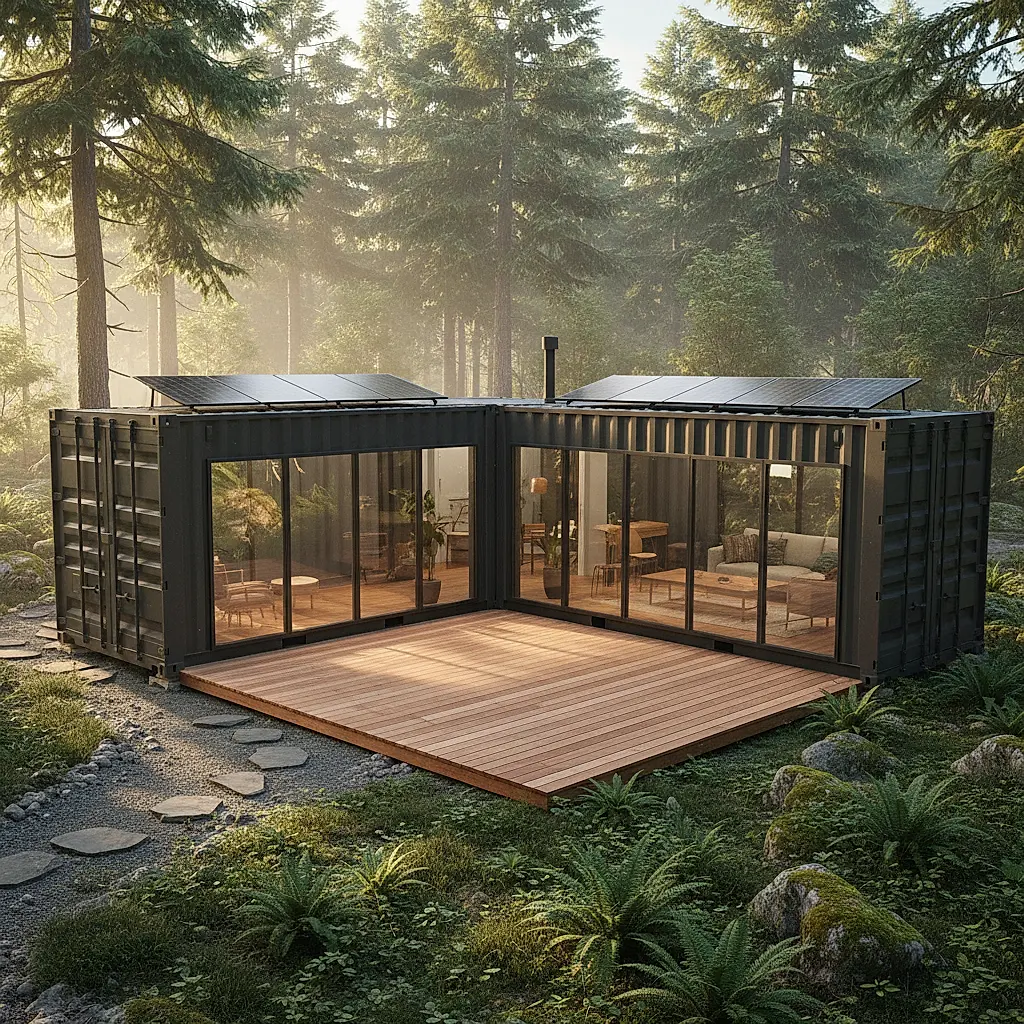
Plan a two-bedroom container home budget without guesswork. Learn the cost categories, decisions, and unknowns to discuss with Newport before you buy.
Building a two-bedroom container home starts with a budget that reflects real decisions, not just container prices. This guide walks through the major cost categories you will encounter, the choices that drive each one, and the questions to ask before committing. It does not quote prices or promise outcomes—those depend on your site, your design, local requirements, and current market conditions. Use it as a framework for conversations with the Newport team and your builder.
Start With the Container Shell, Not the Floor Plan
The container is the first line item, but it is rarely the whole story. Two-bedroom layouts often use one or two containers, and the shell cost depends on condition, size, and modifications.
New vs. used containers
New containers typically cost more than used ones but arrive with fewer unknowns. Used containers may show surface rust, dents, or previous cargo residue. Ask for photos and condition details for the specific unit you are considering. Confirm availability and pricing with Newport before you build a budget around a listing.
Standard vs. high-cube height
A standard container is roughly 8 feet wide and about 8.5 feet tall. A high-cube adds about a foot of interior height, which can make a meaningful difference in a finished living space. Exact dimensions vary by unit, so check the individual listing and the CSC plate for the container you plan to buy.
One container or two
A single container can be divided into rooms, but two-bedroom designs often connect two containers side by side or end to end. Two containers increase shell cost but can simplify interior layout. The right choice depends on your design goals and how much interior wall you are willing to add.
Modifications that change the shell price
Cutting openings for doors and windows, removing interior ribs, and reinforcing structural areas are common steps. Each modification adds labor and engineering considerations. Some cuts affect the container's structural behavior, so work with people who understand container modification.
Site Work and Delivery: The Costs Buyers Underestimate
Delivery and site preparation are frequently the largest variables outside the container itself. They depend on your location, access, and ground conditions.
Access and equipment
A delivery truck needs a route to your site and room to maneuver. Trees, fences, low wires, soft ground, and narrow driveways can all affect how a container is placed. Do not assume a standard delivery will work—describe your site honestly to the Newport team and ask what they need to know.
Foundation and ground preparation
Containers need a level, stable base. Options include concrete pads, piers, or engineered foundations. The right choice depends on soil, frost depth, and local code. A soil or site evaluation may be required before you finalize a foundation plan.
Utilities and permits
Connecting water, sewer, and electricity involves trenching, inspections, and permits. Permit requirements vary by jurisdiction, so confirm them with your local authority. Do not rely on general advice about whether a given size needs fewer permits—rules differ by location and intended use.
Weather and scheduling
Delivery windows, ground conditions, and inspection schedules can shift timelines. Build contingency into both your budget and your calendar.
Interior Build-Out: Where Two-Bedroom Plans Diverge
Once the shell is set, interior work becomes the biggest cost category. Two-bedroom layouts add walls, doors, and separate climate zones, which affect plumbing and electrical runs.
Framing, insulation, and walls
Containers are steel, and steel conducts heat and cold. Insulation and thermal breaks are important for comfort. Interior framing creates space for insulation, wiring, and plumbing, but it reduces usable floor area. Plan room sizes with that loss in mind.
Plumbing
Two bedrooms often mean two bathrooms or at least a bathroom plus a kitchen and laundry. Plumbing cost depends on how far fixtures are from supply and drain lines and whether you use a slab, crawlspace, or raised foundation. Grouping wet walls reduces runs and cost.
Electrical
Electrical work includes service entry, panel, outlets, lighting, and any low-voltage systems. A two-bedroom home may need more circuits than a studio, especially with modern appliances and heating and cooling. A licensed electrician should design and install the system to local code.
HVAC
Steel containers need thoughtful heating and cooling. Ducted systems, mini-splits, and other options each have different installation and operating implications. The right choice depends on your climate, insulation, and layout.
Kitchen, bathrooms, and finishes
Cabinets, countertops, fixtures, flooring, and paint are highly variable. Durable, moisture-resistant materials are often worth the investment in a container home. Finishes are where budgets can expand quickly, so decide early what is essential and what can wait.
Windows and doors
Cutting openings and installing windows and doors affects both cost and structural performance. The number, size, and type of openings should be decided with your builder and, where required, an engineer.
A Decision Framework for Your Budget
Instead of a single number, build your budget around decisions. This approach helps you compare options and avoid surprises.
Separate fixed and variable costs
Fixed costs include the container shell and major site work. Variable costs include finishes, fixtures, and optional features. Track them separately so you can adjust the variable side if needed.
Get local quotes for site-specific work
Delivery, foundation, utilities, and permits are local. Ask local contractors for quotes based on your actual site. Newport can help with container questions, but site work is typically handled by local professionals.
Plan for contingencies
Renovation and construction projects commonly encounter unknowns. A contingency line in your budget is a planning tool, not a prediction. The size of that line depends on your risk tolerance and how much of the work you have already scoped.
Confirm every listing detail
Prices, availability, and specifications change. Before you buy, confirm the exact container, its condition, and its dimensions with the Newport team. Do not rely on general figures from any guide, including this one.
Frequently Asked Questions
How much does a two-bedroom container home cost?
There is no single number. Cost depends on container condition and size, site work, utilities, permits, interior finishes, and local labor rates. The most reliable approach is to price each category for your specific site and design. Newport can help you confirm container details, while local contractors and authorities handle site-specific costs.
Can I use one container for two bedrooms?
It is possible to divide a single container into rooms, but two-bedroom layouts often use two containers to gain space and simplify plumbing and electrical runs. The right choice depends on your design goals and local requirements. Discuss layout options with your builder and confirm container dimensions with Newport.
Do I need a foundation for a container home?
Containers need a level, stable base. The type of foundation—concrete pad, piers, or engineered system—depends on your soil, climate, and local code. A site evaluation may be needed. Confirm requirements with your local building authority.
How long does a two-bedroom container home project take?
Timelines vary widely based on permitting, site work, weather, and contractor availability. Some phases can overlap, but inspections and material lead times can add delays. Build a realistic schedule with your builder rather than relying on general estimates.
Can Newport deliver to my site?
Delivery coverage and site requirements vary. Contact Newport with your location and site details so the team can explain what is possible and what information they need. Do not assume a standard delivery will work until you have confirmed it.
Next Steps: Turn Planning Into a Real Budget
Start by browsing available containers and confirming the details that matter for your project. Visit our shop to see current listings, then contact the Newport team with your site location, access notes, and design questions. They can help you confirm container specifications, availability, and delivery considerations so you can build a budget on facts rather than assumptions.
As you plan, keep these principles in mind:
- Confirm every container detail with Newport before you buy.
- Get local quotes for site work, utilities, and permits.
- Separate fixed and variable costs in your budget.
- Plan for contingencies without treating them as predictions.
- Verify local requirements with your building authority.
A two-bedroom container home can be a practical and distinctive project. The key is to treat the budget as a set of decisions, not a single figure, and to confirm the unknowns before they become costs.
Plan the next step
Confirm the container and the delivery plan.
Browse current listings, then speak with the Newport team to verify the unit, total pricing, site access, and delivery requirements before payment.