
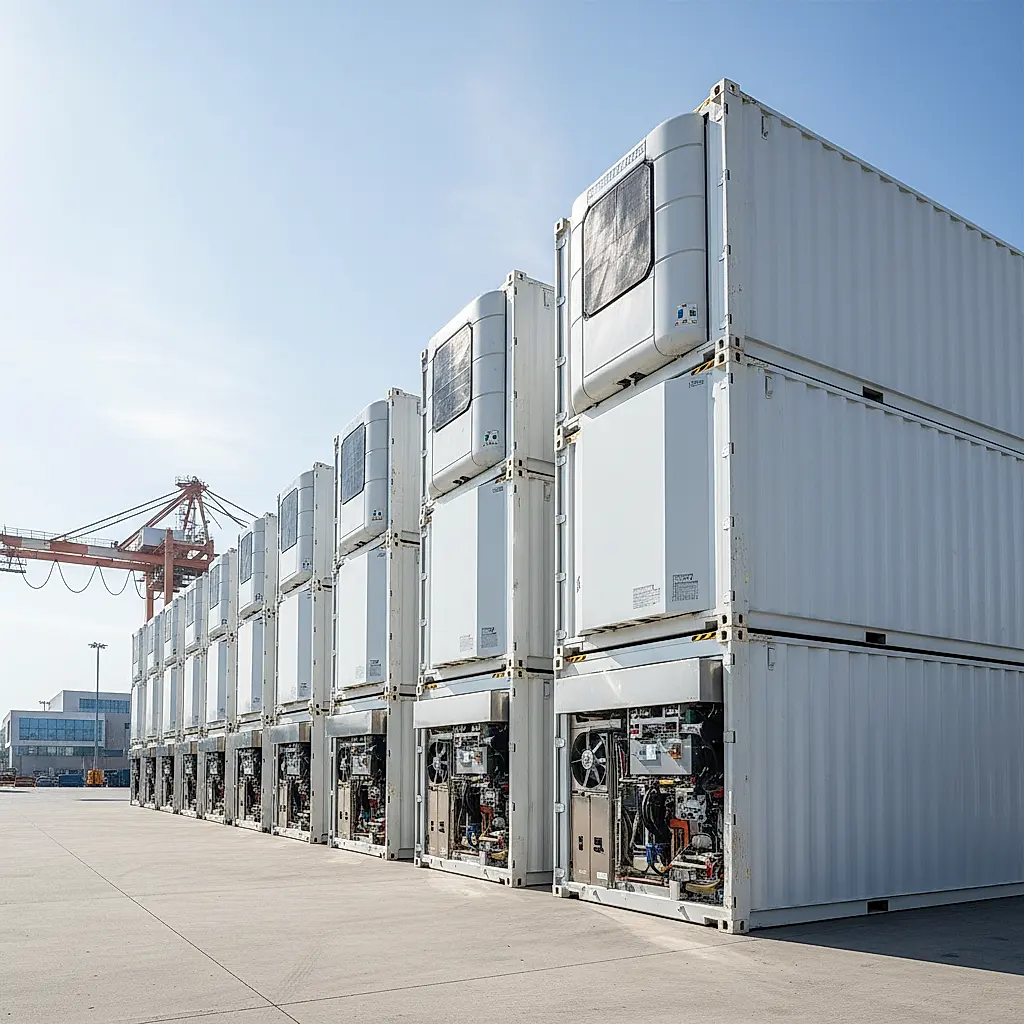
A practical guide to evaluating used refrigerated shipping containers, including size options, condition checks, and questions to ask before purchase.
Why Buy a Used Reefer Container?
A used refrigerated shipping container, often called a reefer, can be a practical choice for cold storage, temporary refrigeration, or a specialized workspace. Unlike a standard dry container, a reefer includes insulation and a refrigeration unit, which makes it useful for temperature-sensitive goods, events, or agricultural operations.
Buying used rather than new can stretch a budget, but it also means you are evaluating a machine that has already lived a working life. The condition of the refrigeration unit, the integrity of the box, and the history of maintenance matter more than a simple price tag. This guide walks through what to inspect, what to ask, and how to plan delivery so you can make a confident decision.
Understanding Reefer Sizes and Configurations
Reefer containers are generally described by nominal length. The most common options are 20-foot and 40-foot units. A 20-foot reefer is often chosen when space is limited or when the refrigeration demand is smaller. A 40-foot reefer offers more internal volume and is frequently used when you need to store or transport larger quantities of temperature-sensitive items.
Height also matters. Standard-height reefers and high-cube reefers differ in internal height. High-cube units provide more vertical clearance, which can be helpful for racking or taller loads. However, exact internal dimensions, door opening sizes, and weight limits vary by manufacturer and model. Always confirm the specifications on the individual listing or the container's CSC plate rather than relying on general assumptions.
Refrigeration Unit Types
Reefer containers use integrated refrigeration units from brands such as Carrier, Thermo King, and Daikin. Some units are designed for deep-freeze operation, while others are better suited to chilled temperatures. The unit's age, hours of operation, and service history can affect performance. Ask whether the unit has been tested under load and whether any recent repairs or parts replacements were documented.
Power Requirements
Reefers require a power source to run. Common voltages include 230V and 460V, but the exact requirement depends on the unit. You will need to confirm the available power at your site and whether an electrician is needed to install a suitable connection. Do not assume a standard household outlet will work.
What to Inspect on a Used Reefer
A used reefer is both a structure and a machine. Inspect both aspects carefully.
Structural Checks
- Look for rust, especially around the door frames, bottom rails, and corner castings.
- Check the door gaskets for cracks, compression, or gaps that could compromise the seal.
- Examine the interior walls and ceiling for punctures, delamination, or moisture damage.
- Verify that the floor is sound and free from soft spots or delamination.
- Confirm that the drain holes are clear and that the unit has not been sitting in standing water.
Refrigeration Unit Checks
- Ask for a demonstration of the unit running, if possible.
- Listen for unusual noises from the compressor or fans.
- Check the controller for error codes or recent fault history.
- Look for oil stains or refrigerant leaks around fittings.
- Confirm that the evaporator and condenser coils are clean and undamaged.
Documentation and History
Request any available service records, repair invoices, or inspection reports. A unit with a documented maintenance history is generally easier to evaluate than one with no records. If the seller cannot provide records, factor that uncertainty into your decision.
Questions to Ask Before You Buy
Before committing, ask the seller or the Newport team for clarity on the following:
- What is the exact model and year of the refrigeration unit?
- Has the unit been tested at both chilled and frozen set points?
- Are there any known issues with the compressor, fans, or controller?
- What voltage does the unit require, and what plug type does it use?
- Is the container CSC-plated, and is the plate current?
- What is the condition of the door seals and gaskets?
- Has the container been used for food, chemicals, or other sensitive cargo?
- What is included in the sale, such as cables, plugs, or manuals?
- Are there any warranties or return options?
Clear answers to these questions will help you compare options and avoid surprises.
Pricing Considerations for Used Reefers
Used reefer pricing varies widely based on size, age, refrigeration unit brand, condition, and location. A 20-foot unit in good working order will typically cost less than a comparable 40-foot high-cube unit, but there is no single market price. Factors such as recent maintenance, remaining useful life of the refrigeration unit, and current supply can all influence what you pay.
Rather than relying on a generic price list, request a quote for the specific unit you are considering. Confirm what is included, whether delivery is available to your site, and whether any testing or certification is provided. For current pricing and availability, check the individual listing or contact the Newport team directly.
New vs. Used: A Quick Comparison
- New reefers offer the latest refrigeration technology and full warranty coverage, but at a higher cost.
- Used reefers can provide good value if the unit has been well maintained and tested.
- Refurbished reefers may have updated components or cosmetic improvements, but the scope of refurbishment varies.
- The best choice depends on your budget, required temperature range, and how long you need the unit to perform.
Delivery and Site Planning
Reefer containers are heavy and require careful delivery planning. The refrigeration unit adds weight and bulk compared to a standard dry container, so access and clearance need to be considered.
Access and Placement
- Measure gates, driveways, and turning areas to ensure the delivery truck can reach the placement site.
- Check for overhead obstacles such as tree branches, power lines, or building overhangs.
- Confirm that the ground is level and stable enough to support the container.
- Allow space around the refrigeration unit for airflow and service access.
- Plan for the electrical connection if the unit will be powered.
Delivery Requirements
Delivery methods vary by location and container size. Some sites can be served by a tilt-bed truck, while others may require a crane or forklift. The exact requirements depend on your site conditions and the equipment available. Discuss your site with the Newport delivery team before scheduling. They can help you identify potential challenges and confirm what is needed.
Permits and Local Rules
Some municipalities have rules about temporary or permanent container placement, especially in residential areas. Requirements vary widely, so check with your local planning or zoning office. Do not assume that a particular container size or use will be exempt from permits. Confirm all local requirements before delivery.
Maintaining a Used Reefer
Once your reefer is in place, regular maintenance can help extend its life.
- Keep the condenser and evaporator coils clean.
- Inspect door gaskets regularly and replace them if they become brittle or damaged.
- Check for rust and treat affected areas promptly.
- Monitor the controller for error codes and address them early.
- Schedule professional service for the refrigeration unit as recommended by the manufacturer.
- Keep the area around the unit clear of debris and vegetation.
If you are unsure about maintenance tasks, consult a qualified refrigeration technician.
Frequently Asked Questions
How do I know if a used reefer container is in good condition?
There is no single test, but a combination of factors helps. Inspect the structure for rust and damage, check the door seals, and ask for documentation of recent service. If possible, have the refrigeration unit run under load and reviewed by a qualified technician. The more information you can gather, the better your decision will be.
Can I run a reefer container on standard household power?
Not usually. Reefers typically require a specific voltage and amperage that may not be available from a standard outlet. You will need to confirm the unit's power requirements and consult an electrician to ensure a safe and adequate connection.
What temperature range can a used reefer maintain?
It depends on the refrigeration unit model and its condition. Some units are designed for frozen goods, while others are better for chilled storage. Ask for the unit's rated temperature range and confirm that it has been tested at your desired set point. Do not assume that every reefer can reach deep-freeze temperatures.
Do I need a permit to place a reefer container on my property?
Permit requirements vary by location and intended use. Some areas require permits for any container placement, while others have specific rules for temporary or permanent installations. Check with your local zoning or planning office to understand what applies to your site.
What should I do if the refrigeration unit stops working?
First, check the power supply and controller for obvious issues. If the problem persists, contact a qualified refrigeration technician. Attempting repairs without proper training can be dangerous and may cause further damage. If the unit is under warranty, follow the warranty process.
Next Steps
If you are considering a used reefer container, start by reviewing available units and their specifications. You can browse current listings at our shop to see what is in stock. When you are ready to discuss your needs, delivery options, or specific questions about a unit, reach out to the Newport team through our contact page. We can help you confirm details, understand what to expect, and plan the next step for your project.
Plan the next step
Confirm the container and the delivery plan.
Browse current listings, then speak with the Newport team to verify the unit, total pricing, site access, and delivery requirements before payment.