
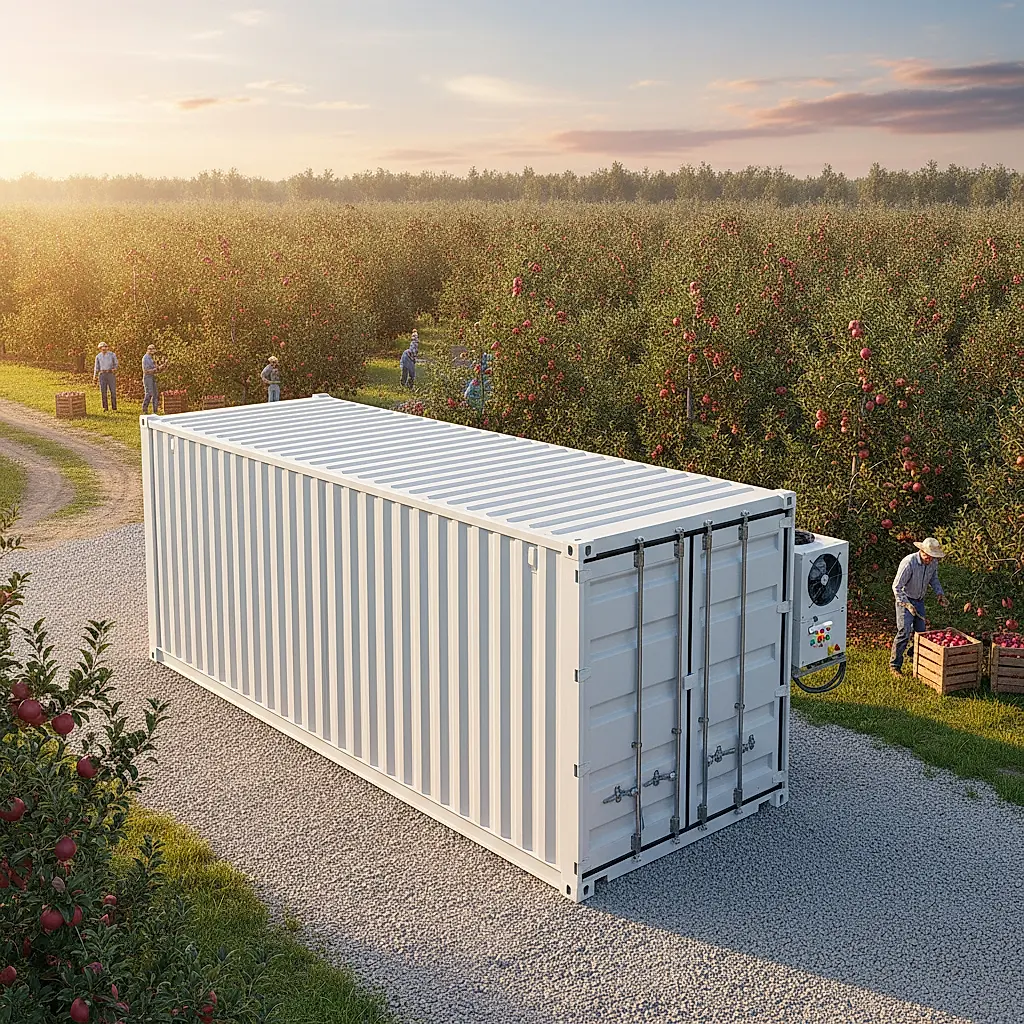
Learn how to evaluate a used refrigerated container for on-farm harvest cooling, from temperature range and power needs to site prep and inspections, without overspending.
A used refrigerated container can be a practical way to add cold storage at a farm without constructing a permanent building. But the decision involves more than picking a size and calling for delivery. Refrigeration units have their own power, airflow, and maintenance considerations, and used equipment varies widely in condition. This guide walks through what to evaluate so you can ask better questions and make a confident choice.
Why Farms Consider a Refrigerated Container for Harvest Storage
Harvest cooling is a race against time. Many fruits and vegetables lose quality quickly when field heat lingers, and a refrigerated container gives you a controlled space close to where the crop comes in. Compared with a purpose-built cold room, a container is portable, stackable in some configurations, and can be relocated if your operation changes.
Used units are often attractive because the basic structure already exists. The refrigeration machinery, however, is the part that deserves the most scrutiny. A container that looks fine from the outside may have a compressor nearing the end of its service life, a refrigerant circuit that needs attention, or controls that no longer hold a setpoint reliably.
Think of the purchase as two decisions: buying a steel box and buying a working refrigeration system. Both matter, and they should be evaluated separately.
What These Units Are Good At
- Holding a steady temperature range for produce that tolerates cool storage
- Providing a dedicated space that keeps harvested crops out of the sun and weather
- Allowing temporary or seasonal capacity that can be moved later
- Serving as a backup cold room if your main system goes down
What They Are Not
A refrigerated container is not a universal solution for every crop. Some produce is chilling-sensitive and needs warmer holding temperatures. Some needs rapid forced-air cooling rather than simple ambient cooling. Others need humidity control that a standard container unit may not provide. Match the unit to the crop, not the other way around.
Understanding Refrigerated Container Types and Specifications
Refrigerated containers, often called reefer containers, come in nominal lengths similar to dry containers. You will commonly see units described by nominal length, with width and height following standard container conventions. High-cube versions add interior height, which can matter if you plan to stack pallets or use racking.
Because exact dimensions, weight limits, and interior capacities vary by manufacturer and model, confirm the specifics on the individual listing. The CSC plate on the container and the listing details are the authoritative sources for that particular unit.
Key Specification Areas to Review
- Nominal size: length category, plus whether it is a standard or high-cube height
- Refrigeration unit brand and model: parts availability and service support vary
- Temperature range: the coldest and warmest setpoints the unit can hold
- Power requirements: voltage, phase, and amperage the unit needs
- Condition of doors, seals, and floor: these affect temperature hold and hygiene
- Controls and monitoring: whether the unit has working digital controls or older mechanical ones
Single vs. Multi-Temperature Units
Some reefer containers can hold two temperature zones at once, which is useful if you store crops with different requirements. These units are more complex and typically cost more to buy and maintain. If you only need one temperature band, a single-zone unit is simpler to operate and diagnose.
Evaluating a Used Refrigeration Unit Before You Buy
This is where a used purchase succeeds or fails. Ask for documentation and, when possible, arrange an inspection.
Questions to Ask the Seller
- How many hours are on the refrigeration unit, if an hour meter is present?
- Has the unit been run recently, and can it be demonstrated holding temperature?
- When was the last refrigerant service, and are there records?
- Are there known faults, alarms, or error codes?
- Is the container being sold as-is, or with any inspection or return terms?
What to Look For During an Inspection
- Compressor and condenser: look for oil residue, corrosion, and damaged fins
- Evaporator and airflow: confirm fans run and air moves freely through the cargo space
- Door gaskets: worn or torn seals let warm, humid air in and drive up run time
- Floor and drain: a sound, clean floor and a working drain matter for washdown and moisture
- Electrical panel: check for corrosion, rodent damage, or amateur wiring repairs
- Structural condition: dents, rust, and panel damage can affect insulation performance
If you cannot inspect in person, ask for clear photos and a video of the unit running and pulling down temperature. Confirm with the Newport team what documentation and inspection options are available for a specific listing.
Power, Siting, and Delivery Planning
A refrigerated container needs a reliable power source and a sensible location. These two factors cause more surprises than the container itself.
Electrical Considerations
Reefer units draw significant power when running, and starting current can be higher than running current. Before you commit, have a qualified electrician review the unit's data plate and your service capacity. Questions to resolve include:
- Does your service have the capacity for the unit's demand?
- Is the required voltage and phase available at the intended location?
- Will you need a dedicated circuit, disconnect, or generator backup?
- How will you handle condensation drainage?
Do not assume a standard farm outlet will run a reefer unit. Verify the requirement for the exact model you are considering.
Site Selection
- Airflow around the unit: the condenser needs to reject heat, so avoid enclosing it tightly
- Sun exposure: shade can reduce run time, but do not block airflow to gain it
- Ground condition: a level, well-drained pad protects the container and door operation
- Access for delivery: confirm approach, turning room, and overhead clearance with the delivery team
- Distance from power: long runs add cost and voltage drop concerns
Delivery requirements vary by location, equipment, and site conditions. Share accurate site details with the Newport team before scheduling, and confirm what access and surface conditions are needed for your delivery.
Matching Storage Conditions to Your Crops
Different crops need different conditions. Rather than treating a container as a single answer, use it where its capabilities fit.
Temperature and Humidity
Some produce holds well near freezing, while tropical and chilling-sensitive crops need warmer storage. Humidity also matters: too little causes shriveling, too much encourages decay. A standard reefer container controls temperature well but may not give you precise humidity control. If humidity is critical, plan for additional measures or choose a different storage approach.
Airflow and Loading
Cold air must circulate around the crop. Overloading, blocking the floor channels, or stacking against the evaporator will create warm spots and uneven cooling. Leave space for air movement and load so that return air can reach the unit.
Pre-Cooling vs. Holding
A refrigerated container is generally better at holding temperature than rapidly removing field heat from a large volume of warm produce. If your harvest comes in warm and you need fast cooling, plan a separate pre-cooling step or discuss your workflow with a refrigeration professional.
Maintenance and Operating Realities
Used refrigeration equipment needs attention. Budget for routine service, filter and coil cleaning, gasket replacement, and occasional repairs. Keep the condenser clean, especially in dusty or pollen-heavy seasons. Monitor temperature with a reliable thermometer or logging system so you catch problems before a load is lost.
Consider a service relationship before you need one. Ask local refrigeration technicians whether they work on the brand of unit you are considering, and confirm parts availability. A great container with an unsupported refrigeration unit can become an expensive box.
Simple Operating Checklist
- Record setpoint and actual temperature daily during storage
- Clean condenser coils on a regular schedule
- Inspect door seals monthly and replace when damaged
- Keep the floor and drain clear
- Watch for unusual noise, ice buildup, or frequent cycling
Cost Factors Beyond the Purchase Price
When comparing options, look at total cost of ownership rather than the sticker alone. Factors include:
- Electrical work and any service upgrades
- Site preparation and a level pad
- Delivery and any rigging required for your site
- Refrigeration service, parts, and repairs
- Monitoring equipment and backup power if needed
- Your time spent managing temperature and maintenance
Prices for used refrigerated containers vary with size, unit condition, brand, and market conditions. Confirm current pricing and availability for specific listings with the Newport team rather than relying on general figures.
Frequently Asked Questions
Can I run a refrigerated container on standard farm power?
It depends on the unit. Reefer units have specific voltage, phase, and amperage requirements, and starting current can be higher than running current. Have a qualified electrician review the data plate and your service capacity before purchase. Do not assume a standard outlet is sufficient.
How cold can a used refrigerated container get?
Temperature capability varies by model and condition. Some units reach well below freezing, while others are designed for a narrower range. Check the listing and the unit's data plate, and ask for a demonstration of the unit holding temperature if possible.
Is a used reefer container suitable for all crops?
No. Some crops are chilling-sensitive and need warmer storage, and some need humidity control that a standard unit may not provide. Match the unit's capabilities to the specific crops you plan to store, and consult a post-harvest specialist if you are unsure.
What should I check before delivery?
Confirm site access, surface conditions, overhead clearance, and the space needed for the truck and any equipment. Delivery requirements vary, so share accurate details with the Newport team and confirm what is needed for your location.
Do I need a permit to place a container on my farm?
Requirements vary by jurisdiction and site. Contact your local planning or zoning authority to confirm what applies to your property. Do not assume a particular size or use is exempt.
Next Steps
Start by defining your crop, target temperature range, and daily volume. Then review available units and confirm the specifications, condition, and pricing for the specific container you are considering. Browse current options at our shop, and when you are ready to talk through power, siting, or delivery questions, contact the Newport team. They can confirm listing details, availability, and what your site will need.
Plan the next step
Confirm the container and the delivery plan.
Browse current listings, then speak with the Newport team to verify the unit, total pricing, site access, and delivery requirements before payment.