
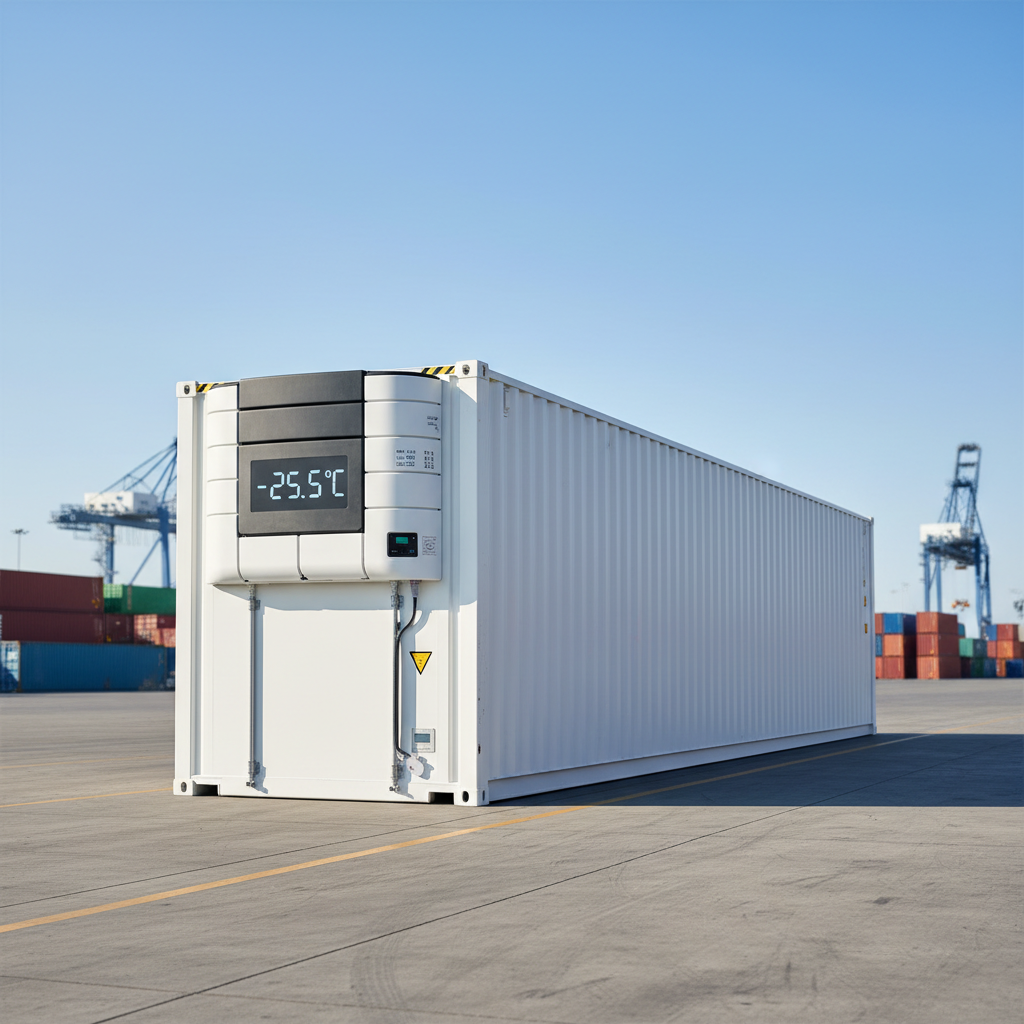
A practical guide to evaluating used refrigerated shipping containers, including what drives price, how to inspect a reefer, and how to plan delivery and power.
Why Buy a Used Refrigerated Container Instead of a New One
A used refrigerated shipping container is a working cold storage asset that has already proven itself in service. For buyers who need temperature-controlled storage on a farm, at a job site, or behind a food business, a used reefer can be a practical middle path between a basic dry container and a purpose-built cold room.
What you gain with used equipment is a lower entry point and immediate availability. What you take on is uncertainty: the refrigeration unit may have partial service life remaining, the box may show cosmetic wear, and performance will depend on how the unit was maintained before it reached the yard. That trade-off is the heart of every used reefer decision.
This guide walks through the factors that shape asking prices, how to inspect a unit before you commit, and what to sort out on your site before delivery day. It does not quote prices or promise performance, because those depend on the specific unit, its condition, and your location. Confirm listing details, availability, pricing, site access, and delivery requirements with the Newport team before you buy.
What Actually Drives the Price of a Used Reefer
Two containers of the same nominal size can carry very different asking prices. Understanding why helps you judge whether a listing is reasonable for your project.
Refrigeration Unit Condition and Hours
The reefer machinery is usually the most expensive component. A unit that starts, pulls down temperature, and holds it is worth more than one that runs but struggles. Service records, run hours, and recent repairs all matter. If records are unavailable, that is a question to raise rather than an assumption to make.
Box Condition and Water Tightness
Doors, seals, gaskets, flooring, and panel condition affect both usability and price. A container that has been used for dry freight may have a cleaner interior than one that hauled produce, but the opposite can also be true. Inspect for rust, delamination, and door fit.
Age and Prior Use
Age alone does not determine value. A well-maintained older unit can outperform a neglected newer one. Prior cargo matters too: containers that carried strong-smelling or staining goods may need more cleaning before food-adjacent use.
Nominal Size and Height
Standard containers are commonly described in nominal lengths such as 20 feet and 40 feet, with widths around 8 feet. Height varies between standard and high-cube configurations. Exact internal dimensions, capacities, and weights vary by manufacturer and unit, so check the individual listing and the CSC plate rather than relying on general figures.
Location and Transport Distance
Where the container sits relative to your site influences the delivered cost. Long moves, ferry crossings, or difficult final approaches add complexity. Ask for a delivered quote rather than comparing equipment prices alone.
Market Timing and Availability
Reefer availability moves with trade patterns, seasonal demand, and fleet turnover. A unit that is common this month may be scarce next month. Treat any price you see as a snapshot, not a benchmark.
How to Inspect a Used Refrigerated Container Before You Buy
If you can view the unit in person, do it. If you cannot, ask for current photos, a video walkaround, and specific answers to the questions below.
Refrigeration Checks
- Confirm the unit powers on and the controller displays normally.
- Ask for a temperature pull-down demonstration, not just a start-up.
- Look for error codes, alarm history, or signs of repeated fault logging.
- Check the condenser and evaporator coils for debris, corrosion, or bent fins.
- Inspect refrigerant lines and fittings for oil residue that can indicate a leak.
- Ask whether the unit has been serviced recently and by whom.
Structural and Envelope Checks
- Walk the floor for soft spots, delamination, or repairs.
- Check the ceiling and walls for punctures, moisture staining, or patched panels.
- Inspect door gaskets for cracking, compression, and gaps.
- Test door latches and hardware for smooth operation.
- Look at corner castings and the frame for impact damage.
- Read the CSC plate for identification and inspection information.
Interior Cleanliness
For food-adjacent storage, ask how the interior was cleaned and whether any odor remains. Odors can linger in insulation and liners. If cleanliness is critical to your use, discuss it before purchase rather than after.
Documentation to Request
- Photos of the CSC plate and any data plates on the refrigeration unit.
- Any available service or repair records.
- Confirmation of what is included in the sale, such as keys, manuals, or spare parts.
Matching Container Size and Power to Your Site
A used reefer is only useful if it fits your site and can be powered and maintained there.
Space and Access Planning
Think about the path from the road to the final resting spot. Turns, overhead lines, soft ground, and slope can all affect whether a delivery is straightforward. Share site photos and measurements with the delivery team so they can advise on access. Do not assume a particular truck or handling method will be used; ask what the delivery requires at your address.
Power Supply Considerations
Refrigerated containers typically require an electrical supply to run the refrigeration unit, and the requirements vary by unit and configuration. Before purchase, confirm the voltage, phase, and amperage the specific unit needs, and verify that your site can supply it. If you plan to run the unit from a generator, discuss sizing with a qualified electrician. If the unit will sit idle for periods, ask how to safely shut it down and restart it.
Placement and Airflow
Reefers need airflow around the condenser to reject heat. Placing a unit tight against a wall or in a sealed enclosure can reduce performance. Plan for clearance and ventilation, and confirm recommendations for the specific model.
Foundation and Ground Conditions
A loaded container is heavy. A level, stable base helps doors operate correctly and reduces stress on the frame. Gravel, concrete pads, and timber sleepers are common approaches, but suitability depends on your soil and load. If you are unsure, consult a local professional.
Monitoring and Maintenance
Ask what routine maintenance the unit needs, how often filters or coils should be cleaned, and what spare parts are commonly replaced. A simple log of temperatures and service dates helps you spot problems early.
Common Uses and Practical Limitations
Used reefers show up in many roles, and each has its own constraints.
- Farm and ranch cold storage: useful for produce, feed, or supplies, provided the unit holds temperature reliably.
- Job site and event support: helpful where temporary cold capacity is needed, but power access must be planned.
- Food business overflow: can supplement existing cold rooms, subject to local health requirements and your own inspection.
- Non-food temperature-sensitive storage: some industrial and commercial materials benefit from controlled conditions.
Limitations to keep in mind:
- A used unit may not hold tight tolerances under extreme ambient heat.
- Refrigeration components have finite service life, and repairs can be specialized.
- Noise and heat rejection may matter near homes or shared walls.
- Local rules on placement, electrical work, and food storage vary. Check with your local authority.
Frequently Asked Questions
How much should I expect to pay for a used refrigerated container?
There is no single answer. Asking prices depend on size, refrigeration unit condition, box condition, location, and current availability. Rather than anchoring on a number you saw elsewhere, request a quote for the specific units available to you and compare delivered costs. Confirm current pricing with the Newport team.
Can I run a used reefer on a standard household outlet?
Not necessarily. Electrical requirements vary by unit and configuration. Check the data plate and confirm the supply your site can provide. A qualified electrician should verify compatibility before you commit.
Is a used reefer suitable for food storage?
Many buyers use them for food-adjacent purposes, but suitability depends on the unit's condition, cleanliness, and your local health requirements. Inspect the interior, ask about prior cargo, and confirm what your regulator expects.
What size refrigerated container should I choose?
Start with the volume and layout you need, then confirm the actual internal dimensions of the specific unit. Nominal length labels such as 20 feet and 40 feet do not tell the whole story, and height varies between standard and high-cube. Check the listing and CSC plate for exact figures.
What maintenance does a used reefer need?
Typical care includes keeping coils and filters clean, checking door seals, monitoring temperatures, and addressing alarms promptly. The exact schedule depends on the unit and how hard it works. Ask for the manufacturer's guidance and any service history.
Next Steps for a Confident Purchase
A used refrigerated container can be a smart investment when you buy with clear eyes. Focus on the refrigeration unit, the condition of the box, and whether your site can support the unit in the long run. Ask questions, request documentation, and treat every listing as unique.
When you are ready to compare options, browse current inventory at our shop and reach out with your site details at our contact page. The Newport team can confirm listing specifics, availability, pricing, site access, and delivery requirements so you can plan with accurate information.
Plan the next step
Confirm the container and the delivery plan.
Browse current listings, then speak with the Newport team to verify the unit, total pricing, site access, and delivery requirements before payment.