
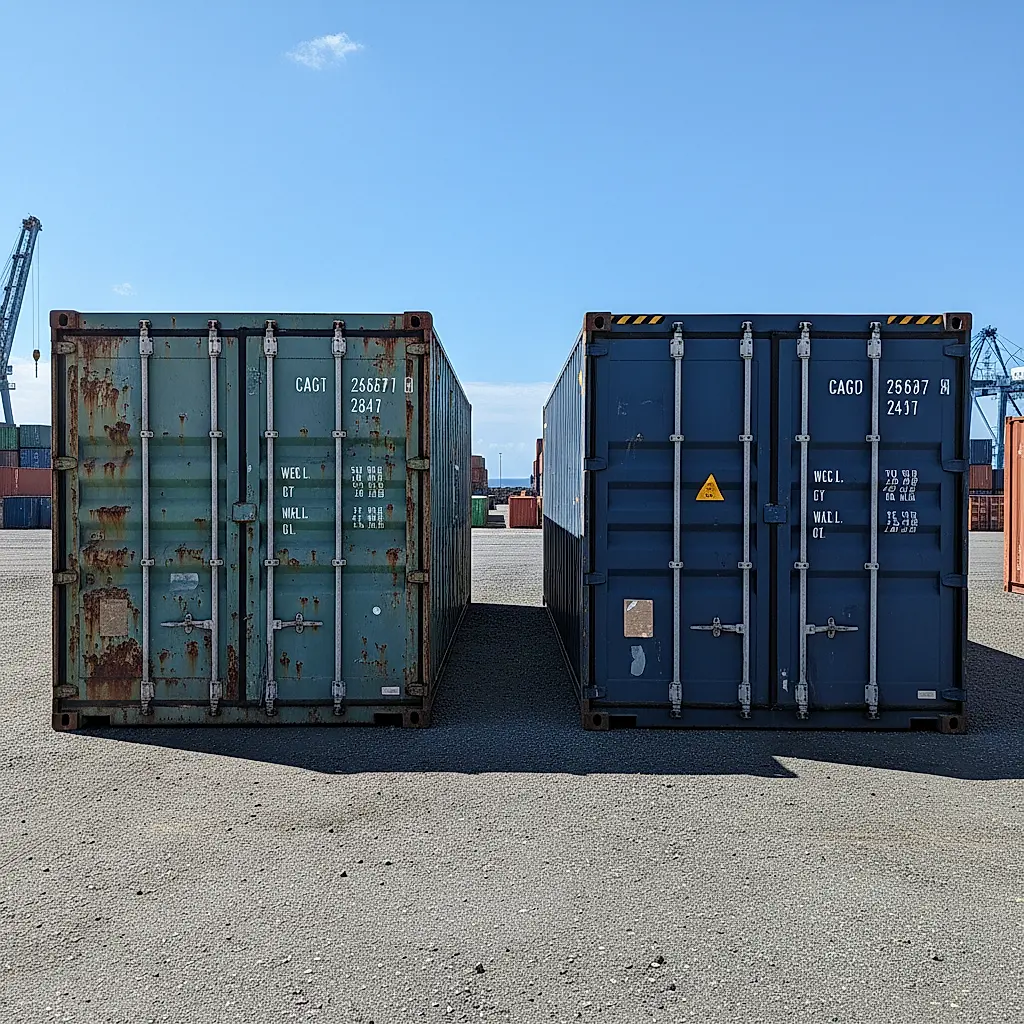
Wind and water tight and cargo worthy are two different condition labels for used shipping containers. Learn what each one means, how they differ, and which questions to ask before you buy.
Used shipping containers are sold under several condition labels, and two of the most common are wind and water tight and cargo worthy. They sound similar, but they describe different things. One is mainly about whether the container keeps weather out. The other is about whether the container is still fit to move freight. Knowing the difference helps you choose the right container for storage, a project build, or resale — and helps you ask better questions before money changes hands.
This guide explains both terms in plain language, shows where they overlap, and lists the checks that matter when you inspect a container in person. Specifications vary by individual unit, so always confirm the details of the exact listing with the Newport team.
What "Wind and Water Tight" Actually Means
Wind and water tight — often shortened to WWT — describes a container that is expected to keep out rain, wind, and general weather. It is a practical, weather-focused condition label rather than a formal engineering certification.
In everyday use, a container sold as wind and water tight should have:
- Roof panels free of holes, deep rust, or open seams
- Walls and corner posts that are intact, with no daylight visible from inside
- Doors that close, latch, and seal against the frame
- Door gaskets that are flexible and not torn or missing
- Flooring that is sound enough for the intended use
- No obvious gaps at seams, vents, or the door opening
Wind and water tight says nothing about whether the container still meets the structural requirements for ocean freight. A container can be perfectly dry inside and still be retired from cargo service because of door hardware, structural dents, or other issues that matter to a shipping line but not to a backyard storage user.
For many buyers — storage, workshops, temporary shelters, and similar uses — wind and water tight is the practical threshold. If the container keeps weather out and the doors work, it does the job.
Why the Label Is Not a Guarantee
Condition labels are shorthand, not warranties. Two containers described the same way can differ in age, rust, floor wear, and paint. That is why inspection matters more than the phrase on the listing. Ask what was checked, when, and how. If you cannot inspect in person, ask for current photos of the roof, floor, doors, and corners — not stock images.
What "Cargo Worthy" Means
Cargo worthy — sometimes written CW — describes a container that is still considered suitable for carrying cargo, typically including ocean transport. It is a stricter standard than wind and water tight because it covers structural and operational fitness, not just weather resistance.
A cargo worthy container is generally expected to:
- Meet the structural and safety requirements applied to containers in freight service
- Have a valid CSC plate — the safety approval plate required for containers used in international transport
- Have doors, locking gear, and hardware that function correctly
- Show no structural damage that would make it unsafe or unfit for loaded transport
- Be free of significant corrosion that compromises strength
- Carry current inspection markings where applicable
Cargo worthy containers are usually the better choice if you plan to ship the container, if you want the strongest possible structural condition, or if you simply want a unit that has passed a more demanding review. They also tend to cost more than wind and water tight units of similar size, though pricing depends on the individual container and market conditions.
The CSC Plate and Why It Matters
The CSC plate is a metal plate fixed to the container showing that it has been approved under the International Convention for Safe Containers. It lists key details about the unit and its approval. If cargo worthiness matters for your plans, ask to see the plate and confirm what it says. Do not assume every used container has a current, valid plate — confirm it for the specific unit you are considering.
Wind and Water Tight vs. Cargo Worthy: Side-by-Side
| Question | Wind and Water Tight | Cargo Worthy |
|---|---|---|
| Main focus | Keeping weather out | Fitness for cargo service |
| Structural standard | Practical, use-dependent | Stricter, freight-oriented |
| CSC plate | Not necessarily current | Expected to be valid |
| Typical use | Storage, projects, shelters | Shipping, demanding structural use |
| Inspection depth | Weather and door checks | Structural, door, and plate checks |
| Relative cost | Usually lower | Usually higher |
This table is a general comparison, not a rule. Individual containers vary, and a well-kept wind and water tight unit can be in better shape than a tired cargo worthy one. Condition is specific to the unit in front of you.
Other Condition Labels You May See
Sellers use several overlapping terms. You may encounter:
- One-trip or new-ish containers — units used only briefly, often in near-new condition. Confirm actual history rather than relying on the label.
- As-is — sold in whatever condition it is in, with no claim about weather tightness or cargo fitness. Inspect carefully.
- Refurbished or reconditioned — repaired or repainted. Ask exactly what was done, who did it, and whether the work is documented.
- Corten steel containers — built from weathering steel commonly used in container construction. This describes material, not condition.
Labels like these are marketing shorthand. They are useful starting points, but they do not replace an inspection or a clear conversation about the specific unit.
How to Inspect a Container Before You Buy
Whether a container is listed as wind and water tight, cargo worthy, or something else, a hands-on inspection is the best way to understand what you are getting. Bring a flashlight and, if possible, inspect on a dry day — then look again after rain if you can.
Outside Checks
- Walk the full perimeter and look for dents, creases, and repairs
- Check the roof for standing water, soft spots, or patched areas
- Look at corner castings and posts for cracks or heavy rust
- Examine the underside and cross members if you can see them safely
- Note repainting that might hide repairs
Door and Seal Checks
- Open and close both doors fully; they should move without excessive force
- Inspect gaskets for tears, hardening, or gaps
- Check locking bars, handles, and hinges for function and wear
- Look for light coming through the door opening when closed
Inside Checks
- Step on the floor across its full area to feel for soft or spongy spots
- Look for water stains, mold, or rust streaks on walls and ceiling
- Check for daylight through walls, roof, or seams
- Confirm ventilation openings, if any, are intact
Documentation Checks
- Ask to see the CSC plate if cargo worthiness matters
- Request the container identification number and any inspection records
- Confirm what, if anything, is covered after the sale
If you cannot inspect in person, ask for a video walkthrough or a set of current, dated photos covering all of the above. A seller who cannot provide them is a reason to slow down.
Matching Condition to Your Project
Condition labels matter most when they match your actual plans.
- Storage of tools, equipment, or household goods: wind and water tight is often sufficient, provided the floor and doors are sound.
- Workshop, office, or shelter conversion: wind and water tight is usually the starting point, but you will also want to plan insulation, ventilation, power, and local code compliance.
- Shipping or resale into freight service: cargo worthy with a valid CSC plate is generally what you need.
- Long-term outdoor placement: consider condition, paint, and drainage, and plan for maintenance regardless of label.
- Modification or cutting: structural changes can affect strength and may require engineering input. Discuss plans before you cut.
There is no single right answer. Decide what the container must do, then buy the condition that supports it without paying for capability you will never use.
Size and Specification Basics
Containers are commonly described by nominal length, with 20-foot and 40-foot units being the most familiar. Standard height and high-cube height are also common distinctions, with high-cube units offering more interior height. Exact interior and exterior dimensions, door opening sizes, and weight limits vary by manufacturer and unit.
Do not rely on general figures for planning. Confirm the exact dimensions and ratings for the specific container in the listing, and check the CSC plate and any manufacturer markings for authoritative details. If you are planning delivery, also confirm access requirements with the delivery team — gate width, overhead clearance, surface conditions, and placement space all matter, and requirements vary by site.
Frequently Asked Questions
Is a wind and water tight container the same as cargo worthy?
No. Wind and water tight focuses on keeping weather out. Cargo worthy is a stricter label that generally means the container is still fit for cargo service and has a valid CSC plate. A container can be one without being the other.
Can I ship a wind and water tight container?
Possibly, but do not assume it. Shipping typically requires a cargo worthy container with a current CSC plate. If you plan to move the container by ocean freight, confirm cargo worthiness and plate validity for the specific unit before you buy.
Does cargo worthy mean the container is in perfect condition?
No. Cargo worthy means it meets the standard for cargo service, not that it is cosmetically perfect. Used containers commonly show dents, scratches, and surface rust. Judge the unit on inspection, not on the label alone.
How do I verify the condition of a used container?
Inspect it in person if you can, checking the roof, walls, floor, doors, gaskets, and hardware. Ask to see the CSC plate and any inspection records. If you cannot visit, request current photos or a video walkthrough. Confirm the specific unit's details with the Newport team.
Will a used container need maintenance?
Most used containers benefit from some upkeep over time, such as touching up paint or keeping door hardware working freely. The amount depends on age, condition, and exposure. Ask what maintenance the unit has had and plan for periodic checks.
Next Steps
Start by deciding what the container needs to do: keep weather out, support a conversion, or remain fit for freight. That answer points you toward wind and water tight or cargo worthy. Then confirm the exact condition, dimensions, and documentation for the individual unit you are considering.
Browse current options on our shop page, and when you are ready to talk specifics — condition, size, site access, or delivery questions — reach out through our contact page. The Newport team can confirm listing details, availability, pricing, and delivery requirements for your location before you commit.
Plan the next step
Confirm the container and the delivery plan.
Browse current listings, then speak with the Newport team to verify the unit, total pricing, site access, and delivery requirements before payment.