
 New
Container category
Accessories
Available accessories(2)
New
 Used
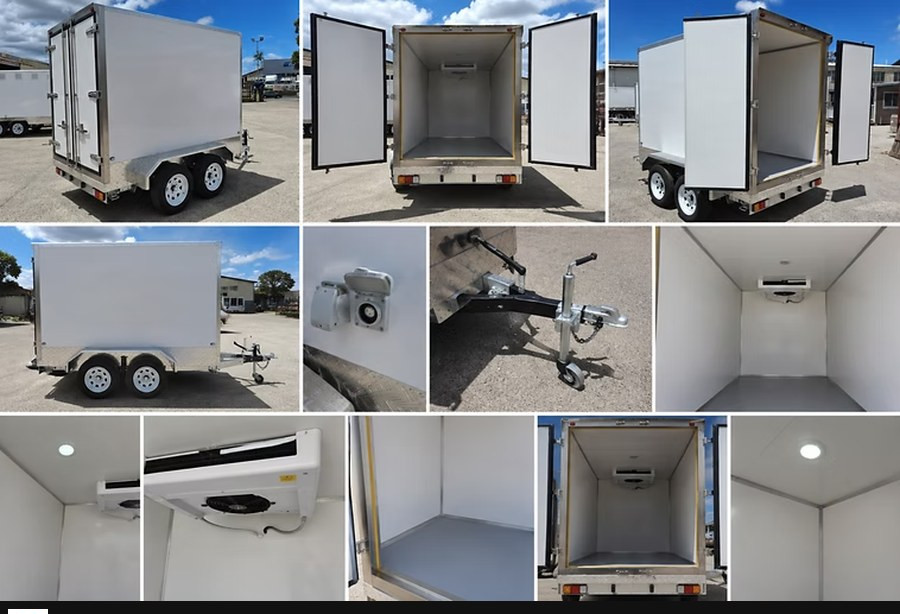
Mobile Chiller / Freezers 500KG
$4,999.00
View →Make Your Container Work Harder
A shipping container is a strong, secure shell, but the right container accessories turn it into a space that fits your exact use. Better security, improved airflow, easier loading, organized storage, and natural light are all simple upgrades that can be added to a new unit or retrofitted to one you already own.
Security Upgrades
Container doors are tough, yet the padlock is often the weak point. A lock box is a steel shroud welded over the locking area that shields the padlock from bolt cutters and pry bars. Pair it with a high-security padlock designed to fit inside the box. Some owners also add internal locking systems or heavy-duty hasps for extra protection on job sites and remote properties.
Ventilation and Moisture Control
Condensation is one of the most common container complaints. Steel cools quickly overnight, and warm air inside can leave moisture on the walls and ceiling. Vents help moving air carry humidity out. Options include:
- Louvered passive vents installed high on the side walls
- Turbine or powered vents for larger containers or hot climates
- Moisture absorbers and insulation for spaces that need more control
Access, Organization, and Light
Loading heavy items is easier with a ramp that bridges the gap between the ground and the container floor, which sits several inches up when the unit rests on blocks or a gravel pad. Shelving systems designed for container walls keep items off the floor and make the most of vertical space, especially in high cube units.
Doors and windows open up new possibilities. Roll-up doors and personnel doors provide convenient daily access without swinging the heavy cargo doors. Windows bring in natural light for offices, workshops, and retail spaces. These modifications involve cutting the steel wall and framing the opening, so they are typically installed by a fabricator.
Choosing Compatible Accessories
Check that each accessory fits your container's size, door style, and wall profile before ordering. Corrugated walls affect how vents, windows, and doors mount, and shelving brackets vary by design. Consider your climate and use: a storage unit may only need vents and a lock box, while an office conversion could call for windows, a personnel door, insulation, and electrical.
Ordering Accessories
The container accessories listed on this page are items currently available. Add what you need when you place your order online, either on its own or alongside a container. Our team will confirm availability, final pricing, tax, and any installation or delivery details before taking payment. For structural changes such as doors and windows on occupied spaces, check local building and zoning rules.
Accessories FAQs
What does a container lock box do?
A lock box is a steel housing welded over the container's door locking area. It surrounds the padlock so bolt cutters, hammers, and pry bars cannot easily reach the shackle. It is one of the most effective and affordable security upgrades for containers kept on job sites, farms, or other locations without constant supervision.
How many vents does a shipping container need?
It depends on container size, climate, and what you store. A small storage container may do well with a pair of vents placed on opposite sides to encourage cross-ventilation, while larger units or humid locations may need more. Combining vents with moisture absorbers and keeping items off the floor gives better results.
Can I add a door or window to my existing container?
Yes, doors and windows can be added to most containers, though the work involves cutting the steel wall and welding a reinforced frame around the opening. It is typically done by a fabricator. Check local building requirements if the container will be used as an office, shop, or other occupied space.
Why would I need a container ramp?
When a container sits on blocks, railroad ties, or a gravel pad, the floor ends up several inches above the ground. A ramp bridges that gap, making it easier and safer to roll in dollies, carts, mowers, wheelbarrows, or other wheeled equipment. Choose a ramp rated for the heaviest load you plan to move.
Buying guides
What a Fair Shipping Container Listing Should Include: A Buyer's Checklist
A fair shipping container listing tells you what you are buying, what condition it is in, and what happens after you pay. Here is what to look for before you buy.
How to Budget for a Shipping Container Purchase Beyond the Listing Price
The listing price is only the beginning. Learn the real costs of buying, delivering, and preparing a shipping container so you can build a realistic budget before you buy.
How to Read a CSC Plate Before You Buy a Shipping Container
The CSC plate is the container's safety identity card. Learn which fields matter, how to cross-check them against the box itself, and what to ask before you buy.