
 New
Container category
Container Homes
Explore our selection of container homes for sale, offering modern, affordable, and versatile housing solutions. From compact container houses and tiny homes to spacious modular container homes and customized residential units, discover innovative living spaces designed for comfort, functionality, and flexibility. Whether you’re looking for a primary residence, vacation home, guest house, or additional living space, find container home solutions to suit your needs.
Available container homes(33)
New
 New
 New
 New
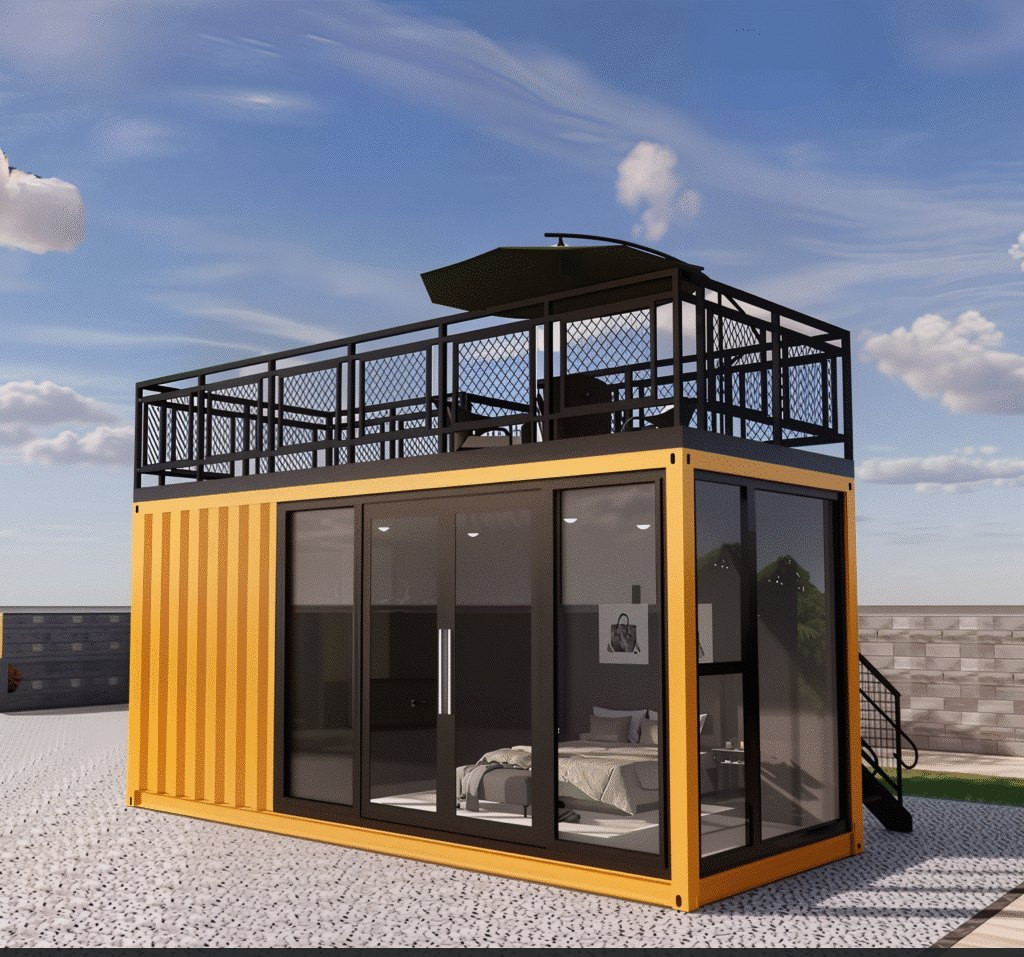 New
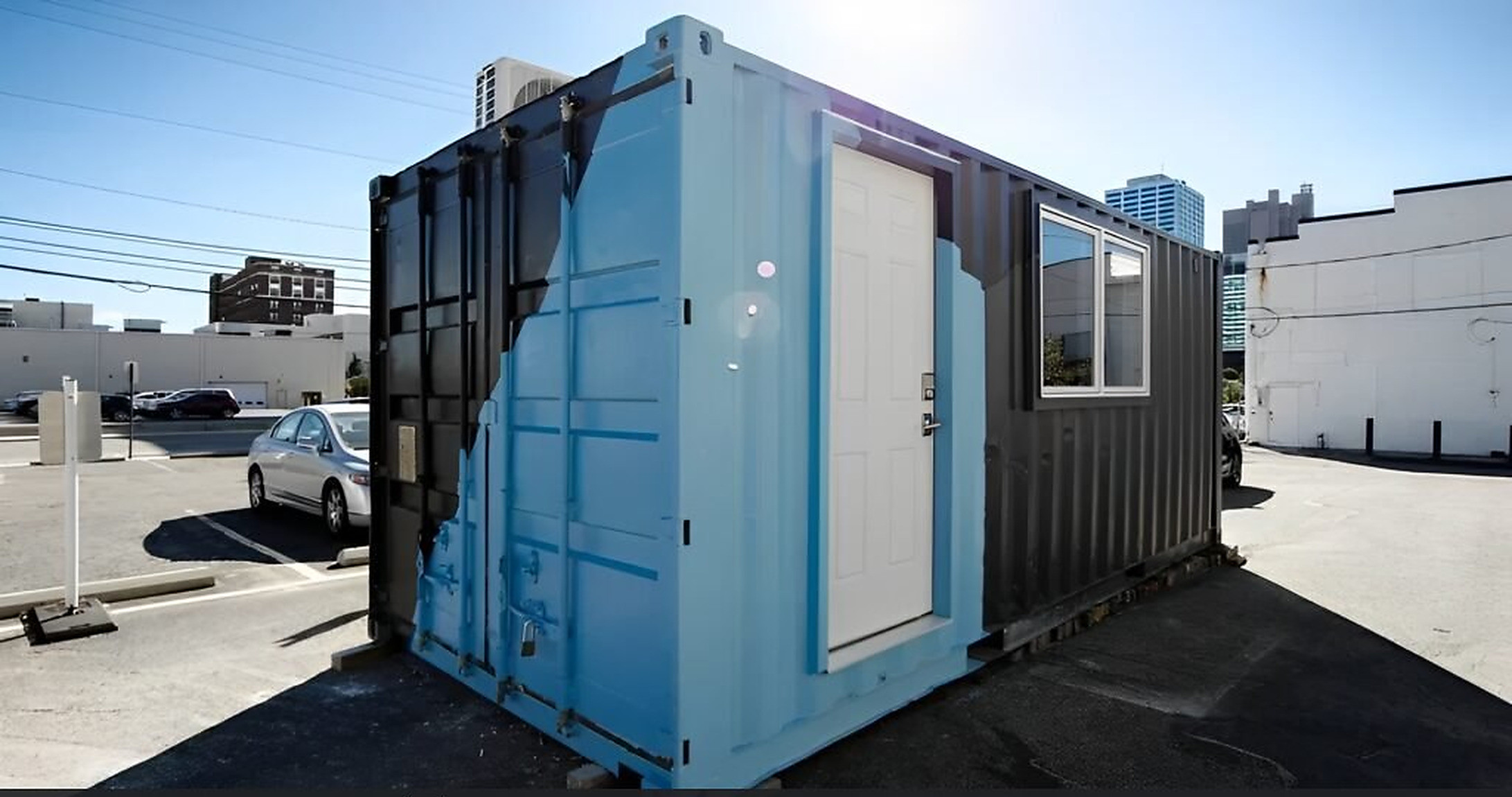 New
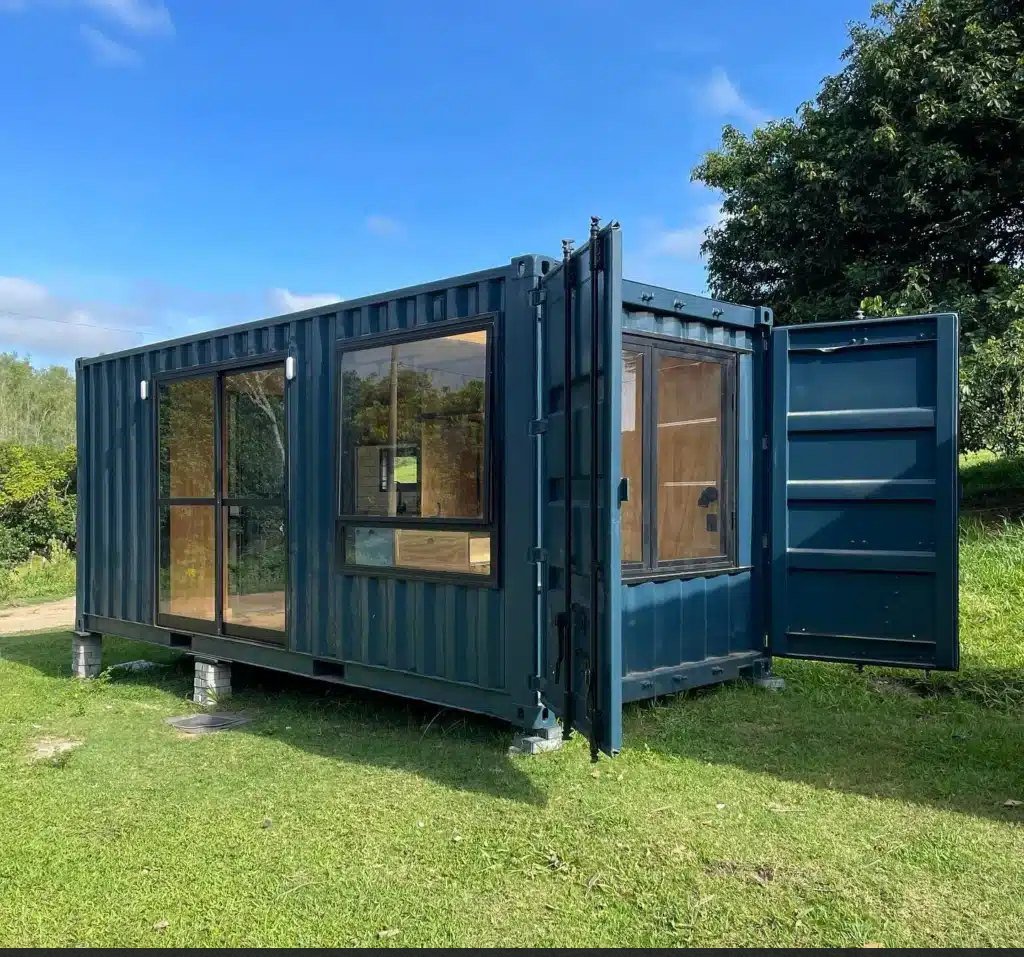 New
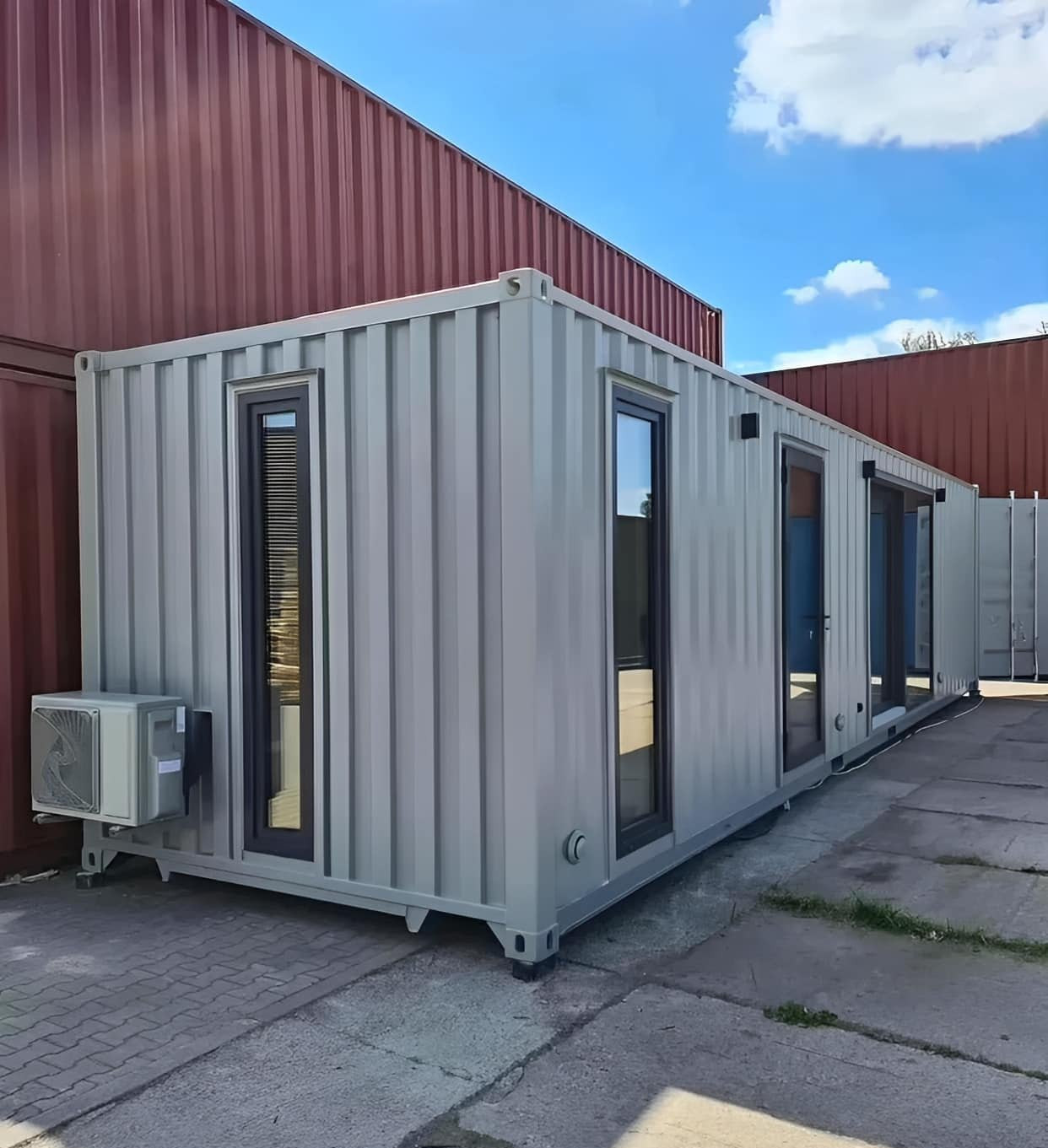 New
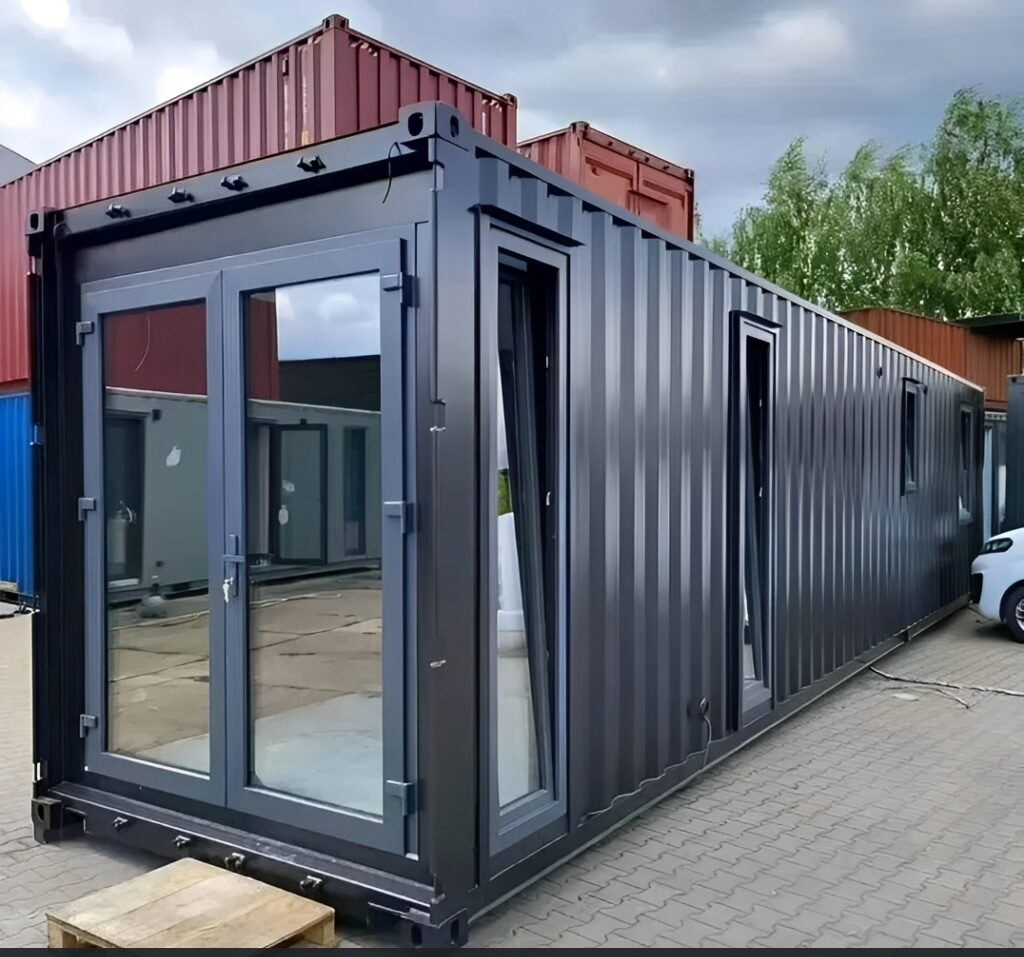 New
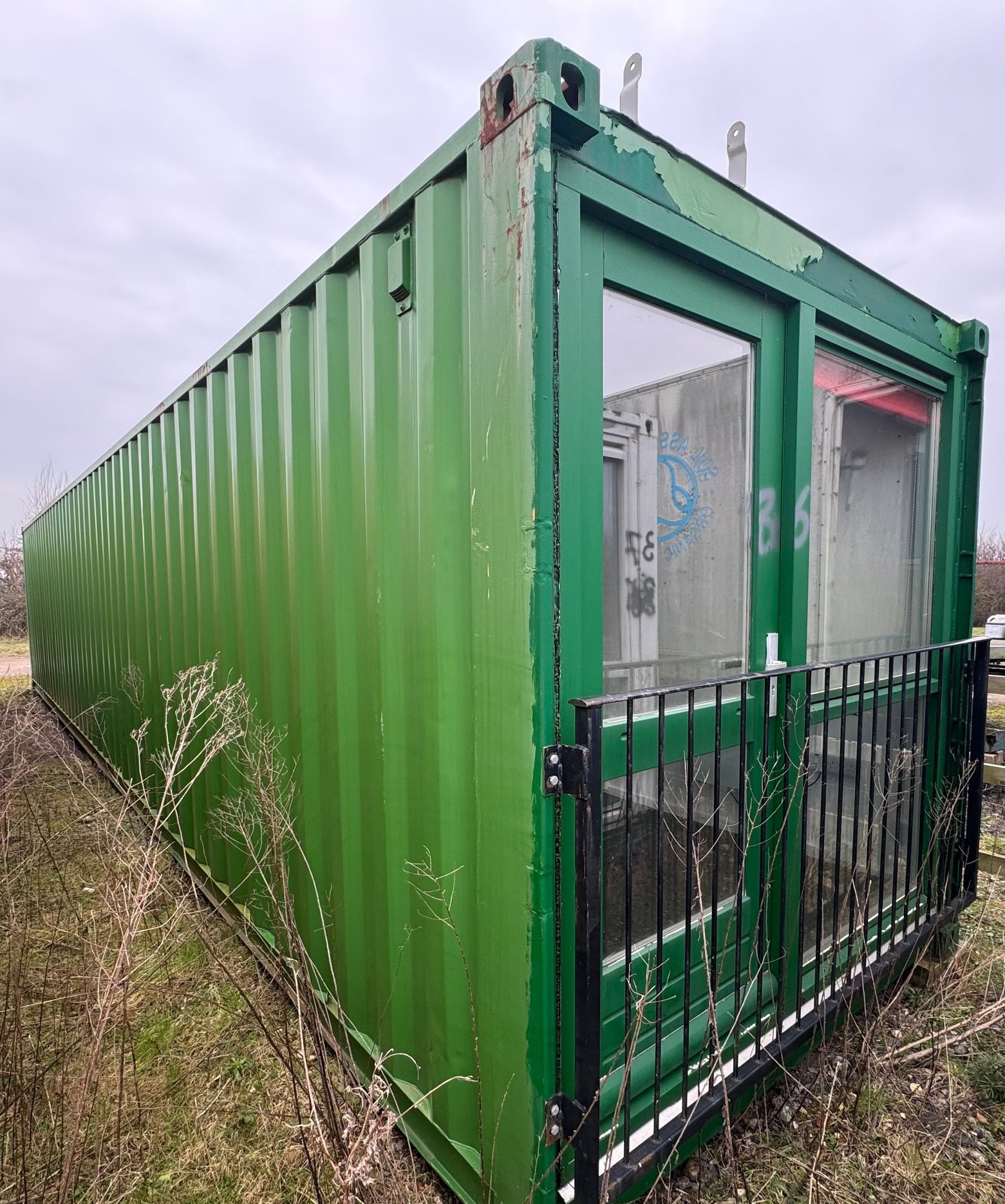 Used
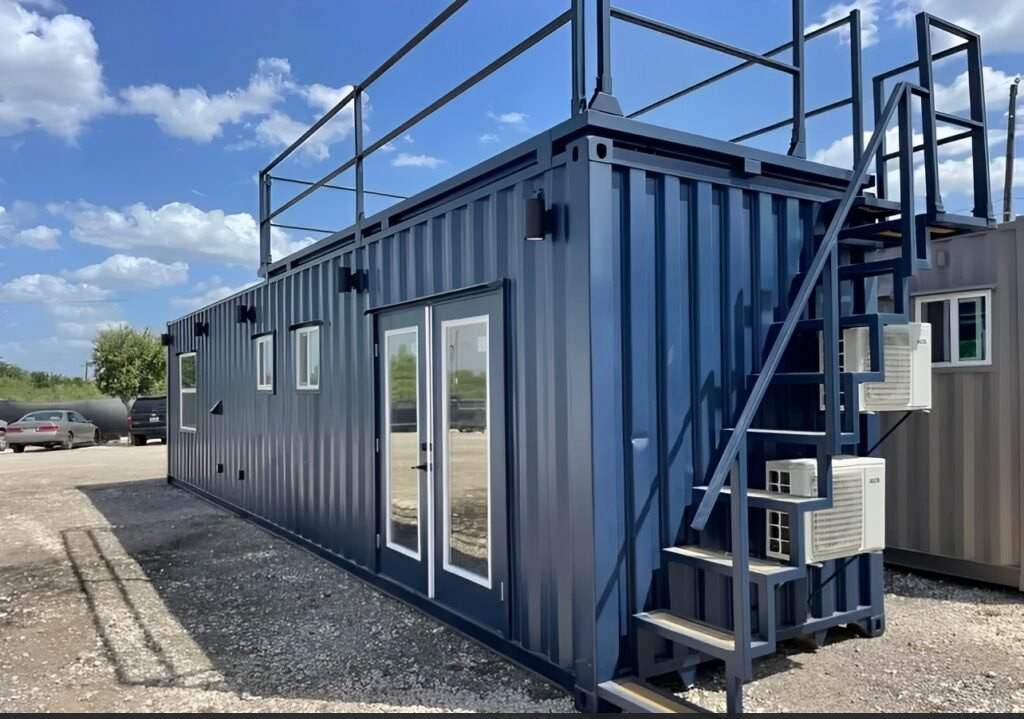 New
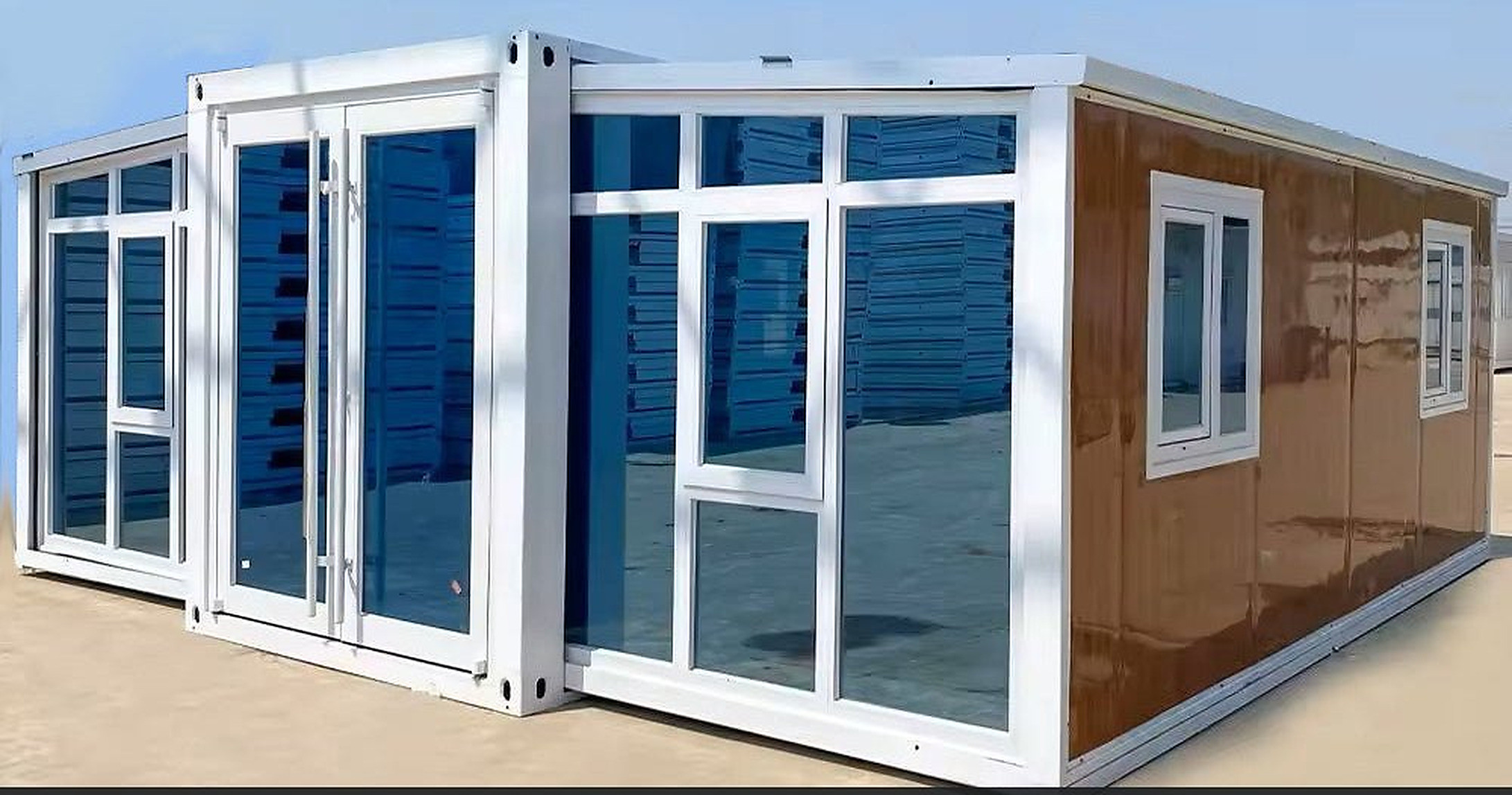 New
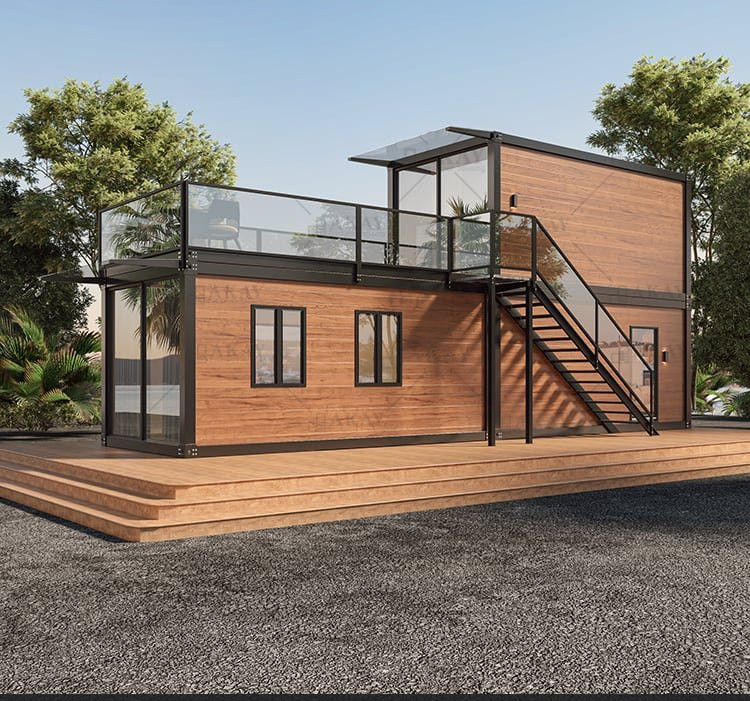 New
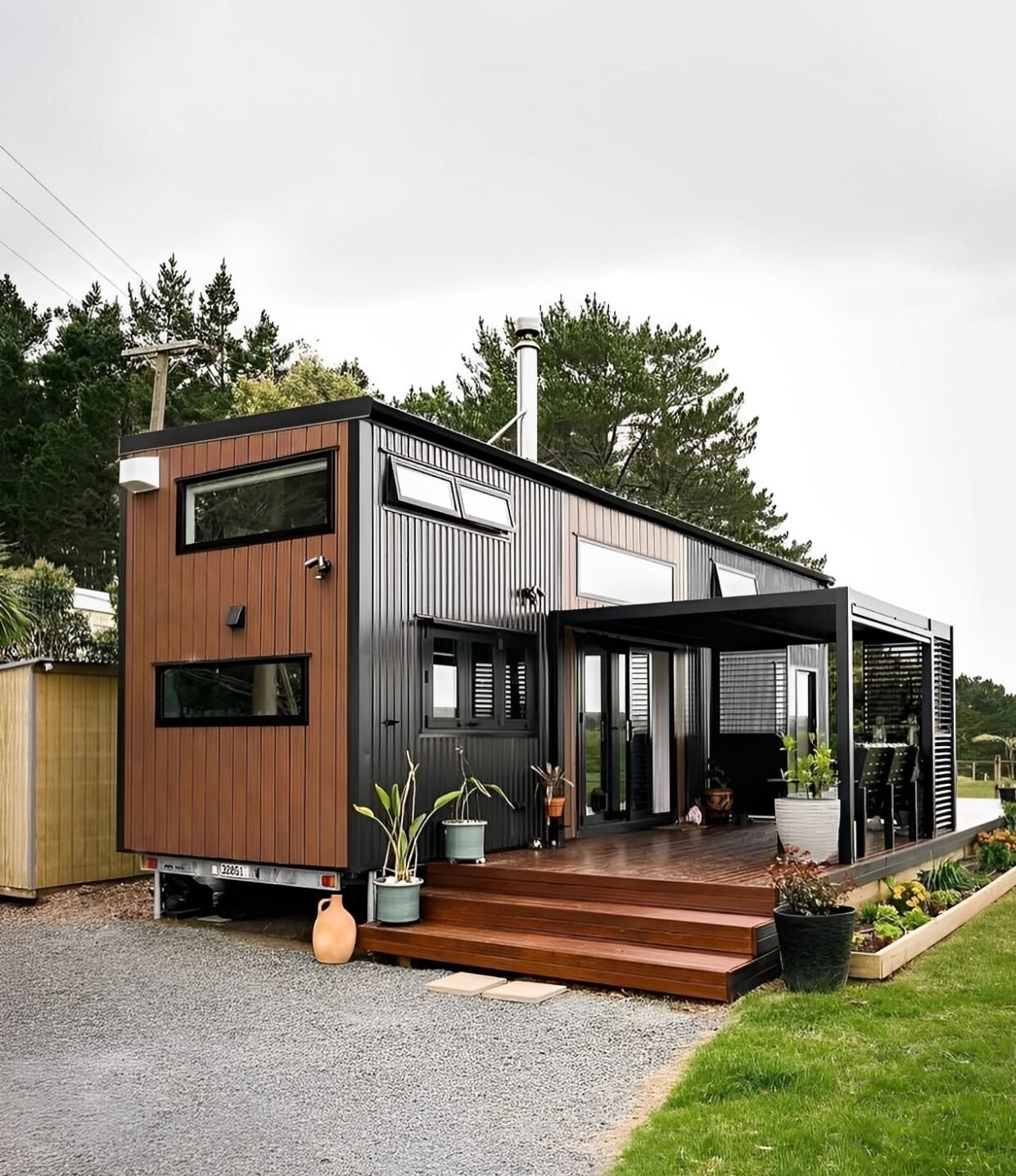 New
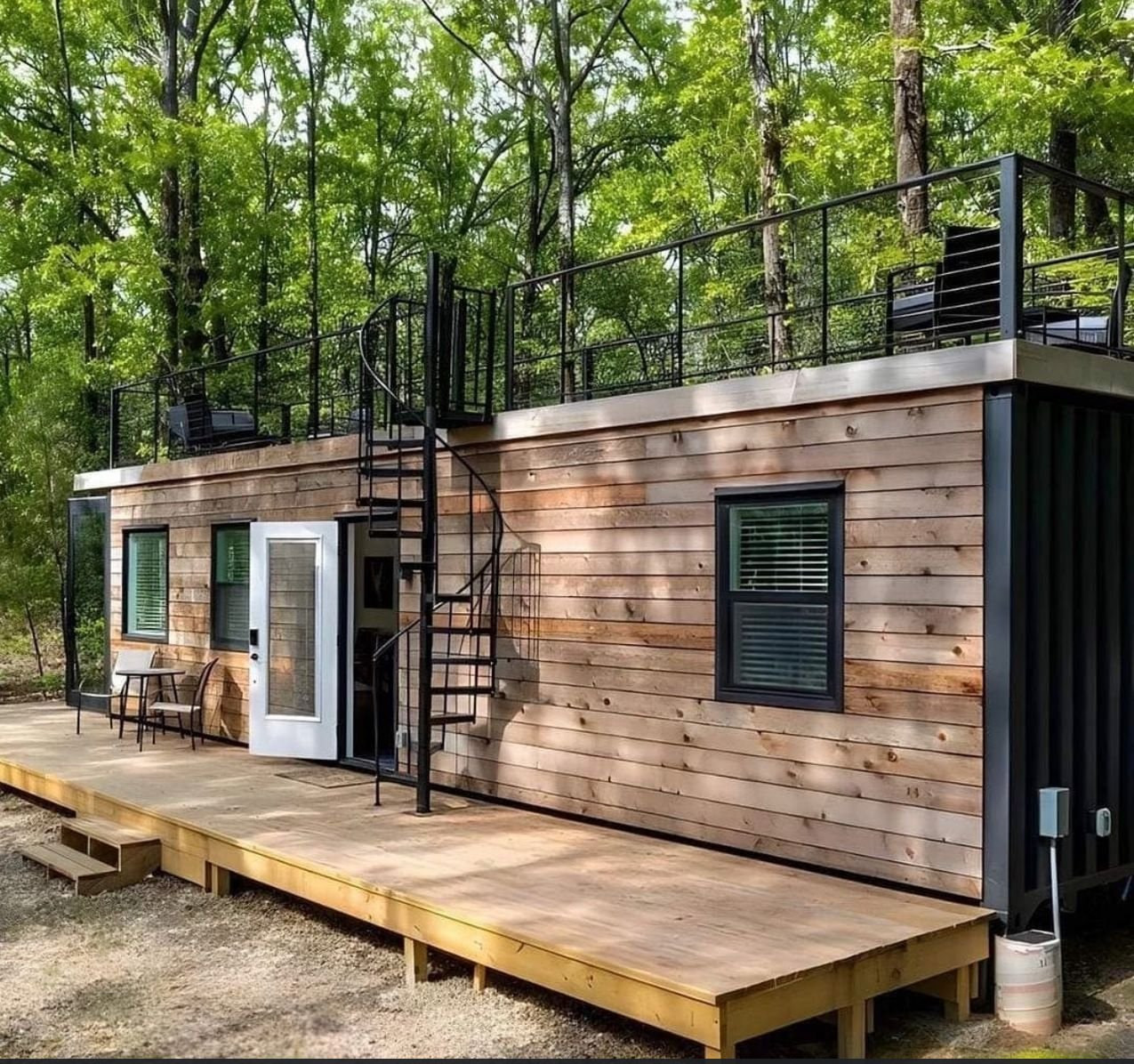 New
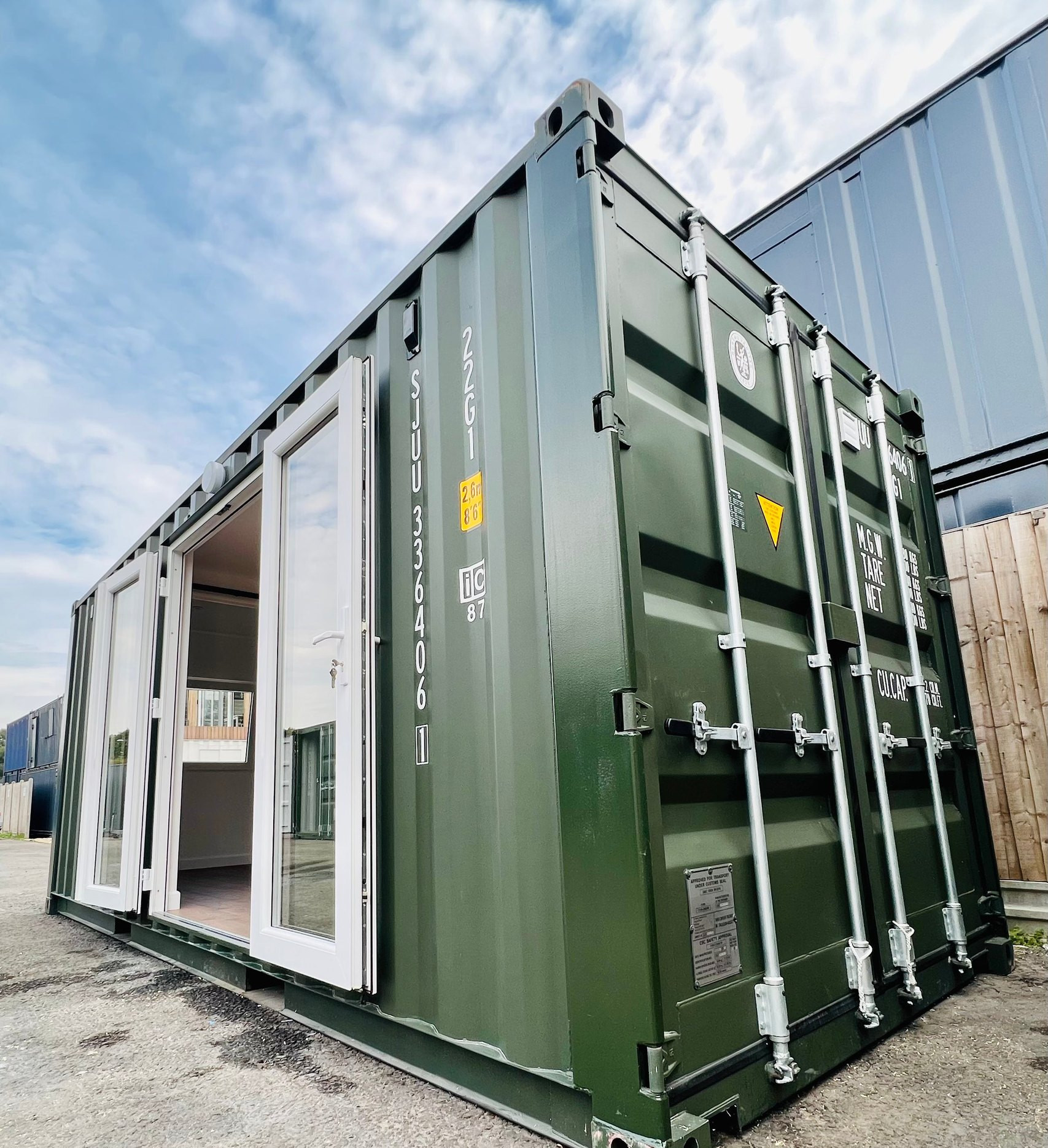 New
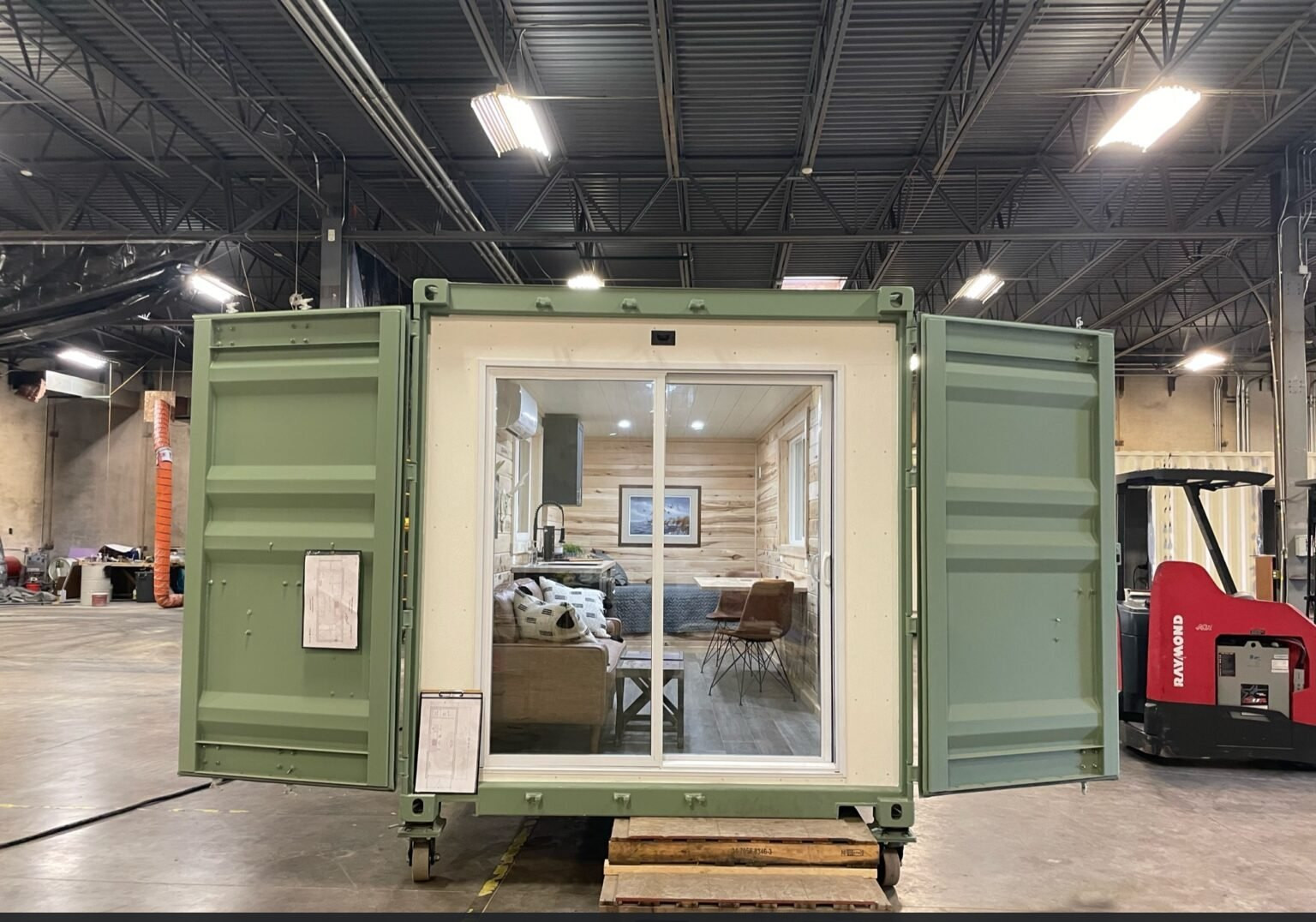 New
20FT Jack Hunting Container Cabin
$40,000.00
View →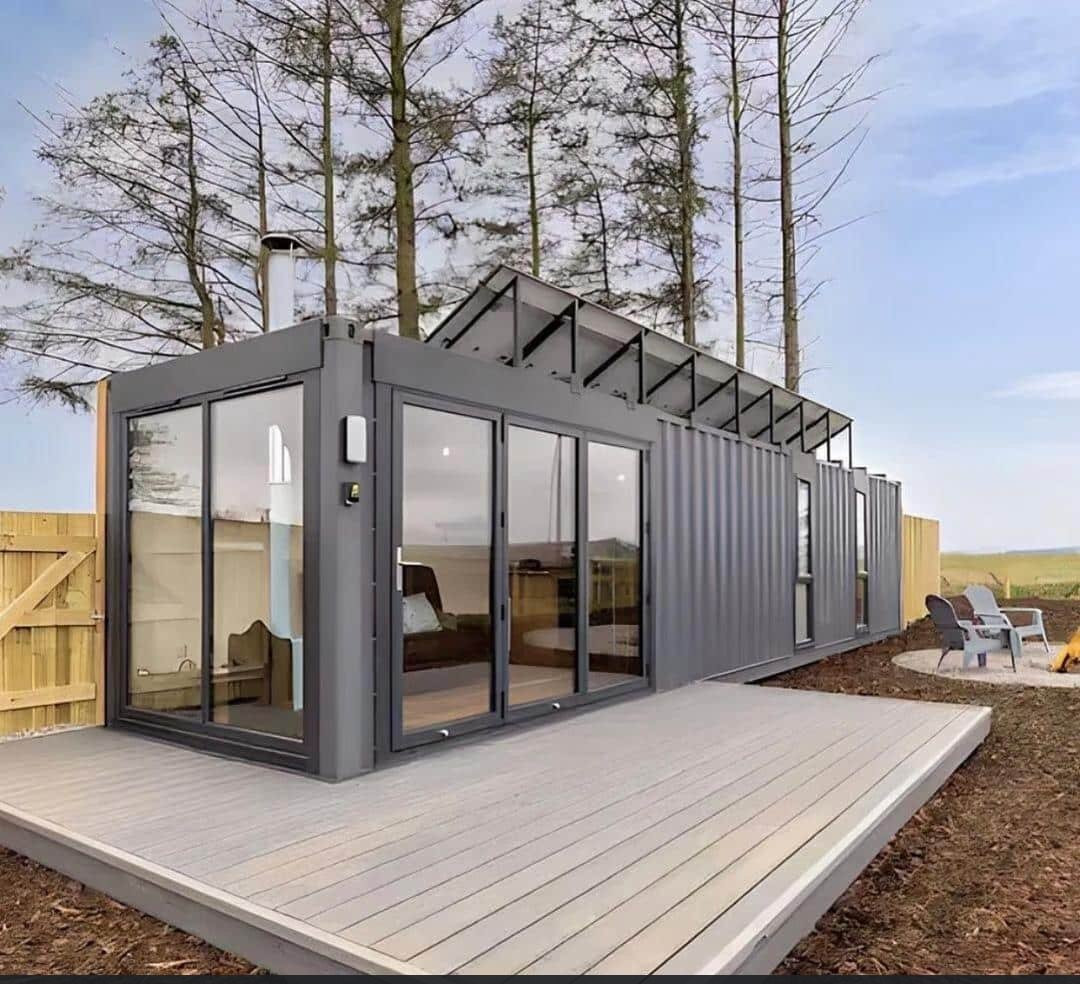 New
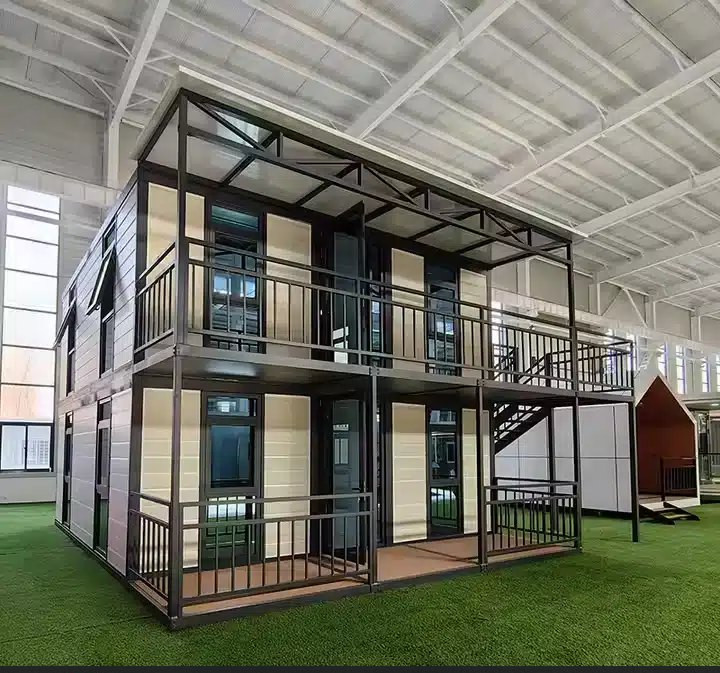 New
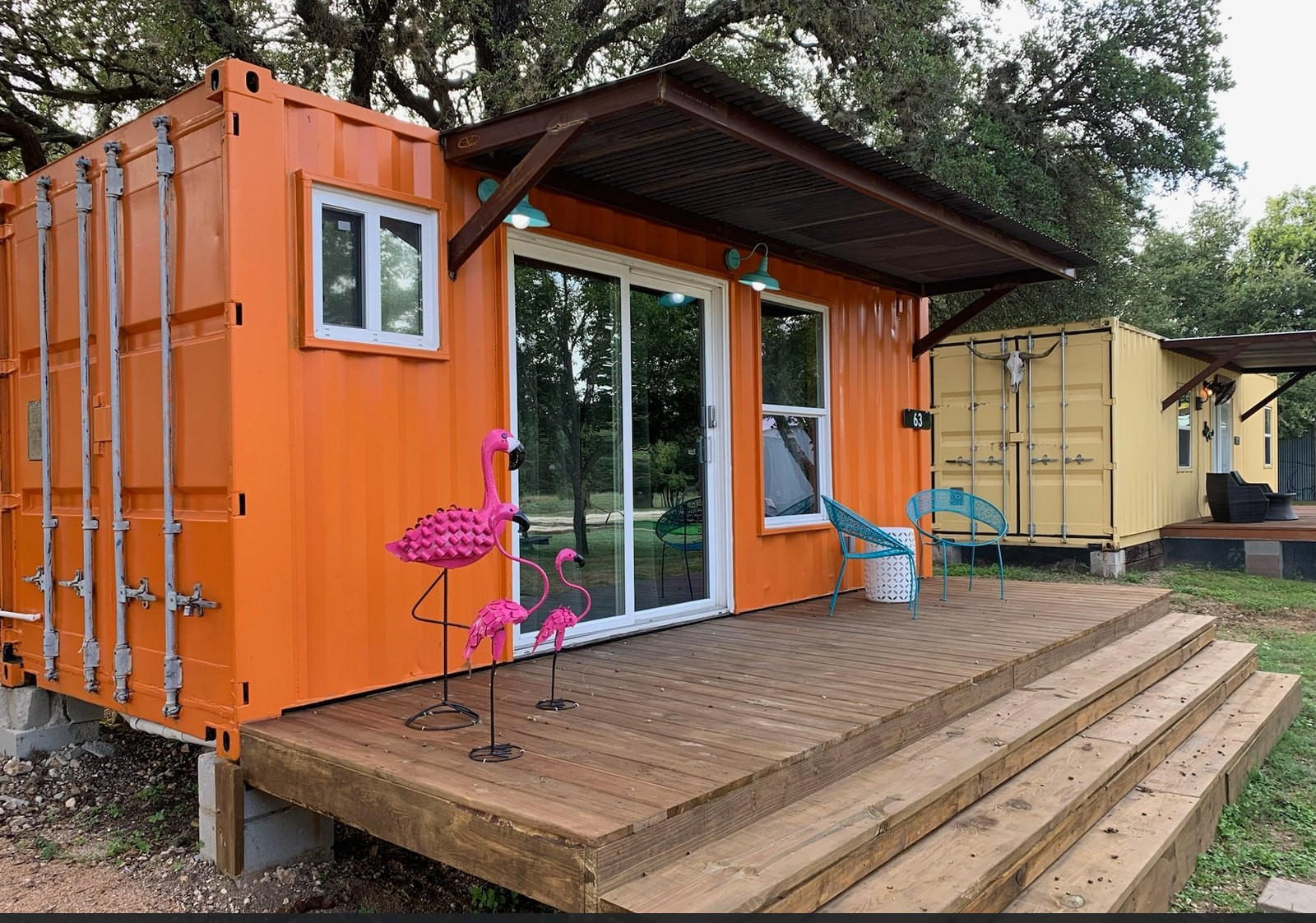 New
20FT Ezra Modern Container Home
$49,995.00
View →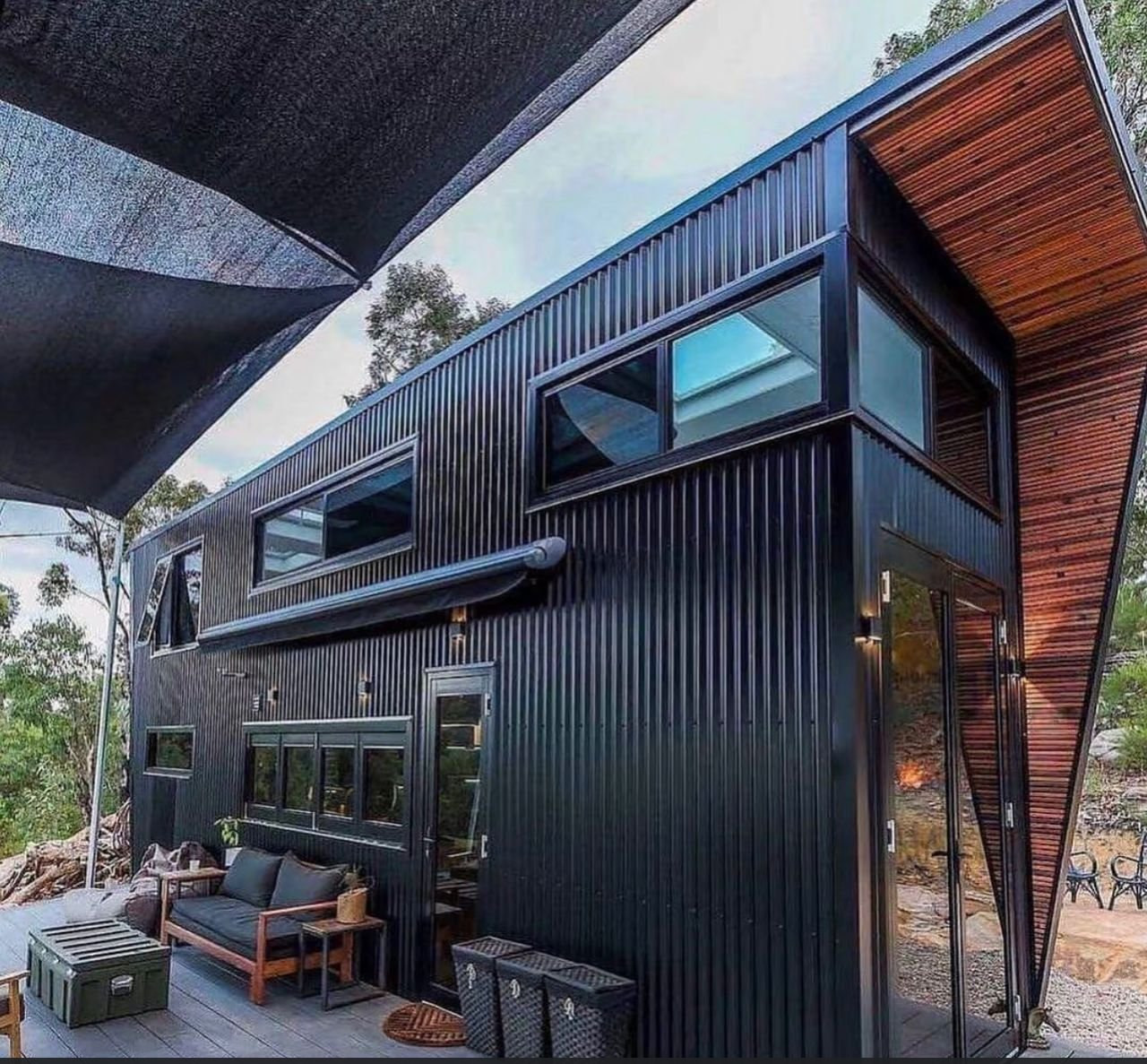 New
 New
 New
 New
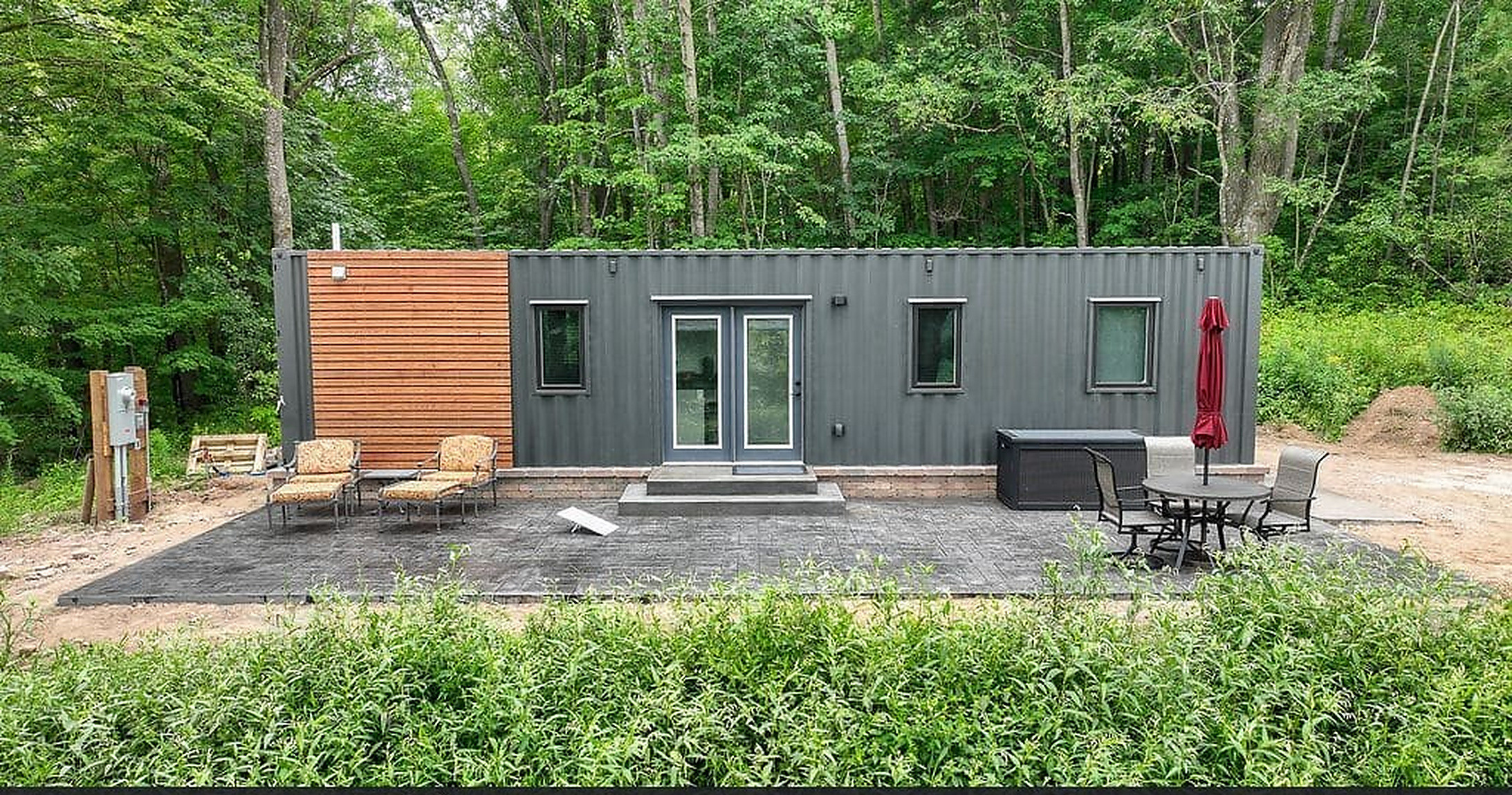
40ft Kennedy Luxury Container Home
$64,995.00
View →A Different Way to Build a Home
Container homes use one or more steel shipping containers as the structural shell for a living space. Many are prefabricated, meaning much of the framing, insulation, wiring and interior finish work is completed before the home leaves the shop. That approach can make container homes appealing for guest houses, backyard cottages, vacation cabins, rural properties, rental units and compact primary residences.
A modular container home can also be expanded later by adding modules, which gives owners a path to grow the space over time instead of building everything at once.
Typical Sizes and Floor Plans
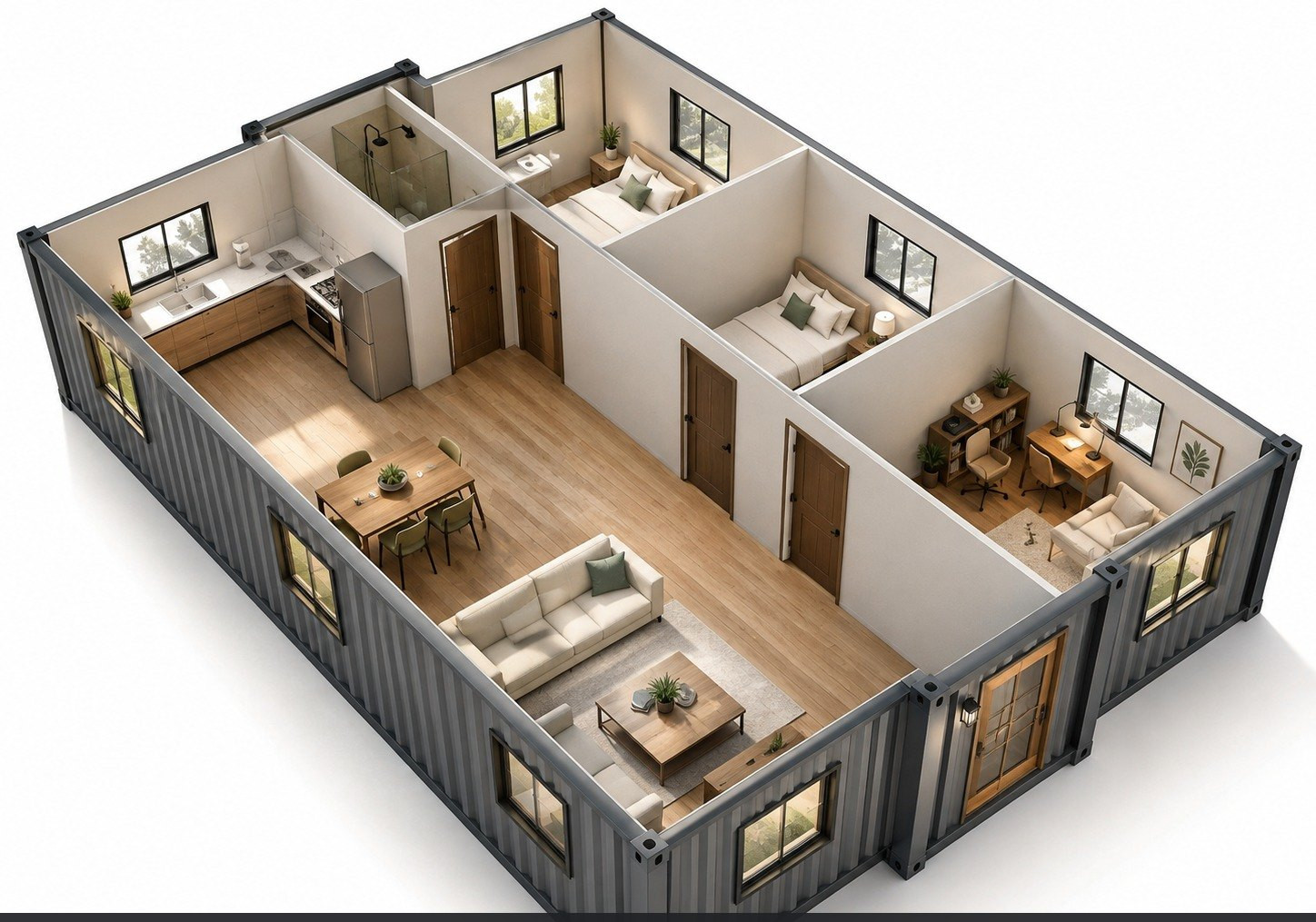
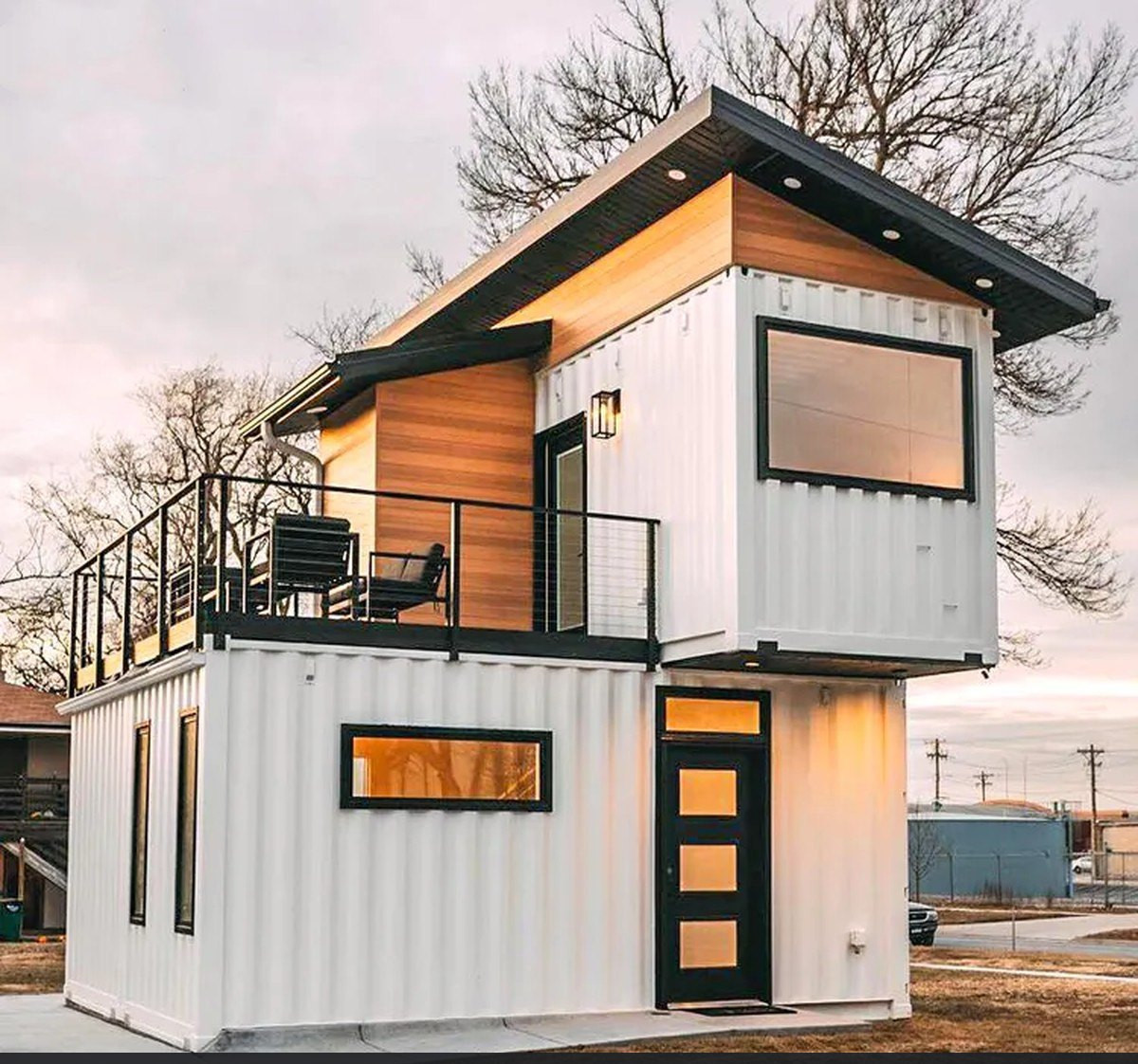
Single-unit container homes are typically built from a 20 or 40 foot high cube container. A 20 foot unit usually works as a studio or tiny home with a combined living and sleeping area plus a compact bathroom. A 40 foot unit can often fit a one-bedroom layout with a kitchen, bathroom and living area. Larger homes typically join two or more containers side by side or stacked, with walls cut out to create open rooms.
Interior ceiling height matters for comfort, so many buyers prefer high cube containers, which are approximately one foot taller than standard units.
What to Compare Between Homes
Not all container homes are finished to the same level. Look closely at:
- Insulation method and thickness, especially for hot summers and cold winters
- HVAC system, such as a ductless mini-split sized for the space
- Plumbing for the kitchen and bathroom, and the water heater type
- Electrical panel, outlet count and lighting
- Window and door quality, including glazing and weather sealing
- Interior finishes like flooring, wall panels, cabinets and fixtures
Foundation, Utilities and Delivery
A container home needs a proper foundation on level, firm and well-drained ground. Concrete piers, a slab or a perimeter footing are common options, and the right choice depends on your soil, climate and local code. You will also need to arrange water, sewer or septic, and electrical service, typically completed by licensed local trades.
For delivery, plan a clear, straight route for a large truck with no low wires or tree limbs overhead. Many finished homes are set in place with a crane, so space for equipment near the foundation is important.
Permits and Ordering
Residential use usually brings more requirements than storage or office use. Before buying, confirm with your local zoning office and building department what is allowed on your lot, and review any HOA covenants.
The container homes on this page are units currently listed for sale. Place your order online, and our team will contact you to confirm availability, final price, tax and delivery before any payment is made.
Container Homes FAQs
Can a container home be used as a full-time residence?
In many areas it can, but that depends on local zoning, building codes and any HOA rules that apply to your property. Some places allow container homes as primary residences, while others limit them to accessory dwellings or require specific foundations. Check with your local building department before ordering so the home you choose fits what is permitted.
What kind of foundation does a container home need?
Container homes are commonly placed on concrete piers, a concrete slab or a perimeter footing. The best option depends on soil conditions, frost depth in your area and local code requirements. The ground should be level, firm and well drained. A local engineer or contractor can recommend the right foundation for your site.
Are container homes insulated for year-round living?
Many prefabricated container homes are insulated and include heating and cooling, but the type and thickness of insulation varies from unit to unit. Compare the insulation, HVAC and window details on each listing, and ask our team if you are unsure whether a home suits the climate where it will be placed.
How is a finished container home delivered?
A container home is delivered by truck, and many finished units are lifted into place with a crane. Your site needs a clear, straight access route, enough room for equipment to work and no low overhead obstructions. Our team will review delivery details with you before any payment is taken.
Buying guides
Shipping Container Homes for Sale: What to Compare Before You Buy
A practical guide to comparing shipping container homes for sale, covering size, condition, permits, insulation, delivery, and total cost so you can plan with confidence.
Can You Build a Conex House Legally? A Practical Guide to Zoning, Permits, and Codes
Shipping container homes can be legal, but the path depends on local rules, site conditions, and how you plan to use the structure. This guide walks through the questions to ask before you buy a container.
Shipping Container Sizes for Homes: A Practical Comparison Guide
Compare 20ft, 40ft, high cube, and 45ft shipping containers for home projects. Learn about layout, height, delivery, and permit considerations before you buy.