
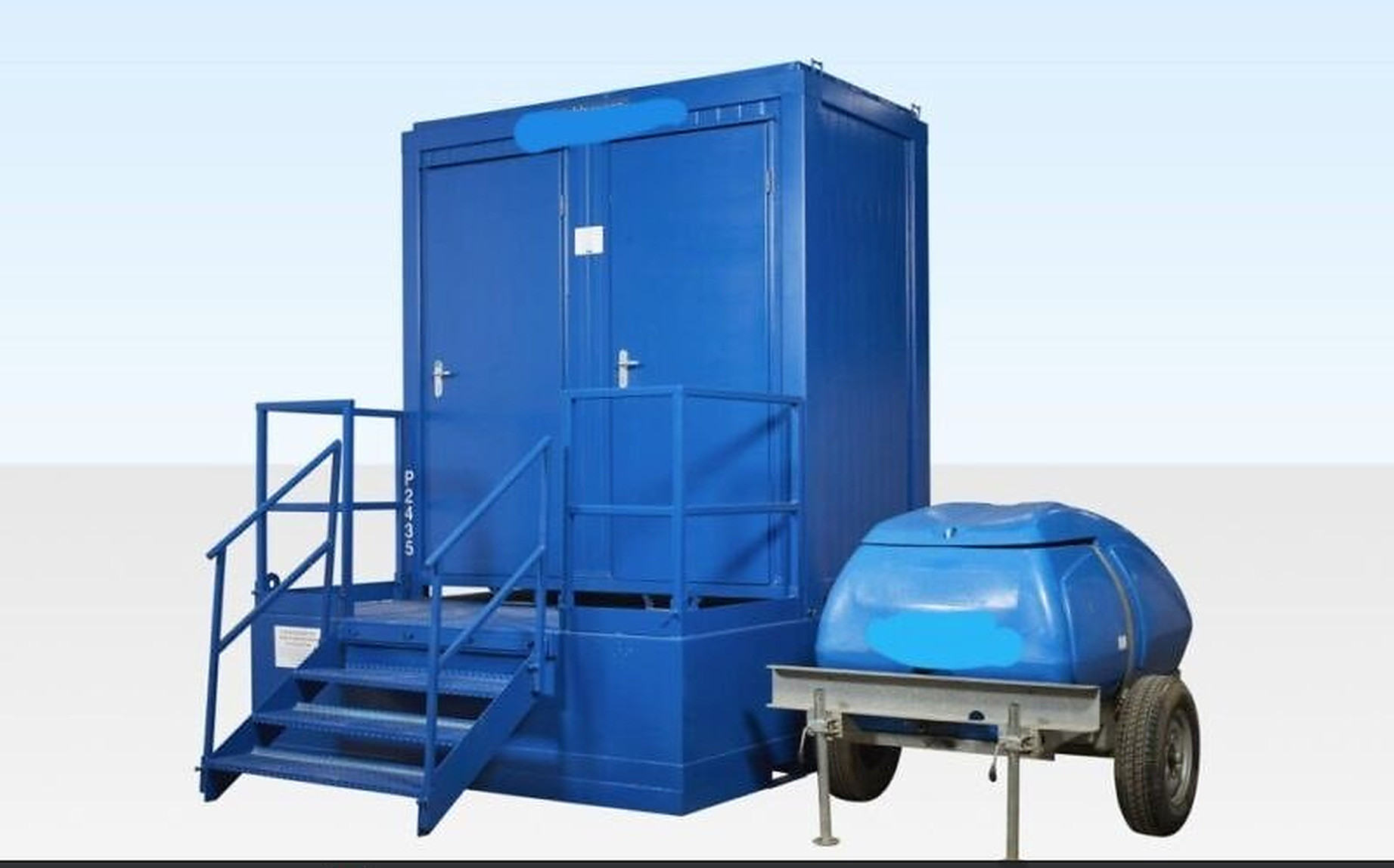
 New
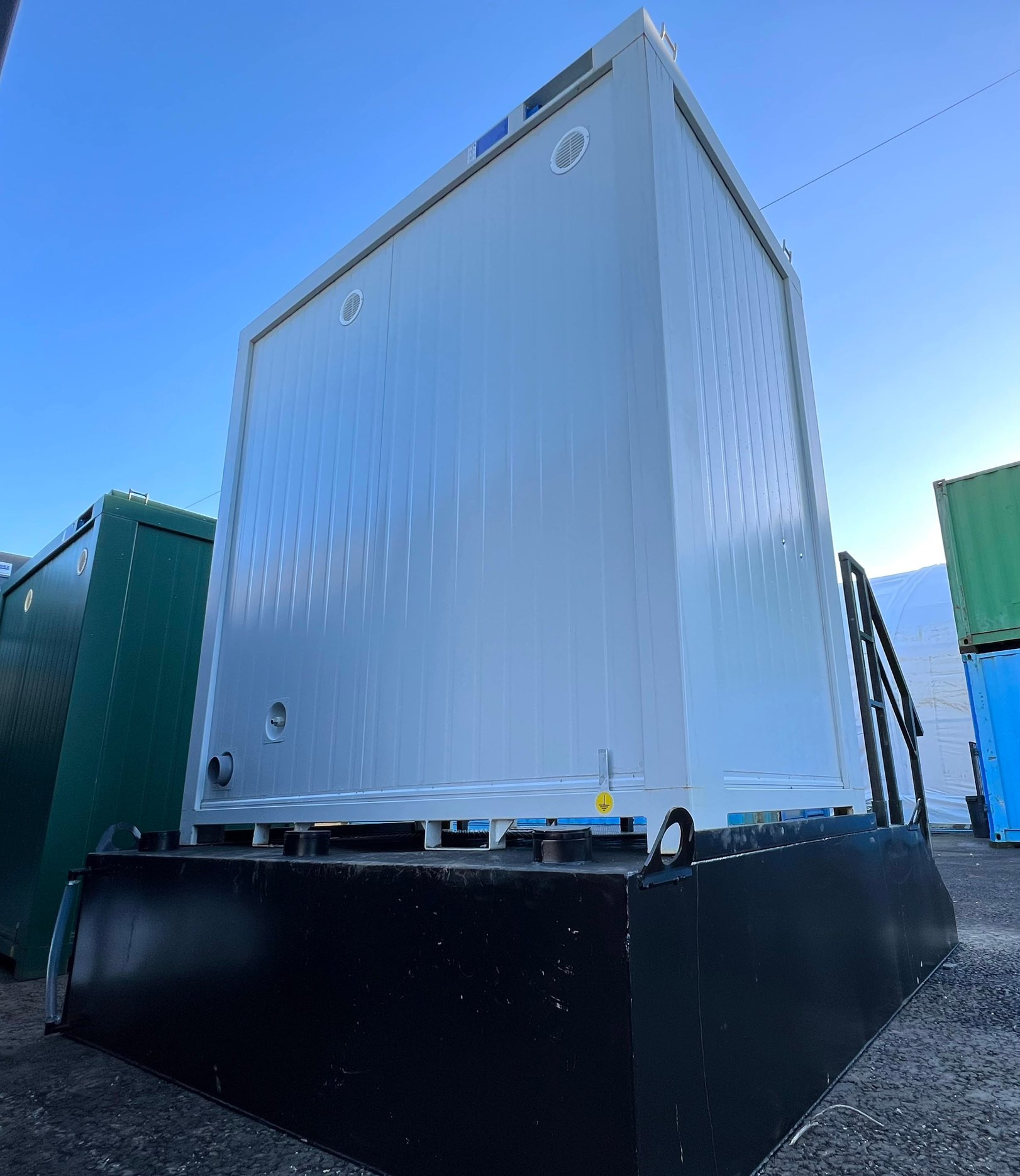
Double Mains Toilet Waste Tank
$1,576.75
View →Container category
Explore our selection of portable sanitation solutions for construction sites, commercial facilities, outdoor events, industrial operations, and remote locations. From portable restroom units and mobile restroom trailers to shower units, toilet containers, and self-contained sanitation facilities, discover practical solutions designed to provide convenient hygiene and restroom facilities wherever they are needed. Whether you need temporary sanitation facilities for a job site, event, or permanent installation, find versatile sanitation products to meet your requirements.
New
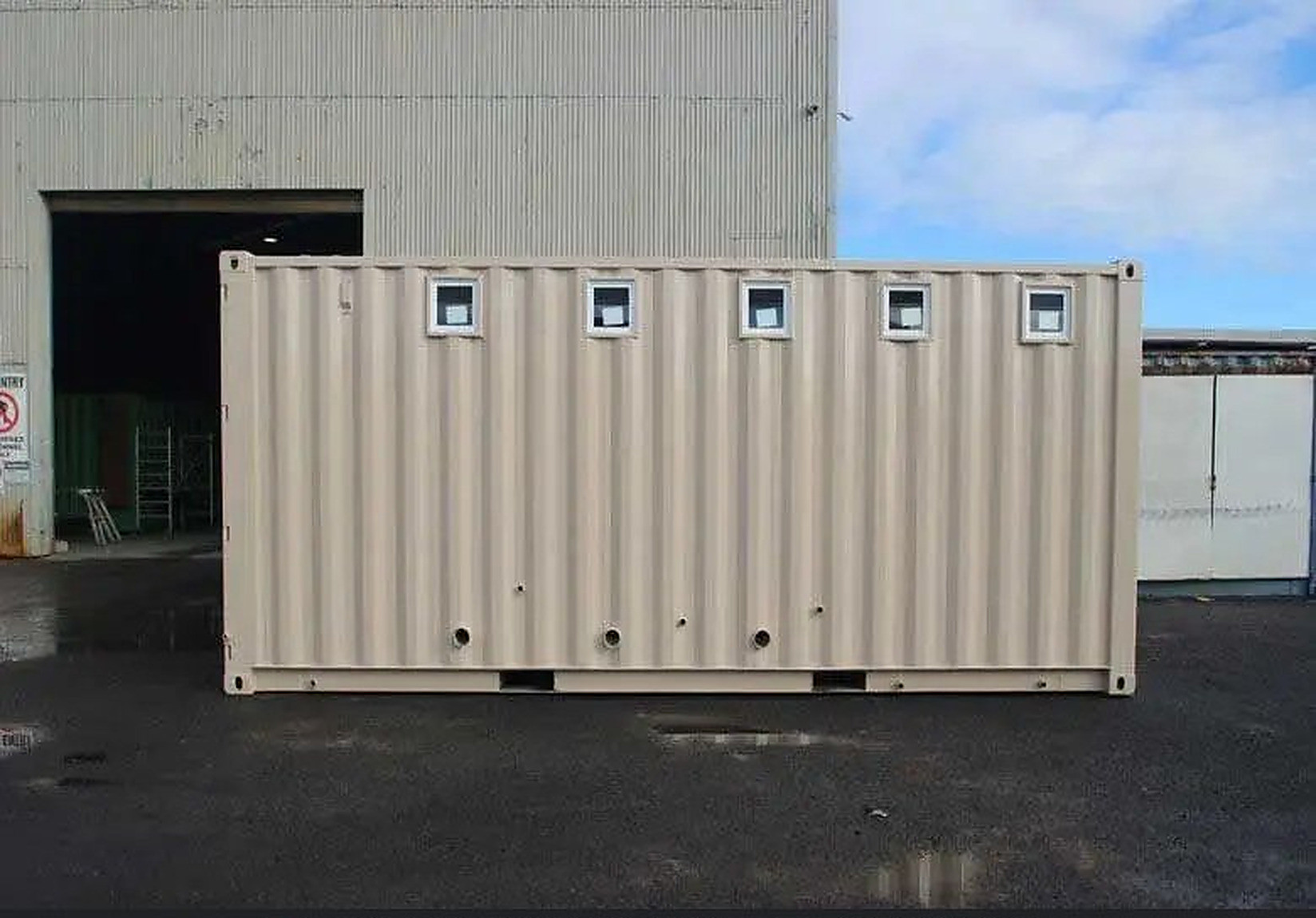 New
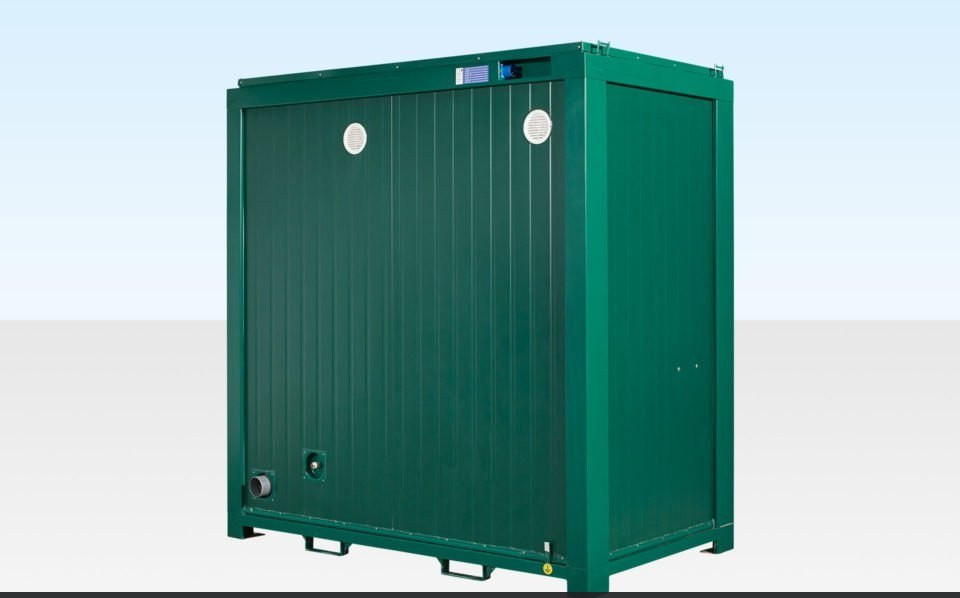 New
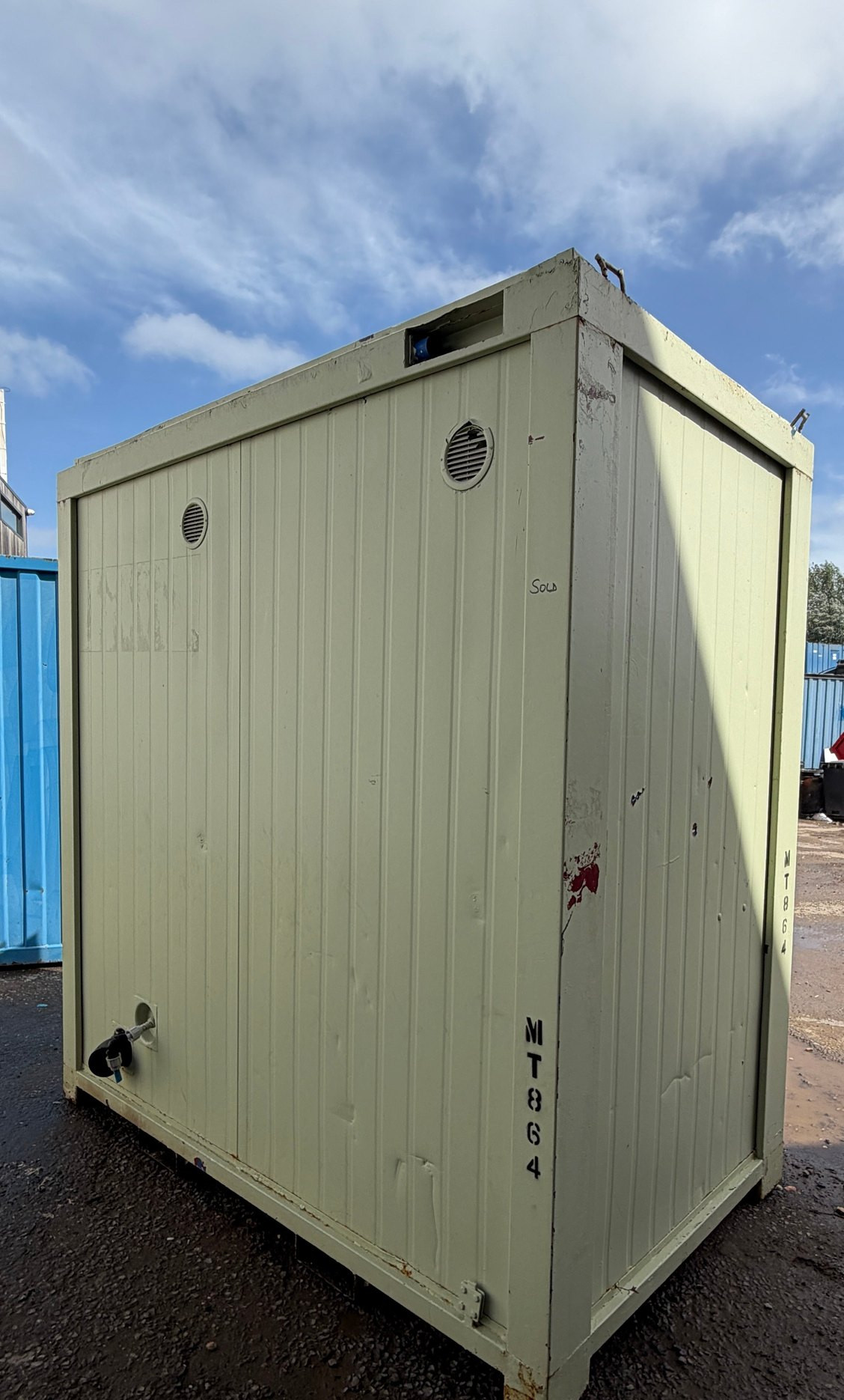 New
 New
 New
 New
 New
 New
 New
 New
 New
 New
 New
 New
 New
 New
 New
 New
 New
 New
 New
 New
 New
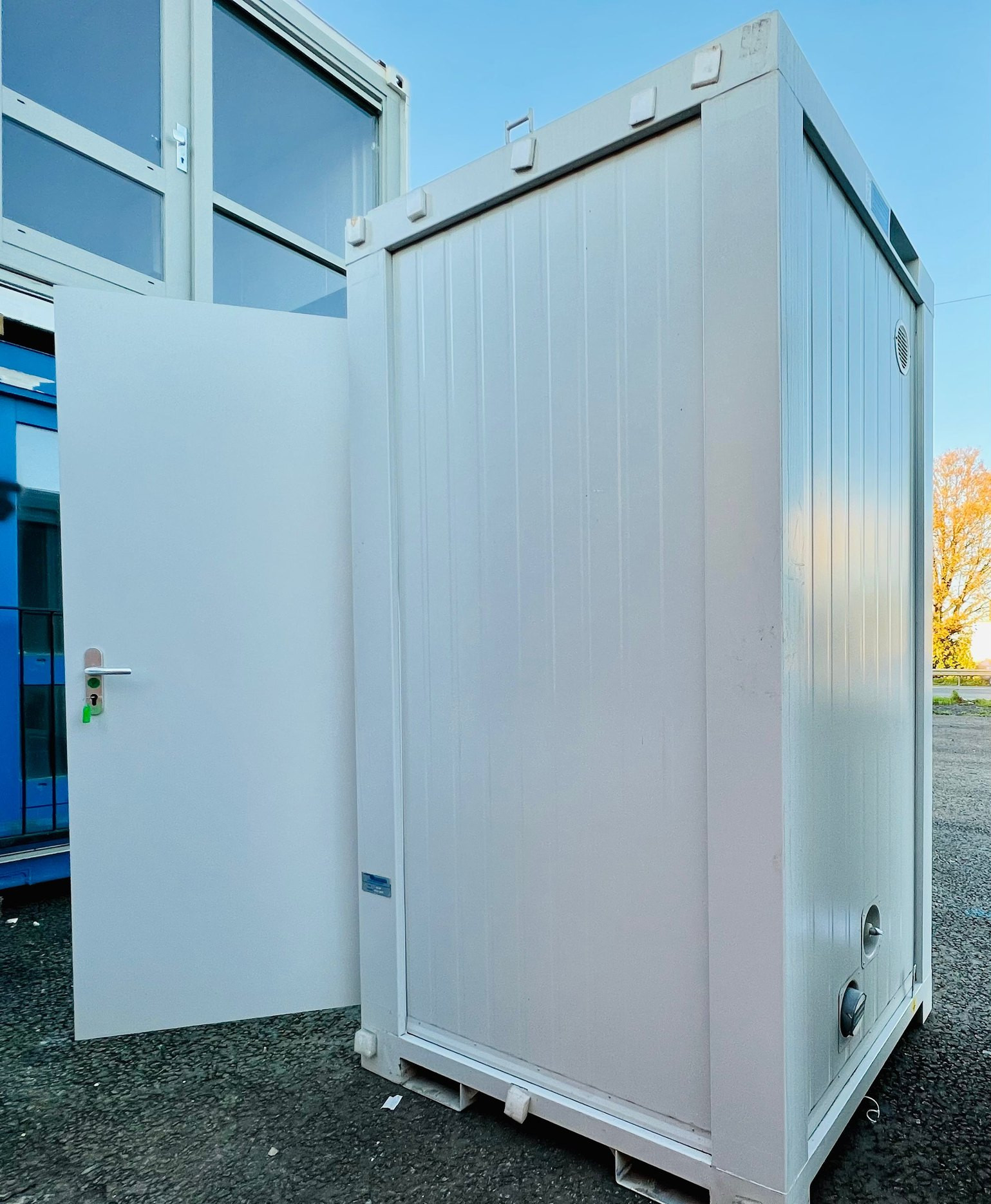
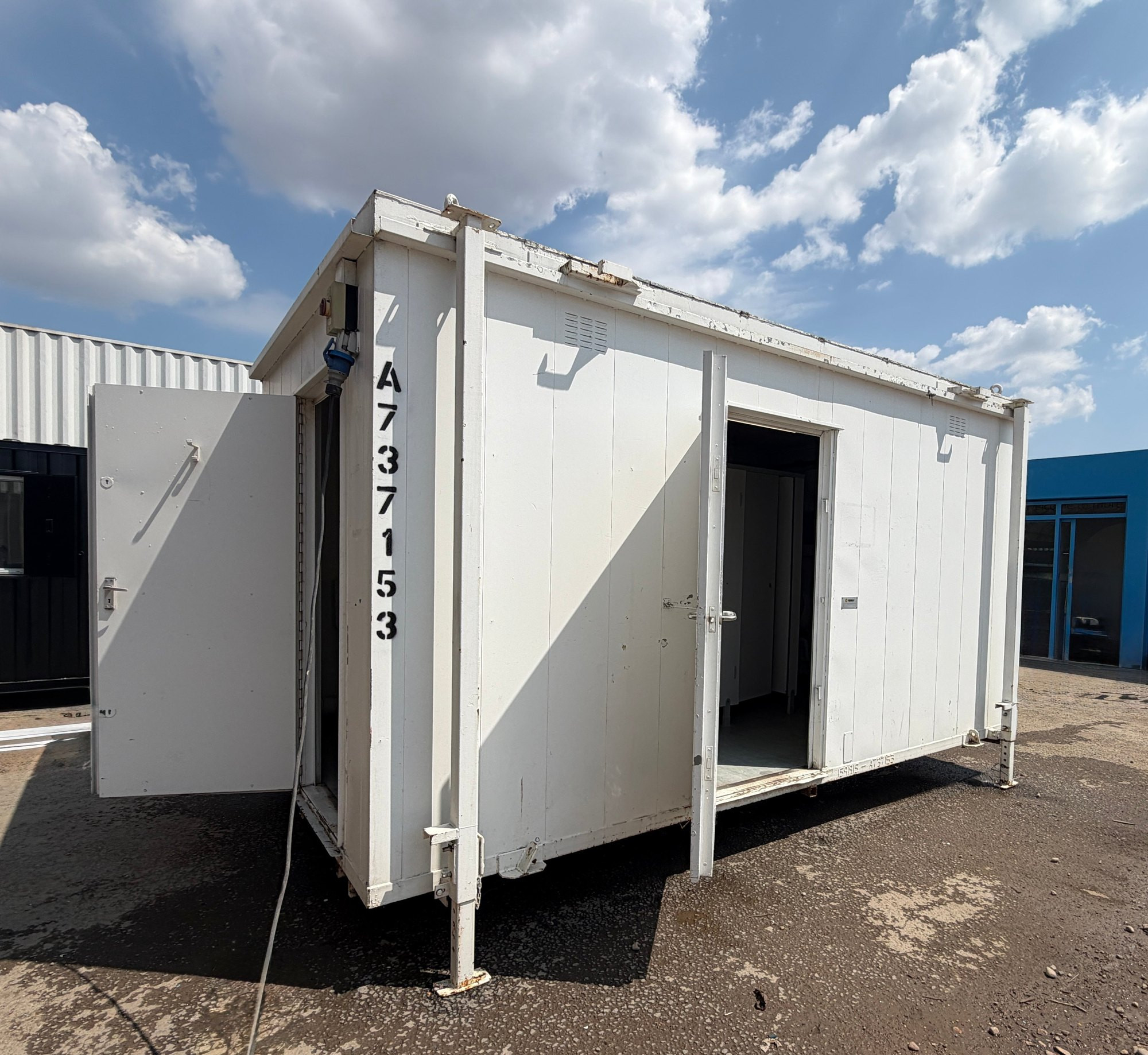
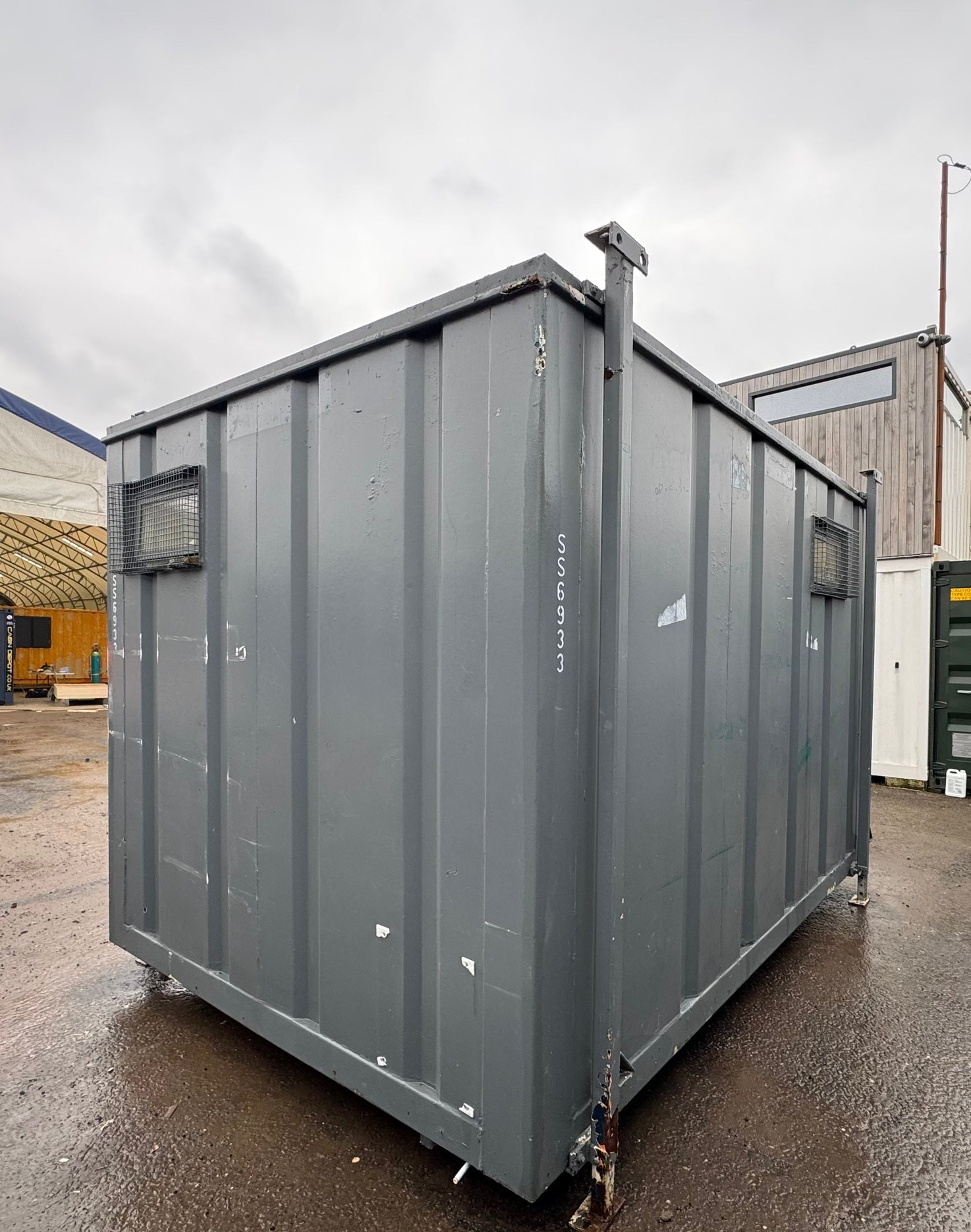
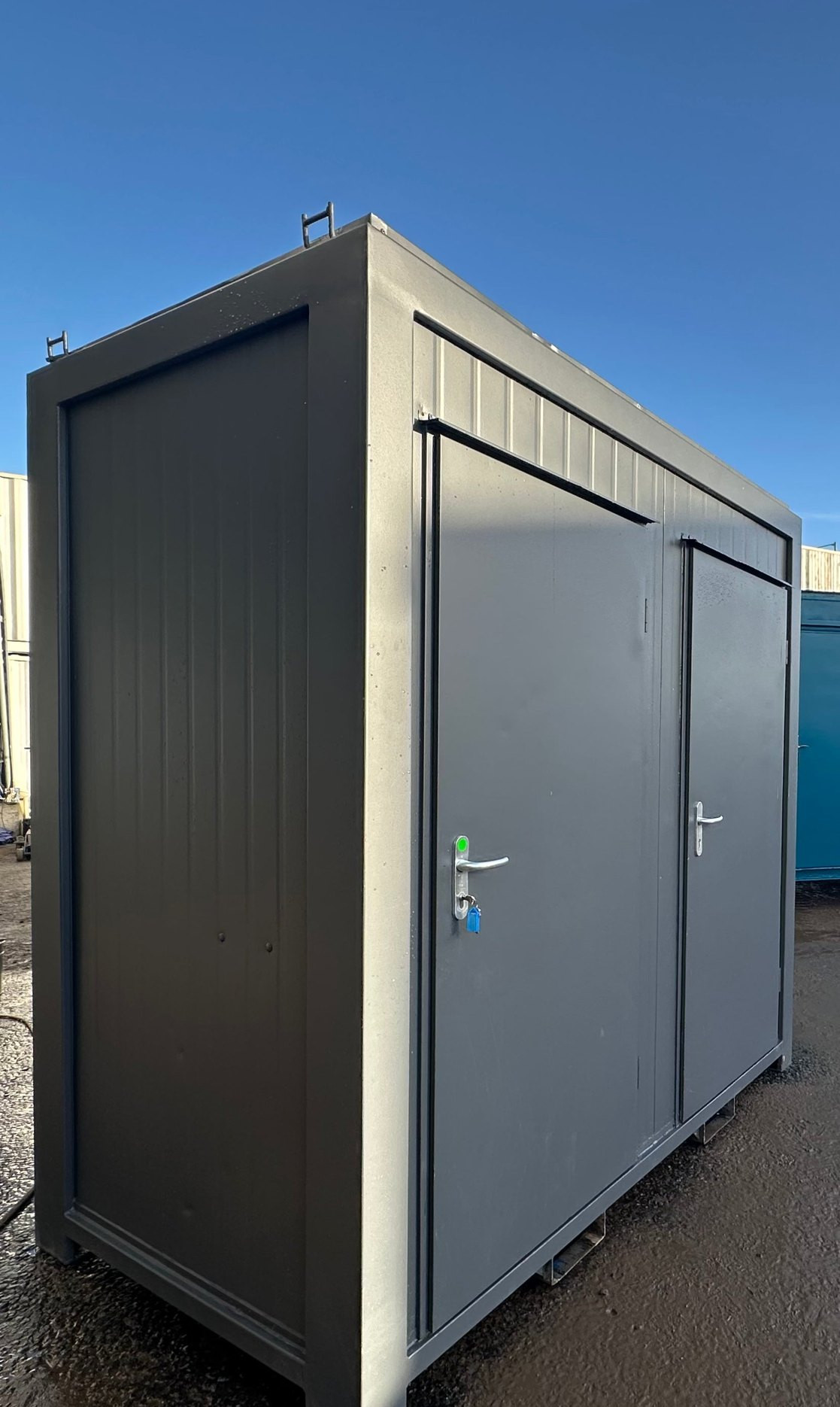
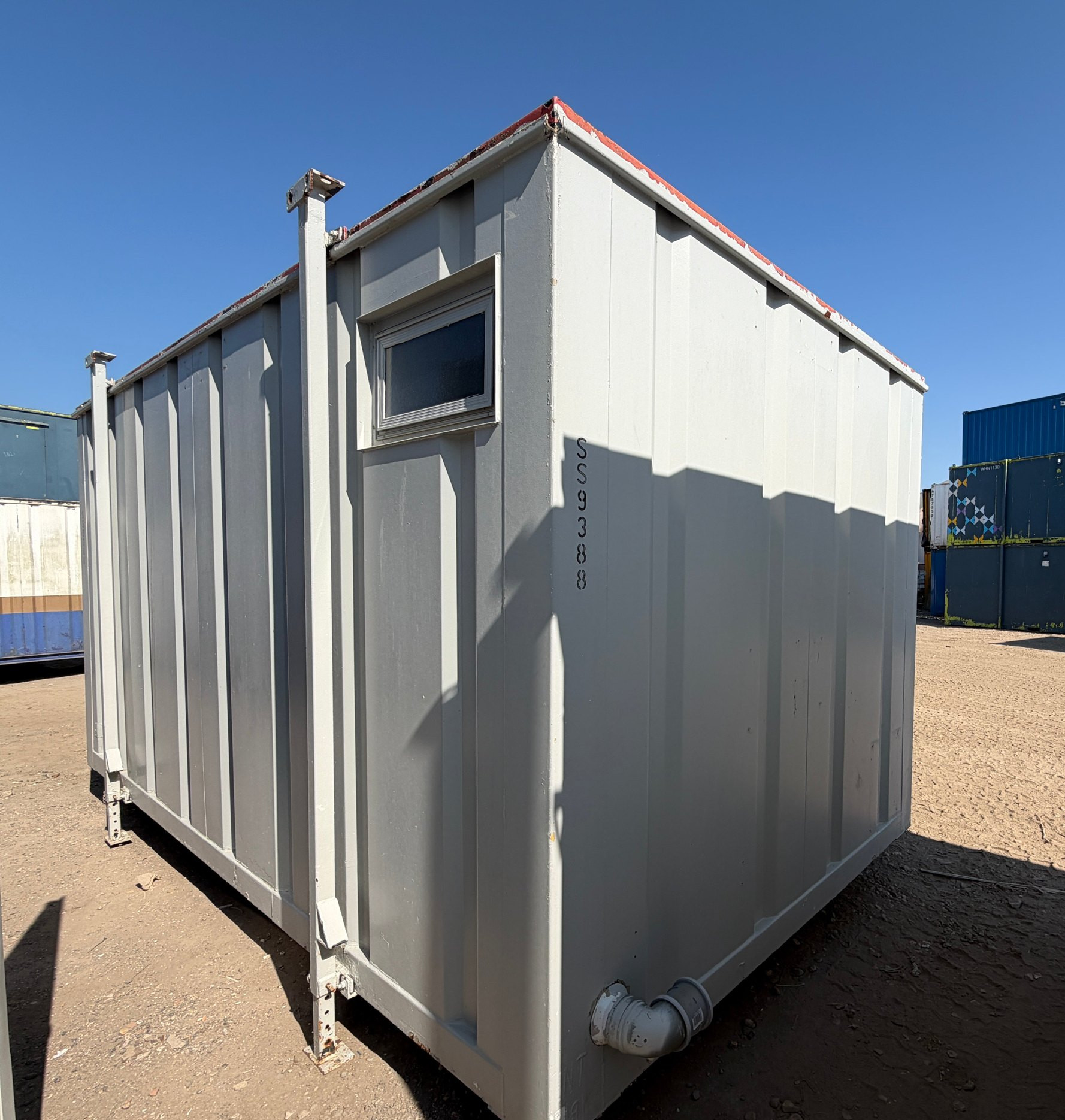
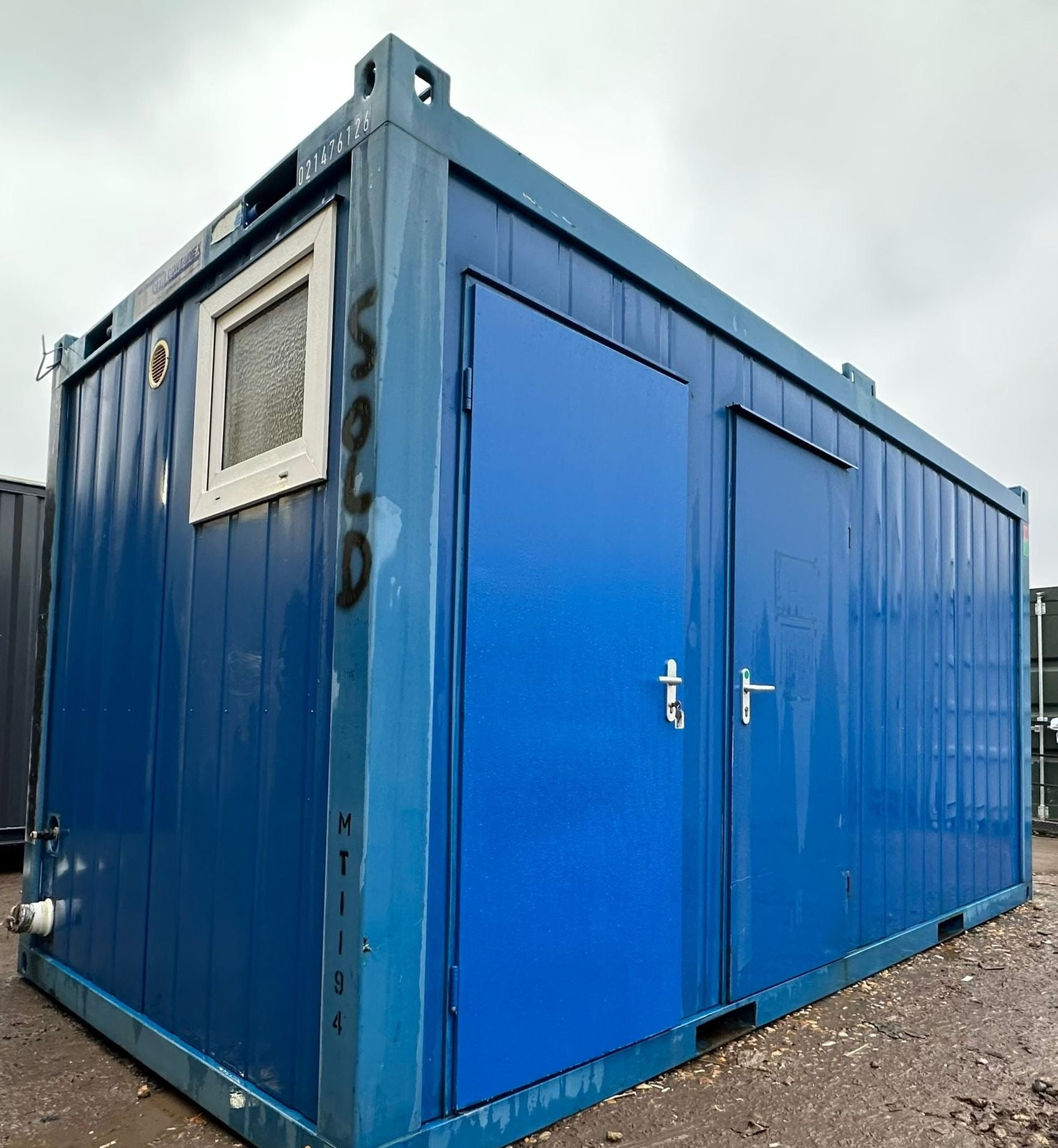
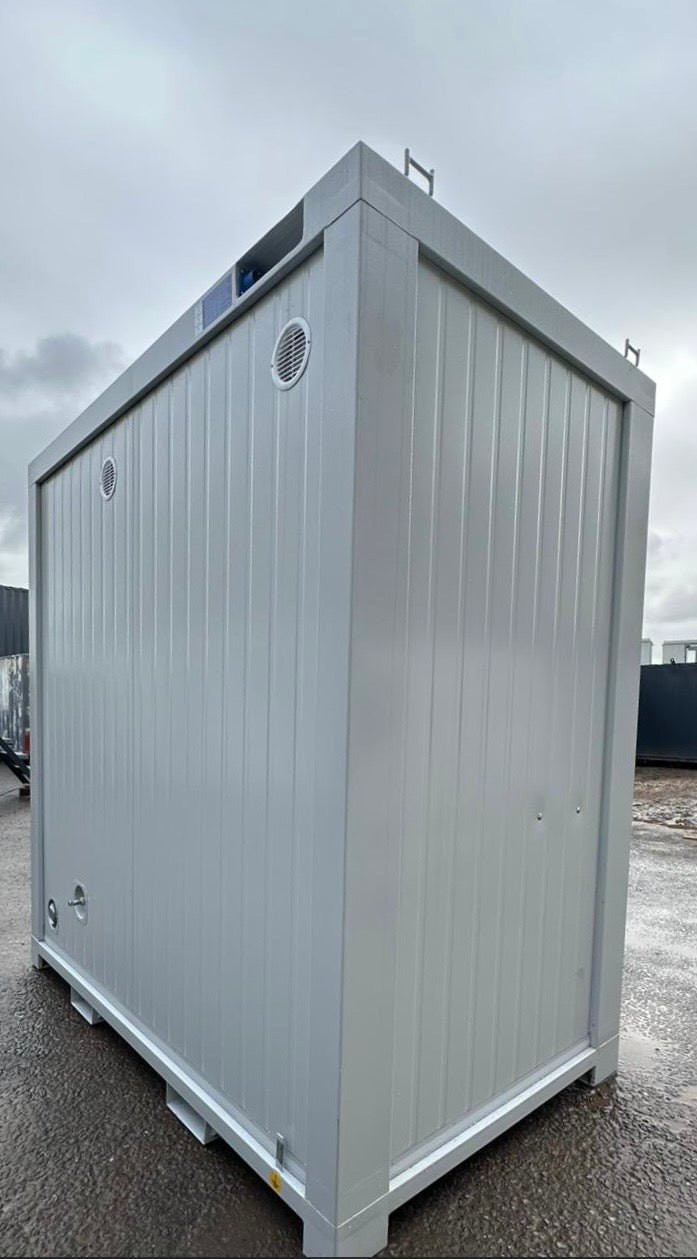
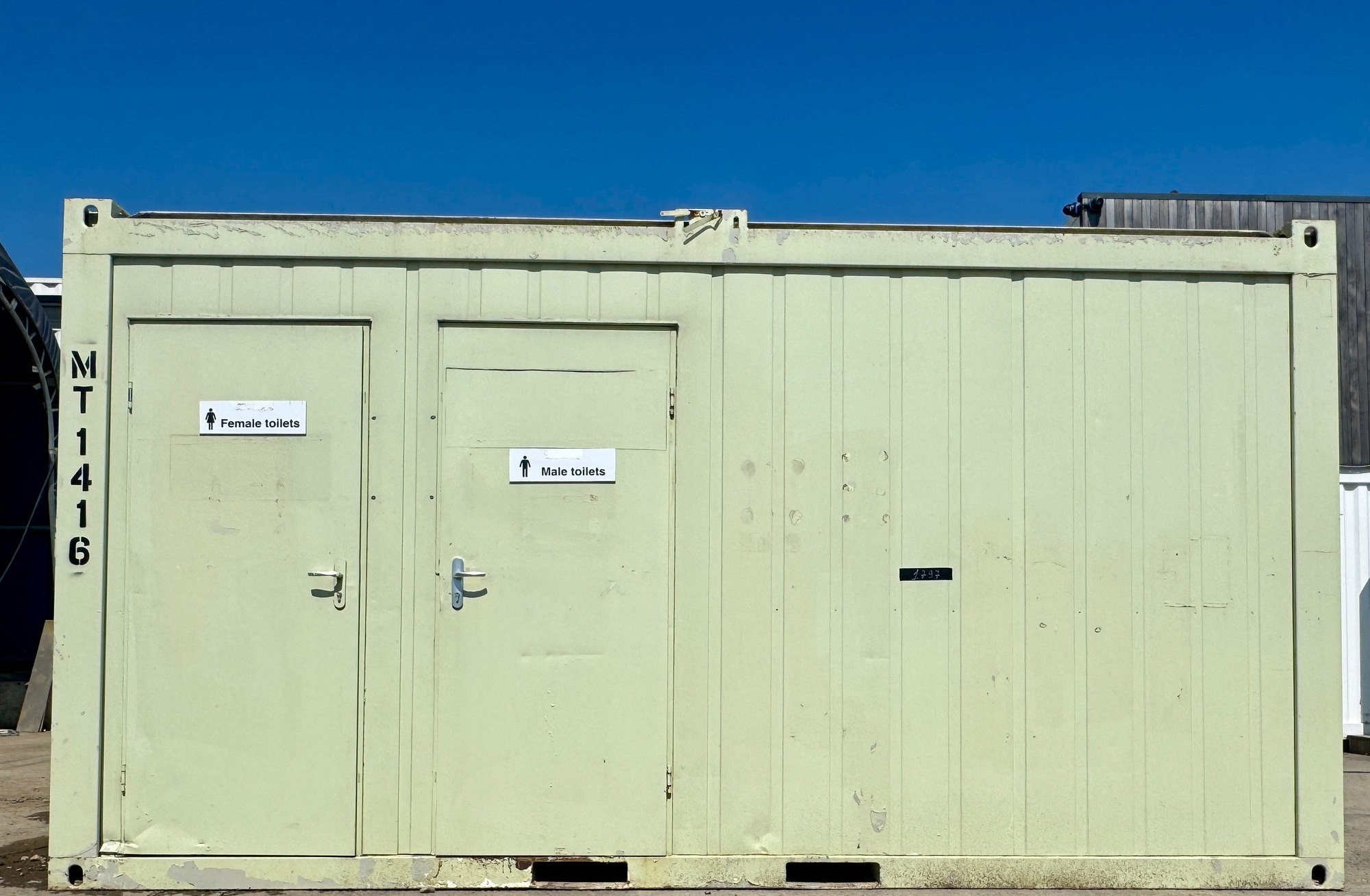
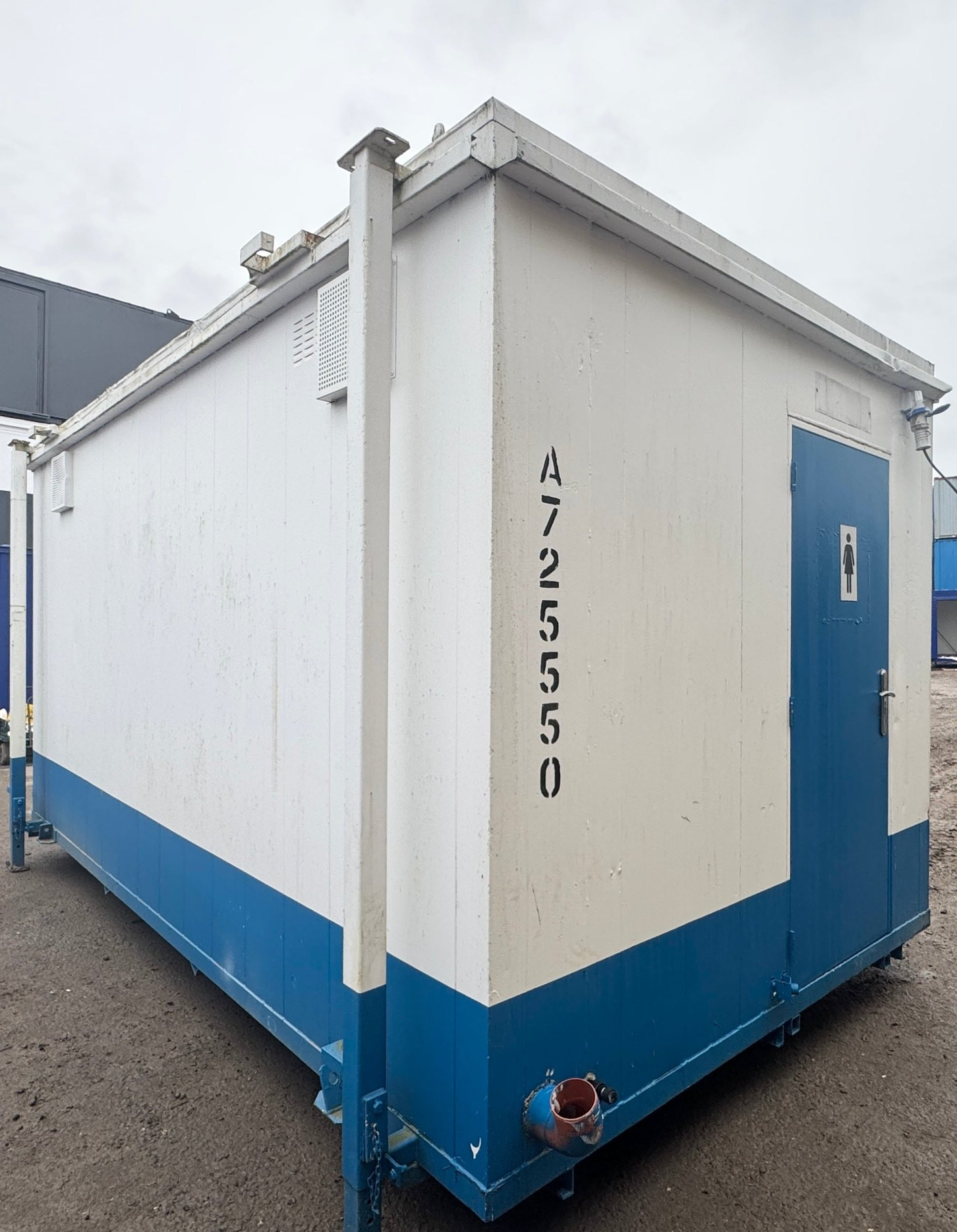
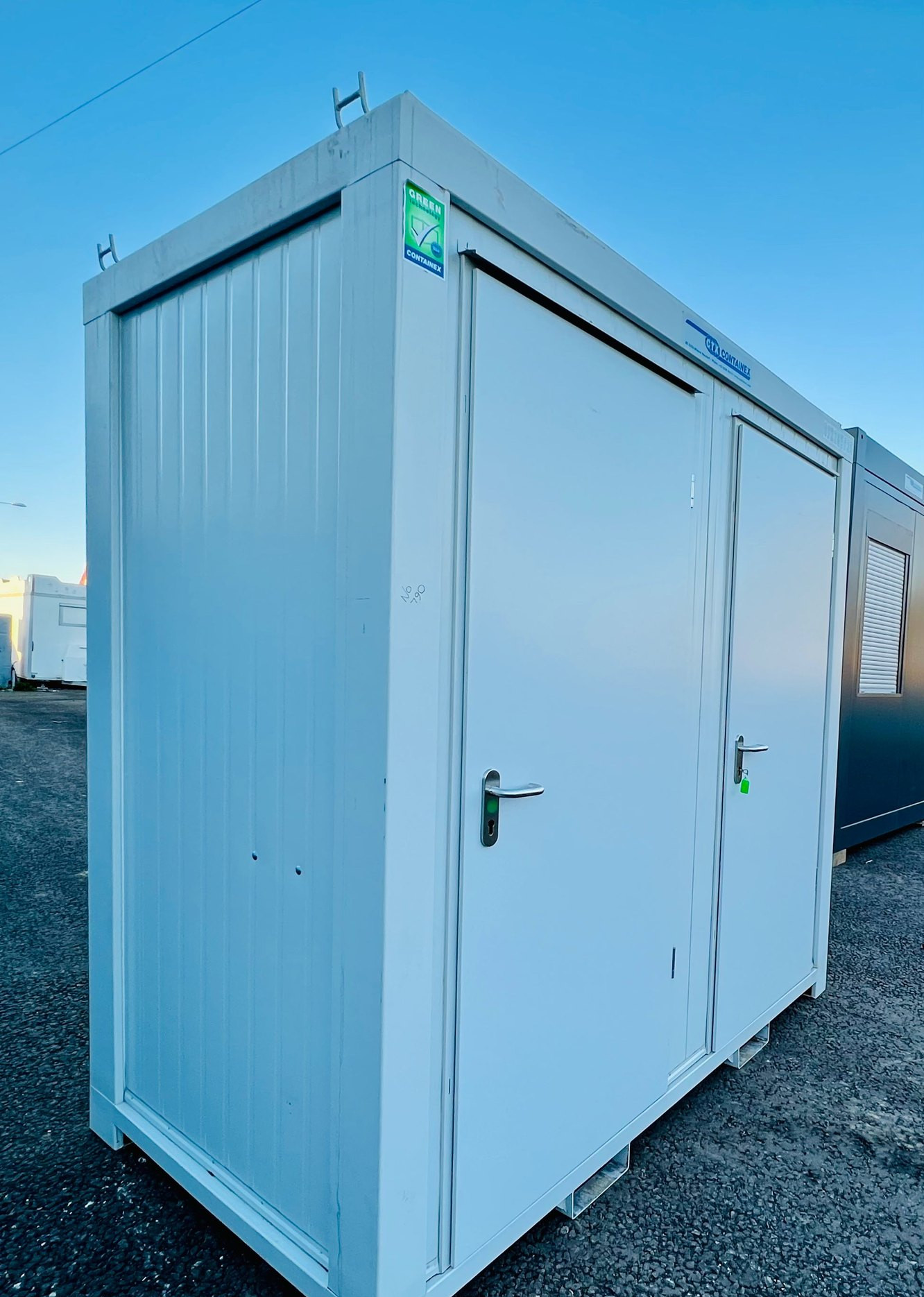
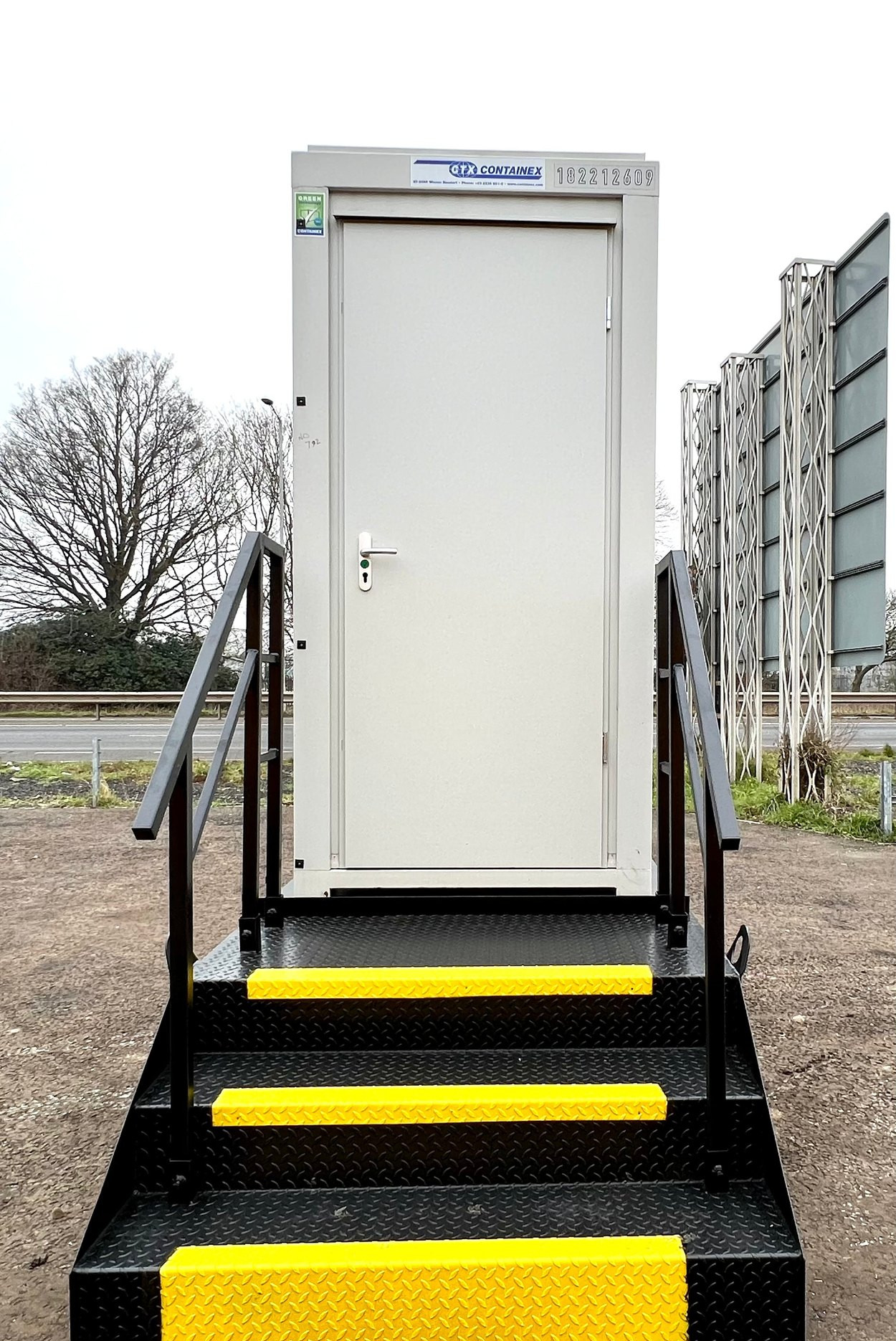
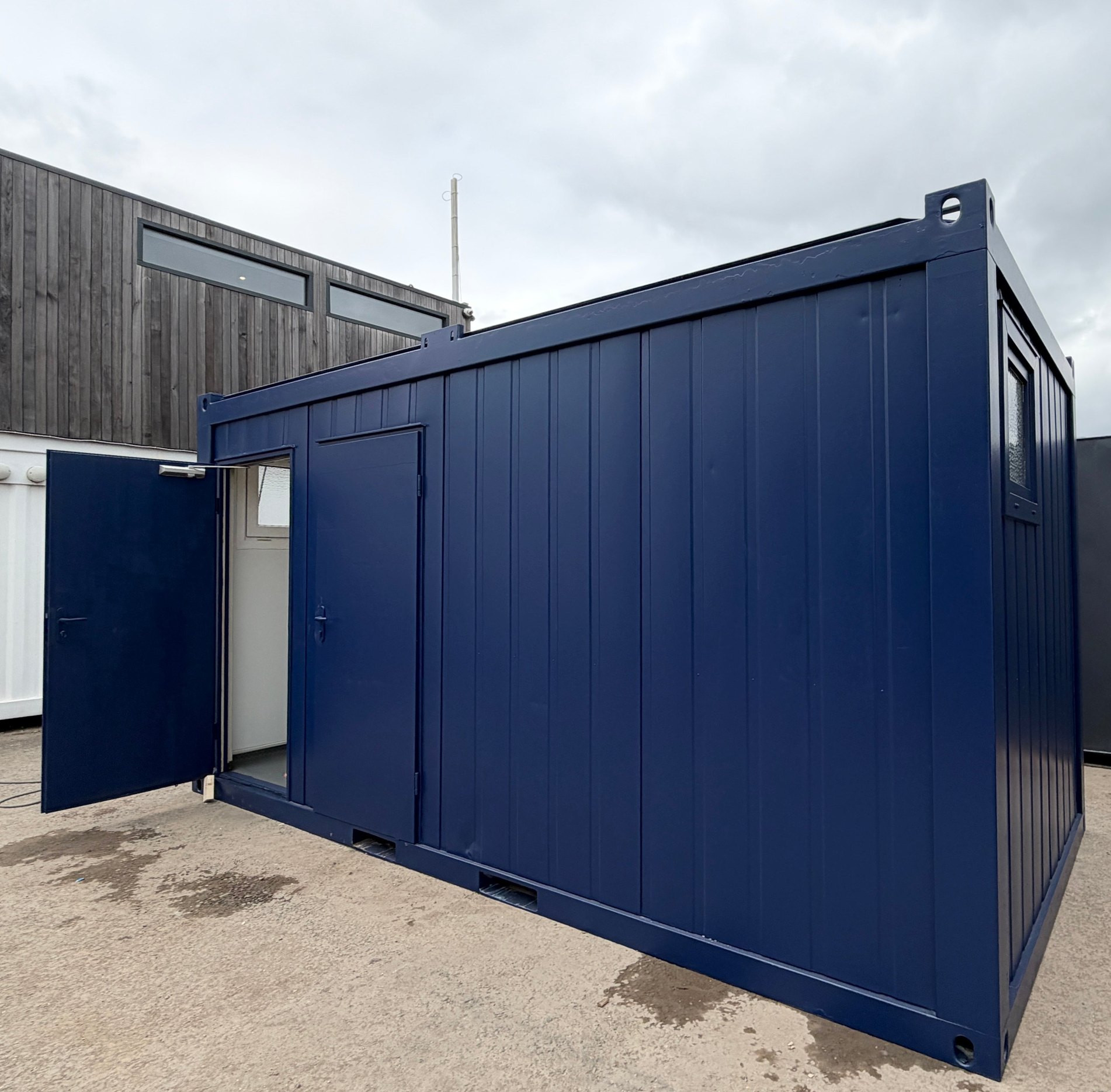
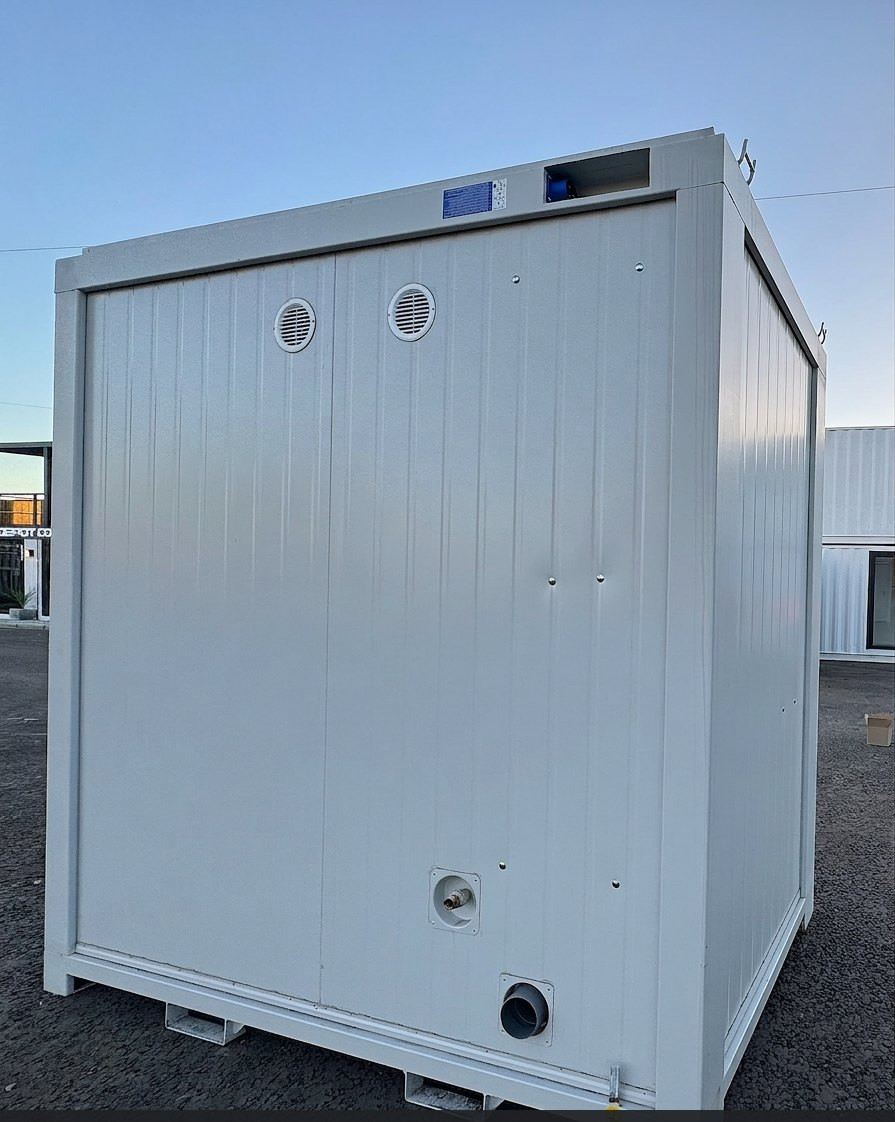
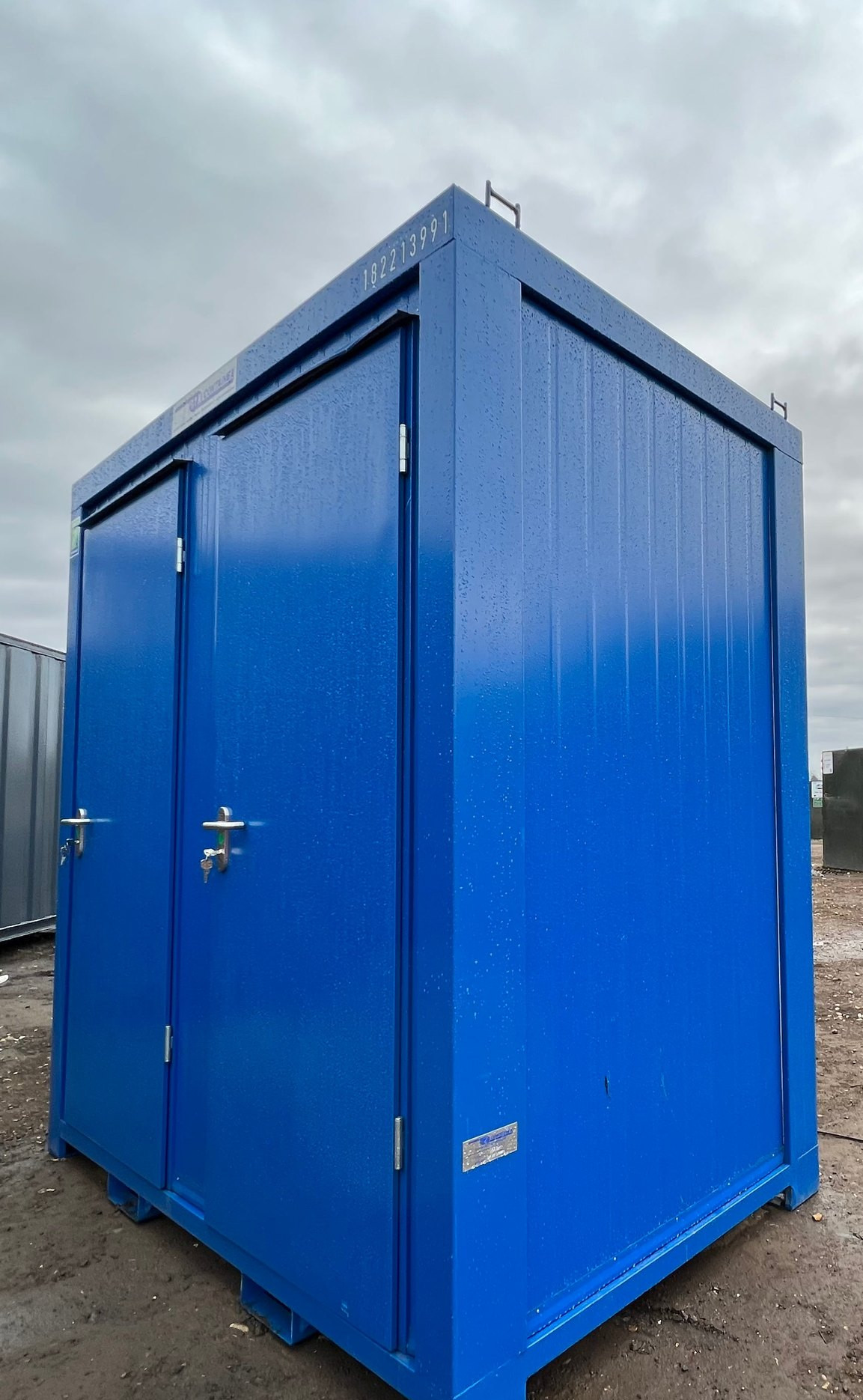
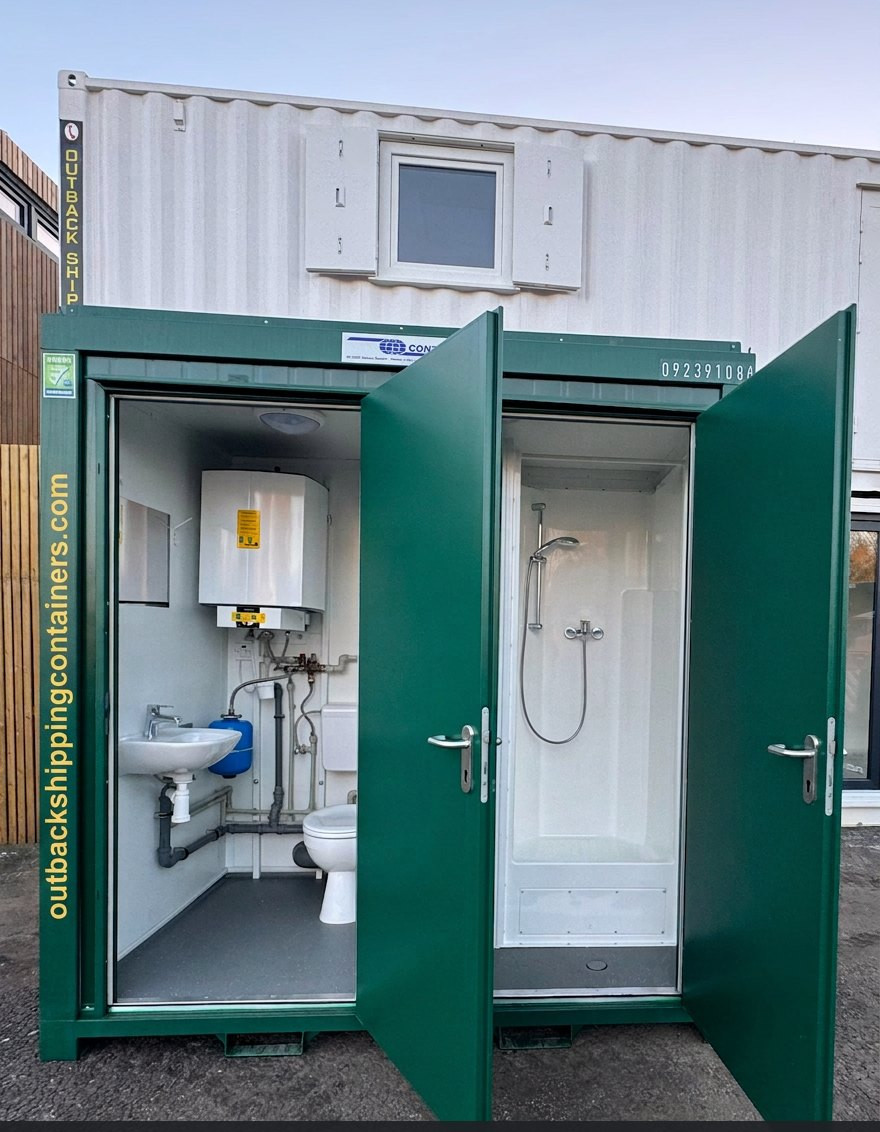
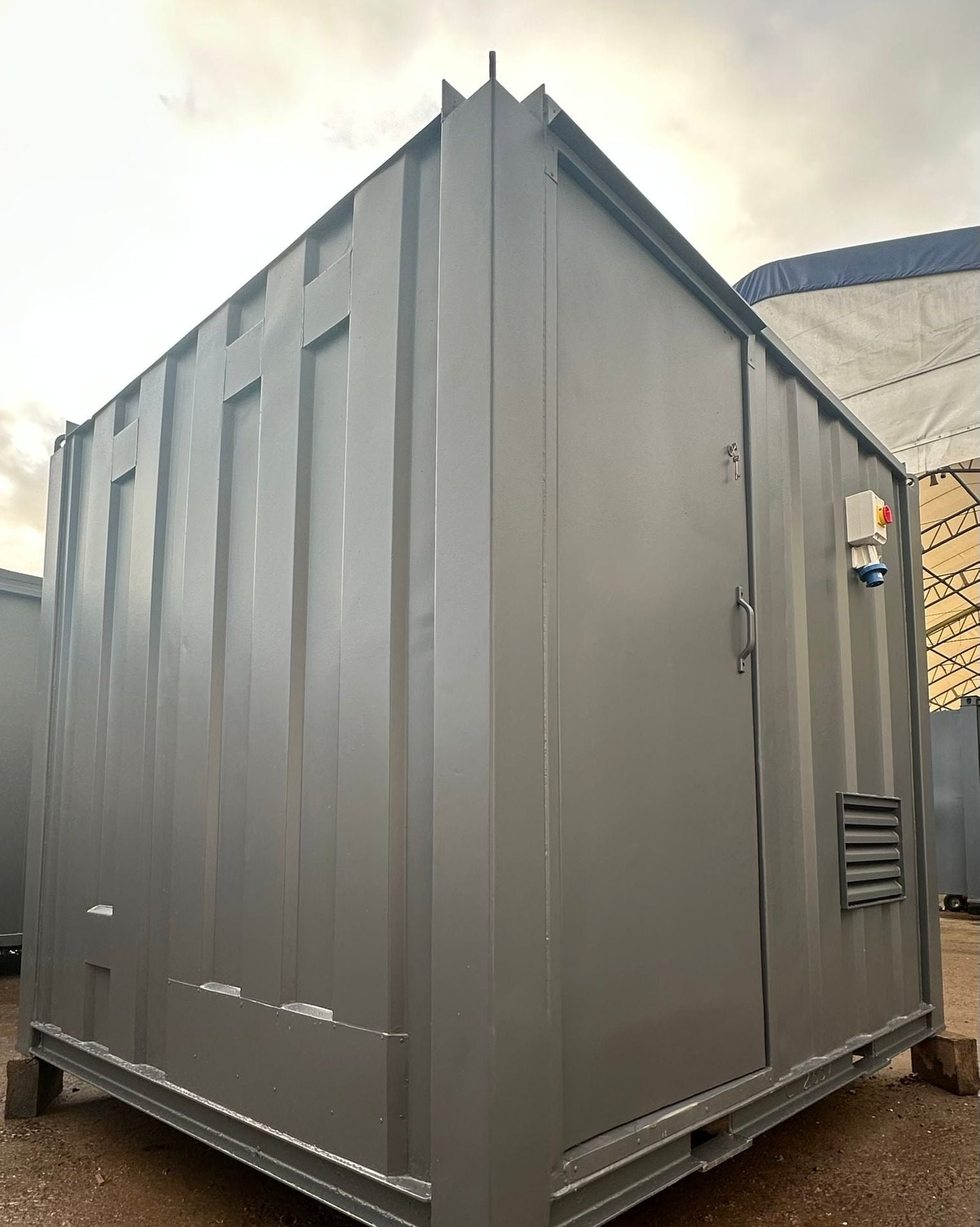
Sanitation units bring toilets, showers and handwashing to places without permanent facilities. Built inside steel containers or similar enclosures, they are used on construction sites, at events and festivals, on farms, at campgrounds, in industrial yards and during building renovations. Compared with single portable toilets, container-based sanitation units are typically sturdier, more private and easier to keep clean.
This category also includes waste holding tanks, which collect wastewater from units that are not connected to a sewer line.
Listings in this category typically fall into a few groups:
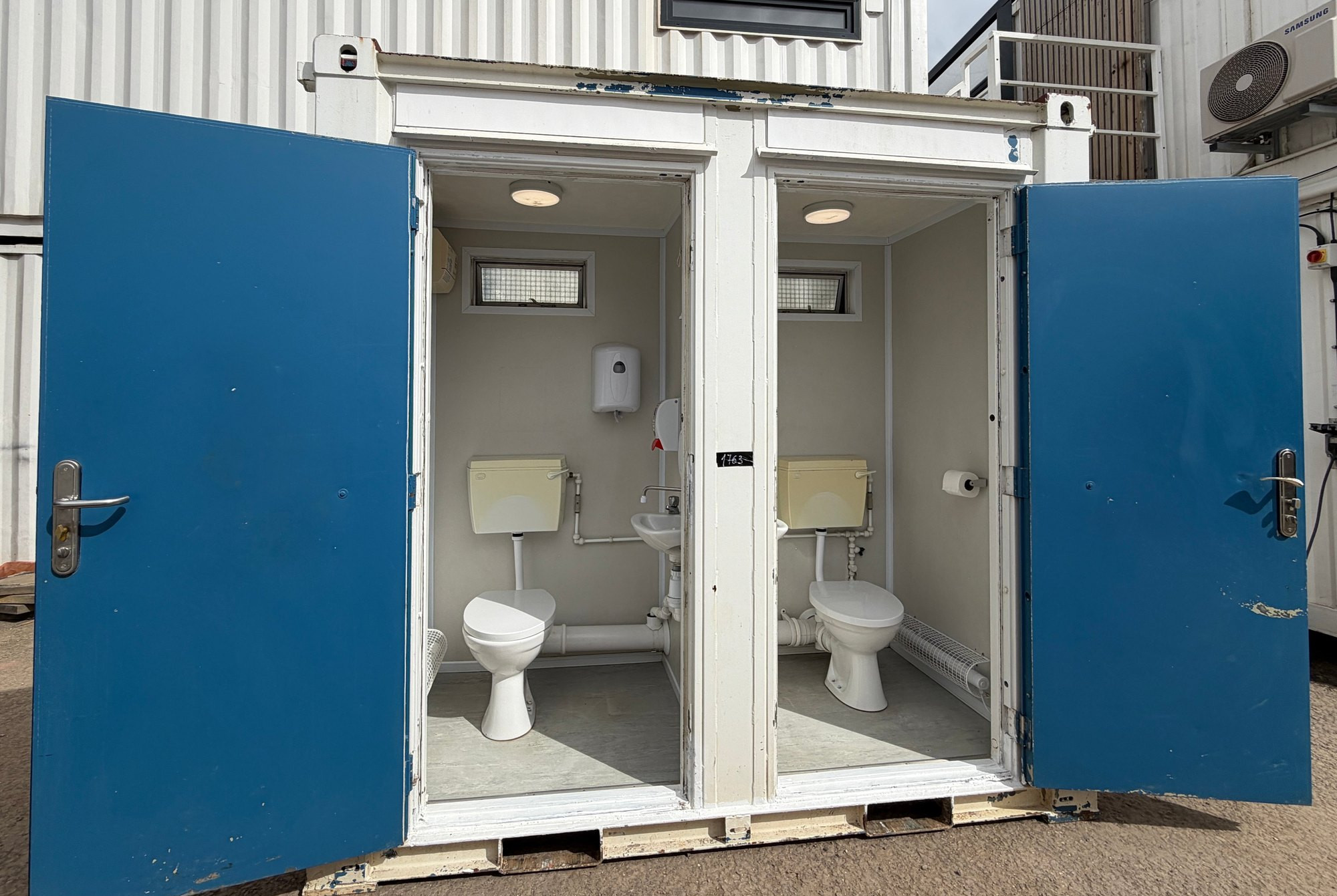
A 10 foot unit typically holds one or two fixtures, while 20 and 40 foot units can hold several stalls along with sinks and a water heater.
When comparing sanitation units, look at the number of toilets and showers, whether fixtures are flushing or low-water, and how hot water is supplied. Check for ventilation fans, lighting, heating for cold weather, and floor finishes that are slip resistant and easy to wash down. Freeze protection for pipes is worth asking about if the unit will be used through winter.
Most sanitation units need three connections: a fresh water supply, a wastewater outlet to sewer, septic or a holding tank, and electrical power for lights, fans and water heating. Have a licensed plumber and electrician handle the final connections.
Place the unit on level, firm, well-drained ground so drains flow correctly and doors close properly. Blocks, gravel or a concrete pad are common bases. The delivery truck needs clear, straight access with no low obstructions overhead, and if you are using a waste tank, keep a route open for the pump truck that will empty it.
Wastewater handling is regulated, so check local health department rules along with zoning, building codes and any HOA or property owner requirements before placing a unit.
The sanitation units shown here are currently listed for sale. Order online, and our team will contact you to confirm availability, final price, tax and delivery before any payment is collected.
Not always. Many units can connect to a public sewer or septic system, but where that is not available, a waste holding tank can collect wastewater until it is pumped out. Your local health department can tell you which options are allowed at your site and whether any permits are needed for the connection.
The right number depends on how many people will use the facilities, how long they are on site and any requirements that apply to your industry or event. Workplace and event rules often set minimum ratios, so check the regulations that apply to you and size the unit with some extra capacity.
Some units include heating, insulated walls and freeze protection for water lines, which makes cold-weather use more practical. Others are better suited to warmer months. Review the heating and insulation details on each listing, and ask our team about winter use before ordering if the unit will be in place year-round.
A shower container typically needs a fresh water supply, a drain connection to sewer, septic or a holding tank, and electrical power for lighting, ventilation and water heating. Final connections should be made by licensed trades who can confirm the work meets local plumbing and electrical codes.
The CSC plate is the container's safety identity card. Learn which fields matter, how to cross-check them against the box itself, and what to ask before you buy.
Learn what 'cargo worthy' really means for a used shipping container, how it differs from wind and watertight and one-trip condition, what to inspect, and how to plan delivery with the Newport team.
Discover how working with a regional shipping container dealer in East Tennessee can simplify your purchase, improve delivery coordination, and give you direct access to people who know the business inside and out.