
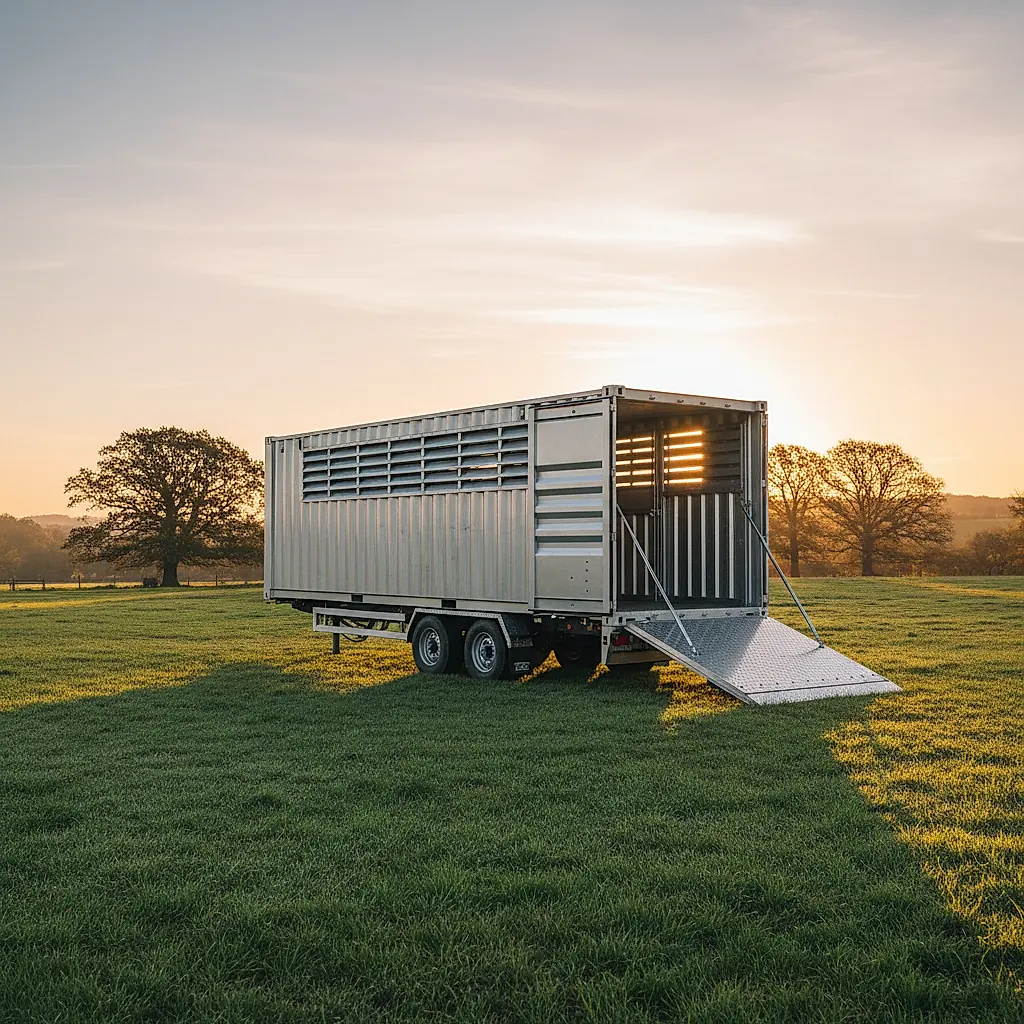
Planning a horse trailer conversion from a shipping container? Learn the real cost drivers, structural decisions, and questions to ask before you buy.
Converting a shipping container into a horse trailer is an ambitious project that blends livestock transport, structural engineering, and vehicle registration rules. Whether you are considering a 20ft container horse stall conversion or a larger build on a trailer chassis, the final cost depends on factors that are easy to underestimate. This guide walks through the major cost categories, the decisions that drive them, and the questions you should resolve with suppliers, fabricators, and your state motor vehicle agency before committing.
Why Container-to-Horse-Trailer Projects Are Different
A shipping container is engineered to stack and to protect cargo from weather and theft. It is not engineered to be a road-going trailer. That distinction matters because every conversion must address three things: structural reinforcement, safe animal containment, and legal road use. Each of those areas carries its own cost and its own uncertainty.
The container is only the starting point
The purchase price of a used container is often the smallest line item in the budget. The larger costs usually come from the chassis, the fabrication labor, ventilation, flooring, and the inspection and registration process. Buyers who focus only on container price can be surprised later.
Condition and grade matter
Containers are sold in different condition grades. A wind- and water-tight unit may be suitable for storage but could still need floor repair, door service, or rust treatment before conversion. Ask the seller to confirm the condition grade and to point out any dents, floor soft spots, or door seal issues. For a conversion, you want to inspect in person or request detailed photos.
Major Cost Categories to Budget For
Use the list below as a framework, not a quote. Actual costs vary widely by region, fabricator, and design.
Container acquisition
- New versus used container
- 20ft versus 40ft nominal length
- Standard height versus high-cube height
- Delivery to your site
Trailer chassis and running gear
- New custom chassis versus a used flatbed or trailer frame
- Axle count and suspension type
- Brakes, lights, and wiring
- Tires and wheels
- Coupler, safety chains, and breakaway system
Structural fabrication
- Cutting door openings or side ramps
- Reinforcing the container where sections are removed
- Welding the container to the chassis
- Fabricating a ramp or loading system
- Adding a tack room, dividers, or stalls
Interior build-out
- Horse-safe flooring and mats
- Wall protection and padding
- Dividers and tie rings
- Ventilation openings, roof vents, or powered fans
- Interior lighting
- Feed and water storage
Finishing and compliance
- Paint or coating
- Registration, titling, and inspection fees
- Weight and lighting compliance
- Insurance
Because these categories interact, a change in one often affects another. A heavier interior build-out may require a different axle rating. A taller container may change overall road height. Confirm exact specifications with your fabricator and the individual container listing.
20ft Container Horse Stall Conversion: What Drives the Layout
A 20ft nominal container is a common starting point because it is easier to tow and maneuver than a longer unit. The interior width of a standard container is roughly 7 to 8 feet, and the interior height is approximately 7 to 9 feet depending on whether it is standard or high cube. Those are nominal figures; confirm the exact interior dimensions from the listing or the CSC plate before designing stalls.
Stall count and horse size
Do not assume a container length equals a specific number of stalls. The number of horses you can carry depends on horse size, stall depth, headroom, and how you plan to load and unload. A layout that works for two ponies may not work for two large warmbloods. Work with a fabricator who understands livestock transport and can design around your actual animals.
Loading and unloading
Options include rear doors, a side ramp, or a combination. Each approach changes the structural work required. Rear-door loading may be simplest, but it can be harder to ventilate and to manage horses in a narrow space. Side ramps can improve access but require significant reinforcement. Discuss the trade-offs with your builder.
Ventilation and heat
A closed steel box heats up quickly. Ventilation is not optional for animal transport. Plan for openings that cannot be blocked by a horse, and consider roof vents or fans. The right amount of ventilation depends on your climate, travel duration, and number of animals. Ask your fabricator for a design that keeps air moving without creating sharp edges or escape points.
Chassis, Towing, and Legal Considerations
This is the area where assumptions are most dangerous. Rules for trailer registration, titling, weight limits, and inspection vary by state and by how the vehicle is classified. Do not rely on a general article, including this one, for legal requirements. Contact your state motor vehicle agency and, if needed, a licensed inspector.
Chassis selection
A chassis must be rated for the loaded weight of the container, the interior build-out, the horses, and any tack or water. Your fabricator should calculate the loaded weight and match it to axles, suspension, tires, and brakes. Do not guess. If you are using a used chassis, have it inspected before purchase.
Brakes and safety equipment
Most jurisdictions require brakes on trailers above a certain weight, plus safety chains, lights, and a breakaway system. Confirm the requirements that apply to your build. Your fabricator and your state agency are the right sources.
Registration and inspection
Converting a container into a trailer may create a vehicle that needs a title, registration, and inspection. The process can take time and may require a weigh slip or a safety inspection. Start this conversation early so you are not surprised after the build is complete.
Insurance
Insurers may treat a custom horse trailer differently from a factory-built trailer. Ask your agent how they would classify the vehicle and what documentation they need. This step is often overlooked until after the build.
How to Compare Quotes Without Getting Misled
When you request quotes, ask each fabricator to break the work into the categories above. A single lump-sum number makes it hard to see what is included.
Questions to ask every fabricator
- What is included in the base quote, and what is billed separately?
- How will you reinforce the container where openings are cut?
- What axle, brake, and tire ratings do you recommend, and why?
- How will you address ventilation and heat?
- What is your process for weighing and documenting the finished trailer?
- Can you provide references for similar livestock or trailer projects?
- What is the estimated timeline, and what could delay it?
Red flags
- A quote that does not mention reinforcement or brakes
- A promise that a specific size will not need permits or inspection
- No discussion of loaded weight
- No written scope of work
Frequently Asked Questions
Can I convert a shipping container into a horse trailer myself?
Some owners do part of the work, but the structural and safety-critical elements, such as chassis attachment, reinforcement, brakes, and lighting, are best handled by experienced fabricators. If you plan to do the work yourself, have a qualified inspector review the design and the finished trailer before you tow it on public roads.
How much does a container horse trailer conversion cost?
There is no single number. Costs depend on container condition and size, chassis choice, fabrication labor, interior materials, ventilation, and local registration and inspection fees. The best approach is to get itemized quotes and compare the scope of work, not just the total.
Is a 20ft container big enough for horses?
A 20ft nominal container can be a starting point for a small number of horses, but the usable space depends on interior dimensions, stall design, and horse size. Do not assume a container length equals a set number of stalls. Confirm interior dimensions from the listing or CSC plate and design around your animals with a fabricator.
Does a container horse trailer need special permits?
Requirements vary by state and by how the vehicle is classified. Do not assume one size or design needs fewer permits than another. Contact your state motor vehicle agency for the rules that apply to your build.
What about ventilation and heat inside a steel container?
Ventilation is a critical design element, not an afterthought. Plan openings, vents, or fans that keep air moving and cannot be blocked by a horse. The right solution depends on your climate and travel plans, so discuss it with your fabricator.
Next Steps for Your Build
Start by confirming the details that only you and your suppliers can verify: the condition and dimensions of the specific container, the capacity of your tow vehicle, the requirements of your state motor vehicle agency, and the scope of work from your fabricator. Then compare itemized quotes and choose a builder who can explain the structural and safety decisions in plain language.
If you are still selecting a container, browse current options at our shop and confirm availability, condition grade, and delivery details with the Newport team. When you are ready to talk through site access, delivery, or which container size might suit your project, contact us. We can help you ask the right questions before you commit to a conversion.
Plan the next step
Confirm the container and the delivery plan.
Browse current listings, then speak with the Newport team to verify the unit, total pricing, site access, and delivery requirements before payment.