
 Used
Container category
Chassis & Trailers
Explore our selection of chassis and trailers for sale, including utility trailers, snowmobile trailers, ATV trailers, equipment trailers, dump trailers, car haulers and cargo trailers. Whether you are looking for recreational transportation, equipment hauling or everyday utility, discover durable and versatile trailer options to meet your needs.
Available chassis & trailers(103)
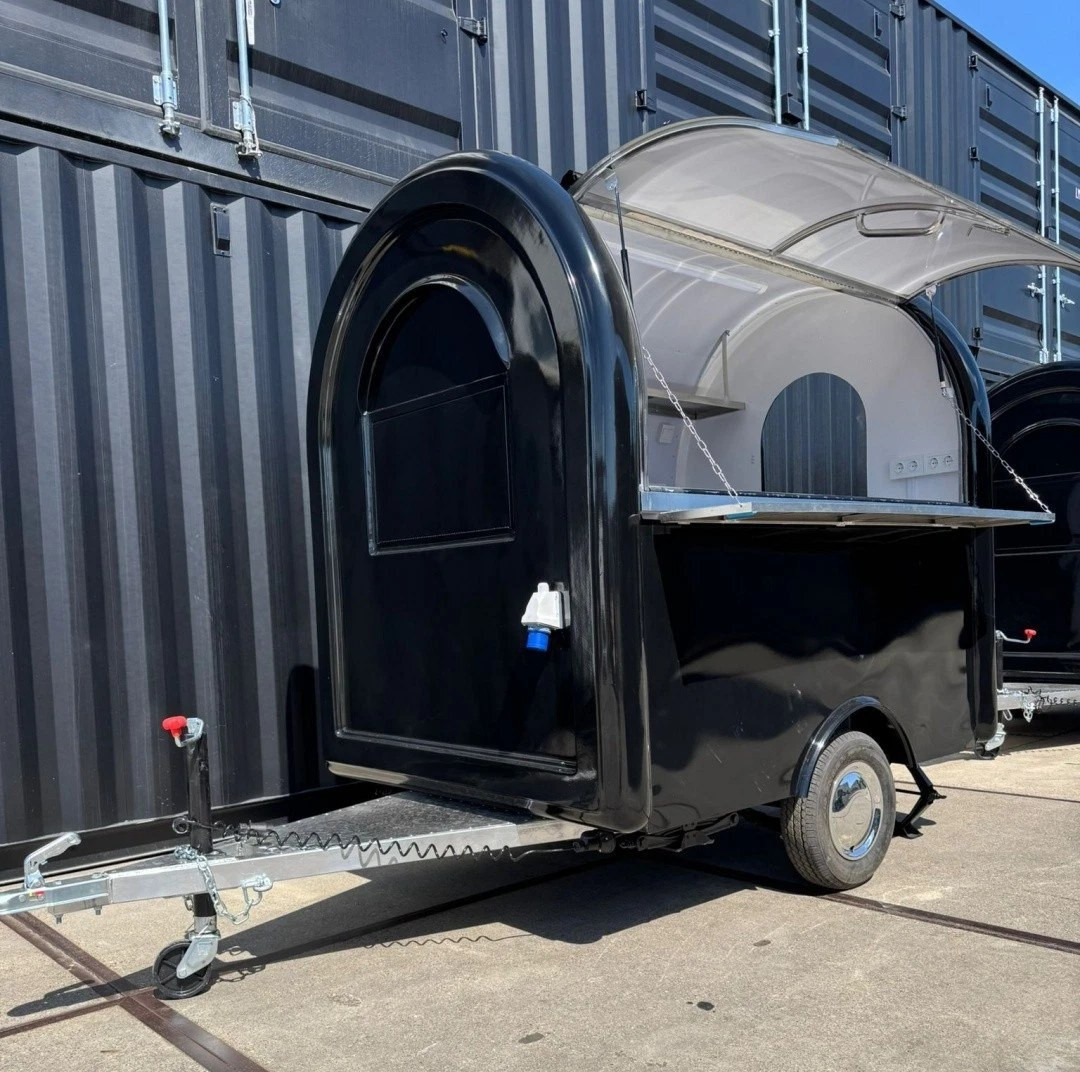
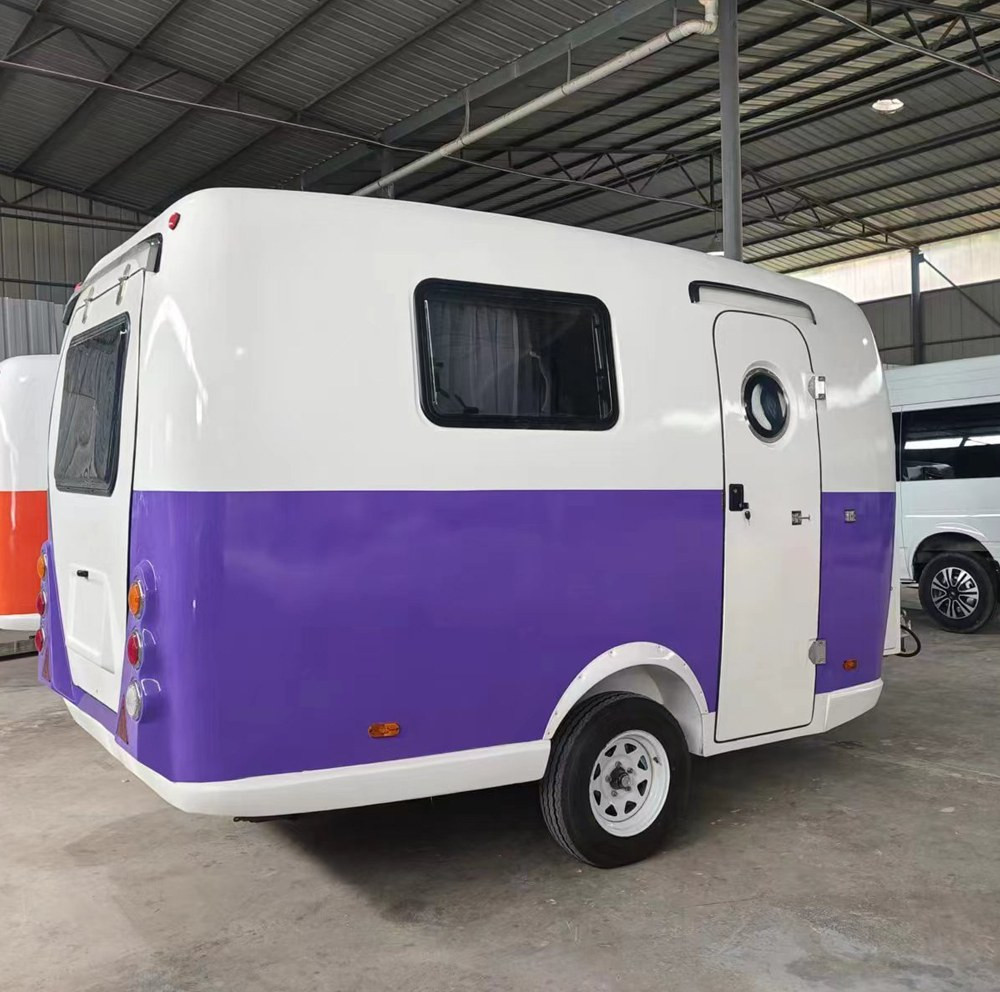
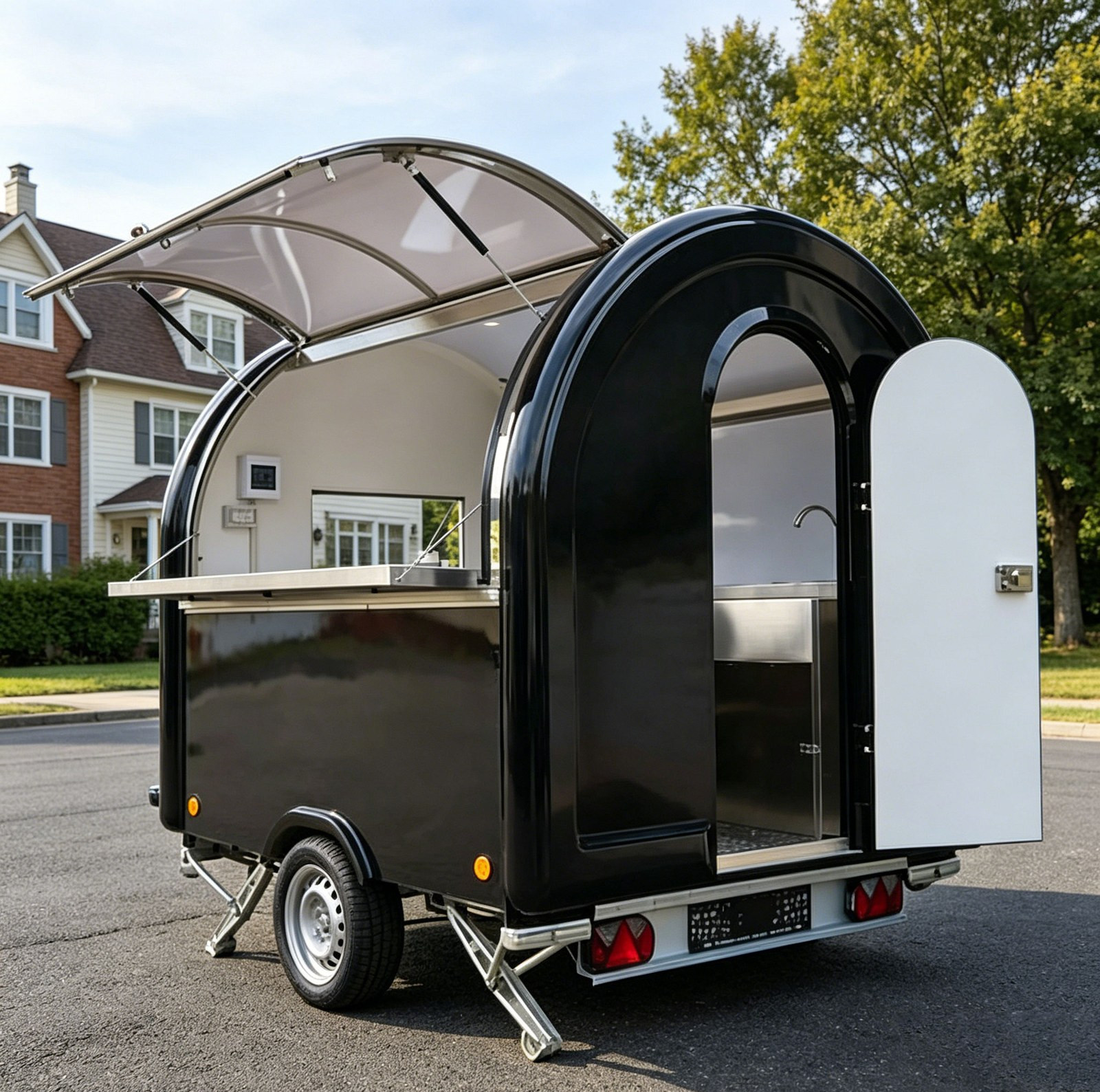
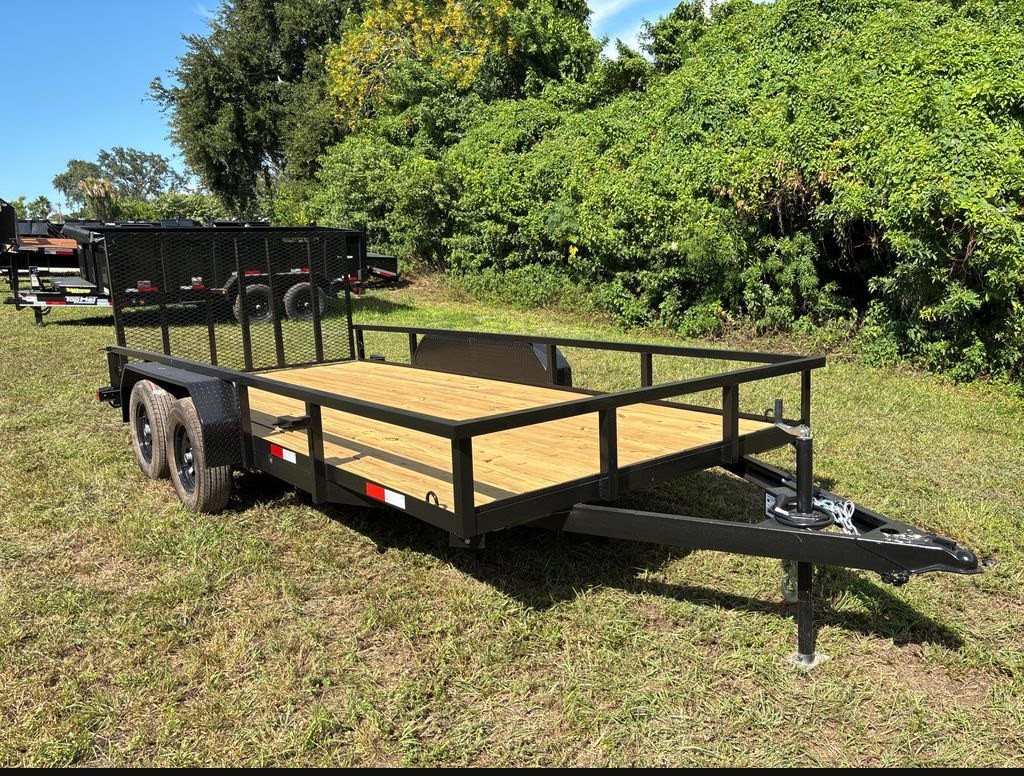
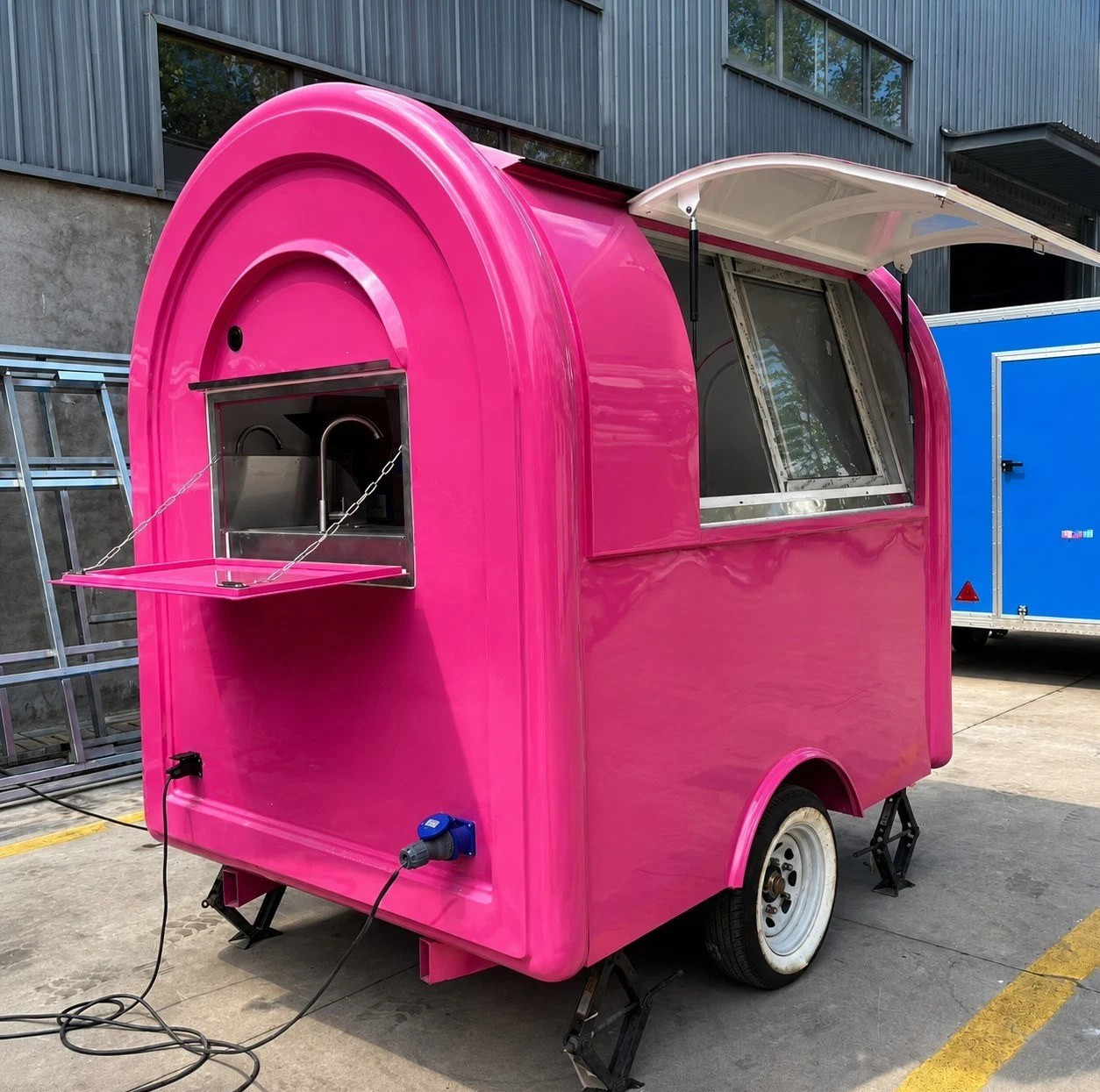
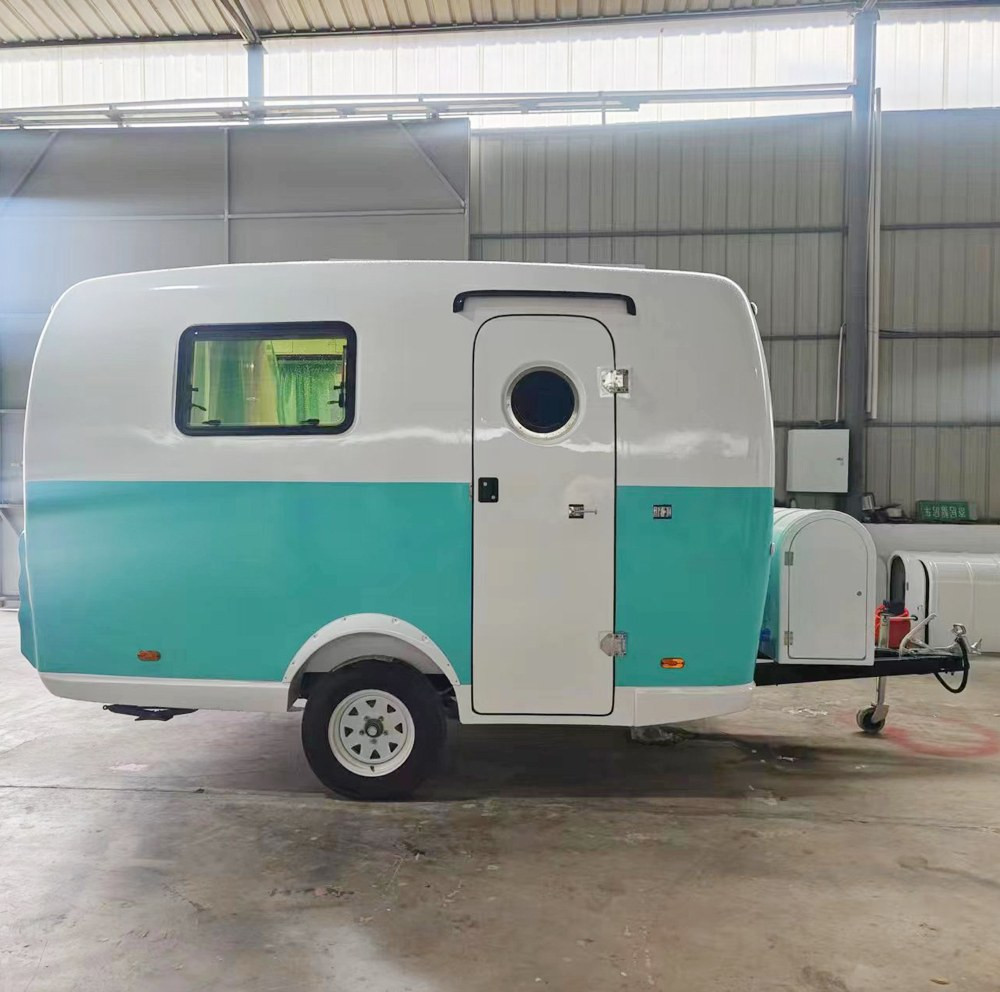
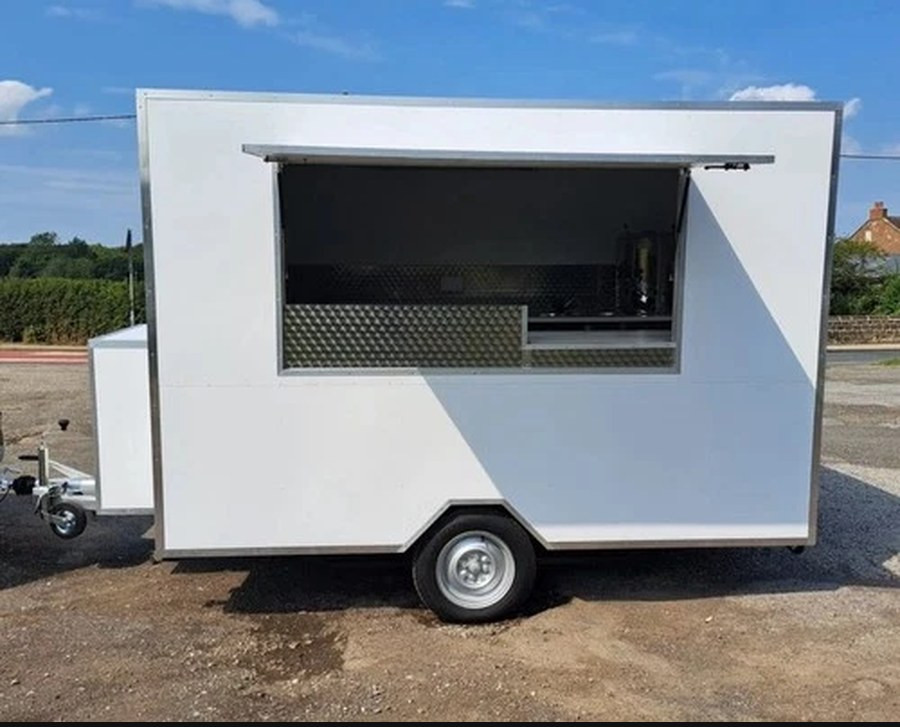
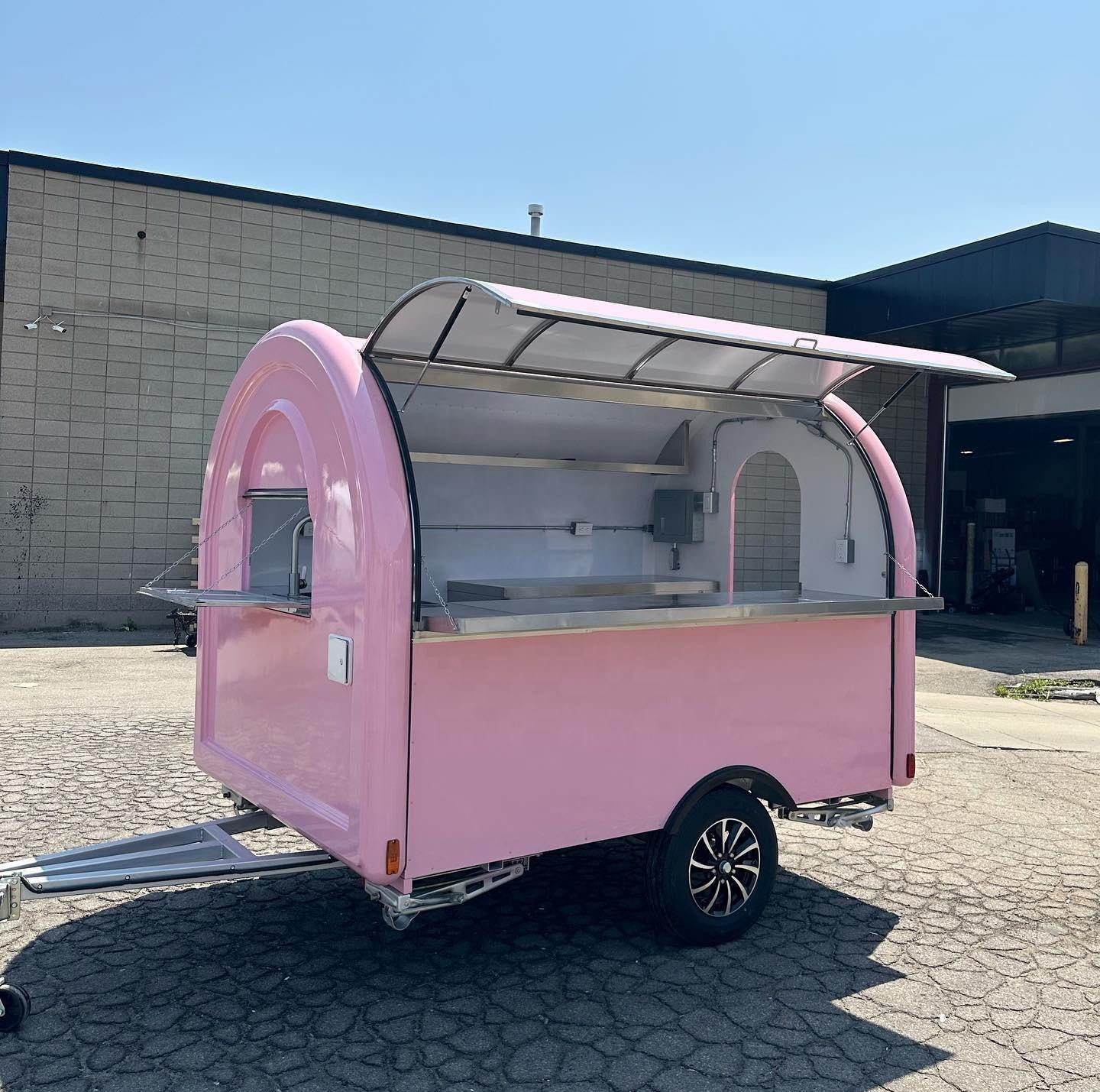
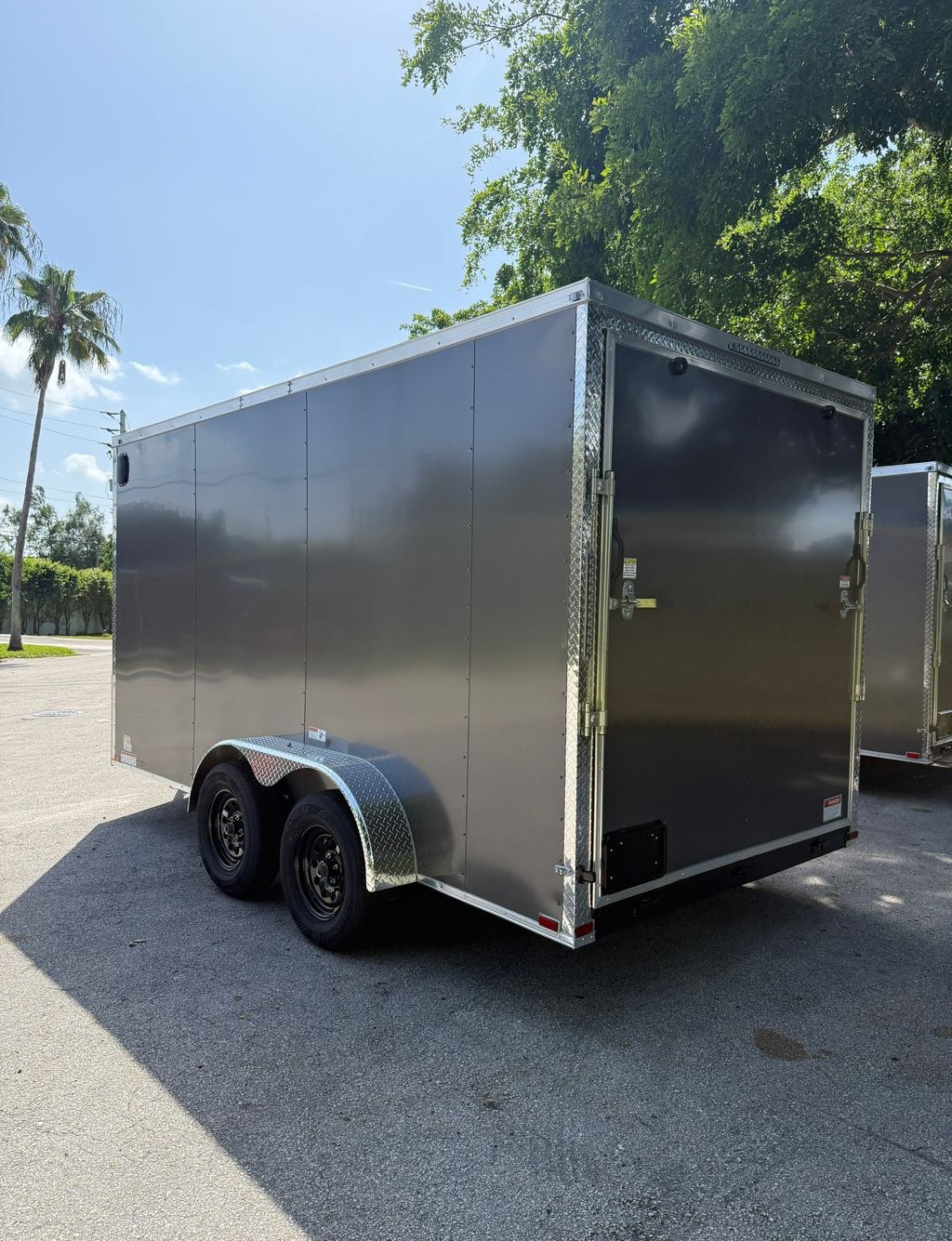
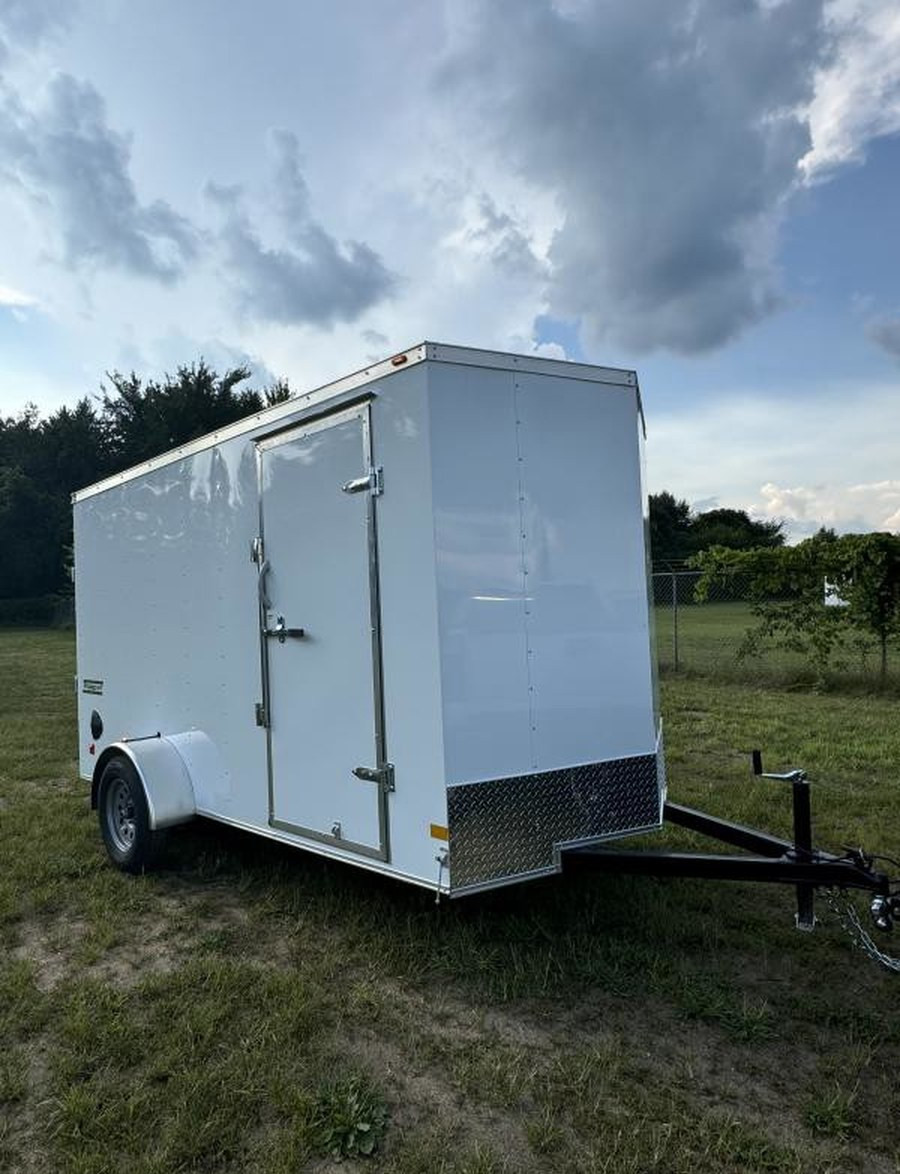
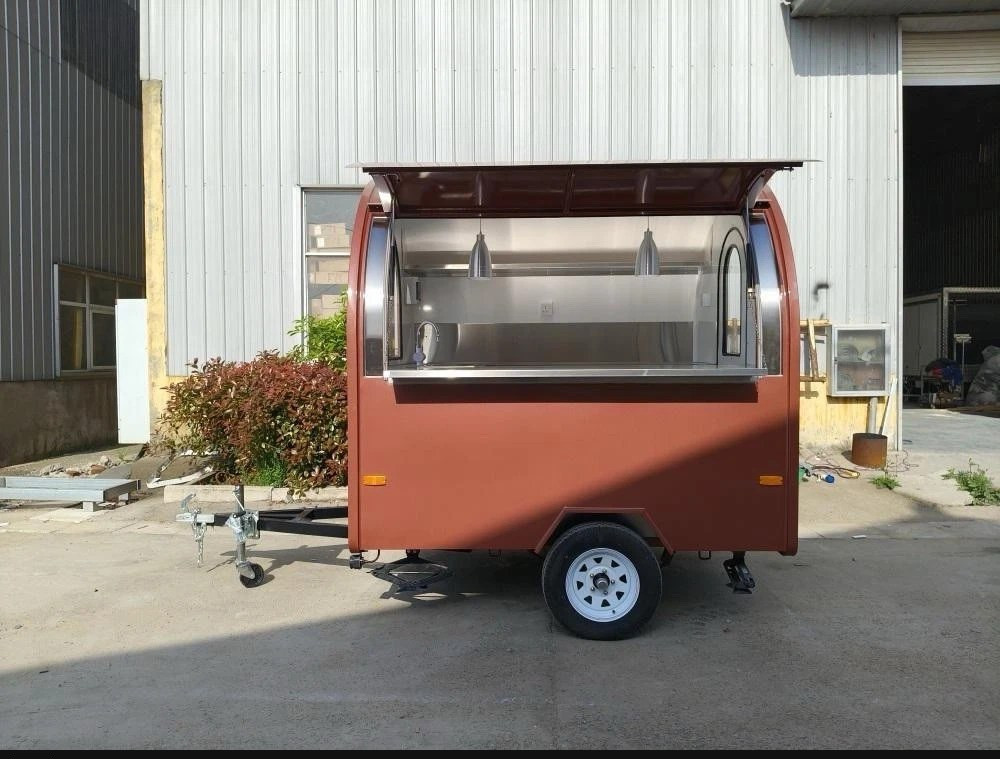
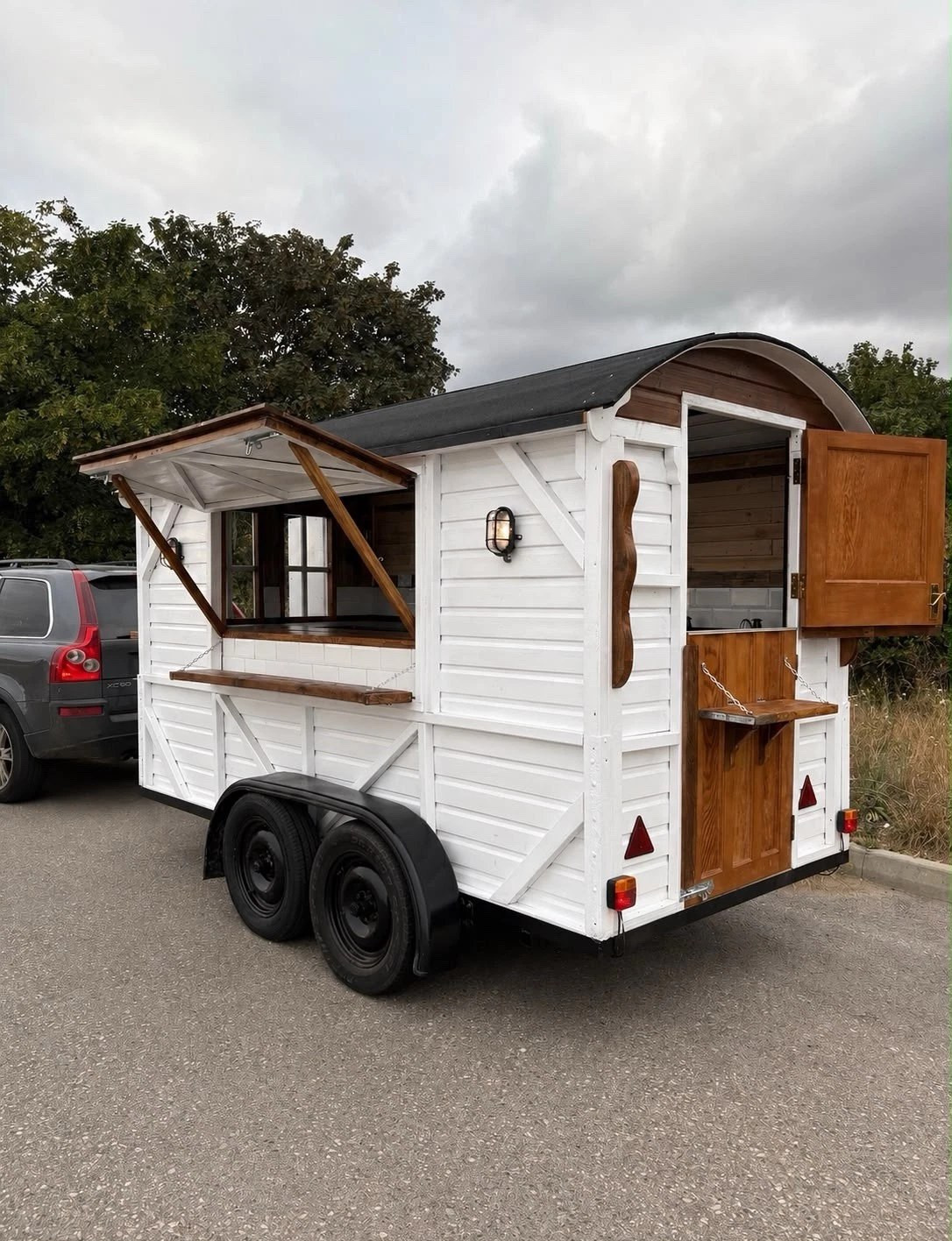
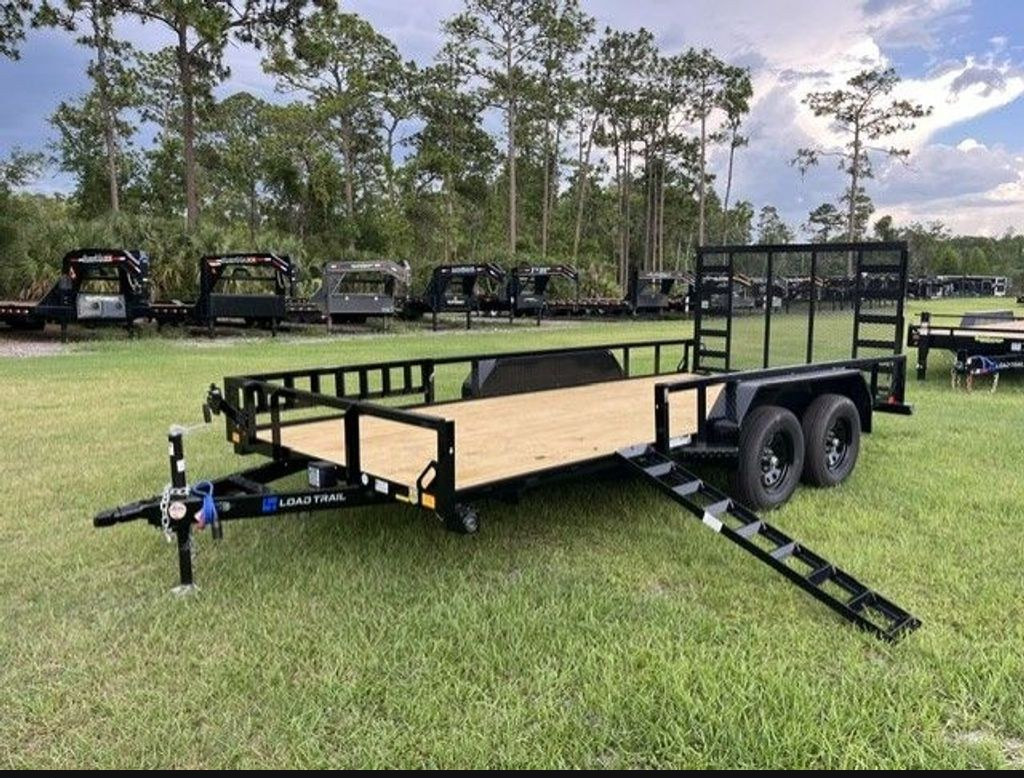
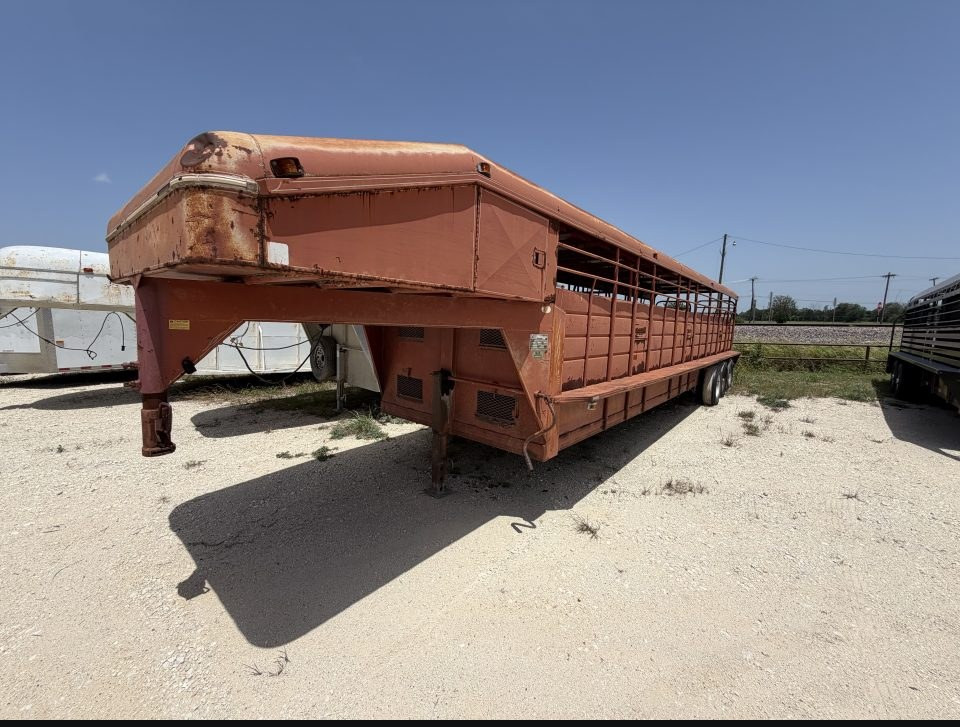
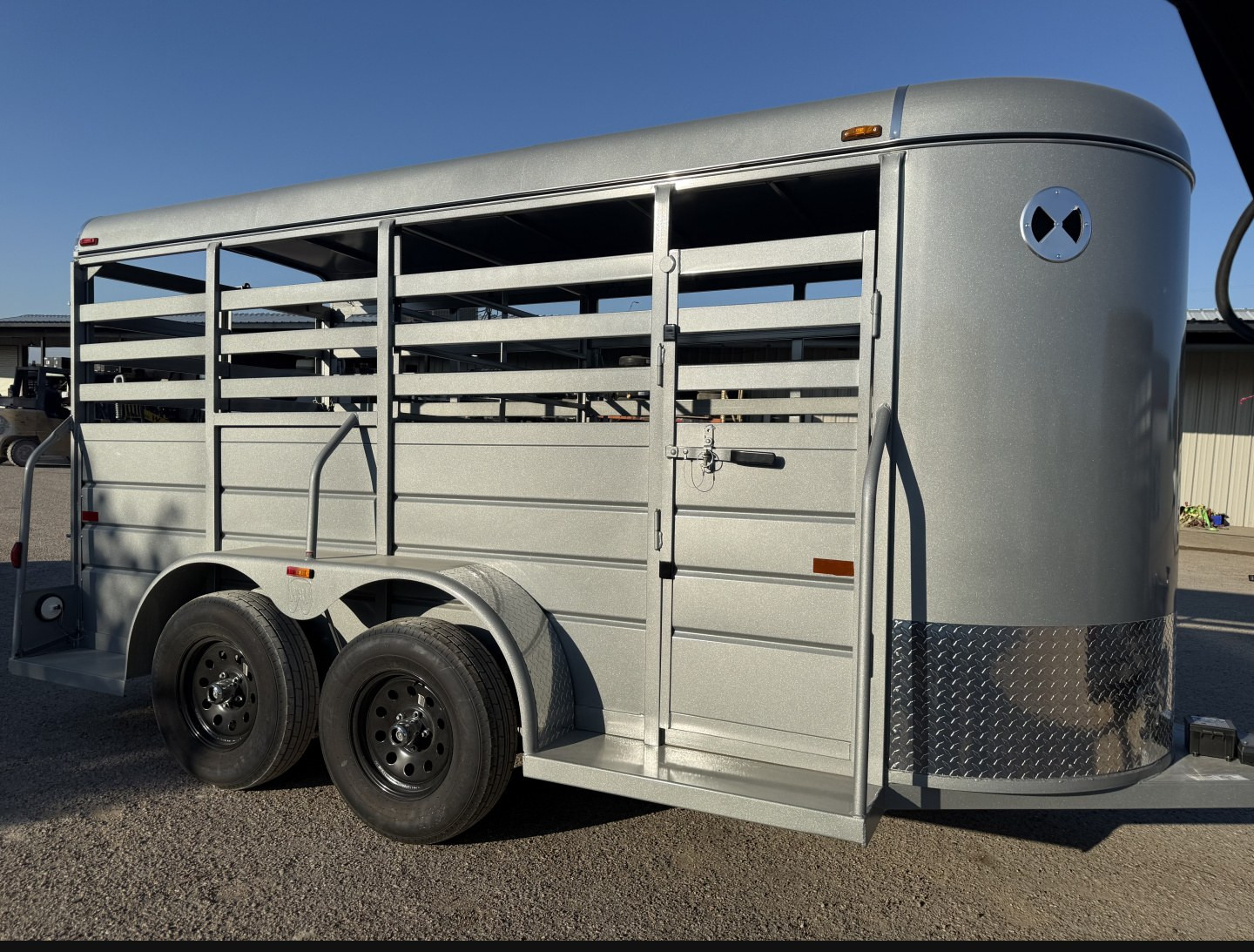
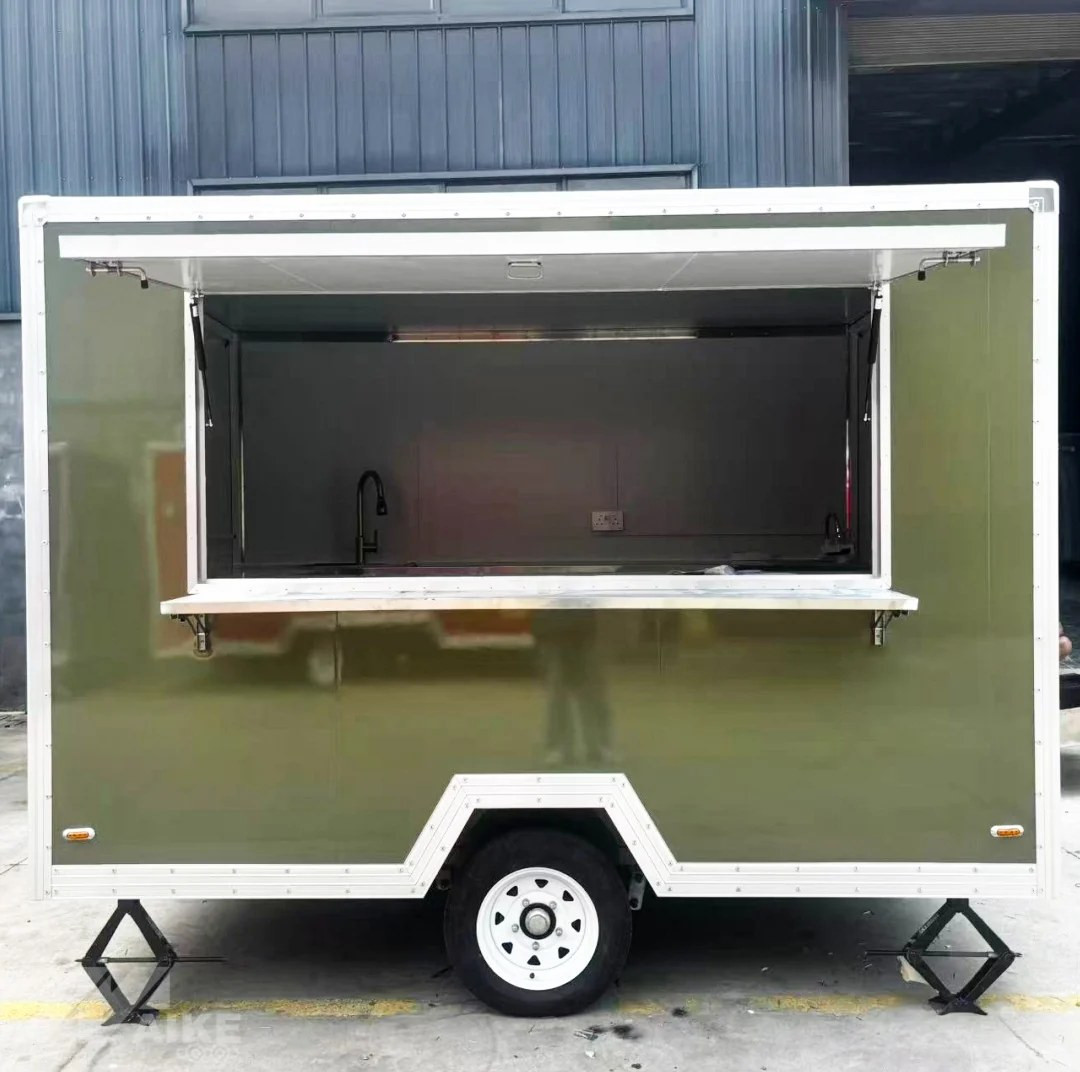
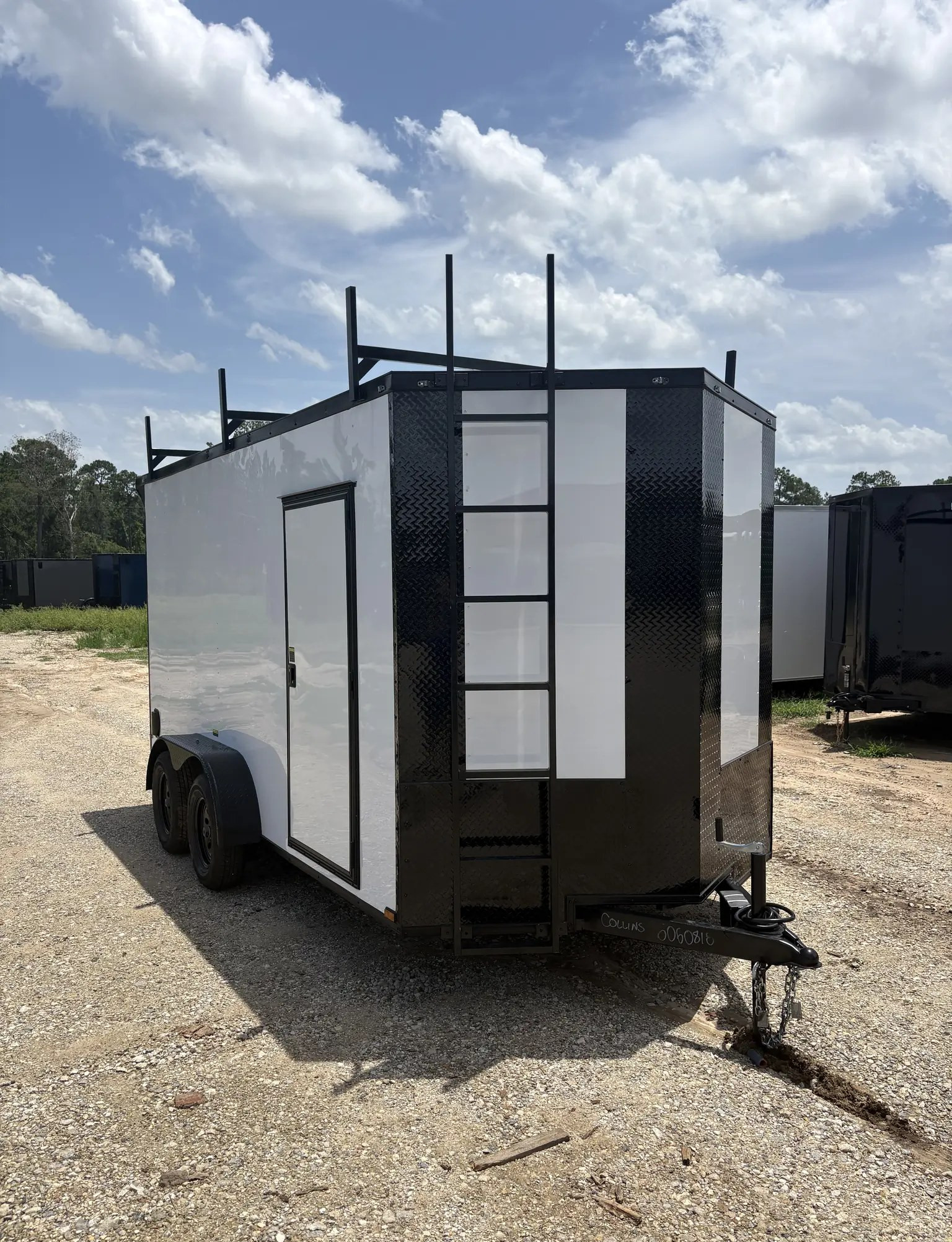
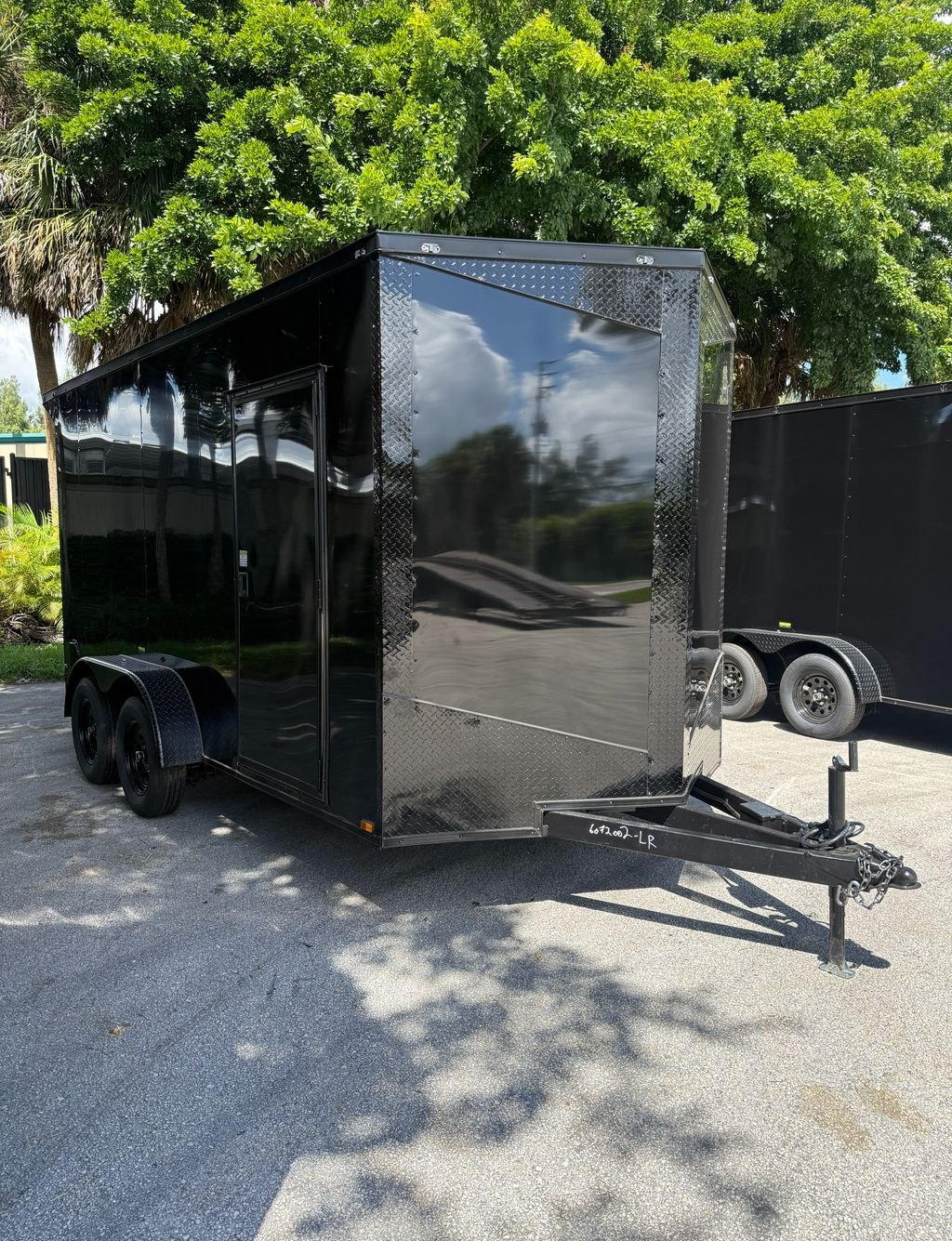
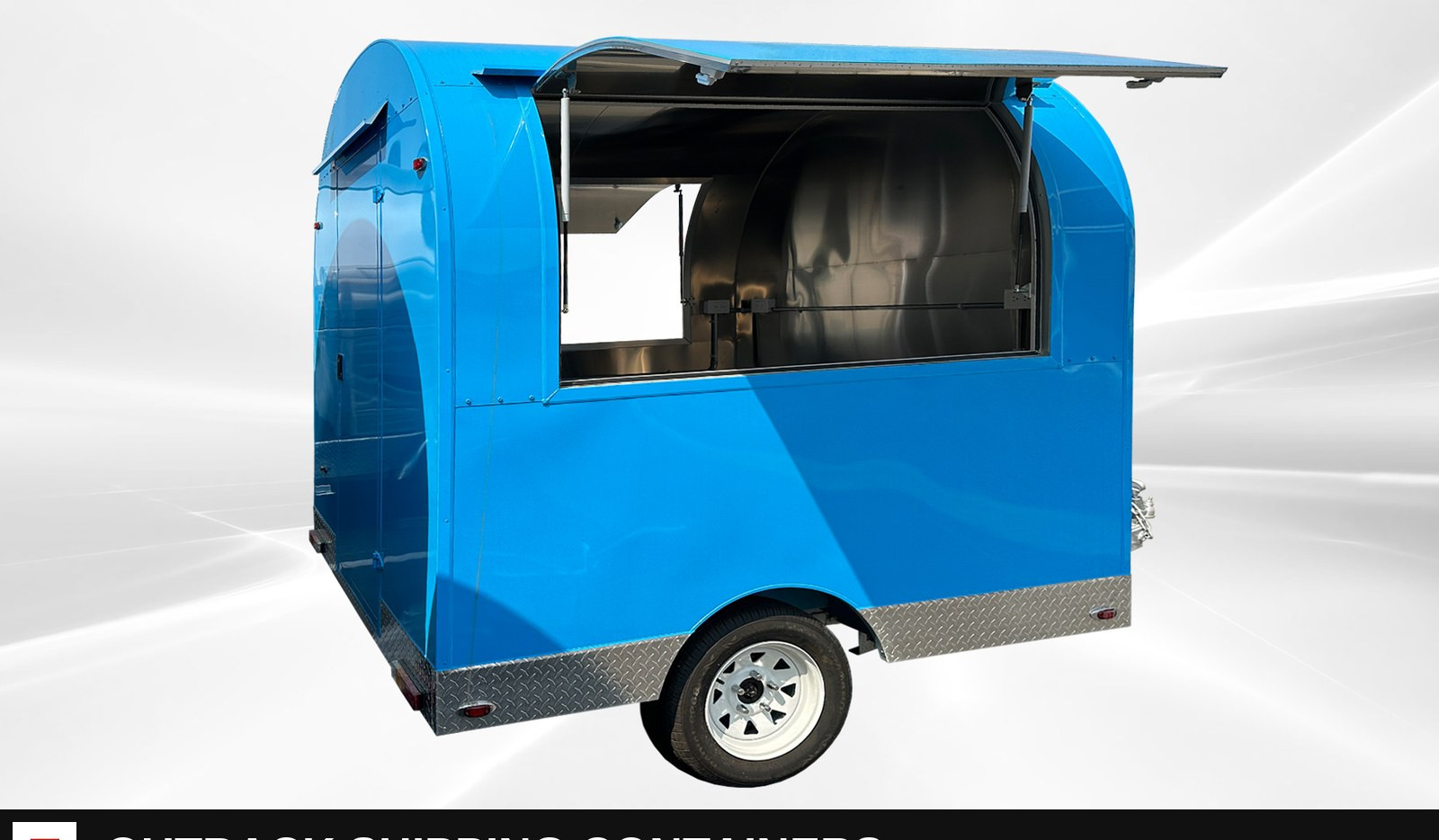
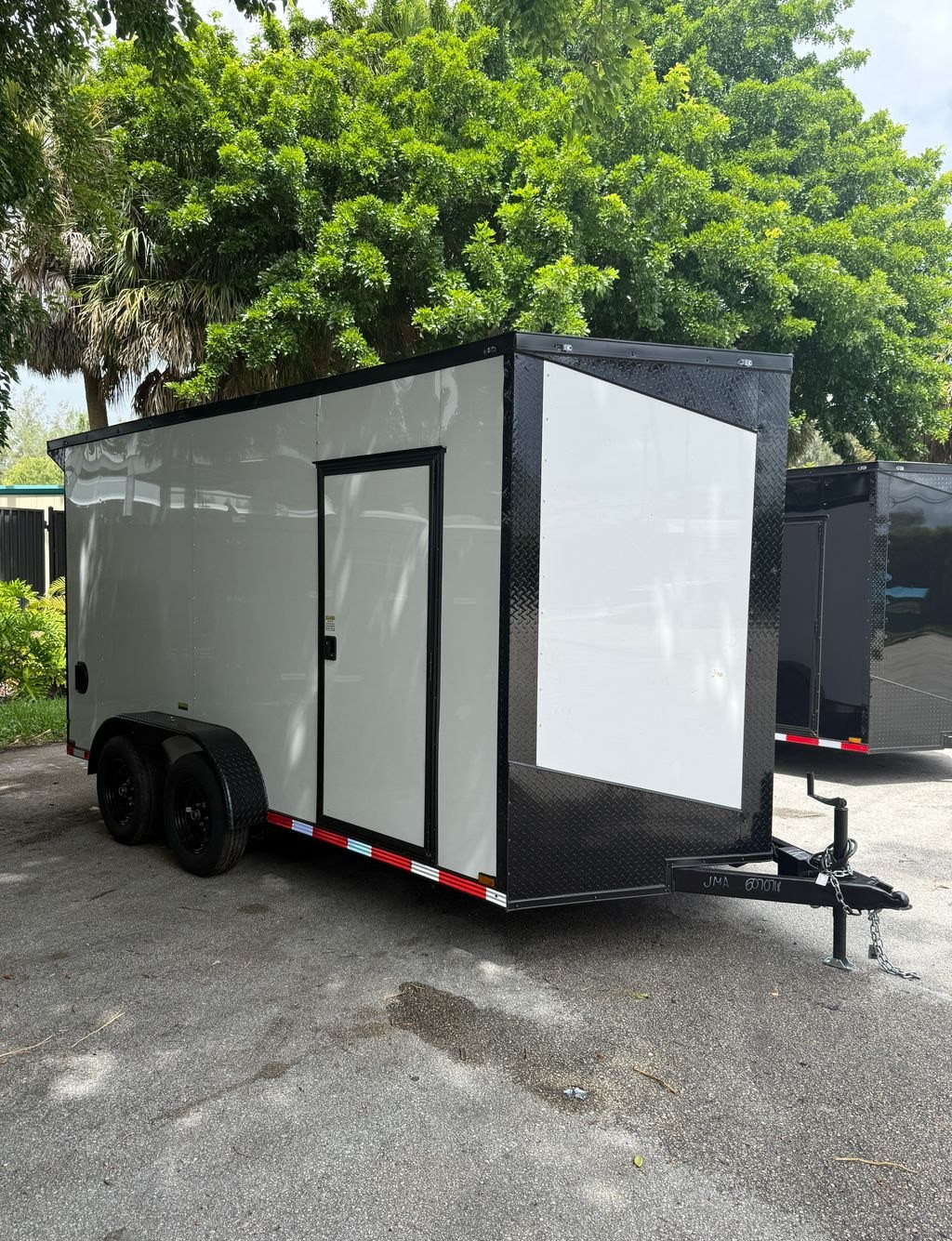
Moving Containers, Equipment, and Livestock
Owning a container is one thing; moving it is another. Our chassis and trailers category covers container chassis designed to carry shipping containers, along with utility, equipment, and livestock trailers for farms, contractors, and businesses that haul regularly. Whether you are building a small drayage operation or need a dependable trailer for the farm, the right running gear saves time and rental costs.
Container Chassis
A container chassis is a steel frame on wheels built to secure an ISO container using twist locks at the corners. Common configurations include:
- 20ft chassis for single 20ft containers
- 40ft chassis for 40ft standard and high cube containers
- Extendable or combo chassis that adjust to carry different container lengths
When evaluating a chassis, check the twist locks for smooth operation, the landing gear for proper cranking, the condition of tires and brakes, and the lights and wiring. Look along the main beams for cracks, bends, or poor weld repairs. Paperwork matters too: confirm the title or registration documents and any inspection records available with the unit.
Utility, Equipment, and Livestock Trailers
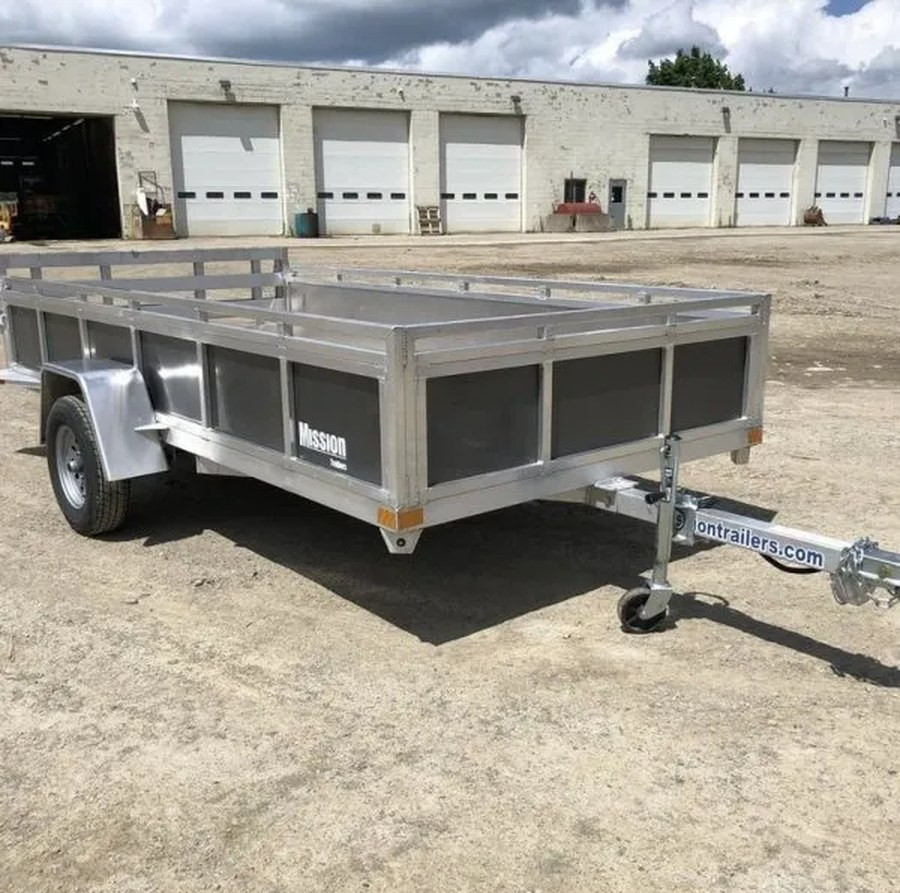
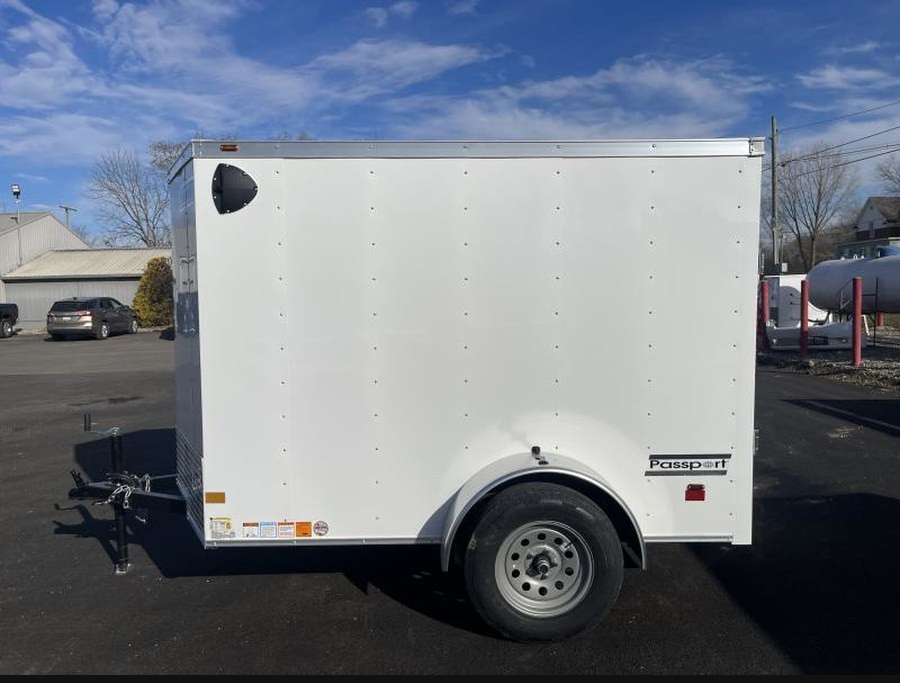
Utility trailers handle general hauling of materials, mowers, and supplies. Equipment trailers are built heavier, usually with ramps or a tilt deck, for skid steers, tractors, and small excavators. Livestock trailers feature ventilated sides, gates, and non-slip floors for moving cattle, horses, goats, and other animals safely.
Match the trailer's gross vehicle weight rating to your heaviest expected load, and make sure your tow vehicle and hitch are rated for the combined weight.
Inspection Points Before You Buy
Every trailer deserves a walk-around before purchase:
- Tire tread, sidewall condition, and matching sizes
- Brakes, bearings, and axle alignment
- Lights, wiring harness, and breakaway system where equipped
- Deck boards or floor for rot and damage
- Coupler, safety chains, and jack in working order
Ordering and Pickup or Delivery
The chassis and trailers shown here are units currently in our inventory. Choose the one that fits your hauling needs and place your order online. Our team will contact you to confirm availability, the final price, applicable tax, and transport or pickup arrangements before any payment is taken. Registration, licensing, and road-use requirements vary by state, so check with your state's motor vehicle agency, and confirm any commercial operating rules that may apply to your use.
Chassis & Trailers FAQs
What is a container chassis used for?
A container chassis is a wheeled frame that carries a shipping container behind a truck. Twist locks at the corners secure the container to the frame. Chassis are used by drayage companies, ports, warehouses, and businesses that need to move containers between locations without lifting them onto a flatbed.
Can one chassis carry both 20ft and 40ft containers?
Some can. Extendable and combo chassis are designed to adjust to different container lengths, making them flexible for operators who handle a mix of sizes. Fixed-length chassis are built for one size. Check the listing details or ask our team which container lengths a specific chassis accommodates.
How do I choose the right trailer capacity?
Start with the weight of your heaviest load, including any equipment or animals, and choose a trailer with a gross vehicle weight rating comfortably above it. Then confirm your tow vehicle, hitch, and brake controller are rated for the combined weight. Overloading reduces braking performance and can create safety and legal problems.
Do trailers need to be registered?
In most states, trailers used on public roads must be titled and registered, though rules vary by state and by trailer weight. Commercial use can add further requirements. Check with your state's motor vehicle agency before towing, and ask our team which documents come with the specific unit you are ordering.
Buying guides
Shipping Container Horse Trailer Conversion: A Practical Cost and Planning Guide
Planning a horse trailer conversion from a shipping container? Learn the real cost drivers, structural decisions, and questions to ask before you buy.
Container Chassis vs. Shipping Containers: What Buyers Need to Know
A practical guide to help you understand the difference between a container chassis and a shipping container, plus key questions to ask before you buy.
Shipping Container Livestock Trailer Cost: A Practical Planning Guide
Thinking about converting a shipping container into a livestock trailer? This guide walks through the real cost drivers, structural questions, and planning steps so you can budget with confidence.