
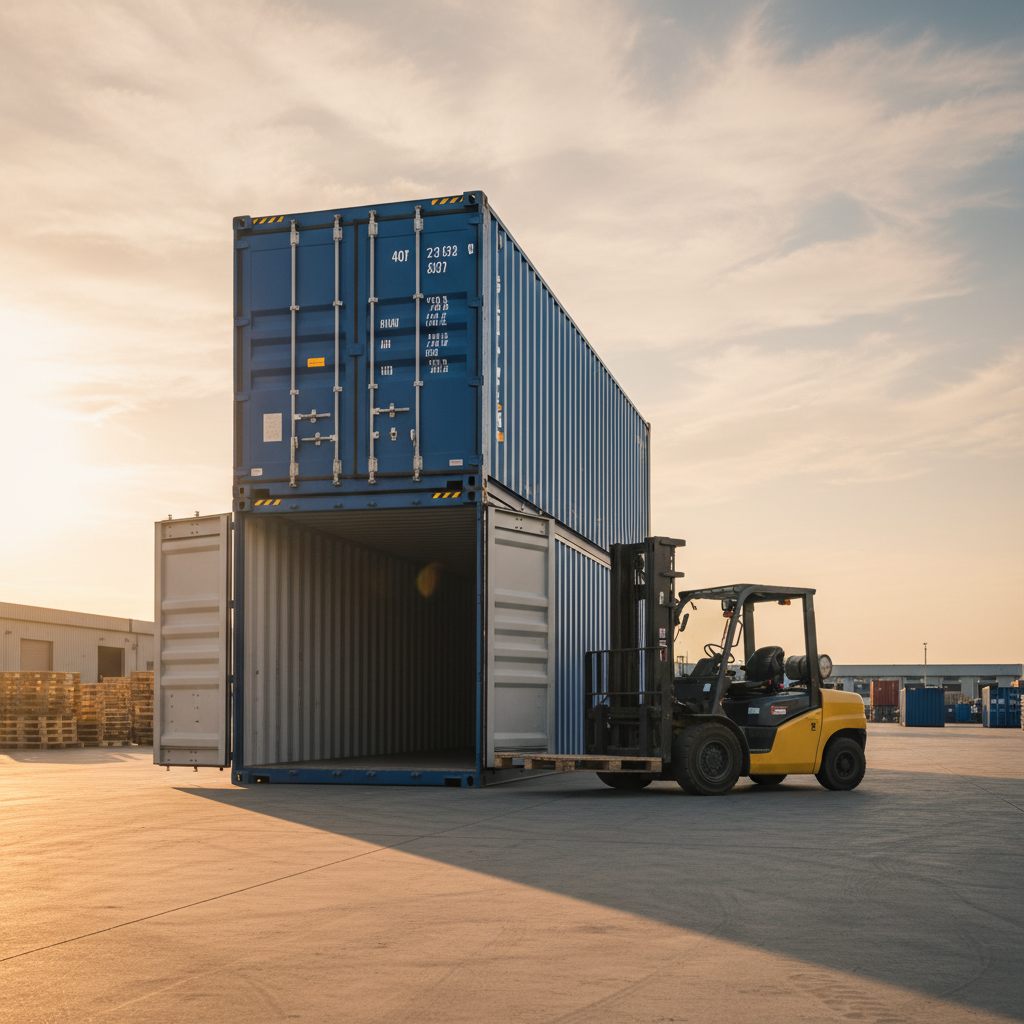
Understand the nominal dimensions, interior height, and planning considerations for a 40ft high cube shipping container. Learn how to verify specs, plan site access, and choose the right unit for your project.
A 40ft high cube shipping container is a popular choice when you need more interior volume than a standard height unit. But before you buy or plan a project around one, it helps to understand the nominal dimensions, how they differ from standard containers, and the practical questions you should answer before delivery. This guide walks through the key measurements, common uses, and decision points. Always confirm exact specifications, availability, and site requirements with the Newport team and the individual listing.
What Is a 40ft High Cube Container?
A high cube (HC) container is a shipping container that is approximately one foot taller than a standard height container. The nominal length and width are the same as a standard 40ft unit, but the extra height increases interior volume. That additional space can be useful for bulky items, tall equipment, or projects where every inch of vertical clearance matters.
High cube containers are common in international shipping and are also widely used for storage, modification, and on-site workspace. Because they are taller, they may not fit through every opening or under every overhead obstacle that a standard height container would clear. That makes site planning especially important.
Standard Height vs. High Cube: The Basic Difference
- Nominal length: Both standard and high cube 40ft containers are nominally 40 feet long.
- Nominal width: Both are nominally 8 feet wide.
- Height: A standard container is nominally 8 feet 6 inches high. A high cube is nominally 9 feet 6 inches high. These are approximate nominal figures; actual exterior and interior dimensions vary by manufacturer and condition.
- Interior volume: The extra foot of height gives a high cube more cubic capacity than a standard height container of the same length.
Do not rely on these nominal numbers for final planning. The CSC plate on the container, the individual listing, and the Newport team are your best sources for exact dimensions and ratings.
Nominal Dimensions and What They Mean for Your Project
When people search for 40ft high cube container dimensions, they usually want to know whether the container will fit their site, their cargo, or their modification plans. Here is how to think about the main measurements.
Exterior Dimensions
A 40ft high cube container is nominally 40 feet long, 8 feet wide, and 9 feet 6 inches high. These are approximate figures. Actual exterior dimensions can differ slightly depending on the manufacturer, the container's age, and whether it has been modified. If you are planning a tight fit, measure the specific unit or ask for the listing details.
Interior Dimensions
The interior dimensions are what matter for storage and cargo. Interior length and width are slightly less than exterior dimensions because of wall thickness. Interior height is also less than exterior height because of the floor and roof structure. For a high cube, the interior height is greater than a standard container, but the exact figure depends on the specific unit.
If you need to fit a tall item, such as a piece of machinery or a shelving system, check the interior height of the exact container you are considering. Do not assume that all high cubes have identical interior dimensions.
Cubic Capacity
Cubic capacity is a measure of interior volume. A 40ft high cube has more cubic capacity than a standard 40ft container because of the extra height. However, cubic capacity is not a substitute for careful loading planning. Door openings, internal obstructions, and the shape of your cargo all affect how much you can actually fit.
Tare Weight and Payload
Tare weight is the weight of the empty container. Payload is the maximum weight of cargo the container can carry. These figures are marked on the CSC plate and can vary by unit. Never assume a payload based on a generic specification. Confirm the tare weight and payload for the specific container with the Newport team.
Common Uses for a 40ft High Cube Container
High cube containers are versatile, but they are not the right choice for every situation. Here are some common uses and the considerations that come with them.
Storage
The extra interior height can make it easier to store tall items or to stack goods with more vertical clearance. If you plan to use shelving, measure the interior height and account for the height of the shelving itself.
Modification Projects
High cube containers are often used for workshops, offices, and other modified spaces. The extra height can allow for higher ceilings, additional insulation, or mechanical systems. However, modifications can affect structural integrity and may require engineering review. Check local building requirements before you begin.
Shipping and Transport
High cube containers are used in international shipping, but not every route or mode of transport can accommodate them. The extra height may exceed height restrictions on some roads, bridges, or tunnels. If you plan to move the container after purchase, confirm the route with the carrier and local authorities.
On-Site Workspace
A high cube can provide a more comfortable interior height for a workspace. Consider ventilation, lighting, and access before you commit. Also think about how the container will be placed and whether the door orientation works for your site.
Planning for Delivery and Site Access
Delivery is one of the most common sources of surprises. A 40ft high cube container is large and heavy, and the delivery truck needs adequate access. Here are the key questions to answer before you schedule delivery.
Site Access
- Is there a clear path from the road to the placement spot?
- Are there overhead obstacles such as tree branches, power lines, or bridge structures?
- Is the ground firm and level enough to support the truck and container?
- Is there enough turning radius for the delivery vehicle?
Placement
- Where do you want the container to sit?
- Will the doors be accessible after placement?
- Do you need to block the container or prepare a foundation?
- Are there local rules about container placement or permits?
Delivery Equipment
Different delivery methods have different requirements. A tilt-bed truck, a crane, or a roll-off truck may be used depending on the situation. Do not assume that a particular method is available or that it requires specific extra equipment. Confirm the delivery plan with the Newport team and your local authority.
Permits and Local Rules
Permit requirements vary by location and intended use. Some areas may require a permit for a container used as a structure, while others may not. Do not assume that one container size needs fewer permits than another. Check with your local planning or zoning office to understand what applies to your project.
How to Verify Specifications Before You Buy
Because dimensions, weights, and ratings can vary, verification is essential. Here is a practical checklist.
- Review the individual listing. The listing should include the specific unit's details. If something is missing, ask.
- Check the CSC plate. The CSC plate on the container provides key ratings and identification information. If you cannot see it, ask the Newport team to confirm.
- Ask about condition. New, used, and one-trip containers can have different specifications and appearances. Condition affects both dimensions and suitability for your project.
- Confirm interior dimensions for your cargo. If you have a tall or bulky item, measure it and compare it to the interior dimensions of the specific container.
- Confirm weight limits. Tare weight and payload matter for transport and for what you can store. Ask for the figures for the exact unit.
- Discuss delivery. Share your site address and access details with the Newport team so they can help you plan.
- Check local requirements. Contact your local authority for permits, zoning, and any restrictions that may apply.
Frequently Asked Questions
How much taller is a 40ft high cube than a standard 40ft container?
A high cube is nominally about one foot taller than a standard height container. Standard containers are nominally 8 feet 6 inches high, while high cubes are nominally 9 feet 6 inches high. These are approximate nominal figures. Actual dimensions vary by unit, so confirm the exact height with the individual listing or the Newport team.
Can I use a 40ft high cube for a storage shed or workshop?
Many people use high cube containers for storage and workspace because of the extra interior height. However, modifications, permits, and site requirements vary. Check local building rules and confirm the container's condition and specifications before you plan a conversion.
What is the difference between tare weight and payload?
Tare weight is the weight of the empty container. Payload is the maximum weight of cargo the container can carry. Both are marked on the CSC plate and can vary by unit. Confirm these figures for the specific container you are considering.
Will a 40ft high cube fit on my property?
That depends on your site access, placement area, and local rules. A 40ft container is large, and the extra height of a high cube may affect overhead clearance. Share your site details with the Newport team and check with local authorities before delivery.
Do I need a permit for a shipping container in my area?
Permit requirements vary widely by location and intended use. Some areas require permits for containers used as structures, while others may not. Do not assume that one size or use is exempt. Contact your local planning or zoning office for guidance.
Next Steps
Ready to explore options? Start by browsing our available containers at our shop. When you find a unit that interests you, review the listing details and note any questions about dimensions, condition, or delivery.
For personalized help, reach out to the Newport team at our contact page. We can help you confirm specifications, discuss delivery planning, and answer questions about what will work for your site. Whether you are comparing standard and high cube containers or planning a modification, clear information up front helps you make a confident decision.
Plan the next step
Confirm the container and the delivery plan.
Browse current listings, then speak with the Newport team to verify the unit, total pricing, site access, and delivery requirements before payment.