
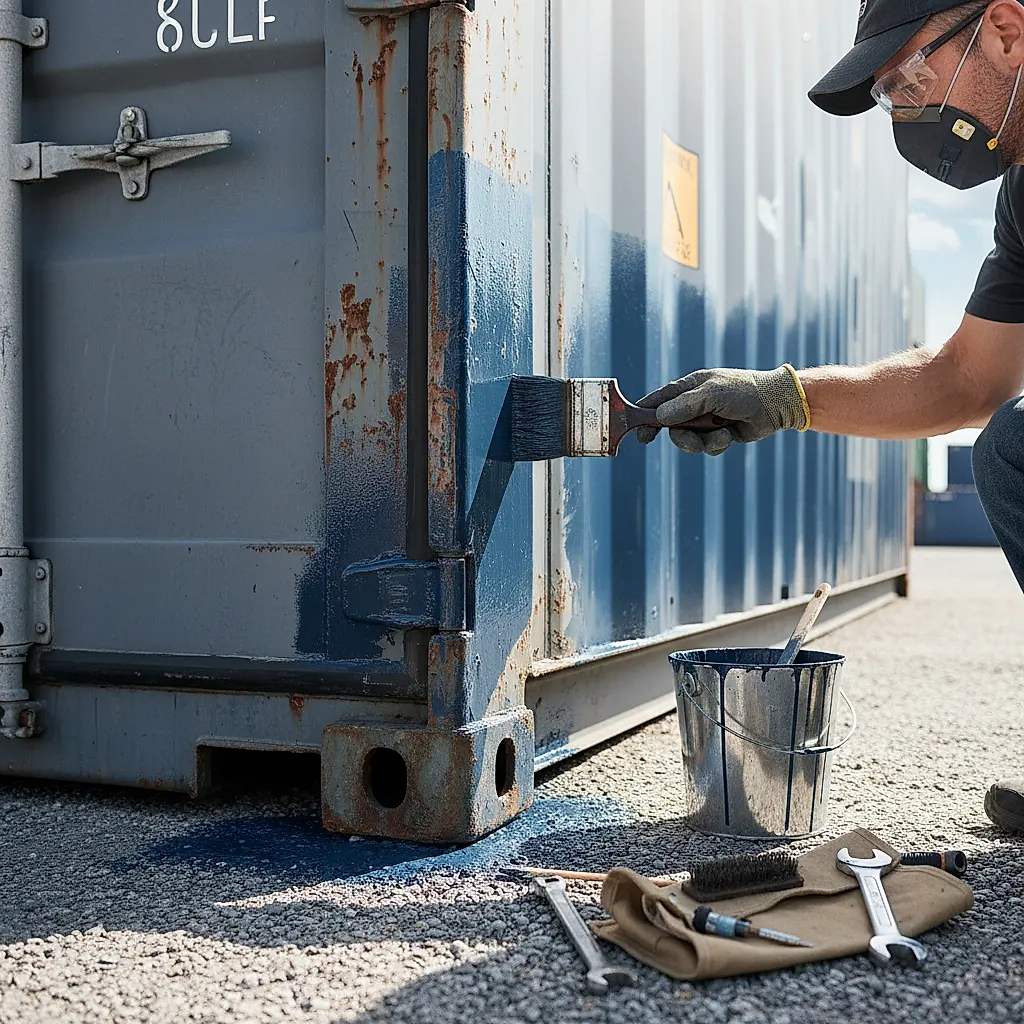
Understand the factors that drive shipping container maintenance costs, from rust treatment to repainting, so you can budget realistically and protect your investment.
Why Maintenance Costs Vary So Much
If you own or are considering a shipping container, you have probably seen wildly different numbers for maintenance. The truth is that no single figure fits every container. Costs depend on your climate, how the container is used, its original condition, and how proactive you are.
This guide explains the variables that affect maintenance spending so you can plan without relying on guesswork. It does not quote prices or promise outcomes. For exact figures, always confirm details with the Newport team and the individual listing.
The Container's Starting Condition
A newer, one-trip container that has been kept closed and dry will need far less attention than a weathered unit that has sat in a coastal yard. Surface rust, door seal wear, and floor condition are the main things to inspect. If you buy used, ask for current photos and, when possible, an in-person look.
Your Local Environment
Humidity, salt air, freeze-thaw cycles, and airborne pollutants all speed up corrosion. A container in a dry, inland climate often needs less frequent repainting than one near the coast. Newport, TN, sits in a region with moderate humidity and seasonal temperature swings, so local conditions matter. Your own site may differ.
How You Use the Container
A sealed storage unit that is opened occasionally has different needs than a workshop, a pop-up retail space, or a container that is modified with windows and doors. Any cut or penetration creates a new place for water to enter, so those areas deserve extra attention.
The Main Maintenance Categories to Budget For
Rather than a single line item, think in categories. Each one can range from minor to major depending on condition.
Rust Treatment and Prevention
Rust is the most common long-term issue. Small surface rust can often be treated by cleaning the area, removing loose material, and applying a suitable primer and topcoat. Larger areas or rust that has thinned the steel may need professional repair. The key decision point is whether the rust is cosmetic or structural. A qualified inspector can help you tell the difference.
Painting and Coating
Repainting is not just about appearance. A good coating system helps slow corrosion. The cost depends on surface preparation, the products used, and whether you roll, spray, or hire a contractor. Preparation usually takes longer than painting itself. Skipping prep often means the new paint fails early, so it is rarely a good place to save.
Door and Seal Maintenance
Door gaskets, hinges, and locking mechanisms wear over time. Replacing a gasket is usually straightforward. Stiff hinges may need cleaning and lubrication. A door that no longer seals tightly can let in water and pests, so address it before it causes floor damage.
Floor and Interior Care
Container floors are typically plywood or steel. Plywood can rot if water sits on it. Steel floors can corrode. Keeping the interior dry, using pallets or runners, and fixing leaks promptly will extend floor life. If you store chemicals or damp materials, consider a vapor barrier and ventilation.
Ventilation and Moisture Control
Condensation is a quiet enemy. Temperature changes can cause moisture to form inside a sealed container. Adding vents or a small dehumidifier can help in some situations, but ventilation must be balanced against rain and pest entry. This is a decision point worth discussing with someone familiar with your use case.
How to Estimate a Maintenance Budget Without Guessing
You cannot get a precise number without inspecting the container and knowing local labor rates. You can, however, build a range and update it as you learn more.
Step 1: Inspect and Document
Walk the container. Note rust spots, dents, door seal condition, floor softness, and any leaks. Take photos. This record becomes your baseline.
Step 2: Separate Urgent from Deferred
Urgent items are things that will get worse quickly or cause damage, such as an active leak or a failing door seal. Deferred items are cosmetic or can wait a season. Tackle urgent items first.
Step 3: Get Local Quotes
Labor and materials vary by region. Contact a few local contractors who work with steel or containers. Ask what their quote includes: surface prep, primer, topcoat, and cleanup. Compare like for like.
Step 4: Plan for Recurring Costs
Maintenance is not one-and-done. Set aside a small annual amount for touch-ups, seal replacement, and inspection. The amount depends on your climate and use, so adjust as you go.
Step 5: Decide What You Will Do Yourself
Some tasks, like cleaning and minor touch-ups, are manageable for many owners. Others, like structural welding or full repainting, may be better left to professionals. Be honest about your skills and tools.
Practical Maintenance Checklist
Use this list as a starting point. Add or remove items based on your situation.
- Inspect the roof, especially seams and corners, for standing water or rust.
- Check door gaskets for cracks, compression, and gaps.
- Test locking rods and hinges for smooth operation.
- Look for rust around vents, modifications, and the floor perimeter.
- Sweep or vacuum the interior and keep it dry.
- Remove debris from the top and around the base.
- Confirm that any added openings are sealed properly.
- Reapply touch-up paint to small chips before rust spreads.
- Note any new dents or damage after storms.
- Review your plan annually and adjust for weather events.
When to Repair, Repaint, or Replace
Not every container is worth extensive repair. Consider these questions:
- Is the damage cosmetic or does it affect structural integrity?
- Will the repair cost approach the value of a replacement container?
- Do you rely on the container for secure storage or as a workspace?
- Are you planning to modify or move the container soon?
If the answers point to major structural work, a replacement may be more practical. If the issues are surface-level, maintenance is usually the better path. For specific guidance, speak with the Newport team and review the individual listing details.
Frequently Asked Questions
How often should I repaint a shipping container?
There is no universal schedule. It depends on your climate, sun exposure, and the condition of the existing coating. Inspect annually and touch up bare or rusting spots as soon as you see them. Full repainting is usually considered when the coating is failing broadly, not just in a few places.
Can I treat rust myself?
Small surface rust can often be treated with hand tools, a suitable primer, and a topcoat. Larger areas, deep pitting, or rust near structural members may need professional assessment. If you are unsure, get an opinion before you start.
Does a container need ventilation?
Not always. Ventilation helps with condensation but can also let in rain and pests if not designed well. The right choice depends on what you store and your local climate. Discuss options with someone who understands your specific use.
What is the biggest maintenance mistake owners make?
Ignoring small issues. A minor leak or a small rust spot is easier and less expensive to address early. Waiting allows water damage and corrosion to spread, which can turn a simple fix into a larger project.
Are maintenance costs different for high-cube containers?
High-cube containers are taller than standard containers, which can affect access for painting or repairs. The materials and methods are similar, but the extra height may influence labor. Confirm specifics with your contractor and the listing details.
Next Steps for Newport Customers
Maintenance planning starts with knowing what you have. Review the container listing for its condition notes, and if you are buying, ask the Newport team about current availability and any known issues. For site-specific questions, including access and delivery requirements, contact the team directly.
Confirm all specifications, availability, pricing, and delivery requirements with the Newport team before you commit. Local codes and site conditions can affect your project, so check with the appropriate authorities when needed.
Plan the next step
Confirm the container and the delivery plan.
Browse current listings, then speak with the Newport team to verify the unit, total pricing, site access, and delivery requirements before payment.