
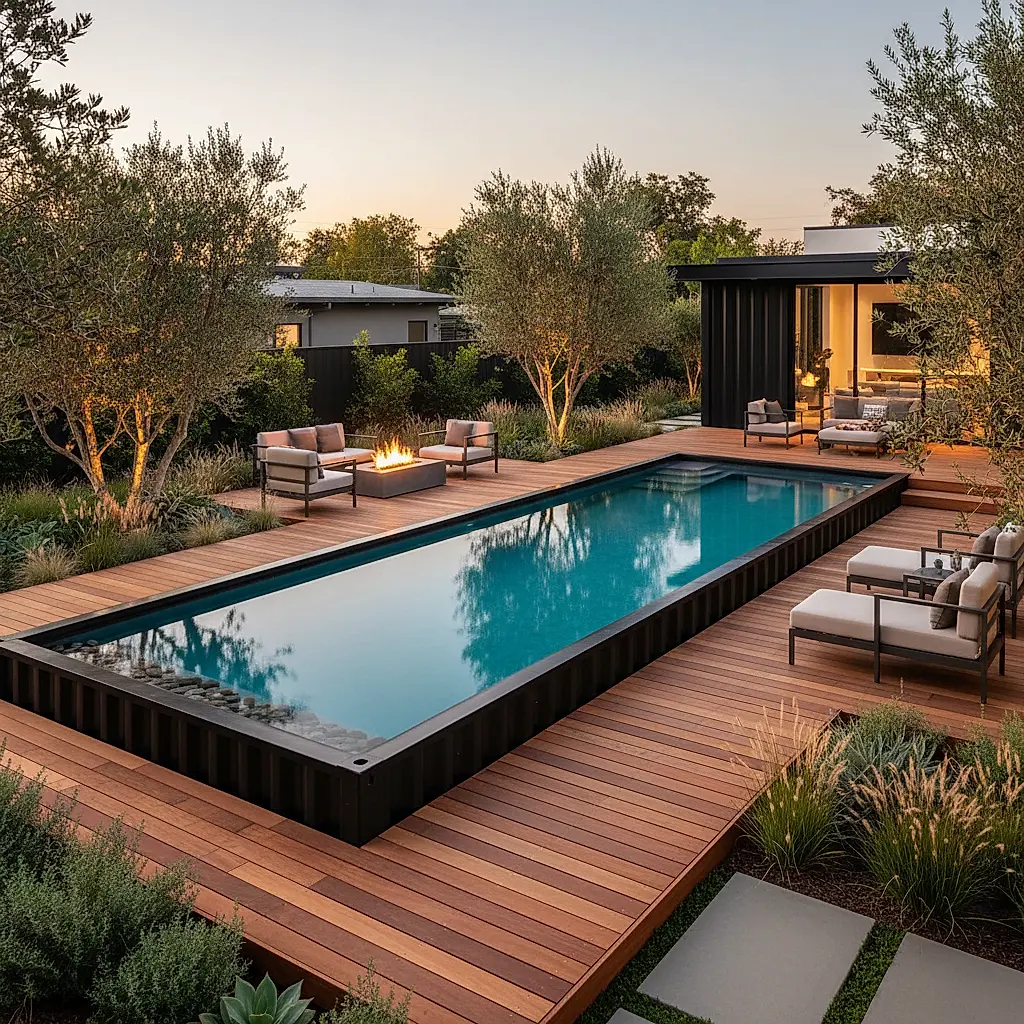
Turning a shipping container into a pool involves building codes, zoning, and engineering reviews that vary by location. Here is how to plan before you buy.
Converting a shipping container into a pool is a serious construction project, not a simple backyard upgrade. Because a container pool combines a structure, a water vessel, electrical equipment, and sometimes plumbing and decking, it can trigger several review processes at once. The rules are set locally, so the same plan can be straightforward in one jurisdiction and complicated in the next.
This guide explains the main approval categories you are likely to encounter, the questions to ask before you commit, and how to work with your local building department. It does not replace a permit professional or your local authority. For exact container specifications, always check the individual listing and the container's CSC plate, and confirm details with the Newport team.
Why Container Pools Get Extra Scrutiny
A conventional pool is usually reviewed as a pool. A container pool is reviewed as a pool plus a structure. That difference matters because building departments look at structural loads, water containment, electrical safety, and site placement.
The structure side
A steel container is strong, but a pool filled with water creates continuous load on the walls and floor. Reviewers may ask how the container is supported, how openings are framed, and whether the finished assembly is engineered for its intended use. Some jurisdictions want a design prepared or reviewed by a licensed engineer in that state.
The pool side
Many states and counties adopt some version of the International Building Code (IBC) and the International Residential Code (IRC), but adoption and amendments vary widely. Pool-related provisions often cover barriers, access, suction entrapment, and equipment. Your local code office can tell you which edition and which amendments apply to your address.
The zoning side
Zoning rules govern what you can place on a property, where, and how close to property lines. A container pool may be treated as an accessory structure, a pool, or both. Setbacks, lot coverage, and height limits can all come into play.
The Main Approval Categories to Expect
Most container pool projects touch several of the following. Your jurisdiction may combine them or require them separately.
Zoning and land use review
- Confirm the property's zoning district and permitted accessory uses.
- Ask about setbacks from property lines, easements, and utility corridors.
- Ask how the project is classified for lot coverage and impervious surface calculations.
- Check any homeowner association or deed restrictions, which can be stricter than the city or county.
Building permit
- A building permit is commonly required for a structure of this type, but the trigger varies.
- Expect to submit plans, a site plan, and possibly structural details.
- Ask whether the container itself needs to be reviewed as a structure or only the pool assembly.
Electrical permit
- Pumps, lights, heaters, and controls usually require electrical review.
- Ask about bonding and grounding requirements for pool equipment.
- Confirm whether a licensed electrician must pull the permit.
Plumbing or mechanical permit
- If you add fill lines, drains, heaters, or a circulation system tied to plumbing, a separate permit may apply.
- Some jurisdictions fold this into the building permit; others do not.
Engineering review or stamped plans
- Many reviewers want structural calculations or a sealed drawing from a licensed engineer.
- The engineer typically needs to be licensed in the state where the work is done.
- Ask your building department what they will accept before you pay for engineering work.
Health department review
- A private residential pool may not involve the health department, but a pool used commercially or by the public often does.
- If you plan any rental or shared use, ask early. This can change the entire approval path.
What Varies Most From Place to Place
There is no single national answer to container pool permitting. The differences below are the ones that most often change a project's timeline and cost.
Code adoption and edition
States and local governments adopt model codes on their own schedules and amend them. Two neighboring counties can enforce different editions of the same code. Always ask which edition is in effect for your specific address.
Local amendments
Local amendments can add barrier requirements, equipment rules, or structural expectations beyond the model code. They can also relax certain requirements. You will not know until you ask.
Climate and frost depth
In colder regions, footing depth and freeze protection may be reviewed more closely. In warmer regions, wind and floodplain rules may matter more. Your site conditions drive the review, not just the container.
Floodplain and coastal rules
If the property is in a floodplain or a coastal high-hazard area, additional rules may apply to placement, anchoring, and elevation. Check the flood map for your address before designing.
Historic districts and design review
Historic or design-review districts can impose appearance standards that affect screening, fencing, and visibility from the street.
Utility and septic capacity
If the project adds water demand or drainage, the local health or utility authority may want to review capacity. This is especially relevant on well and septic systems.
A Practical Pre-Purchase Checklist
Use this list before you buy a container for a pool conversion. It is designed to surface problems while they are still cheap to fix.
- Call your local building department and ask how they classify a container pool.
- Ask which permits are required and who must pull each one.
- Ask whether stamped engineering plans are required and what they must show.
- Request the setback, height, and lot coverage rules in writing if possible.
- Check your HOA covenants and deed restrictions.
- Confirm the flood zone status for the address.
- Ask your electrician and plumber what they need from you before they can permit.
- Confirm site access for the delivery method you are considering.
- Verify the container's condition and markings on the listing and CSC plate.
- Get a written scope and schedule estimate from each trade before work begins.
If any answer is unclear, treat that as a decision point, not a detail to sort out later. A short conversation with the building department now can prevent a stop-work order later.
Container Condition and Documentation
Permit reviewers and engineers may ask about the container's condition and history. A used container can be a good candidate, but condition matters.
What to look for
- Structural integrity of the corner posts, rails, and floor.
- Rust severity and whether repairs are needed.
- Previous modifications that could affect structural review.
- Cleanliness if the container previously carried regulated cargo.
What to confirm with Newport
- The exact specifications for the specific unit you are considering.
- Whether documentation is available for the container.
- The condition details shown in the listing.
Do not rely on general assumptions about a container size or grade. Confirm the listing details and the CSC plate for the actual unit.
Working With Design and Trade Professionals
Most successful container pool projects involve a team. The size of the team depends on your jurisdiction and the complexity of the build.
- A local architect or designer familiar with your code office can prepare submittals.
- A structural engineer licensed in your state can provide calculations or sealed drawings.
- A licensed electrician handles pool equipment, bonding, and grounding.
- A licensed plumber handles fill, drain, and equipment connections.
- A pool contractor or experienced builder can coordinate waterproofing, finishes, and equipment.
- A permit expediter can help in jurisdictions with complex review processes.
Ask each professional what they need from you, what they will submit, and who is responsible for inspections. Get it in writing.
Budget and Timeline Realities
Permit costs, engineering fees, and inspection schedules vary by location and project. Rather than estimate from a national average, build your budget from local quotes.
- Request permit fee schedules from your building department.
- Ask engineers for a scope-based quote, not a flat guess.
- Ask each trade for a written estimate with assumptions listed.
- Add contingency for review comments and revisions.
- Plan for inspection scheduling delays, which can be significant in busy seasons.
Timelines often depend more on review queues and revision cycles than on construction speed. Ask your building department about current review times before you set a completion date.
Frequently Asked Questions
Do I need a permit to put a shipping container pool on my property?
In most cases, yes, but the requirement is set locally. A container pool can trigger building, electrical, plumbing, and zoning reviews. Call your local building department with your address and project description before you buy. They can tell you which permits apply and what they require.
Are container pools covered by the same codes as regular pools?
Often they are covered by pool-related provisions plus structural provisions, because a container pool is both a pool and a structure. Many jurisdictions adopt the IBC or IRC with local amendments, but editions and amendments differ. Confirm the code edition and any local amendments with your building department.
Will I need an engineer's stamp?
Many jurisdictions require structural calculations or sealed drawings for a project like this, but not all do, and the requirements vary. Ask your building department what they will accept before you hire an engineer. If a stamp is required, the engineer usually must be licensed in the state where the work is performed.
Can I avoid permits by calling it a temporary structure?
Do not assume that. Classification is decided by your local authority, not by the label on your plans. Misclassifying a project can lead to stop-work orders, fines, or required removal. Ask the building department how they classify a container pool and follow their process.
What should I confirm with Newport before ordering?
Confirm the exact specifications, condition, and availability of the specific container you are considering. Review the listing details and the CSC plate, and ask the Newport team about documentation. Also confirm site access and delivery requirements with the delivery team before scheduling.
Next Steps
Start with your local building department, not with the container. A short call about your address and project concept will tell you which approvals apply and what to prepare. Then confirm the container details for the unit you want.
Browse current options at our shop to review listings and specifications. When you are ready to discuss availability, site access, or delivery requirements, contact the Newport team and we will help you confirm the details for your project.
Plan the next step
Confirm the container and the delivery plan.
Browse current listings, then speak with the Newport team to verify the unit, total pricing, site access, and delivery requirements before payment.