
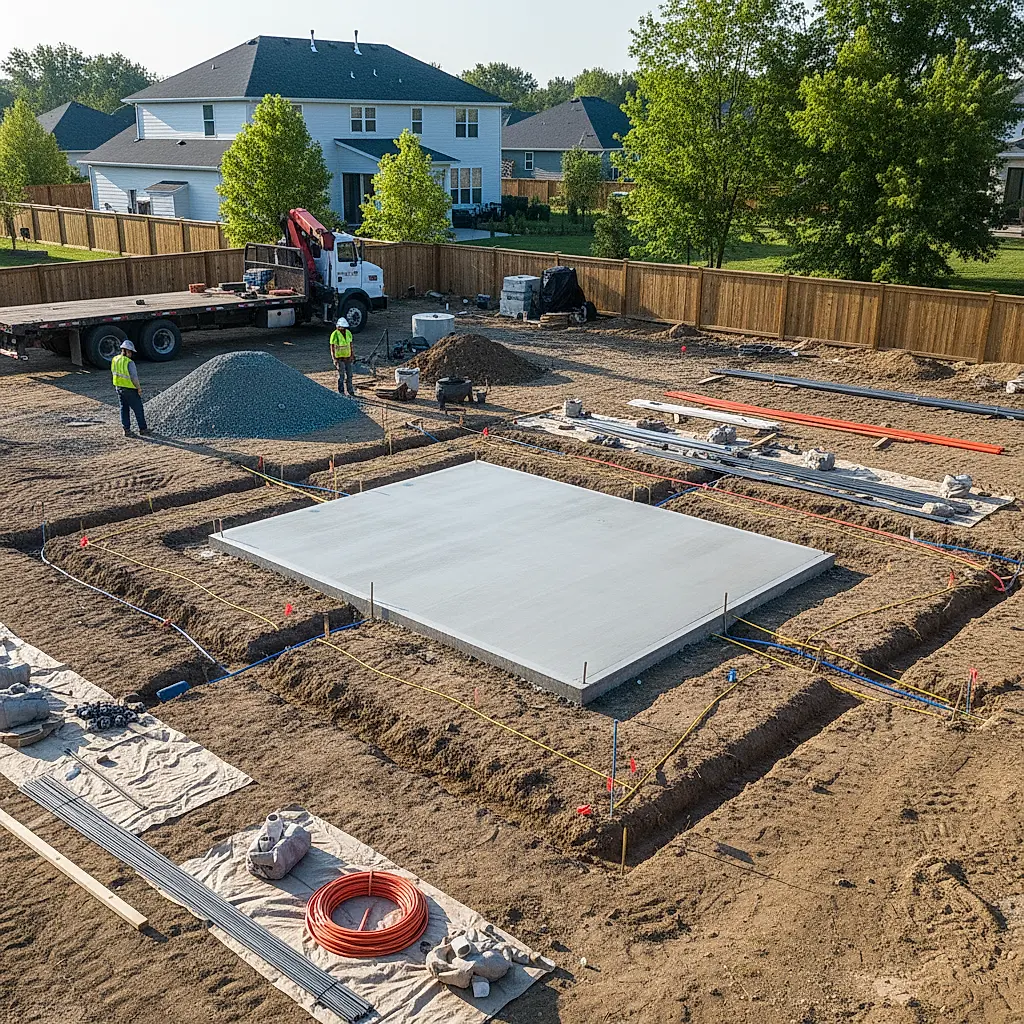
Planning a shipping container pool? This guide covers the site, foundation, electrical, plumbing, and delivery questions to resolve before you buy or build.
A shipping container pool can be an appealing project: the shell is a familiar, durable structure, and the finished result can look striking in a backyard or commercial setting. But the container is only one part of the job. Site preparation, foundation support, electrical service, plumbing, and delivery access usually determine whether the project goes smoothly or stalls.
This guide walks through the planning decisions you should make before committing to a container pool project. It is written for US homeowners, property managers, and small commercial operators who want a realistic view of what site preparation involves. Because container pools are often custom-built rather than sold as a single standardized product, treat every number and requirement here as a prompt for verification, not a specification. Confirm exact dimensions, structural details, and site requirements with the Newport team, your contractor, and your local authority before you buy.
Start With the Site, Not the Container
Most disappointing pool projects trace back to a site that could not support the plan. Before you compare container options, walk your property and answer some basic questions.
Access and delivery path
A container arrives on a truck and is usually moved into place with specialized equipment. The path from the road to the final position matters more than many buyers expect.
- Measure gate openings, fence lines, and any pinch points along the route.
- Note overhead obstacles such as tree limbs, power lines, and eaves.
- Check ground conditions along the path, especially after rain.
- Identify where the truck can legally and safely stop.
Do not assume that a standard delivery method will fit your property. Ask the Newport team to review your access details and confirm what delivery options are realistic for your location.
Soil, slope, and drainage
A container pool is heavy, and that weight is concentrated. Soil type, slope, and water movement all affect how the site should be prepared.
- Flat, well-draining ground is generally easier to work with than a steep or soggy site.
- Poor drainage can undermine any foundation over time.
- A slope may require grading, retaining, or an engineered solution.
A local geotechnical or civil professional can evaluate your soil and give you site-specific guidance. That step is worth taking before you finalize a design.
Setbacks, easements, and local rules
Pools, decks, and accessory structures are typically subject to local zoning, setback, and permitting rules. These vary widely by jurisdiction.
- Contact your local building or zoning department early.
- Ask about pool barriers, fencing, and safety requirements.
- Confirm whether your project triggers electrical or plumbing inspections.
Do not rely on general advice about whether a container pool needs permits. Requirements depend on your location, the intended use, and how the structure is classified. Your local authority is the only reliable source.
Foundation and Support Options
A container pool needs a foundation that keeps the shell level, stable, and protected from movement. The right choice depends on your soil, frost depth, water table, and budget.
Common foundation approaches
- Reinforced concrete slab. Often chosen for permanent installations because it distributes load and can integrate with plumbing and bonding.
- Engineered pier and beam. Useful where soil conditions or site access make a full slab impractical.
- Compacted aggregate base with a structural frame. Sometimes used for temporary or above-ground configurations, but it requires careful engineering.
Each approach has trade-offs in cost, permanence, and how easily plumbing and electrical can be routed. A structural engineer or experienced pool contractor should specify the foundation for your site.
Leveling and load distribution
Containers are strong along their edges and corners, but the flat panels are not designed to carry concentrated point loads without support. That is why a continuous, level foundation matters.
- Confirm the foundation is level within the tolerances your builder specifies.
- Ensure support runs along the container's structural members, not just the center of the floor.
- Plan for the weight of water, the shell, equipment, and people.
Exact load figures depend on the pool design, water volume, and container configuration. Ask your engineer and the Newport team for the numbers that apply to your specific listing and build.
Corrosion protection and coatings
Water, chlorine, salt, and humidity are hard on steel. Protective coatings and proper drainage details extend the life of the shell.
- Discuss interior and exterior coating systems with your builder.
- Plan for ventilation or moisture management around the structure.
- Inspect for standing water and address it promptly.
Electrical and Plumbing Planning
Utilities are where container pool projects often get complicated. Both trades need to be planned before the shell is set, because retrofitting is expensive and disruptive.
Electrical service and safety
A pool involves pumps, lighting, and possibly heaters or covers. All of it needs safe, code-compliant electrical work.
- Confirm whether your existing service can support the planned equipment.
- Plan for grounded, GFCI-protected circuits as required by your local code.
- Include bonding and grounding of the container shell and metal components.
- Leave accessible space for disconnects and controls.
Electrical requirements are location-specific and life-safety related. Hire a licensed electrician and follow your local inspector's guidance. Do not treat any online checklist as a substitute for a permit and inspection.
Plumbing, filtration, and circulation
Even a simple pool needs circulation, filtration, and a way to manage water.
- Decide where the pump, filter, and any heater will sit.
- Plan supply and return lines before the foundation is poured.
- Provide drainage for backwashing, overflow, and rainwater.
- Consider how you will fill the pool and how you will drain it if needed.
If you are considering a saltwater system or a specific sanitizer, discuss compatibility with your shell coating and equipment with your builder.
Equipment placement and service access
Equipment pads should be reachable for maintenance without climbing over the pool or squeezing behind it.
- Leave clearance for opening filter housings and servicing pumps.
- Protect equipment from flooding and direct weather where possible.
- Plan for winterization if you live in a freezing climate.
Delivery Day and Installation Logistics
Delivery is not just a drop-off. It is a coordinated event that depends on site readiness, equipment, and communication.
What to have ready before the truck arrives
- A cleared, level, and marked final position.
- Confirmed access for the delivery vehicle and any lifting equipment.
- A responsible person on site to direct placement.
- Any required permits or approvals already in hand.
Do not assume that a particular type of crane, forklift, or tilt-bed trailer will be used. Delivery equipment depends on the container, the site, and the provider. Ask the Newport team to confirm the delivery plan and any site requirements before scheduling.
Working with contractors and inspectors
A container pool usually involves several trades: excavation, concrete, electrical, plumbing, and pool finishing. Sequencing matters.
- Get a written scope from each contractor.
- Confirm who is responsible for permits and inspections.
- Build in time for inspection delays.
- Keep a single point of contact for the project.
Common planning mistakes to avoid
- Ordering before confirming site access and foundation design.
- Assuming utility connections will be simple.
- Skipping local permitting questions.
- Underestimating drainage and corrosion protection.
- Leaving equipment access too tight for future service.
Costs, Timelines, and Realistic Expectations
Container pool projects vary enormously in cost and schedule. The shell is one line item among many. Foundation work, excavation, utilities, coatings, equipment, labor, permits, and finishing can each be significant.
Rather than anchoring to a single number, build a budget range with your contractor and revisit it as the design firms up. Timelines depend on permitting, weather, contractor availability, and material lead times. Ask each trade for their own schedule and add contingency.
If your budget or timeline is tight, discuss options with the Newport team and your builder. Sometimes a phased approach, a different foundation, or a simpler equipment package makes the project feasible.
Frequently Asked Questions
Can any shipping container be used for a pool?
Not necessarily. Pool conversions require careful evaluation of the container's condition, structural integrity, and coating needs. Corrosion, previous cargo, and floor condition all matter. Discuss your intended use with the Newport team so they can help you understand what to look for in a listing, and have a qualified builder assess suitability before you commit.
How much space do I need around the pool for equipment and access?
There is no universal answer. It depends on your equipment, local code, and how you want to service the pool. Plan for enough room to open filter housings, reach valves, and perform maintenance safely. Your contractor and local inspector can help you set practical clearances for your specific design.
Do I need a permit for a container pool?
Permit requirements vary by jurisdiction and by how the structure is classified. Some projects require building, electrical, and plumbing permits; others may have additional pool safety requirements. Contact your local building department early and follow their direction. Do not assume a project is exempt without confirming with the authority that has jurisdiction.
How long does site preparation take?
It depends on your site, the foundation type, utility work, permitting, and weather. A simple, flat site with existing services may move faster than a sloped property needing excavation and new utility runs. Ask your contractors for a schedule and build in contingency for inspections and weather delays.
What should I confirm with Newport before buying?
Confirm the specific listing details, availability, pricing, dimensions, and delivery requirements for your location. Share your site access information and intended use so the team can help you plan realistically. Any structural, electrical, or plumbing decisions should be verified by qualified local professionals.
Next Steps for Your Project
Site preparation is where a container pool project succeeds or fails. Start with your site, confirm local rules, and design the foundation and utilities before you finalize a container purchase.
When you are ready to look at options, browse current listings at our shop and review the details of each container carefully. Then reach out through our contact page to discuss availability, delivery, and the questions you should answer before your project moves forward. The Newport team can help you connect the container side of the project with the site work your contractors will handle.
Plan the next step
Confirm the container and the delivery plan.
Browse current listings, then speak with the Newport team to verify the unit, total pricing, site access, and delivery requirements before payment.