
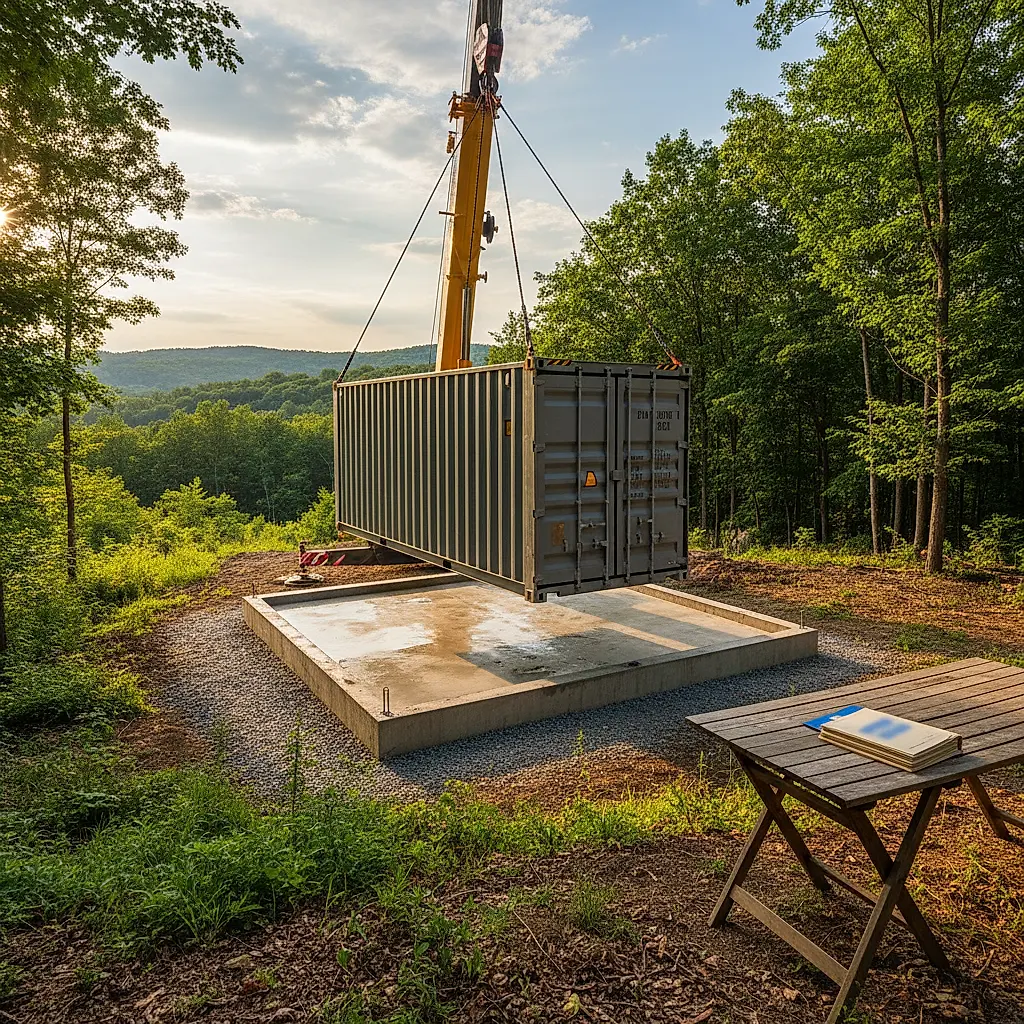
Before you buy a shipping container for storage, a workshop, or a home project, understand how zoning, permits, and site rules can affect your plans. This guide explains what to check, who to ask, and how to prepare.
Shipping containers are versatile, durable, and increasingly popular for storage, workshops, and even homes. But before you place one on your property, it is important to understand that local rules can vary widely. Zoning ordinances, building codes, permit requirements, and homeowners association (HOA) covenants may all apply. This guide walks you through the key questions to ask, the people to contact, and the steps to take so your project starts on solid ground.
Why Local Rules Matter More Than You Might Expect
A shipping container is a structure, and most communities regulate structures. Whether a container is treated as a temporary storage unit, an accessory building, or a permanent dwelling depends on your local zoning code. Some jurisdictions have specific language about containers; others rely on broader definitions of "structure" or "building." That means two neighboring counties can have very different requirements.
Because rules change and vary by location, always confirm the current requirements with your local planning or zoning office before you buy. Newport Shipping Containers can help you understand the container itself, but only your local authority can tell you what is allowed on your specific property.
Key Terms You Will Hear
- Zoning district: The category your property falls under (residential, agricultural, commercial, etc.). It determines what uses are allowed.
- Setback: The required distance between a structure and your property lines.
- Accessory structure: A building or structure that supports the main use of the property, such as a shed or detached garage.
- Certificate of Occupancy (CO): A document some jurisdictions require before a structure can be legally occupied.
- HOA covenants: Private rules that may be stricter than public zoning.
How to Research Zoning for Your Property
Start with your local planning or zoning department. You can often find their contact information on your county or city website. When you call or visit, have your property address and parcel number ready. Ask specifically about shipping containers, but also ask how the code treats similar structures like sheds or detached garages.
Questions to Ask Your Zoning Office
- Is a shipping container allowed in my zoning district?
- Is it treated as a temporary or permanent structure?
- Are there size, height, or setback restrictions?
- Do I need a building permit, a zoning permit, or both?
- Are there different rules for storage versus living space?
- What inspections or approvals are required?
- Are there any restrictions on how long a container can remain on site?
Write down the answers and the name of the person you spoke with. If possible, request the relevant code sections in writing or by email. This creates a record you can refer to later.
Check HOA and Deed Restrictions
If your property is part of a homeowners association, review the covenants, conditions, and restrictions (CC&Rs). HOAs may prohibit containers entirely or require specific screening, colors, or placement. Even if the city allows a container, the HOA may not. Get any approval in writing before you buy.
Permits and Inspections: What to Expect
Permit requirements vary widely. Some rural areas may have minimal oversight for a storage container, while urban or coastal jurisdictions may require multiple approvals. A building permit is often triggered when a container is modified for habitation, connected to utilities, or considered a permanent structure.
When a Permit Is More Likely
- You plan to live in the container or use it as a dwelling unit.
- You will add plumbing, electrical, or HVAC systems.
- The container will be a permanent fixture on a foundation.
- Your local code classifies containers as buildings rather than temporary storage.
When a Permit May Be Simpler
- The container is used for temporary storage during a construction project.
- It is placed on a rural property with few zoning restrictions.
- It meets the definition of an accessory structure below a certain size.
Even in simpler cases, do not assume no permit is needed. A quick call to your local office can save you from fines or forced removal later.
Site Planning: Access, Grading, and Placement
Beyond zoning, think about the physical realities of your site. A container is heavy, and delivery requires a clear path and a level, stable surface. While we cannot promise specific equipment or clearances, we can tell you that our team will discuss access requirements with you before delivery.
What to Evaluate on Your Property
- Access route: Can a delivery truck reach the drop-off point? Consider narrow roads, low branches, sharp turns, and overhead wires.
- Ground conditions: Is the area level and stable? Mud, soft soil, or slopes may require preparation.
- Placement: Where will the container sit relative to property lines, trees, and other structures?
- Drainage: Will water pool around the container? Proper drainage helps protect the container and its contents.
- Utilities: If you plan to power or plumb the container, how far are the connections?
Foundation and Support
Containers are designed to rest on their corner castings. Many owners place them on concrete blocks, gravel pads, or a poured foundation. The best option depends on your soil, frost depth, and local code. Ask your contractor or a local engineer for guidance specific to your site.
Container Size and Specs: What You Can Generally Expect
Shipping containers come in standard lengths, typically 20 feet and 40 feet, with widths around 8 feet. Heights are commonly standard or high cube. These are nominal dimensions, and actual measurements can vary slightly by manufacturer. Always check the individual listing for exact specifications, and review the CSC plate on the container for verified details.
Common Configurations
- 20-foot standard: A compact option often used for storage or small workshops.
- 40-foot standard: More floor space for larger storage or conversion projects.
- 40-foot high cube: Extra interior height, which can be useful for certain builds.
Do not rely on general size descriptions to determine whether a container fits your needs. Confirm interior and exterior dimensions, door openings, and weight limits with the Newport team and the listing details.
Modifications and Building Codes
If you plan to modify a container—adding windows, doors, insulation, or utilities—building codes will likely apply. Structural changes may require engineering review. Electrical and plumbing work usually must be performed by licensed professionals and inspected.
Common Modification Considerations
- Structural integrity: Cutting into container walls can affect strength. Consult an engineer.
- Insulation: Containers are steel and conduct heat and cold. Proper insulation is important for comfort.
- Moisture control: Condensation can be an issue. Ventilation and vapor barriers help.
- Egress: If the container will be occupied, emergency escape and rescue openings may be required.
- Fire safety: Smoke alarms, fire separation, and other measures may apply.
Your local building department can tell you which codes apply to your project. Do not skip this step, even for a small conversion.
Working With Contractors and Professionals
A successful container project often involves several professionals: a zoning consultant, a general contractor, an engineer, and licensed tradespeople. Ask for references and confirm licenses and insurance. If your project is in or near Newport, TN, local contractors may already be familiar with container builds.
Tips for Hiring
- Get multiple quotes and compare scope, not just price.
- Ask whether they have experience with shipping container projects.
- Confirm who will handle permits and inspections.
- Put everything in a written contract.
Frequently Asked Questions
Do I need a permit to put a shipping container on my property?
It depends on your local zoning and building codes. Some jurisdictions require a permit for any container, while others may not for temporary storage. Always check with your local planning or building department before placing a container.
Can I live in a shipping container on my land?
Some areas allow container homes, but many require specific approvals, utility connections, and code compliance. You will need to confirm with your local zoning office whether a dwelling unit is allowed and what permits are required.
How do I find out if my property is zoned for a container?
Contact your county or city planning department with your property address and parcel number. Ask how containers are classified and what restrictions apply. Also check any HOA covenants.
What size container should I choose?
That depends on your intended use, available space, and access. Common sizes are 20 feet and 40 feet, with standard or high-cube heights. Review the specific listing and speak with the Newport team to confirm dimensions and availability.
Can I modify a container after I buy it?
Yes, but modifications may trigger building code requirements. Structural changes, electrical, and plumbing work often require permits and inspections. Consult local authorities and qualified professionals before you begin.
Next Steps: Confirm Details and Plan Ahead
Before you buy, take these steps:
- Check zoning and permits with your local planning office.
- Review HOA rules if applicable.
- Assess your site for access, grading, and placement.
- Confirm container specifications with the Newport team and the individual listing.
- Plan for delivery by discussing access and site requirements with our team.
When you are ready to explore options, browse our available containers at our shop. If you have questions about sizing, delivery, or site planning, contact us and we will help you find the right container for your project. Always confirm current pricing, availability, and delivery details with the Newport team, as these can change.
This article is for general information only and is not legal or engineering advice. Local rules vary, so verify all requirements with the appropriate authorities and qualified professionals.
Plan the next step
Confirm the container and the delivery plan.
Browse current listings, then speak with the Newport team to verify the unit, total pricing, site access, and delivery requirements before payment.