
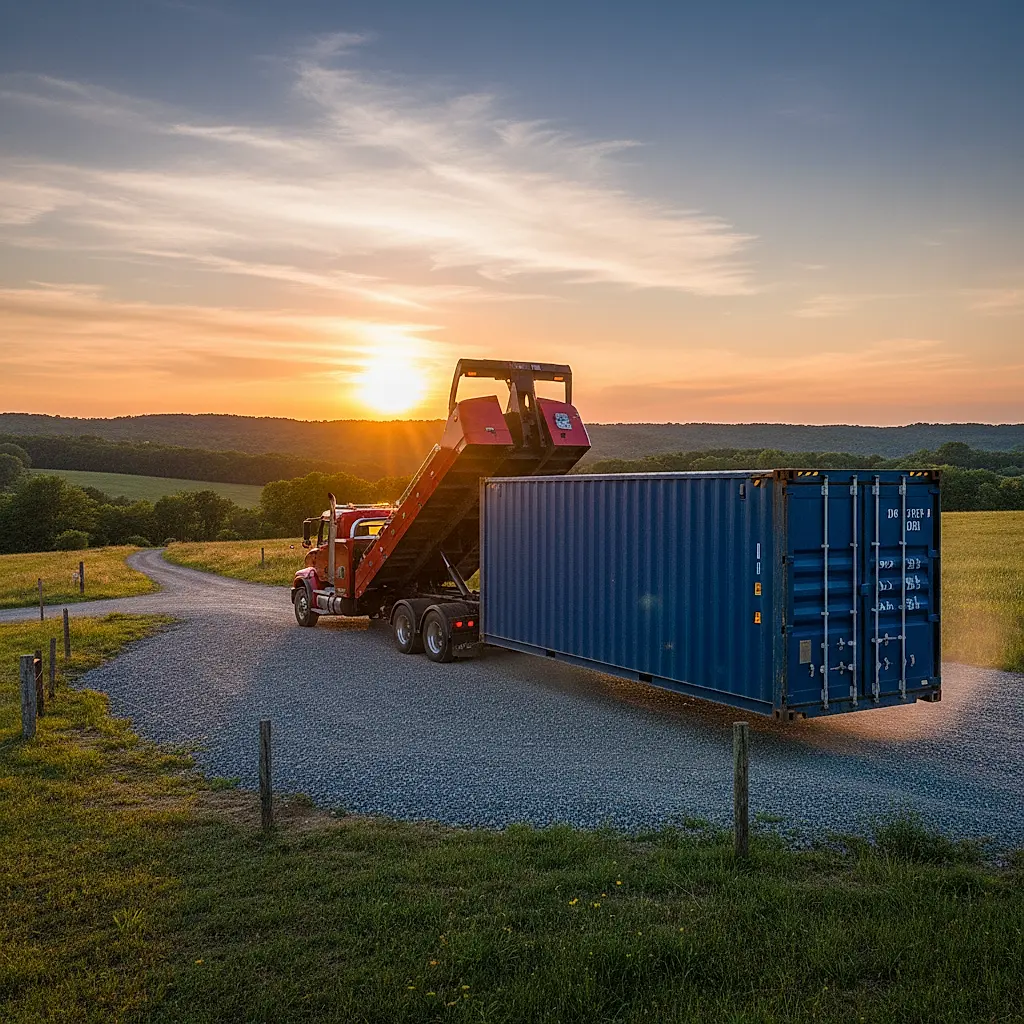
Moving a shipping container involves more than trucking rates. Learn the cost factors, planning steps, and questions to ask before you relocate a conex box.
Relocating a shipping container is rarely as simple as calling a tow truck. The total cost depends on where the container sits now, where it needs to go, what equipment can reach it, and how much access the destination offers. This guide walks through the main cost drivers, the decisions you can control, and the questions to ask before you commit.
Why Relocation Costs Vary So Much
Two moves that look identical on a map can price very differently. A container sitting on a paved lot with room for a truck to pull alongside is a straightforward job. A container tucked behind a fence, under tree limbs, or on soft ground may require extra planning and equipment.
Key variables include:
- Distance between the current site and the destination.
- Access at both ends: gate width, overhead clearance, turning radius, and surface condition.
- Container condition and contents: an empty container is lighter and easier to handle than a loaded one.
- Equipment availability in the region, which affects scheduling and cost.
- Permits or escorts, if the route or local rules require them.
- Timing: weekends, holidays, and peak seasons can affect availability.
Because these factors interact, the only reliable way to get a real number is to describe your specific situation to a container team and confirm the details in writing.
The Main Cost Components of a Container Move
When you request a quote, ask the provider to break the estimate into parts. That makes it easier to compare options and spot surprises.
Trucking and Mileage
The largest line item is usually the truck and driver. Rates reflect distance, travel time, fuel, and how long the truck is tied up. A short local move may be priced as a minimum job, while a long-haul move is often quoted per mile plus accessorial charges.
Loading and Unloading Equipment
Depending on the site, the truck may need a tilt-bed trailer, a flatbed with a crane, a roll-off frame, or a specialized container trailer. Each has different requirements for setup space and ground conditions. If the container must be lifted rather than slid, the equipment list changes.
Site Preparation and Access Work
Sometimes the cheapest path is to prepare the site. Trimming branches, moving vehicles, adding gravel, or widening a gate can reduce the equipment needed. Ask what the driver needs to see on arrival: a clear path, firm ground, and enough room to maneuver.
Permits, Escorts, and Local Rules
Oversize or overweight loads may require permits, and some jurisdictions require escort vehicles. Rules vary by state, county, and even by road. Confirm requirements with the local authority and with the moving company. Do not assume a particular container size avoids permits; that depends on the load, the route, and local regulations.
Contents and Weight
If the container is loaded, the contents affect weight, balance, and handling. Some movers will not relocate a loaded container, or they may require it to be emptied first. Ask about weight limits and whether the contents need to be secured or removed.
Storage and Timing
If the destination is not ready, you may need temporary storage. That adds cost and another handling step. Scheduling flexibility can sometimes reduce cost, but availability is not guaranteed.
Estimating a Move Before You Call
You can gather useful information before requesting a quote. This helps the provider give you a more accurate estimate and reduces the chance of a surprise on moving day.
Measure the Container and the Route
Note the approximate nominal length, width, and height of your container. Standard and high-cube heights differ, so check the individual listing or the CSC plate for exact specifications. Then look at the route:
- Gate openings and fence lines.
- Overhead wires, branches, and signs.
- Driveway width and surface type.
- Turning space for a large truck.
- Any low bridges or weight-restricted roads.
Document the Site With Photos
Photos taken from the road, the gate, and the proposed placement spot are extremely helpful. Include wide shots and close-ups of obstacles. A provider who can see the site can often flag issues before a truck is dispatched.
Decide What You Can Change
Ask yourself:
- Can the container be emptied to reduce weight?
- Can the destination be graded or graveled?
- Can a gate be widened or a fence section removed temporarily?
- Is there a nearby staging area where the truck can turn around?
Each yes can simplify the job.
Comparing Quotes Without Getting Misled
A low quote is not helpful if it excludes the equipment actually needed. When you compare estimates, make sure each one covers the same scope.
Ask each provider:
- What equipment is included, and what would trigger an extra charge?
- Is the quote based on an empty container or a loaded one?
- Are permits and escorts included or billed separately?
- What happens if the truck cannot access the site on arrival?
- Is there a cancellation or rescheduling fee?
- Who is responsible for any damage during the move?
Get the answers in writing. Verbal estimates are difficult to enforce.
Special Situations That Change the Plan
Some moves need extra attention. Mention these upfront.
Tight Urban or Residential Sites
Limited parking, narrow streets, and overhead lines can make a straightforward move complicated. A site visit or a detailed video call may be required.
Rural or Unpaved Sites
Soft ground, mud, and slopes can prevent heavy equipment from operating safely. You may need to wait for dry conditions or add a temporary pad.
Loaded Containers
If the container is being used for storage or as a workspace, it may be full. Discuss weight and contents early. Some providers require the container to be empty.
Long-Distance Moves
Moving a container across state lines involves more planning, more fuel, and potentially more permits. Ask about transit time and how the container will be secured.
Frequently Asked Questions
How much does it cost to move a shipping container?
There is no single price. Cost depends on distance, access, equipment, weight, permits, and timing. The best approach is to request a quote that itemizes trucking, equipment, and any accessorial charges. Confirm all details with the Newport team before scheduling.
Can a loaded container be relocated?
Sometimes, but not always. Weight, balance, and local rules matter. Many providers prefer or require an empty container. Ask before you load it, and confirm the weight limits for the equipment being used.
Do I need a permit to move a container?
Permit requirements depend on the load dimensions, weight, route, and local jurisdiction. Do not assume a particular container size avoids permits. Check with the local authority and the moving company, and get any required permits in writing.
What equipment is used to move a container?
Common options include tilt-bed trailers, flatbeds with cranes, roll-off frames, and specialized container trailers. The right choice depends on site access, container weight, and distance. Ask the provider what they plan to use and what space it needs.
How far in advance should I schedule?
Lead times vary by region and season. Contact the Newport team as early as possible, especially if you have a deadline. Confirm availability, pricing, and site access requirements before you finalize your plans.
Next Steps for a Smoother Move
Relocating a container is a planning exercise as much as a logistics one. Start by documenting your site, measuring your container, and listing the obstacles. Then talk to a team that can review the details with you.
If you are still deciding on a container, browse the current options at our shop to compare sizes and configurations. When you are ready to discuss a move or a new delivery, contact us with your location, site photos, and timing. We will help you confirm the details and identify what to verify before the truck arrives.
Remember: exact specifications, availability, pricing, site access, and delivery requirements should always be confirmed with the Newport team and, where applicable, with local authorities.
Plan the next step
Confirm the container and the delivery plan.
Browse current listings, then speak with the Newport team to verify the unit, total pricing, site access, and delivery requirements before payment.