
 Used
Container category
40ft Shipping Containers
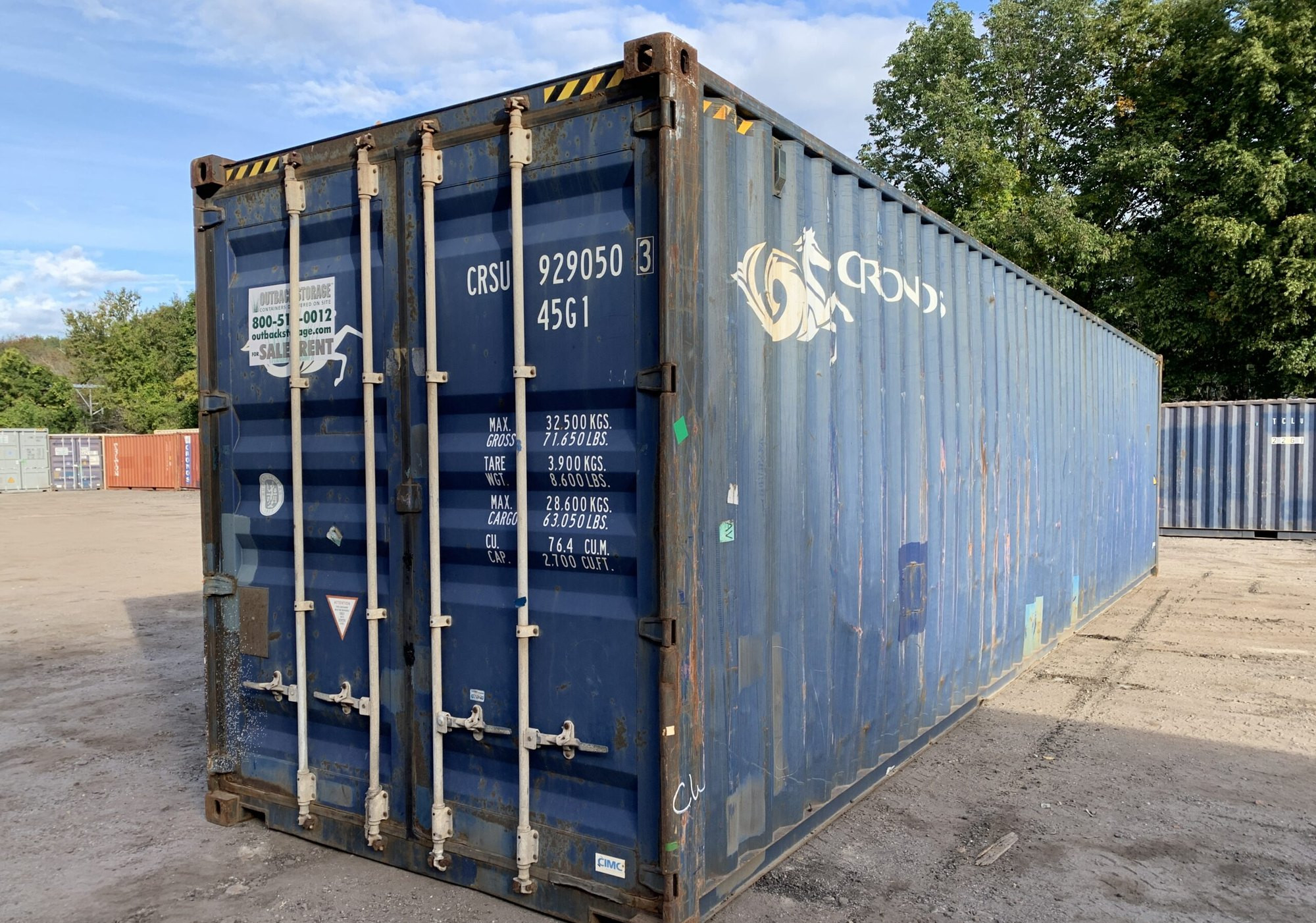
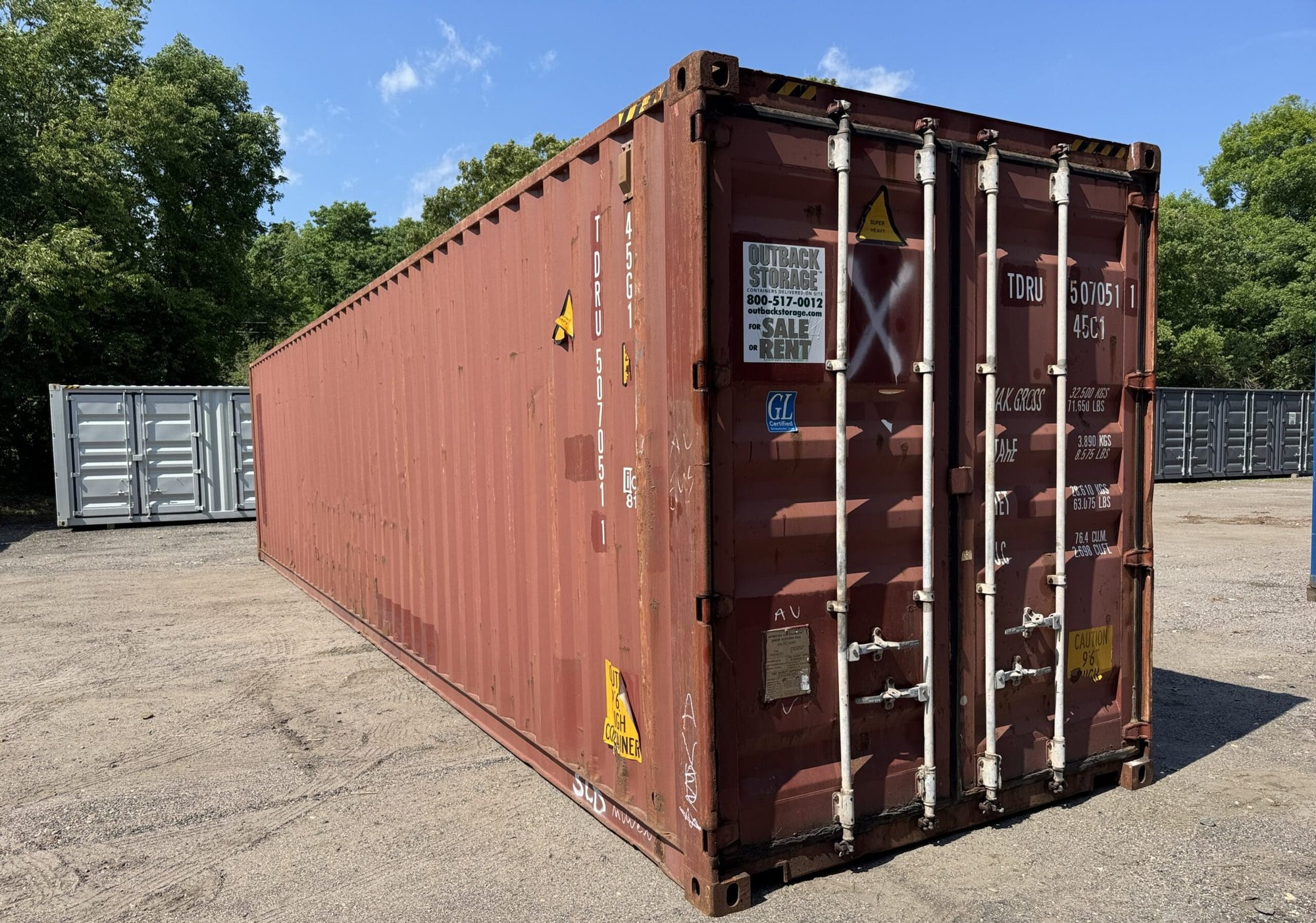
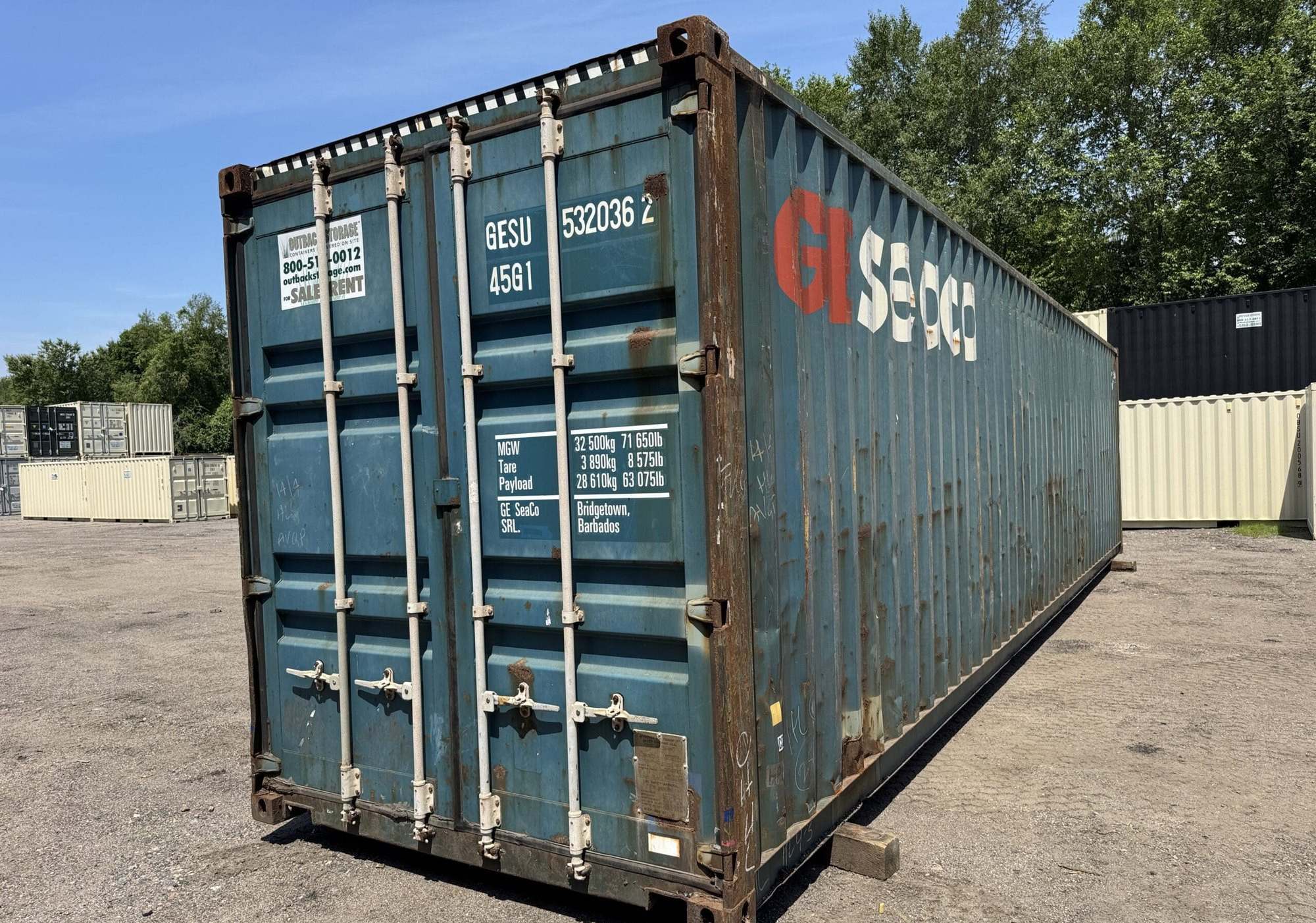
40ft shipping containers, provide spacious, secure and versatile storage solutions for residential commercial and industrial applications explore our selection of 40 foot shipping containers available at Newport Shipping Containers.
Available 40ft shipping containers(87)
Used
 Used
 Used
 Used
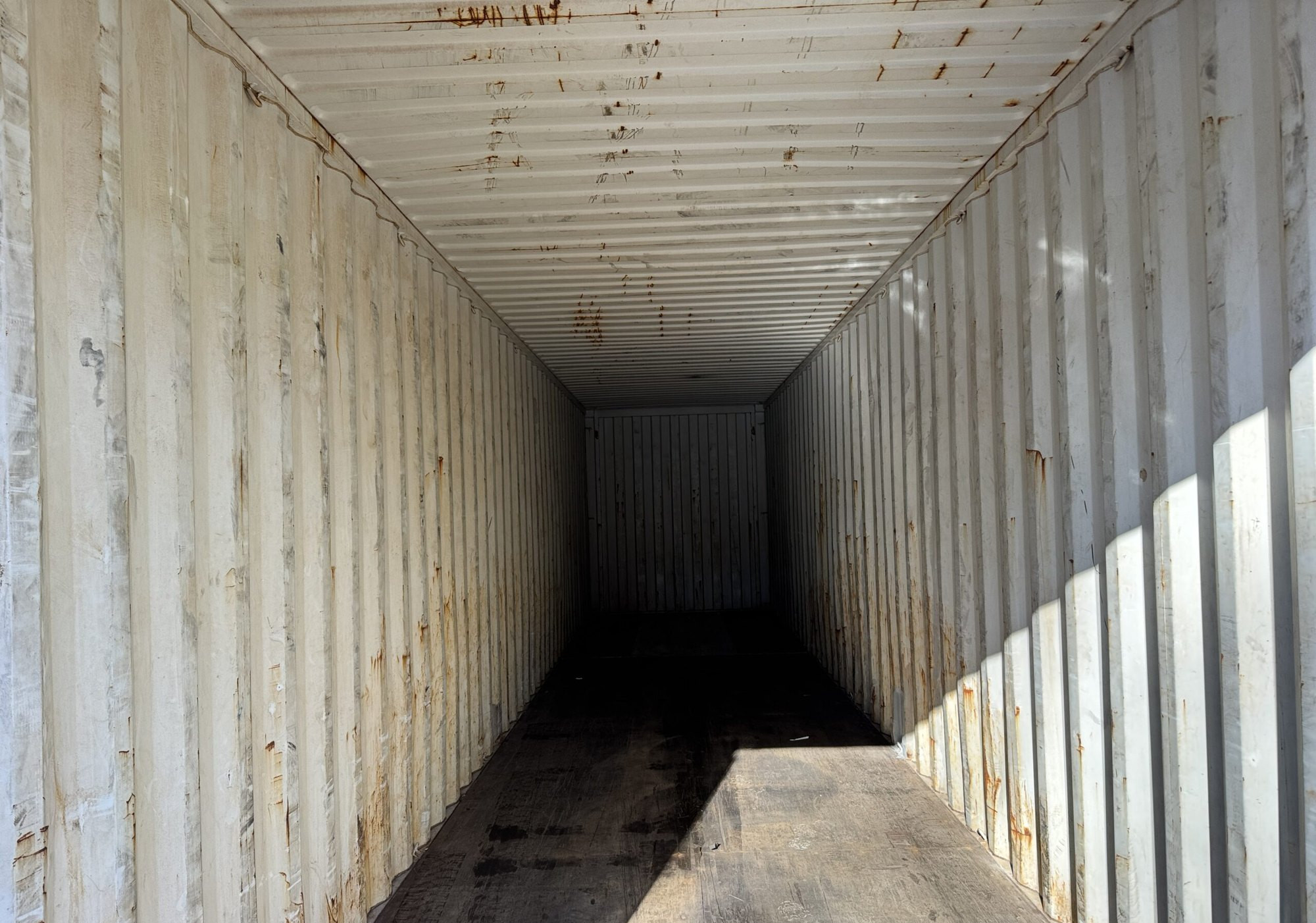 Used
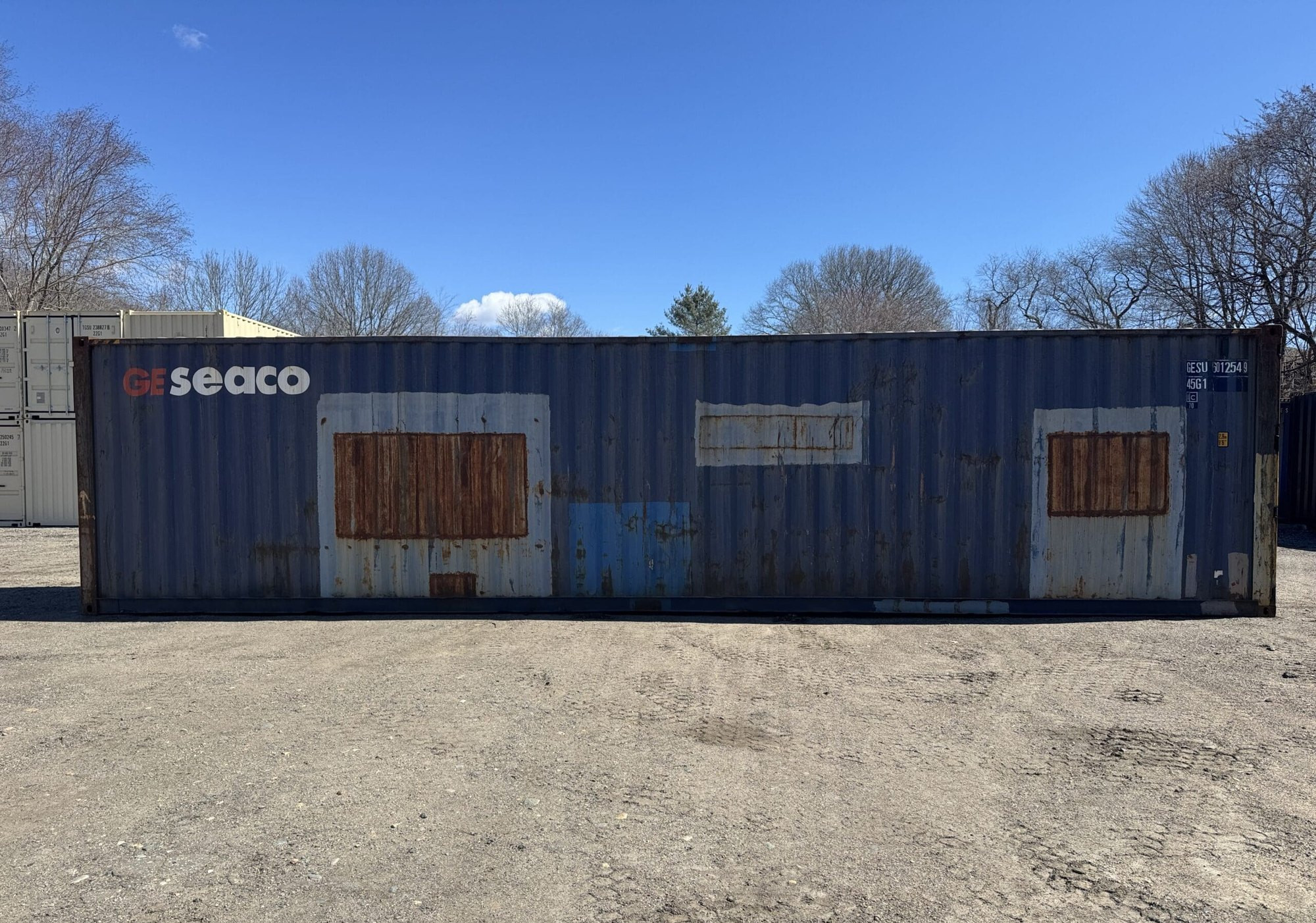 Used
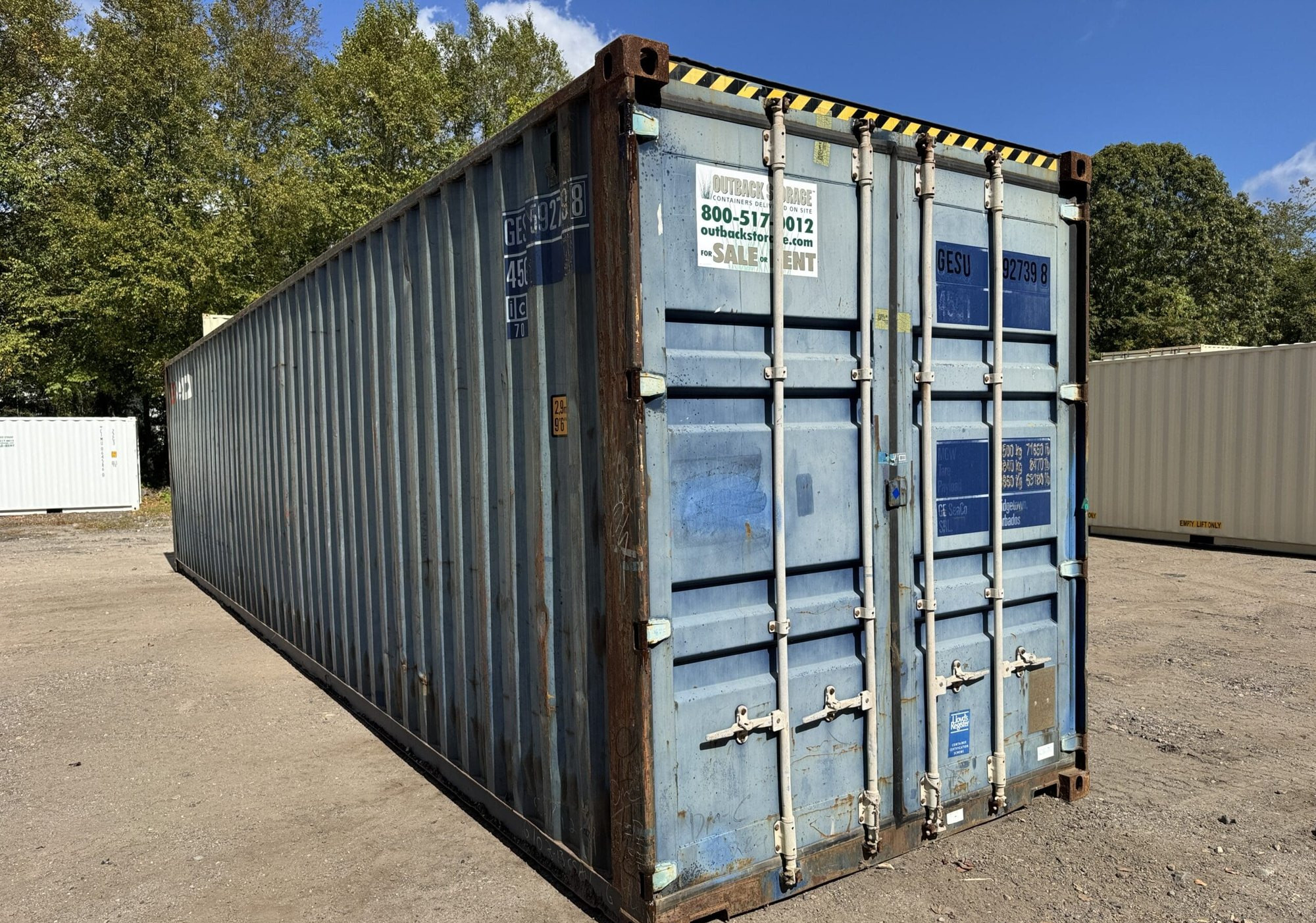 Used
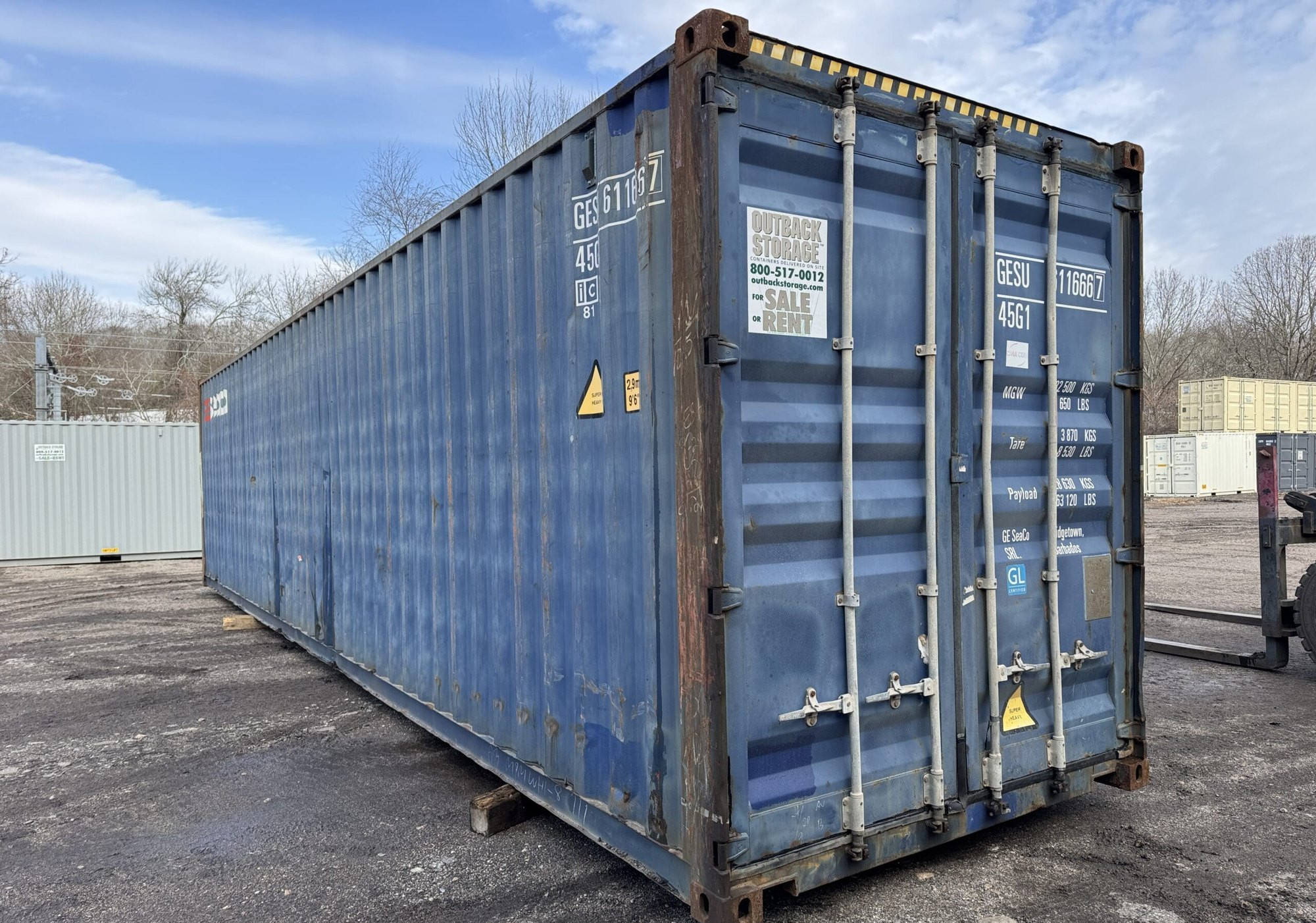 Used
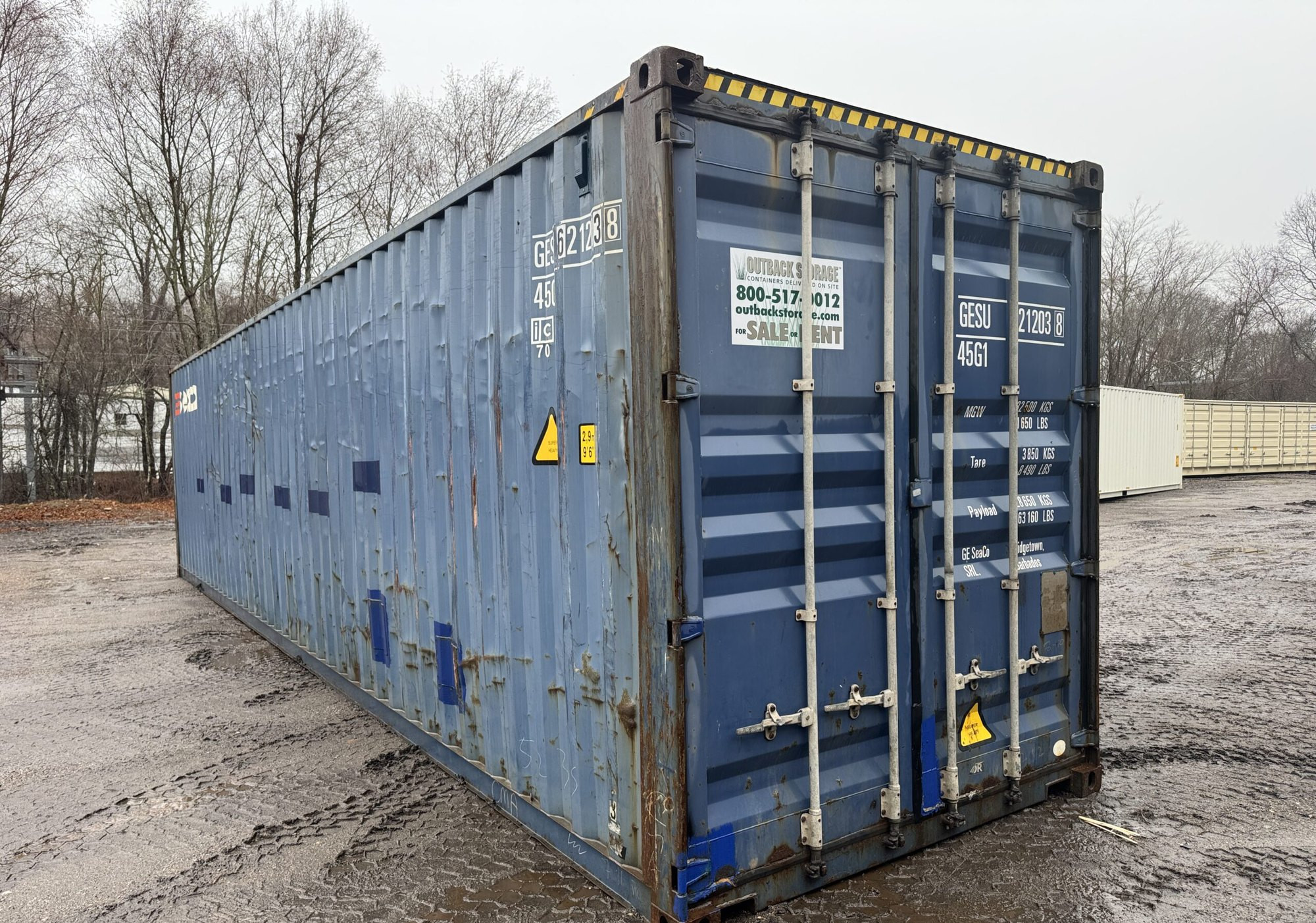 Used
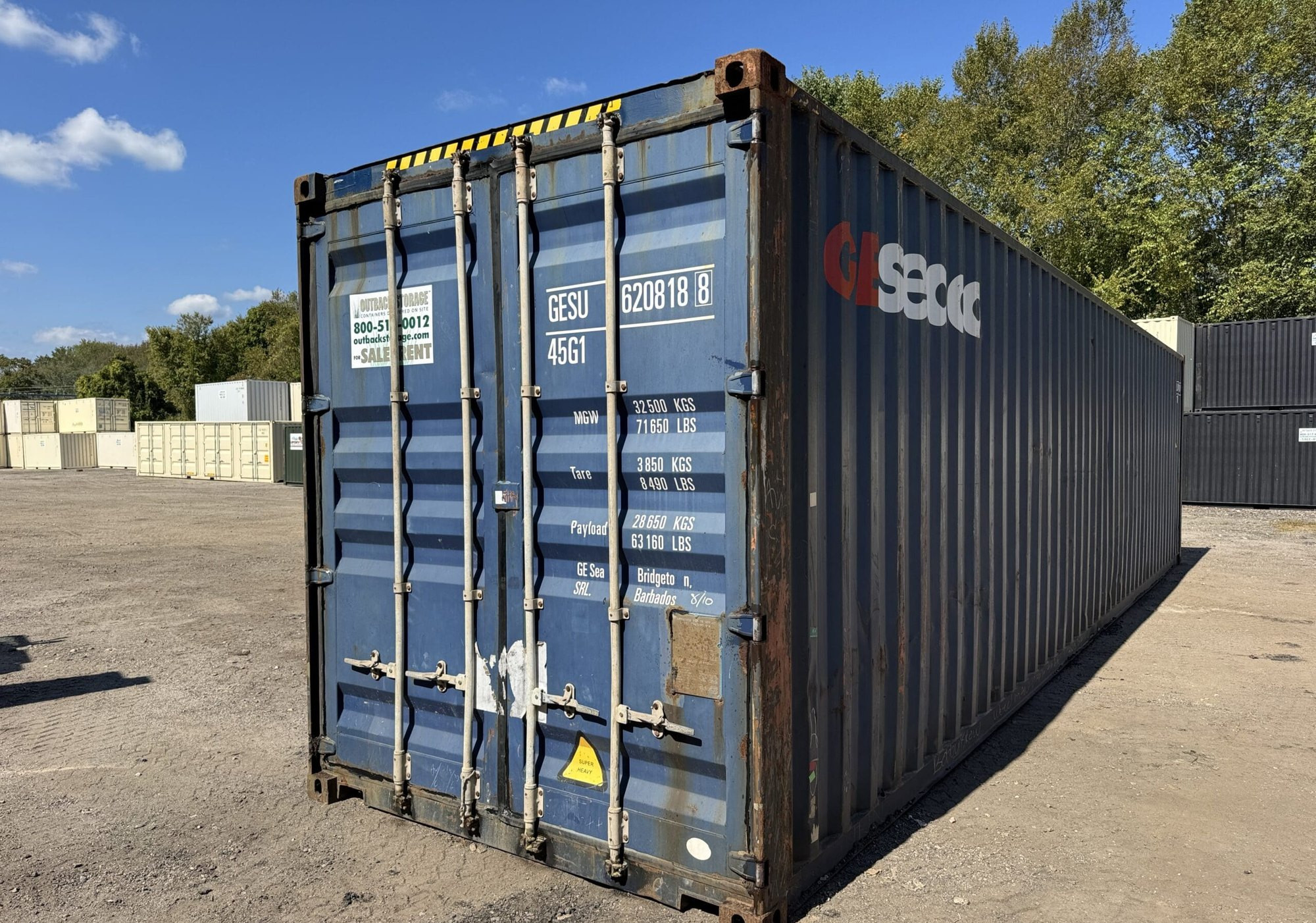 Used
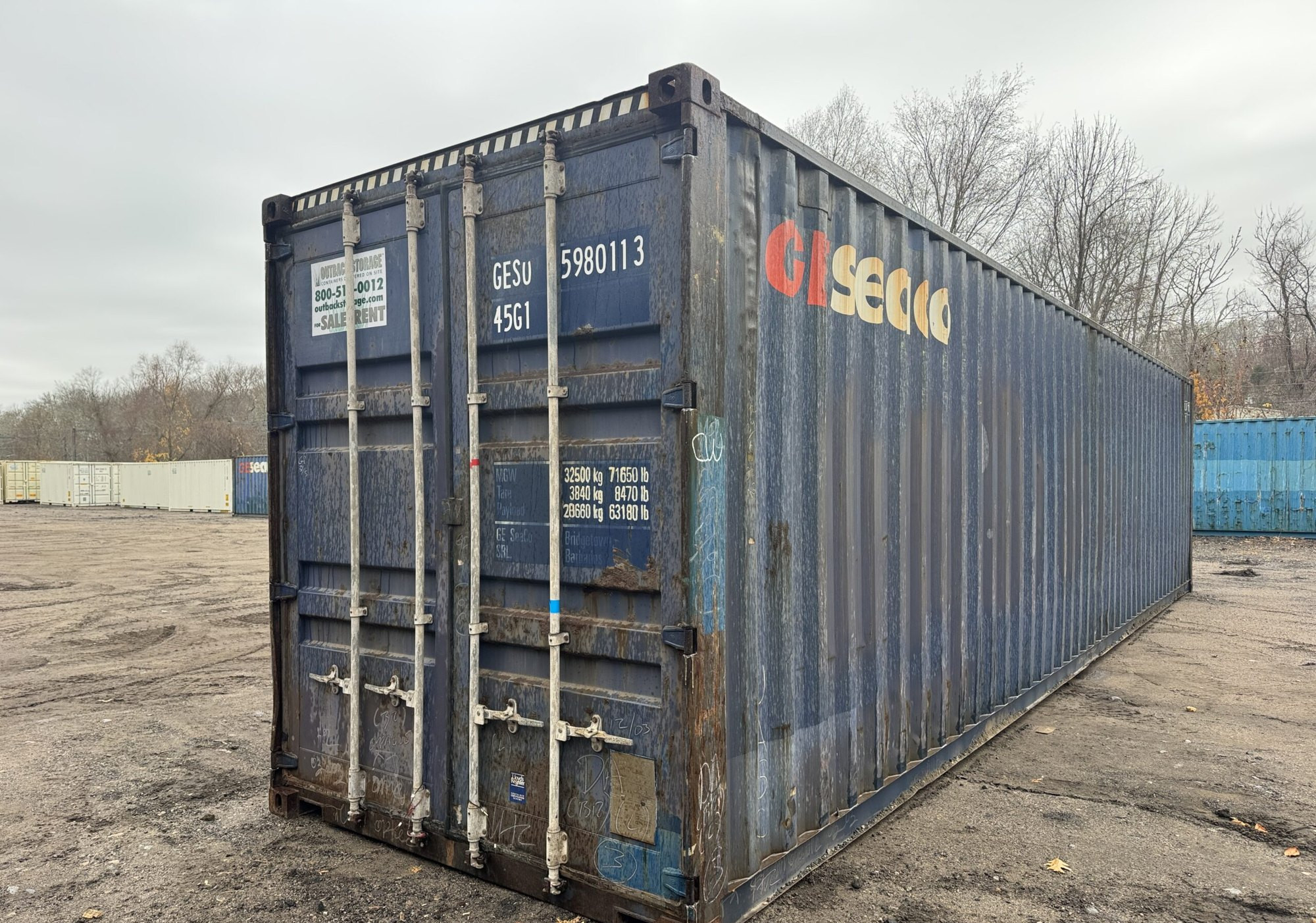 Used
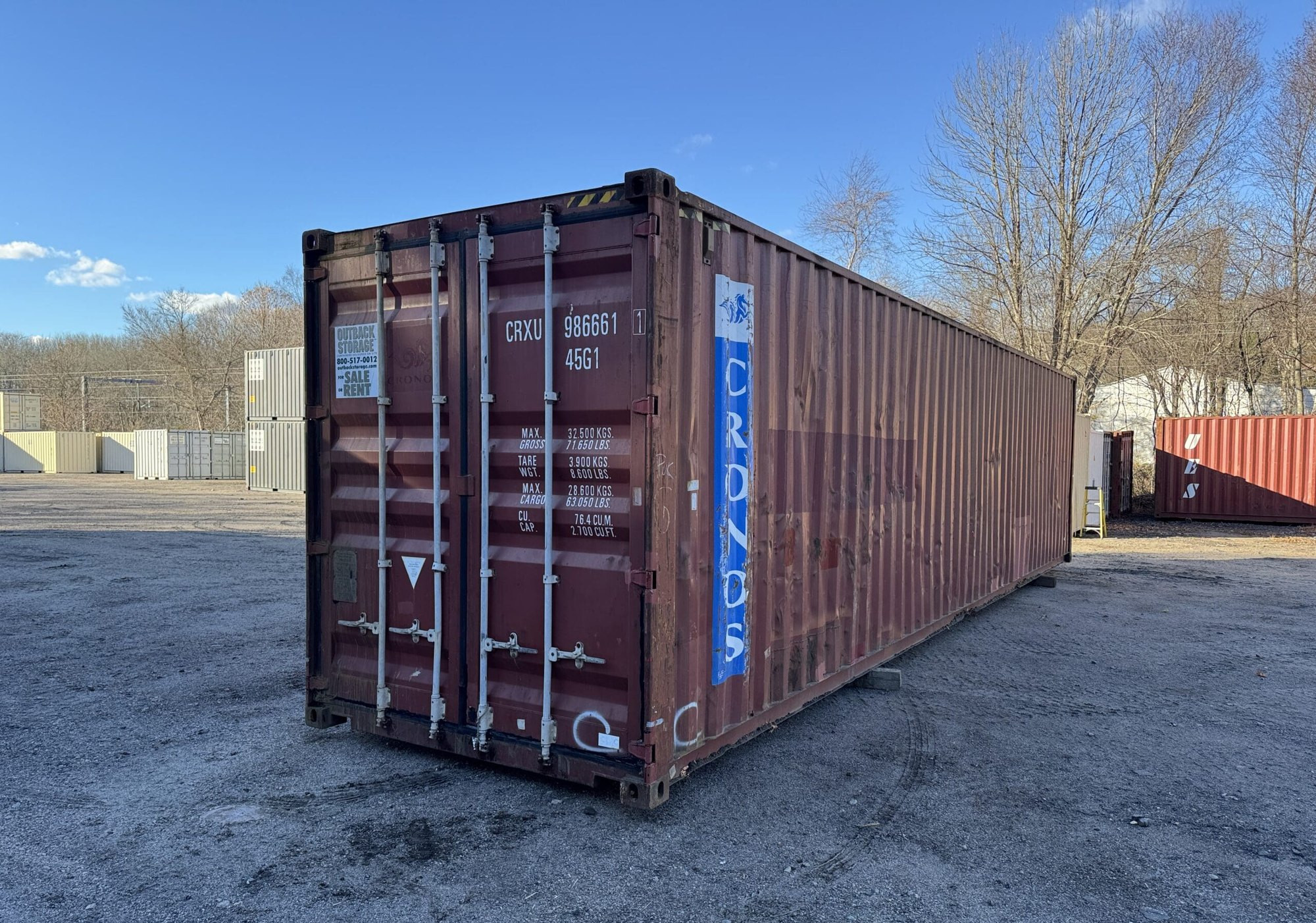 Used
 Used
 Used
 Used
 Used
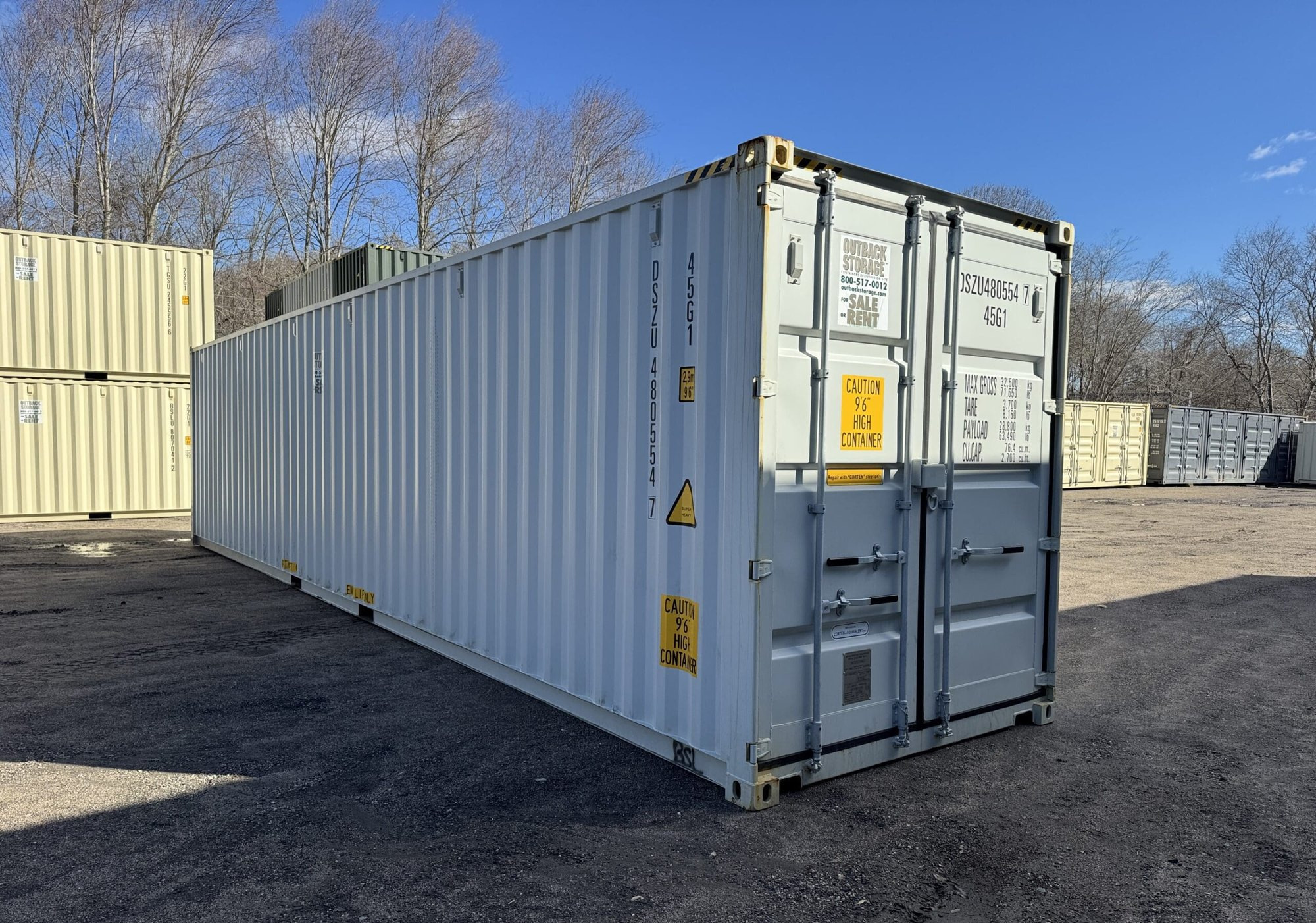 Used
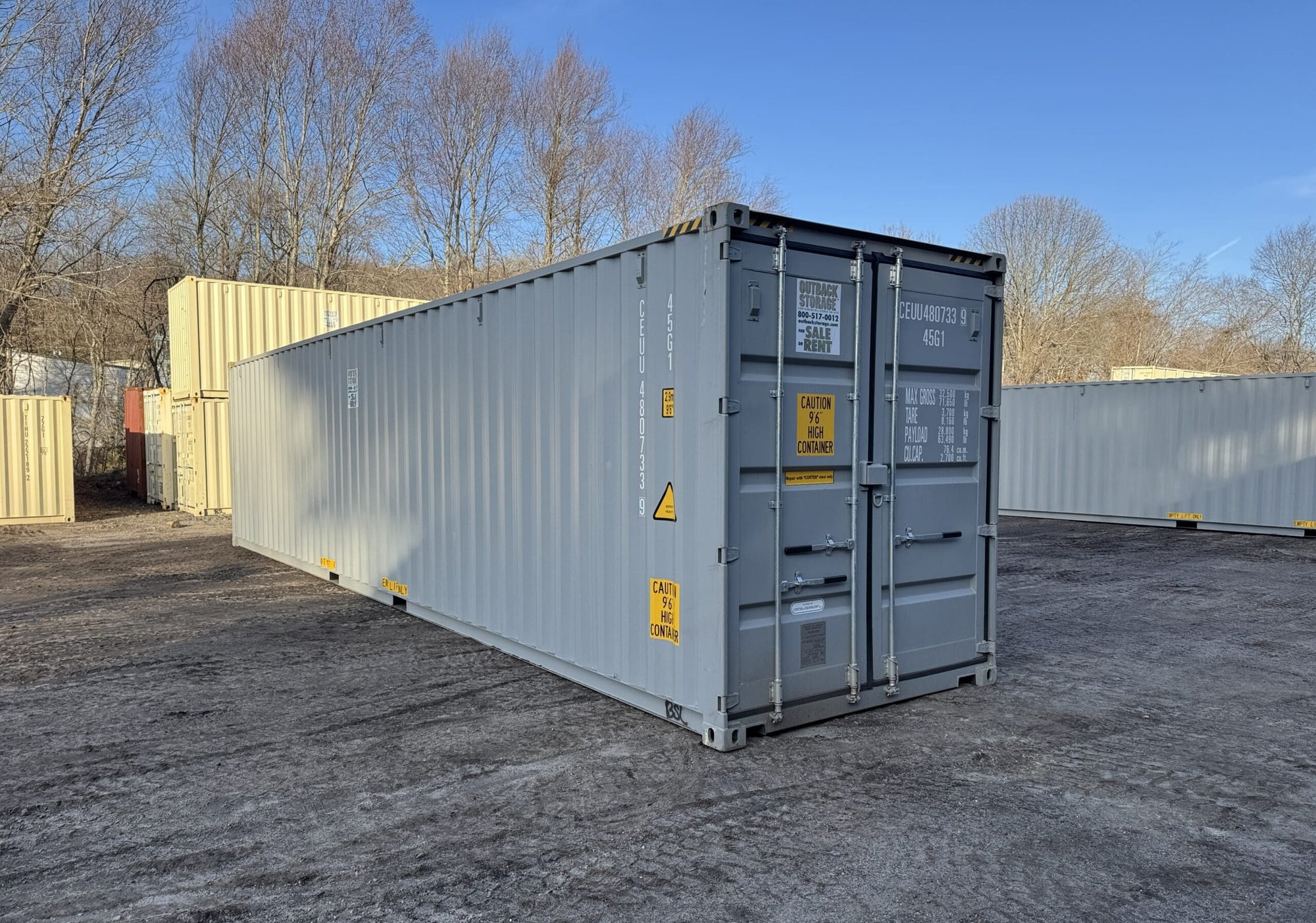 Used
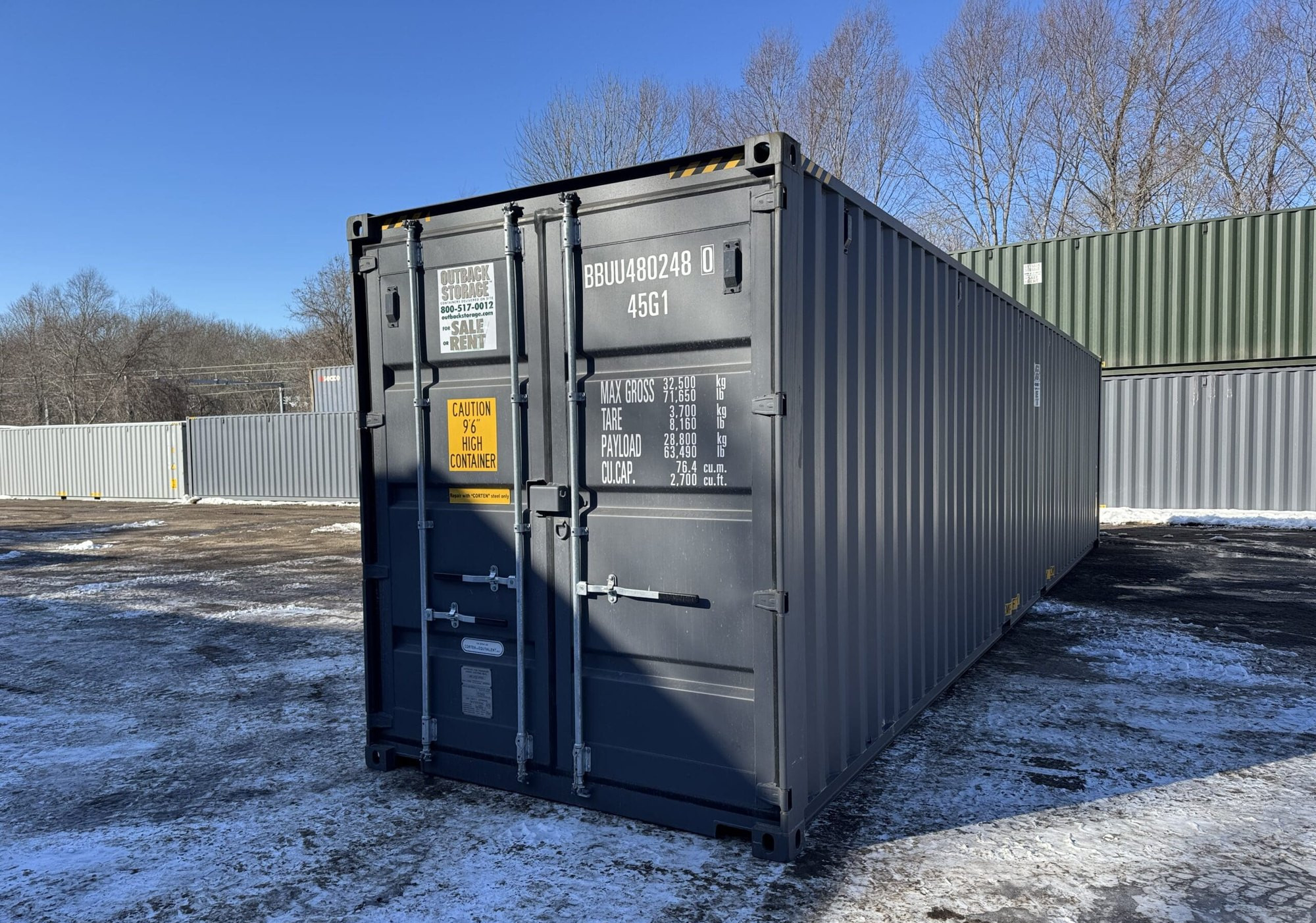 Used
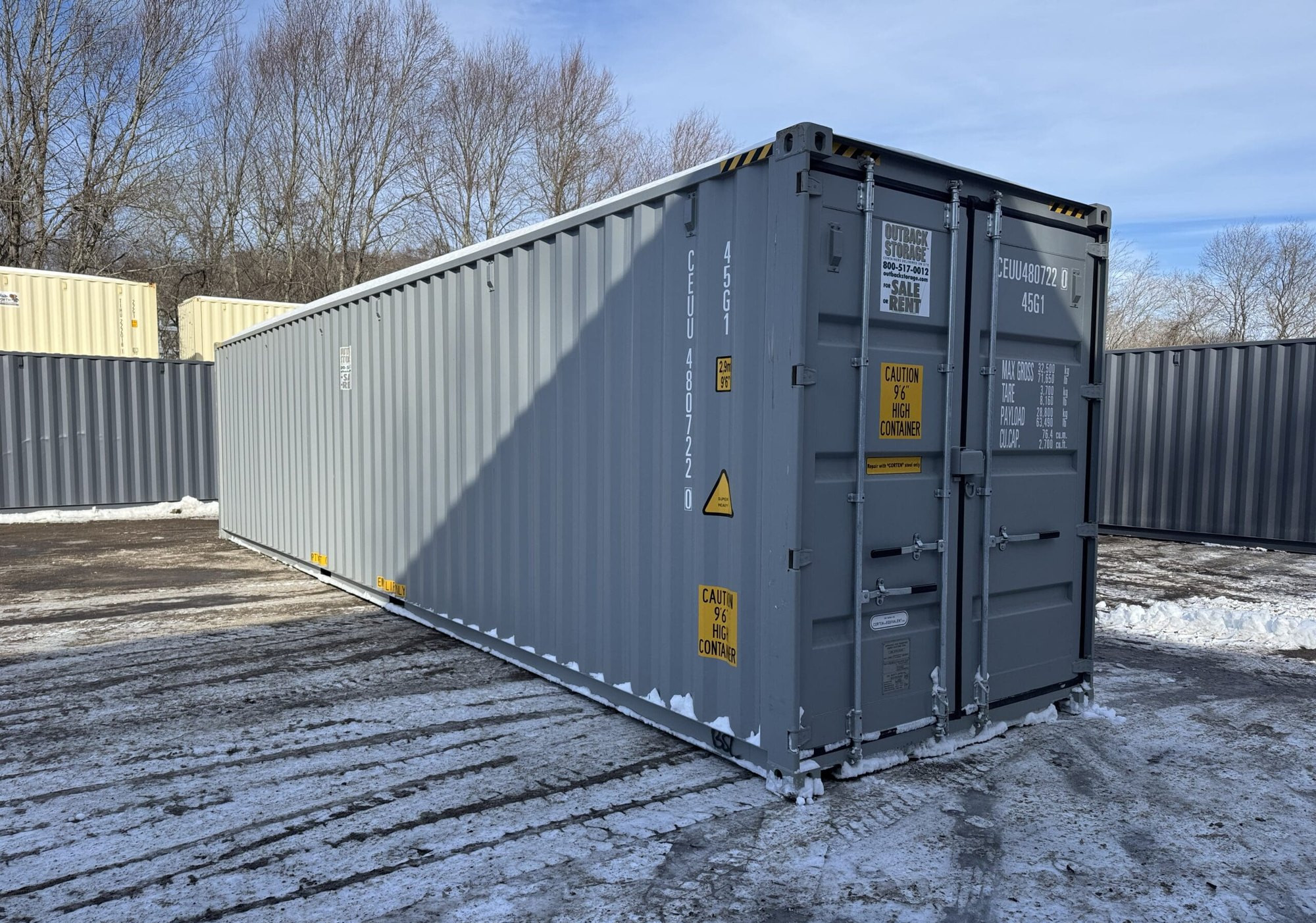 Used
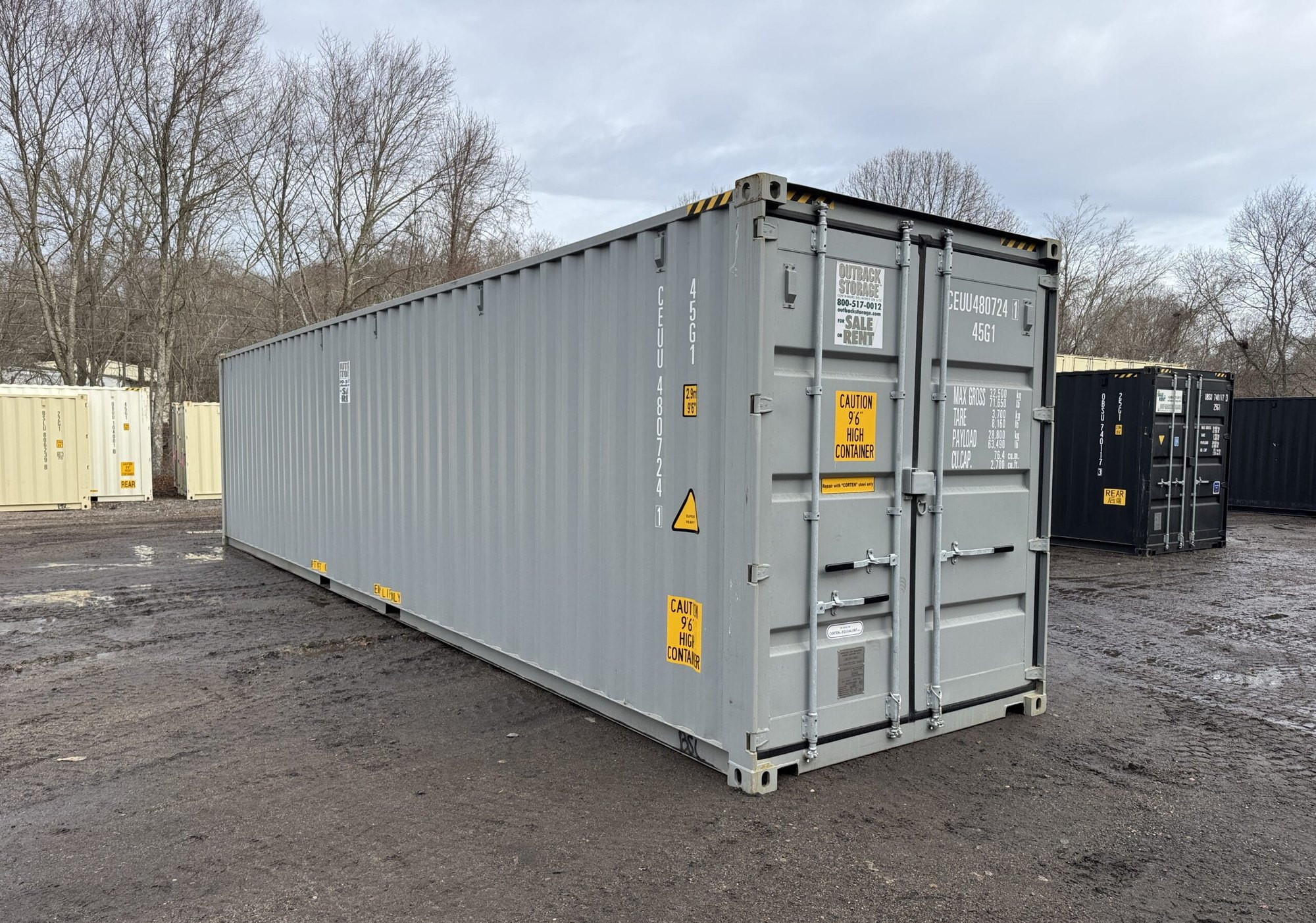 Used
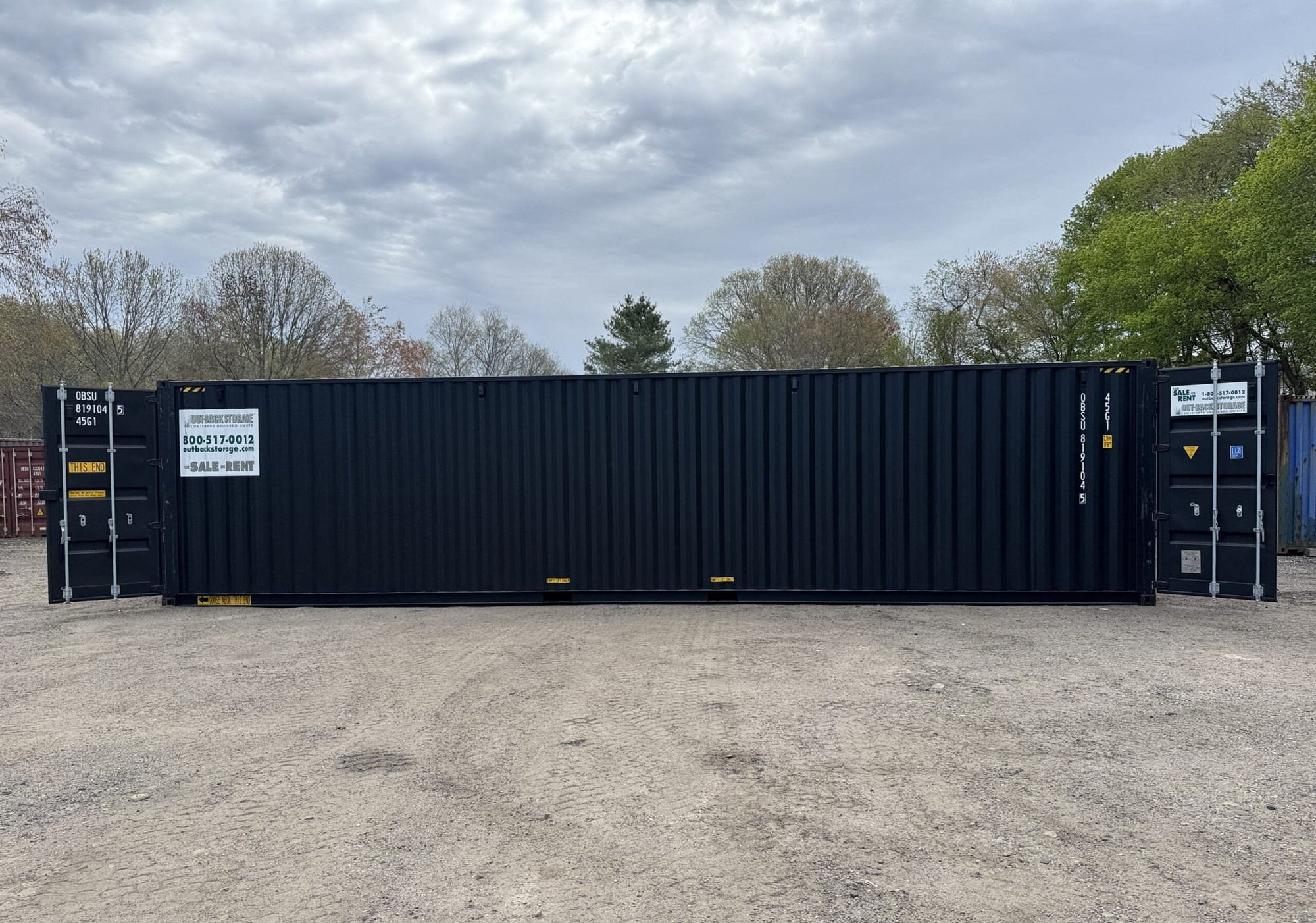 Used
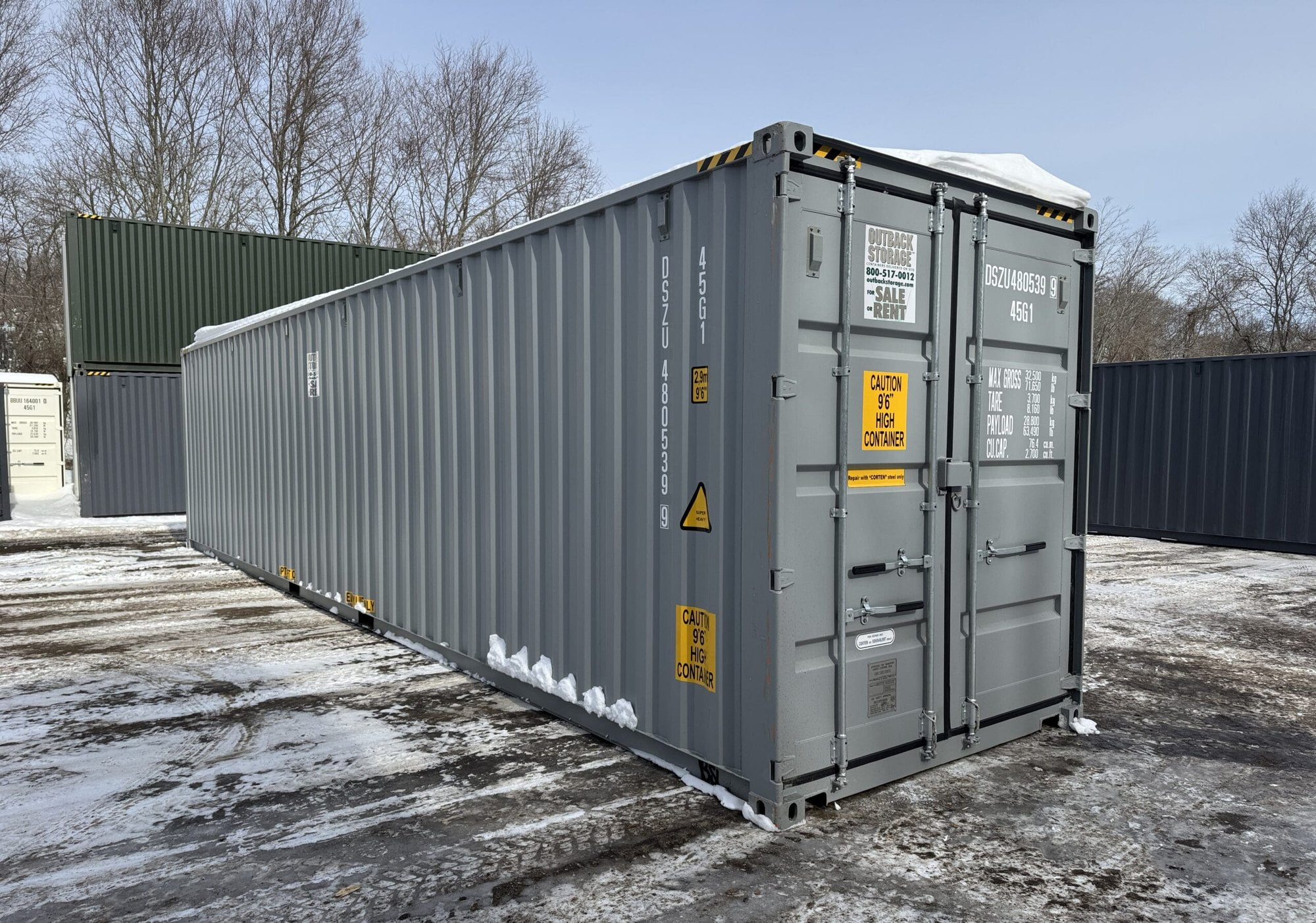 Used
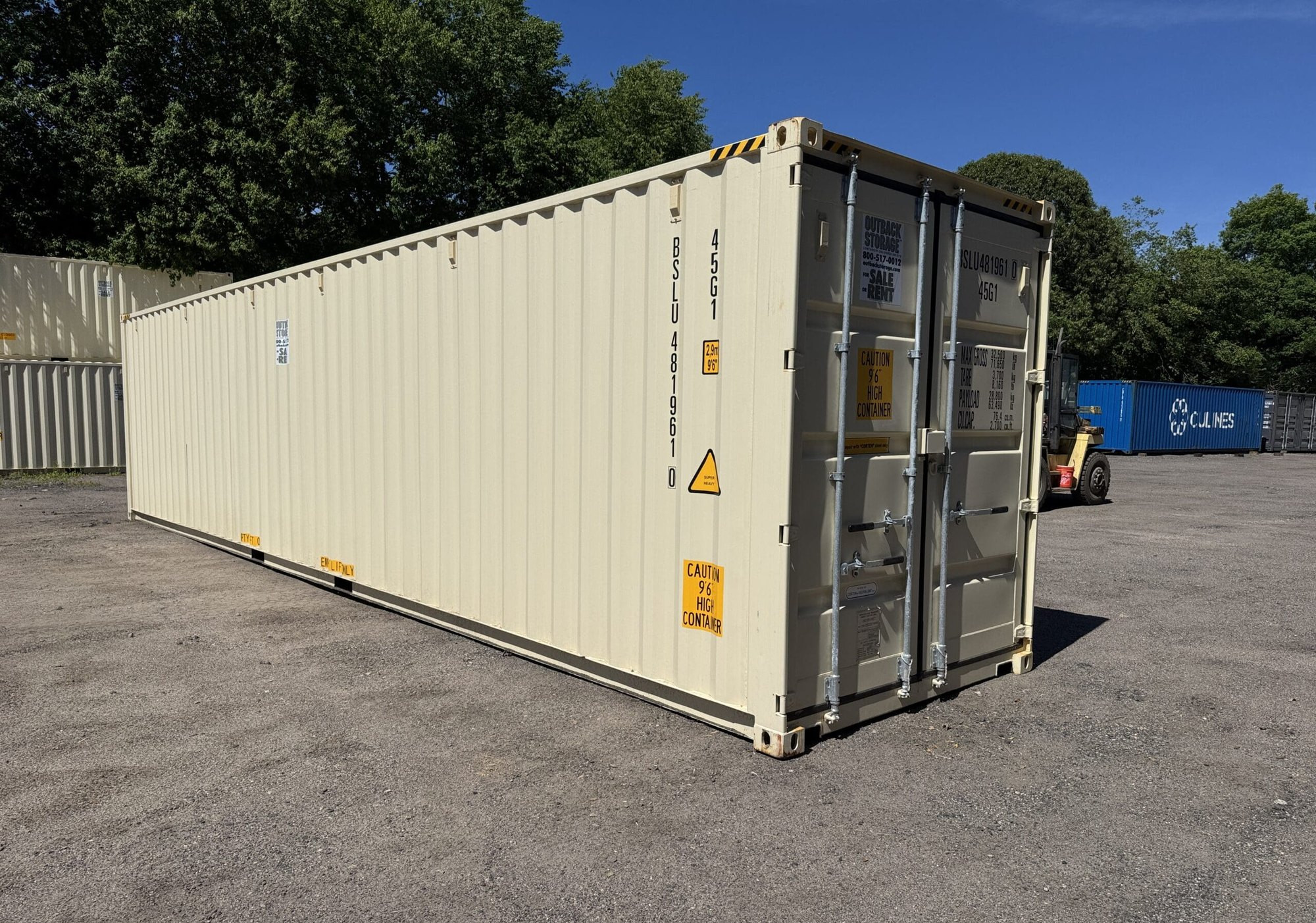 Used
Maximum Space for Large-Scale Storage
When a project outgrows a smaller box, a 40ft shipping container doubles the floor area without doubling the footprint headaches of building a shed or warehouse addition. Farms, contractors, retailers, and manufacturers use 40ft shipping containers to hold bulk materials, vehicles, seasonal stock, and equipment that needs to stay dry and secure on site.
Size Specifications
The 40ft container is built to the same ISO standards used worldwide, so measurements are consistent from unit to unit.
- External: about 40' long x 8' wide x 8'6" high
- High cube external height: about 9'6"
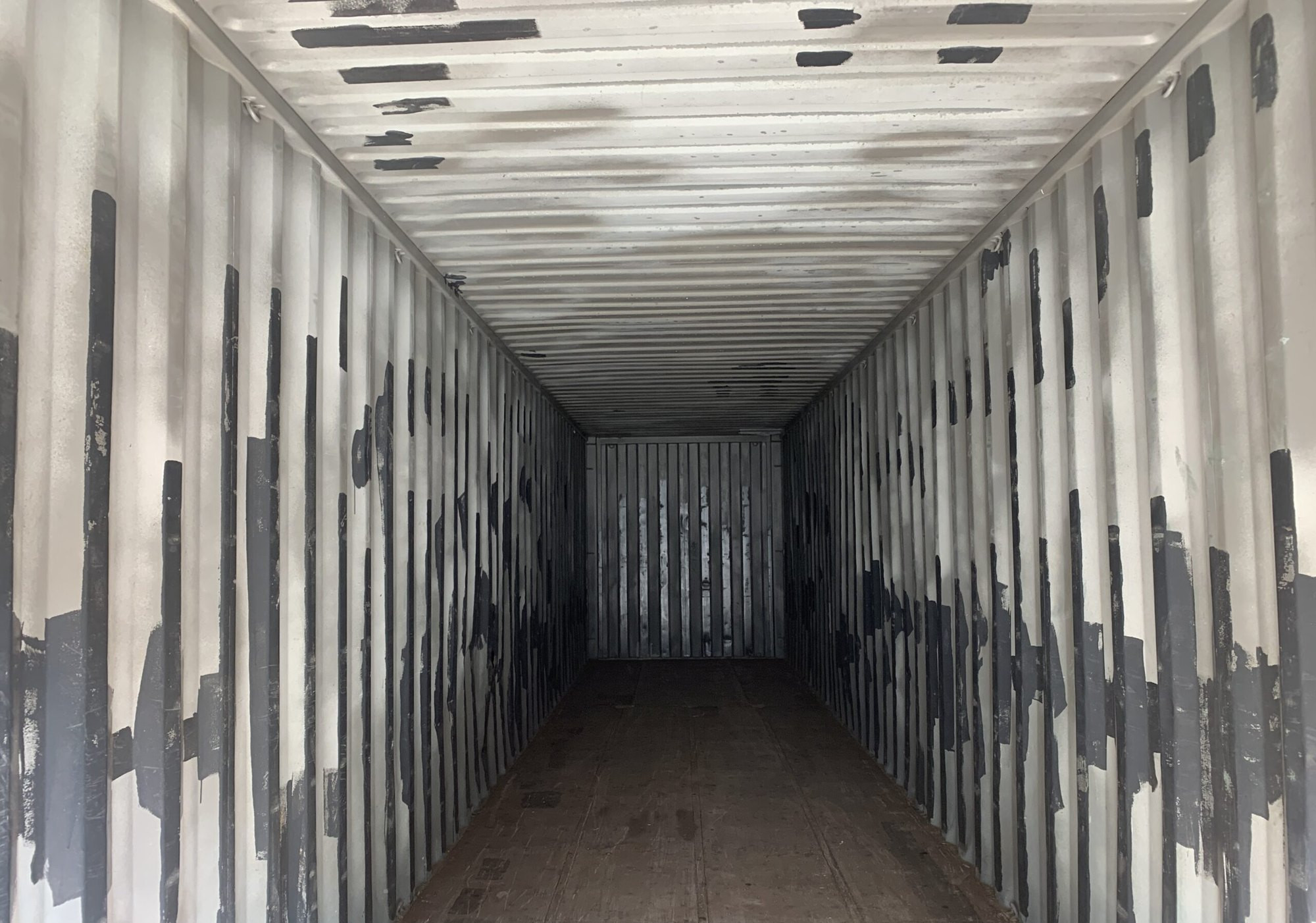
- Internal: approximately 39'5" long x 7'8" wide x 7'10" high on a standard unit
- Floor area: approximately 300 square feet
The 40ft high cube is one of the most requested variations because the added height turns the interior into roughly 2,700 cubic feet of usable volume, making it a favorite for workshops, offices, and stacked racking.
Understanding Used and New Grades
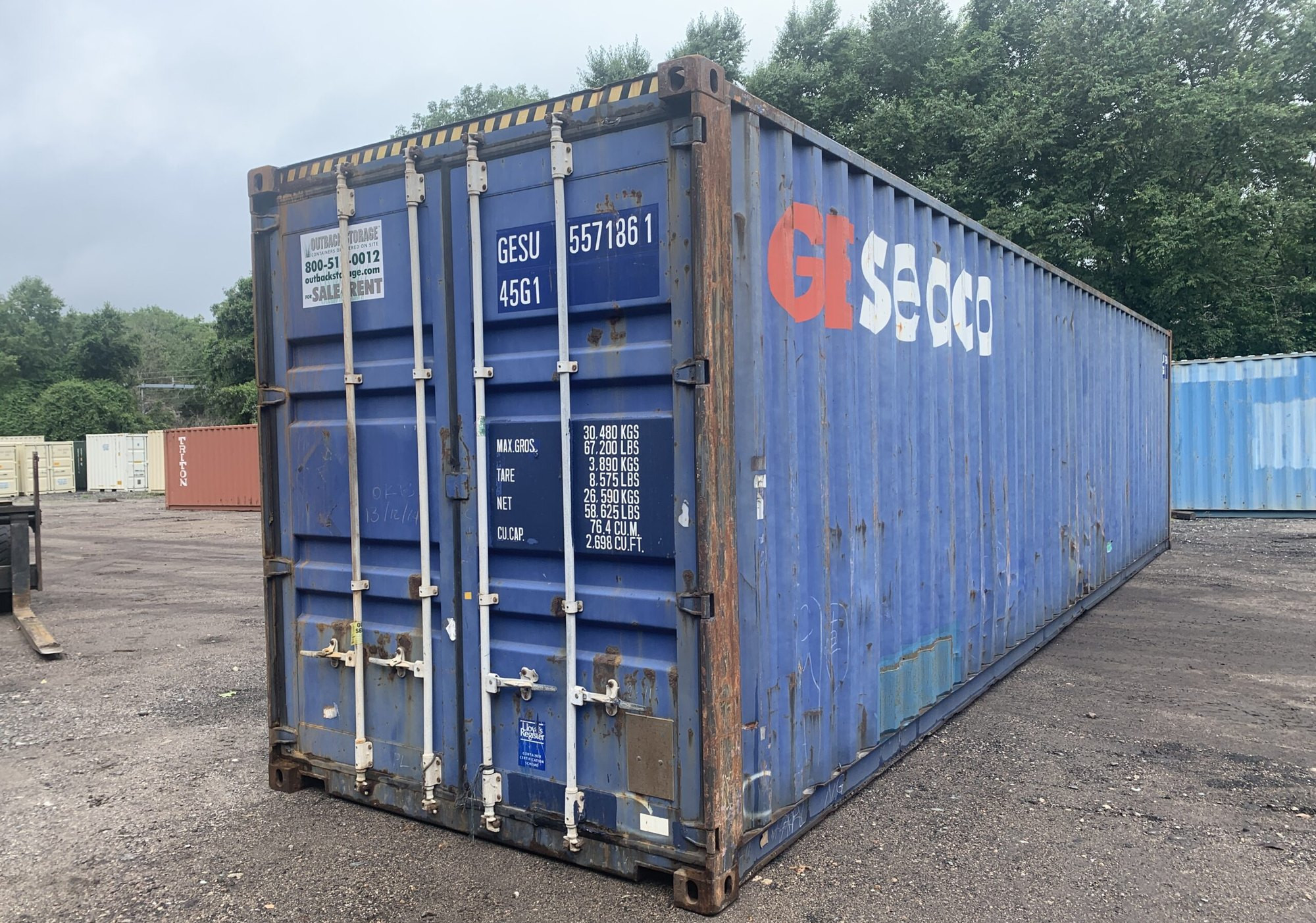
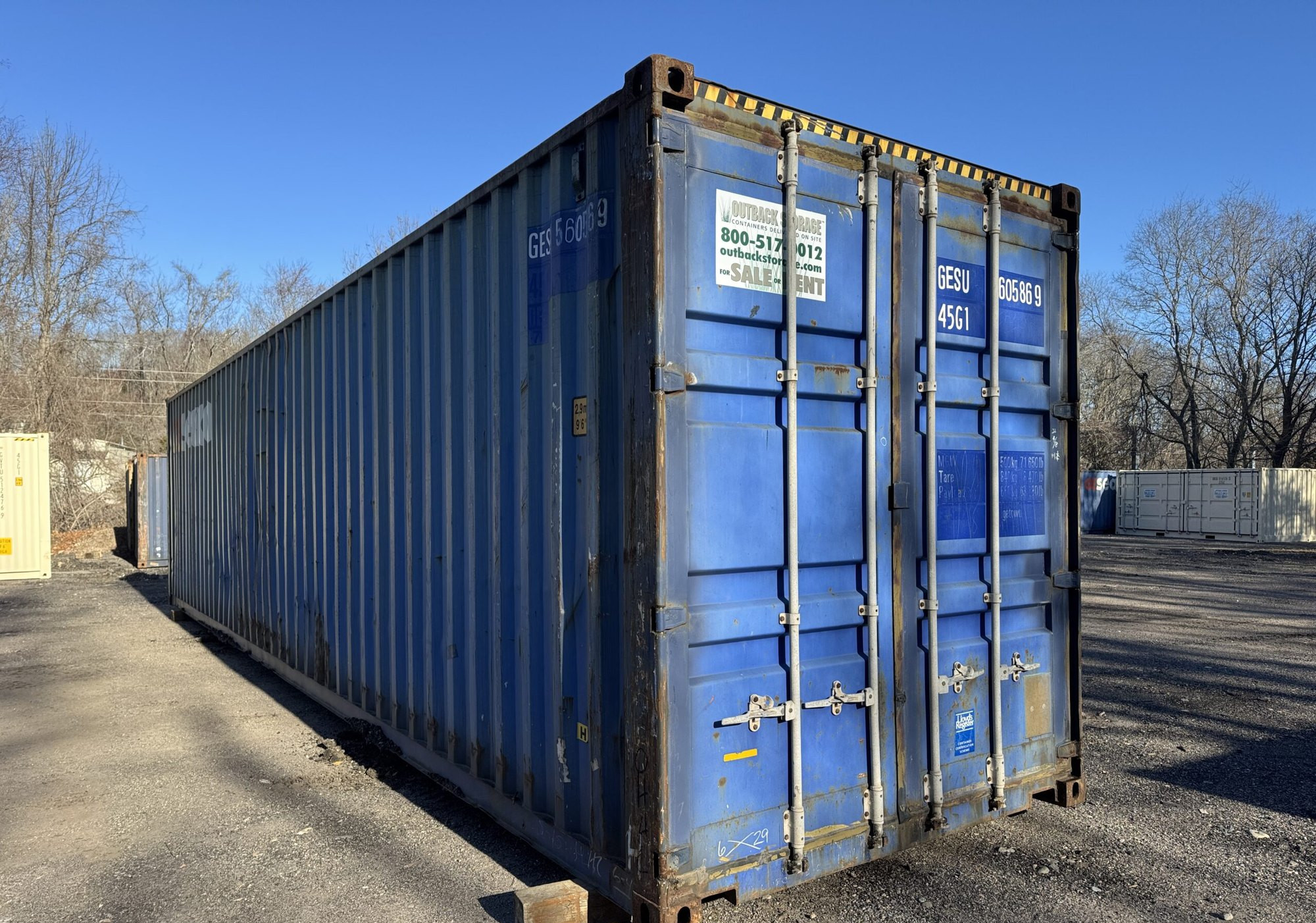
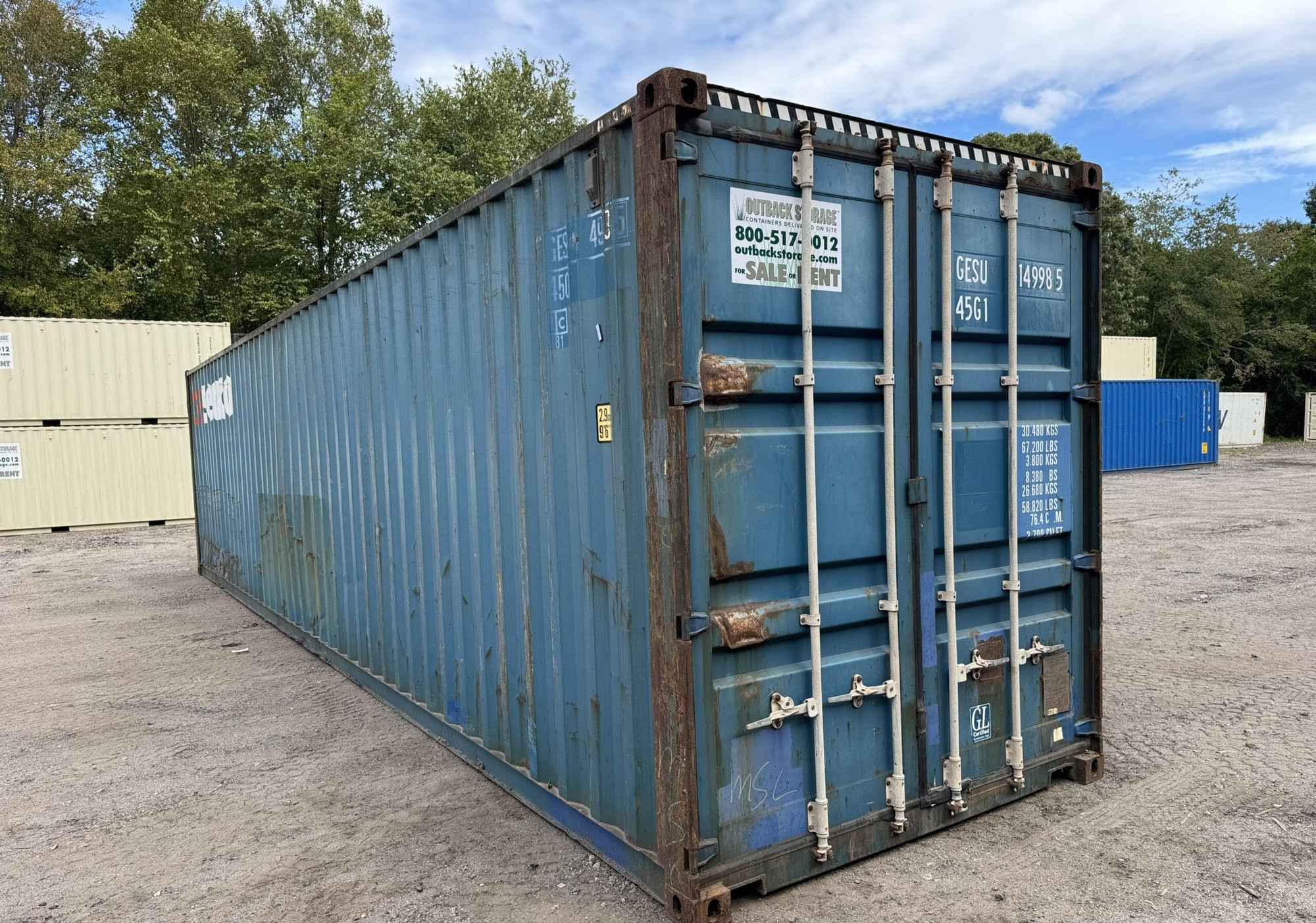
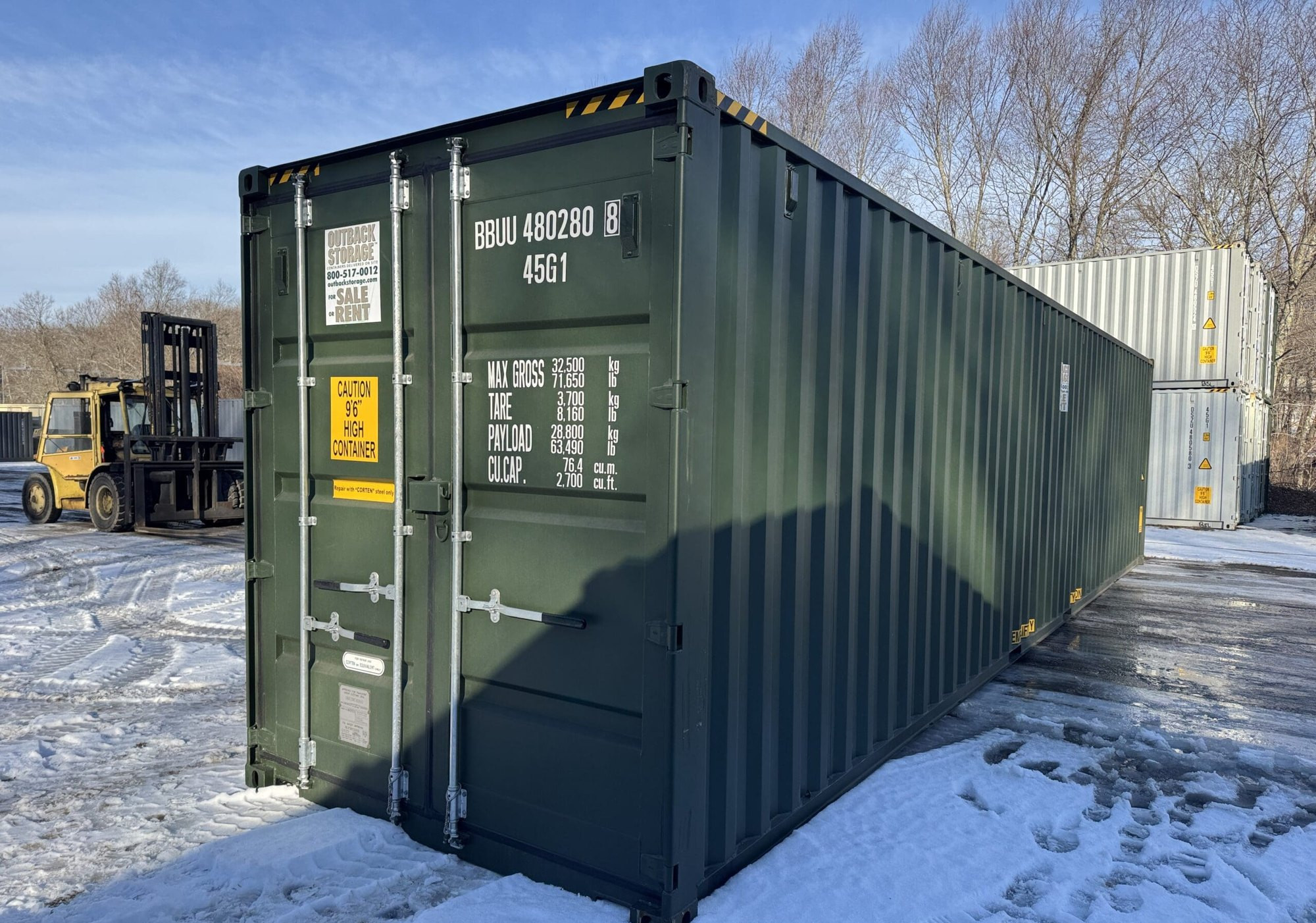
New or one-trip units have completed only one shipment and are the cleanest option, ideal when appearance matters or when the container will be cut, painted, and outfitted. Cargo-worthy containers have seen service but remain structurally fit for export, with sound floors and functioning doors. Wind and watertight containers are retired from shipping yet still seal against rain and wind; expect cosmetic dents and patches of rust. As-is containers carry no condition assurance and should be evaluated carefully.
Whatever the grade, look over the door gaskets, locking bars, floor boards, roof for low spots that hold water, and the CSC plate on the door, which records manufacturing data.
Planning Delivery of a 40ft Unit
Length is the main delivery challenge. A 40ft container on a tilt-bed truck needs a long, straight, unobstructed path and generous room for the truck to pull ahead while unloading, often more than twice the container's length in total. Soft ground, sharp turns, low branches, and power lines can all prevent placement. Where access is limited, a flatbed delivery with a crane or forklift on site may be the alternative.
Prepare a level, firm, well-drained landing spot. Supports at the four corners plus the middle of each side, such as blocks, ties, or a gravel pad, help prevent sagging over the long span.
Ordering From This Page
Each listing reflects a 40ft unit we currently have. Choose standard or high cube and your preferred condition, then submit your order online. Our team follows up to verify availability, confirm the final price and tax, and work out delivery logistics for your site before you pay anything. Check local zoning and HOA requirements in advance, especially for large units in residential areas.
40ft Shipping Containers FAQs
How much room is needed to deliver a 40ft container?
Tilt-bed delivery of a 40ft container typically requires a long, straight approach with space for the truck to drive forward as the container slides off, often well over 80 feet in total. You also need clear overhead space without wires or branches. Our team reviews your site details when confirming your order to make sure delivery is practical.
Is a 40ft container more cost-effective than two 20ft containers?
Often, yes, on a per-square-foot basis, since one 40ft unit typically costs less than two 20ft units and requires a single delivery. However, two smaller containers can be easier to place on tight sites and let you separate contents. Consider your access, layout, and how you plan to load and unload.
Can a 40ft container be used as a workshop or office?
Yes. The 40ft high cube is especially popular for conversions because the extra height leaves room for insulation, lighting, and ceiling finishes. Doors, windows, vents, and electrical can be added. Be sure to check local building codes and zoning rules, since occupied structures usually face more requirements than storage.
What should I inspect on a used 40ft container?
Check that the doors open, close, and lock smoothly, that the rubber seals are intact, and that the floor is solid without soft spots. Look at the roof for dents that pool water and scan the frame and corners for heavy rust. The CSC plate on the door shows manufacturing details for the unit.
Buying guides
Buying a Shipping Container in East Tennessee for Out-of-State Delivery
A practical guide to buying a container from Newport, Tennessee and having it delivered across state lines, covering inspection, logistics, site access, and coordination with the Newport team.
20ft vs 40ft Reefer Containers: How to Choose the Right Size for Cold Storage
A practical guide to comparing 20ft and 40ft refrigerated containers for cold storage, including capacity, power, site planning, and cost factors to confirm with Newport.
Container Guest House ADU Floor Plans: A Practical Planning Guide
Planning a container guest house or ADU? Learn how to evaluate floor plans, container sizes, site access, and local requirements before you buy.