
 Used
Container category
Refrigerated Containers
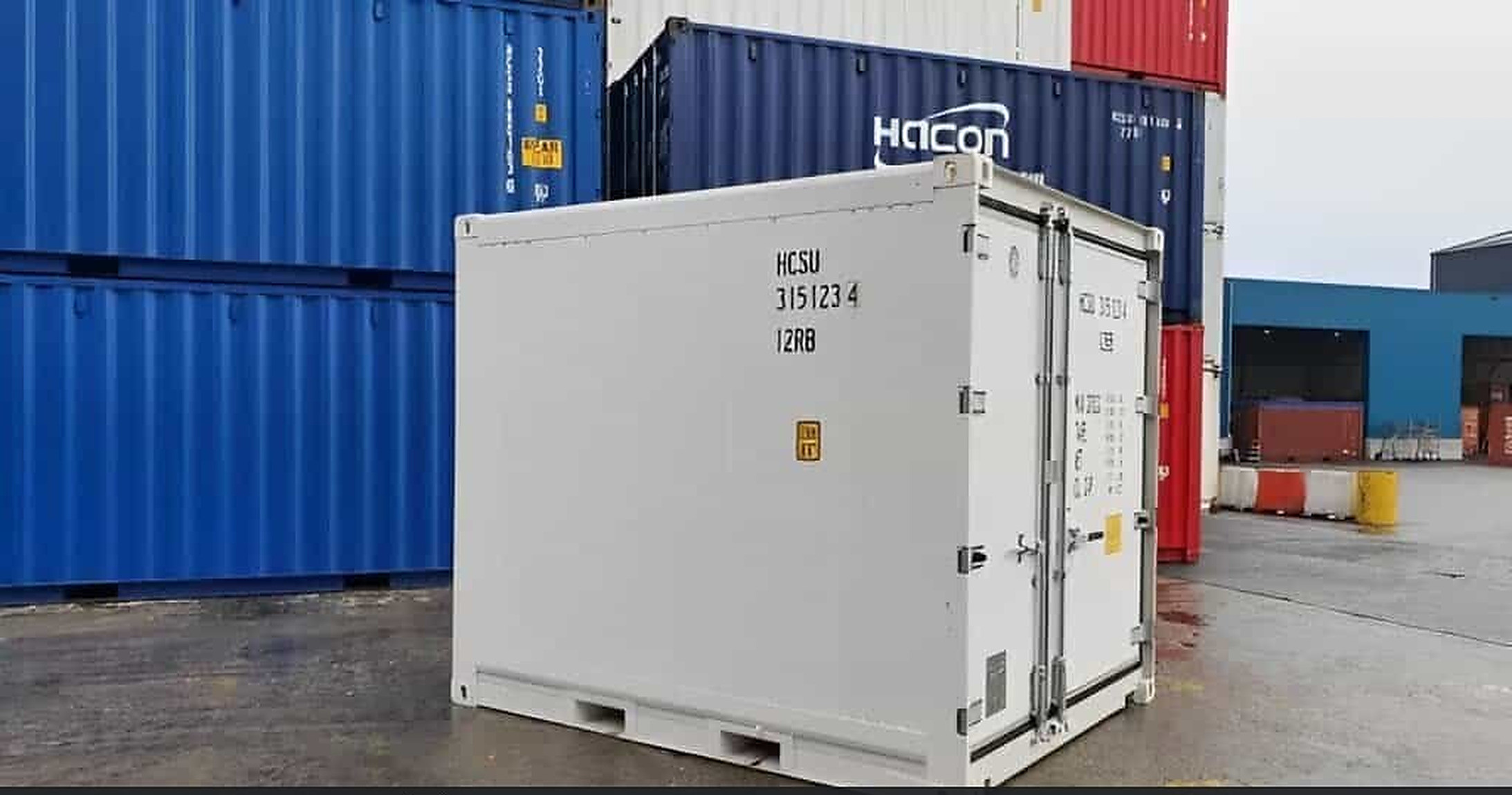
Explore our selection of refrigerated shipping containers for sale, also known as reefer containers. Designed for temperature-controlled storage and transportation, these containers provide reliable cold storage solutions for businesses requiring precise temperature management. From 20ft and 40ft refrigerated containers to high-cube reefer units, find options suitable for storing perishable goods, food products, pharmaceuticals, beverages, and other temperature-sensitive materials. Whether you need refrigerated storage for commercial, industrial, agricultural, or transportation purposes, discover versatile cold storage solutions to meet your needs.
Available refrigerated containers(40)
Used
 Used
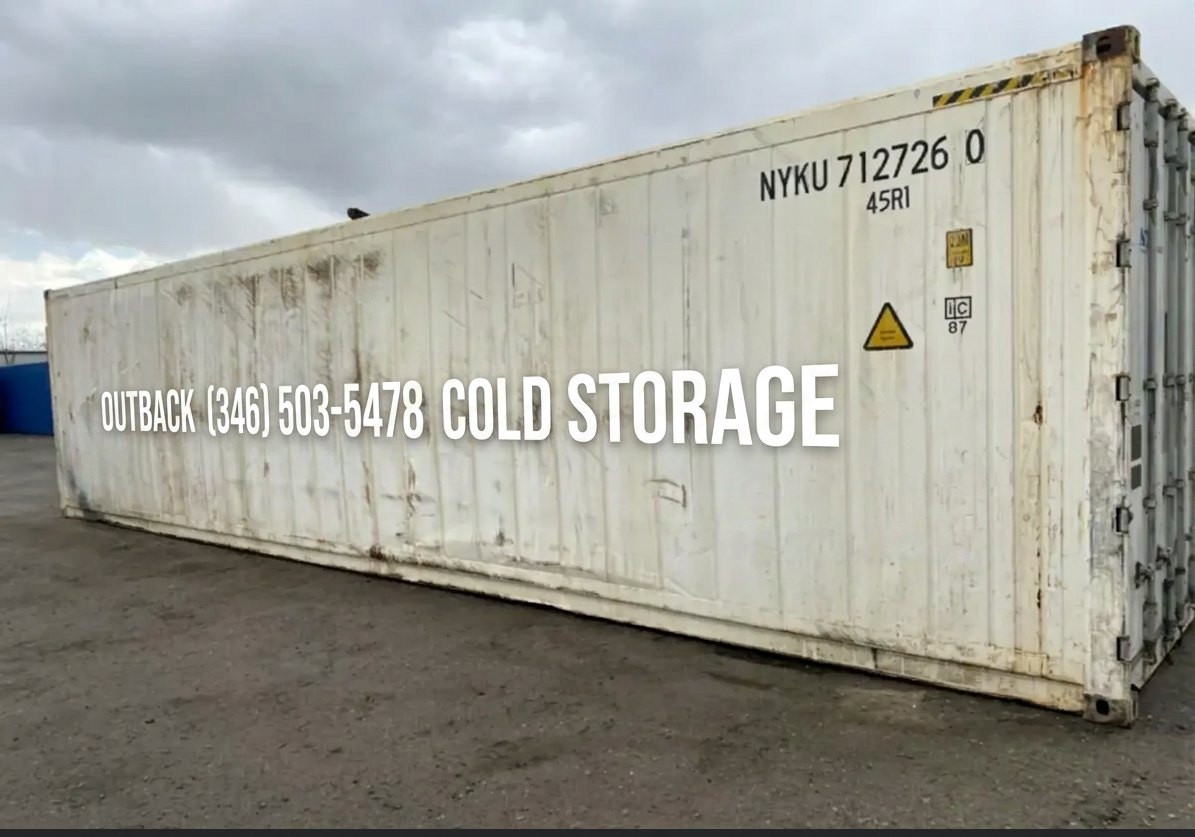
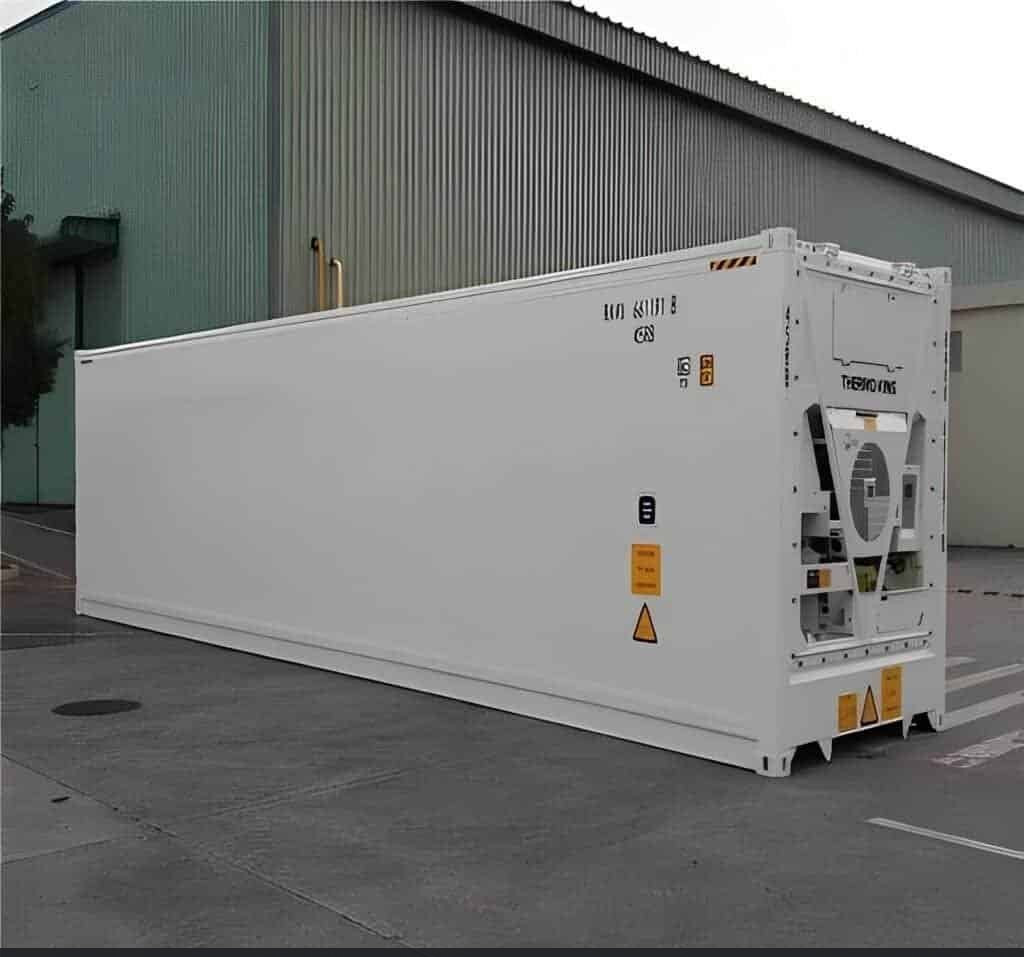
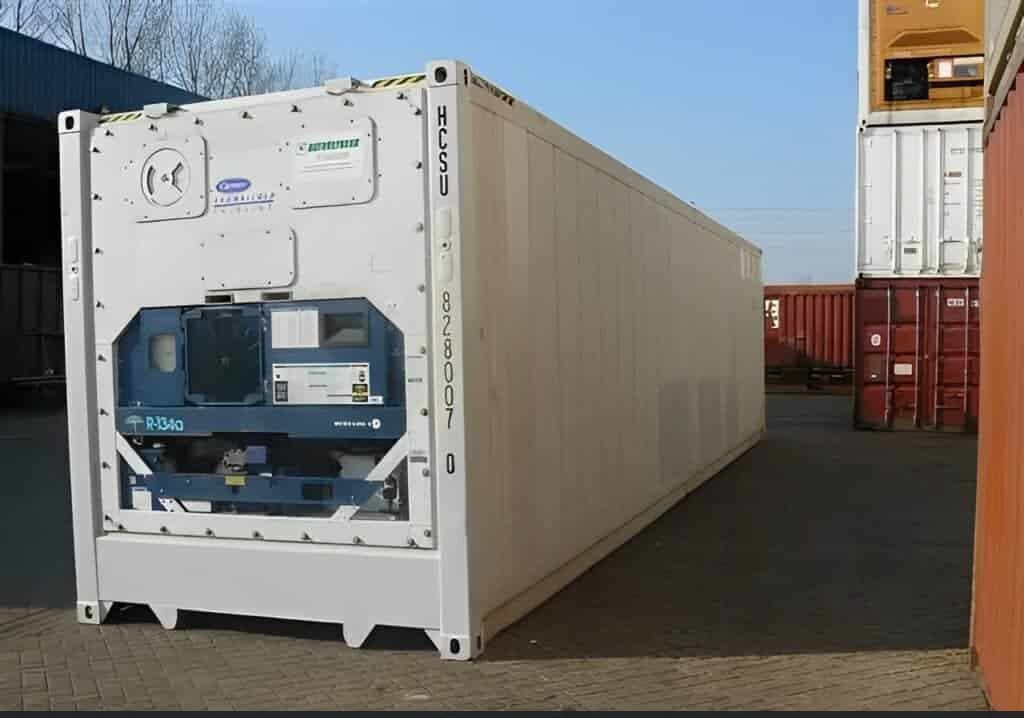
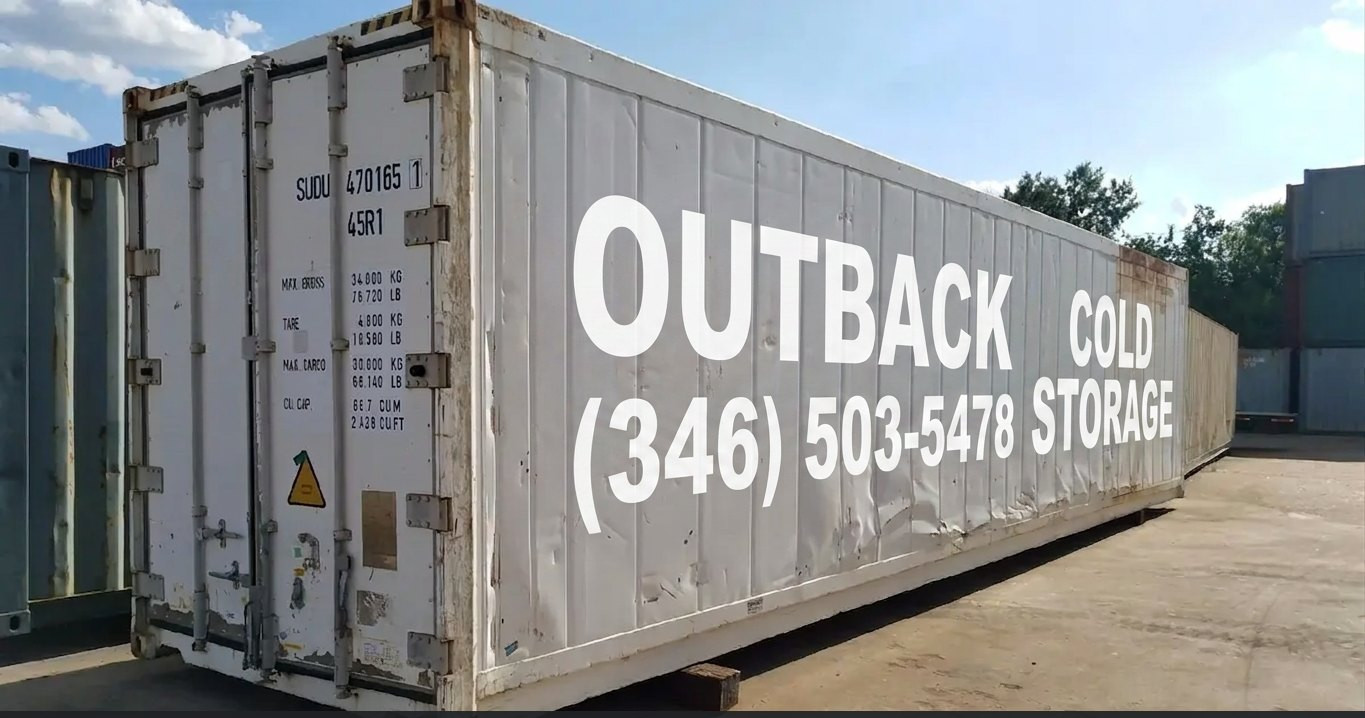
40′ Reefer Container (Non Working)
$3,095.00
View →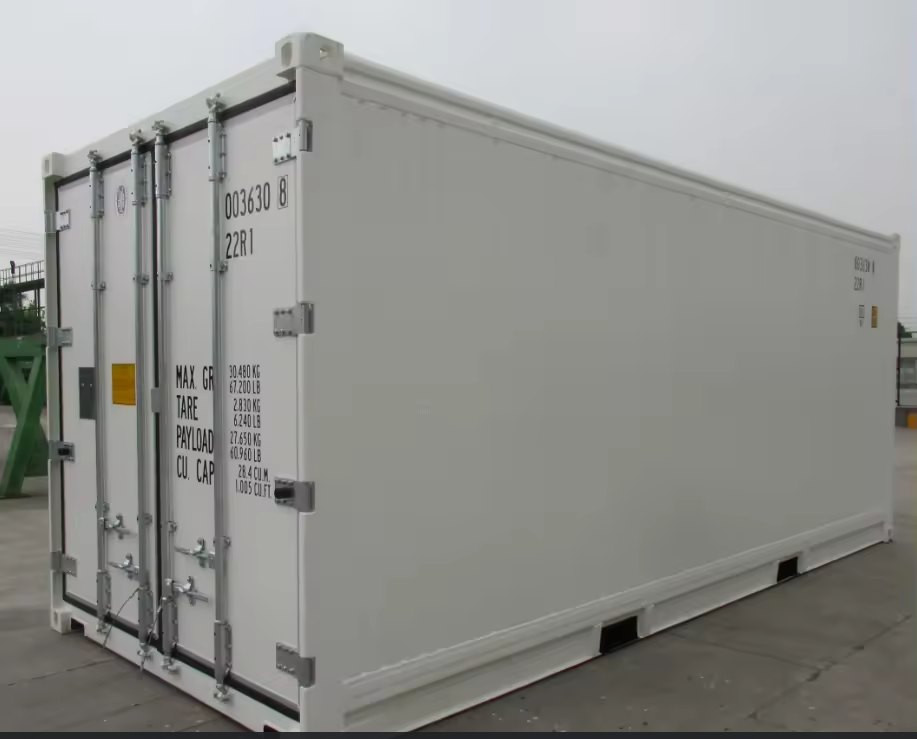 Used
 Used
 Used
 Used
 Used
 Used
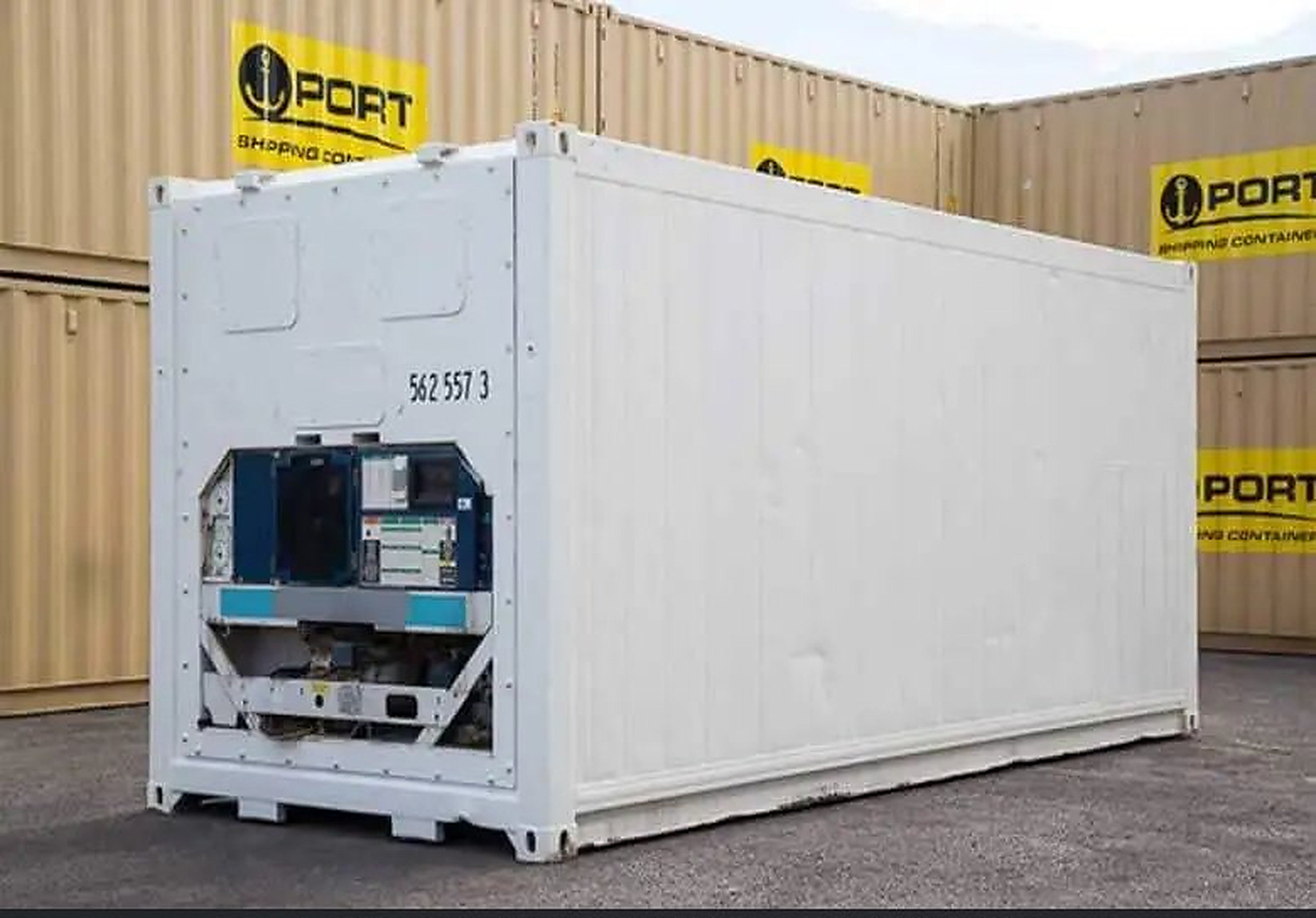
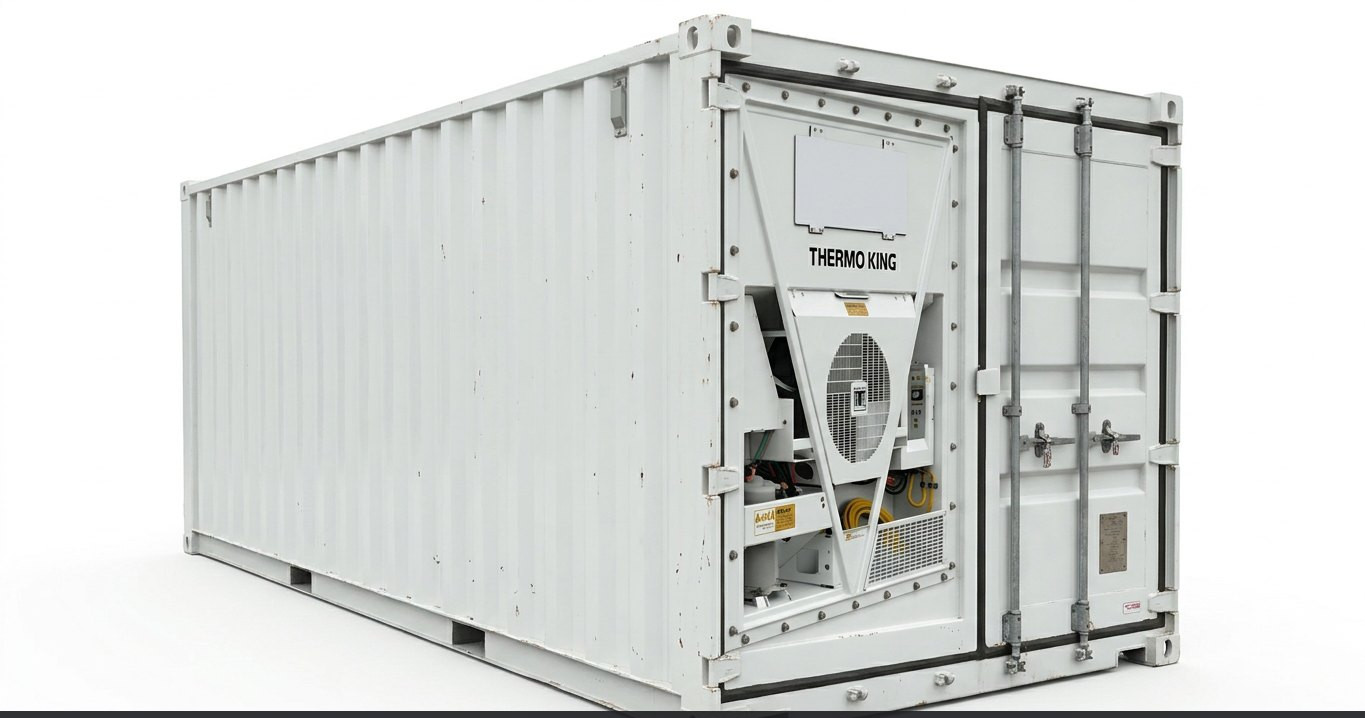
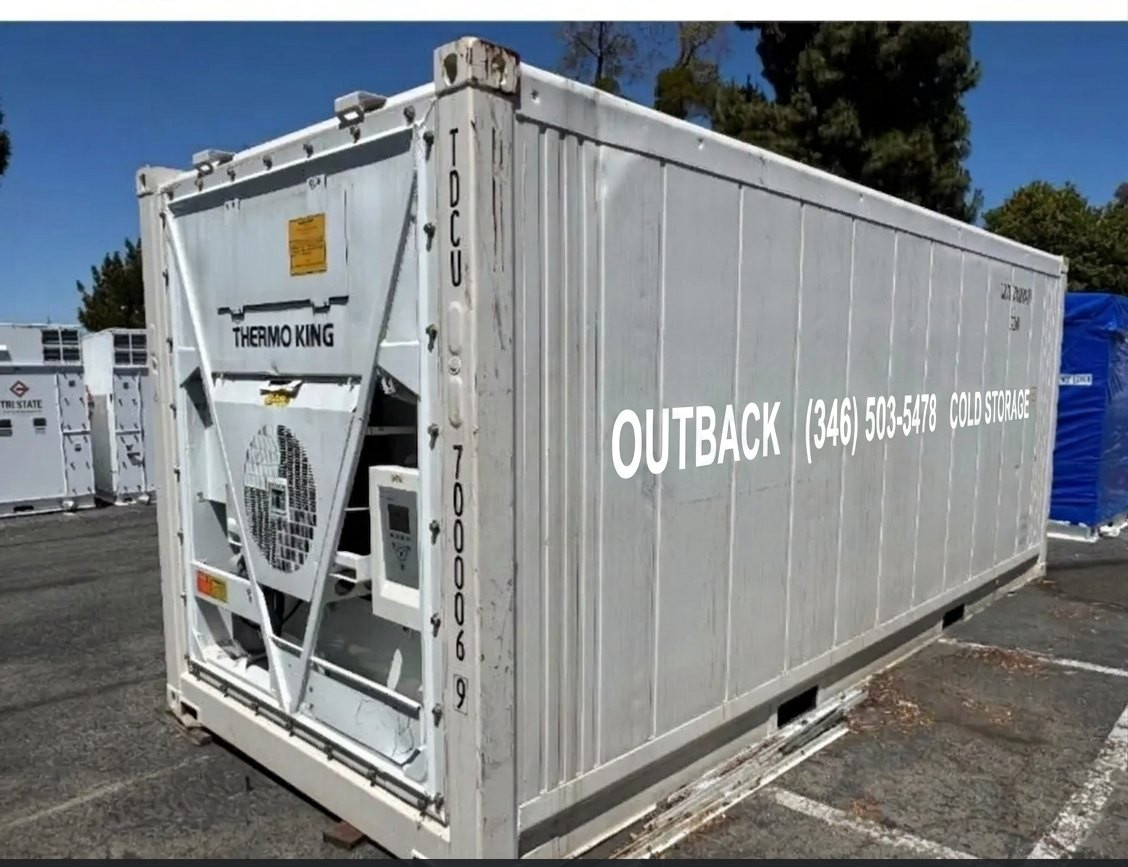
20 FT Refrigerated Containers
$5,495.00
View →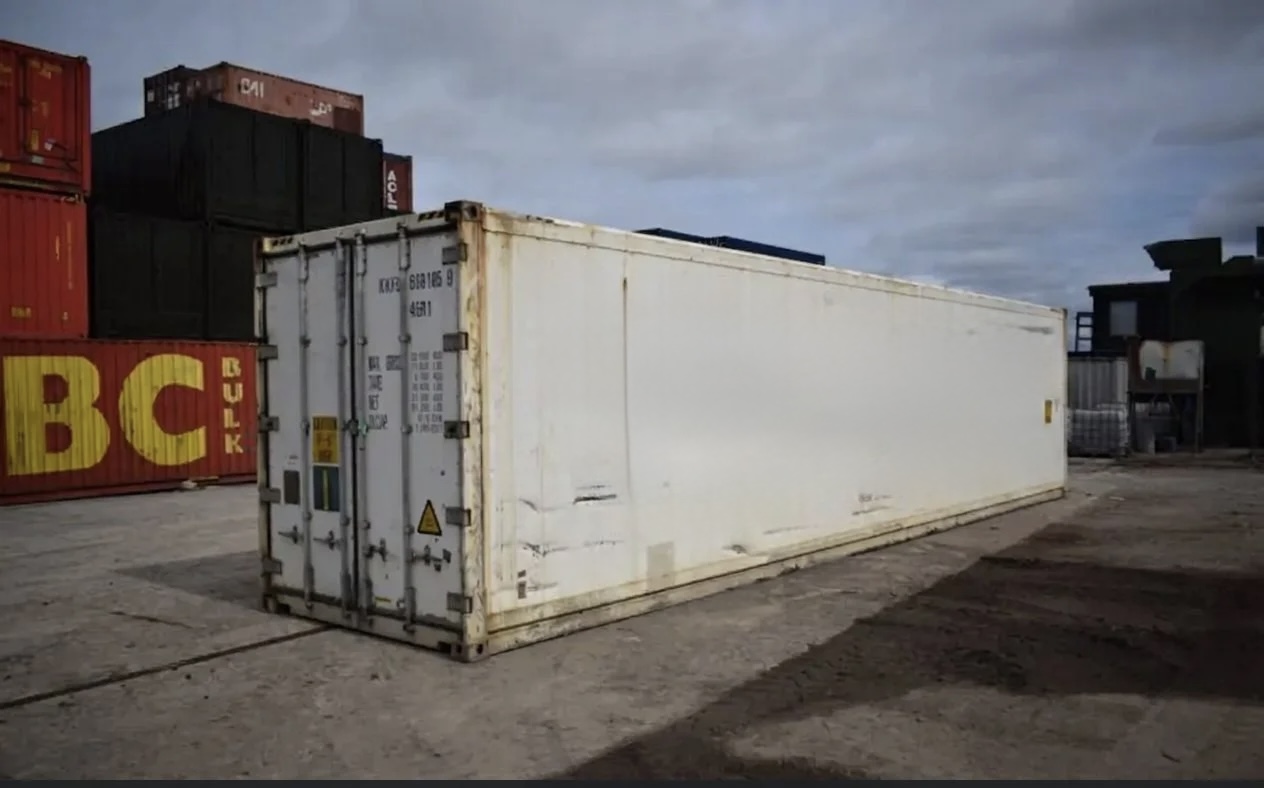 Used
 Used
 Used
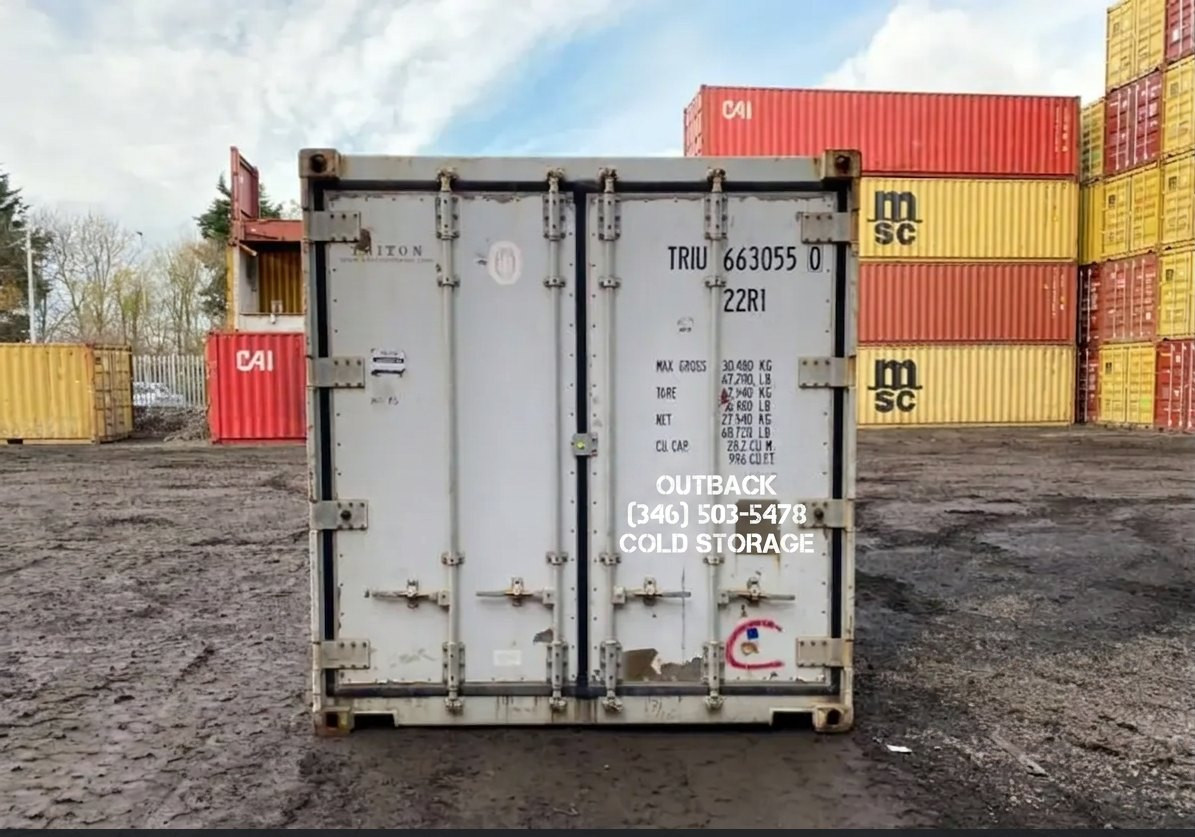
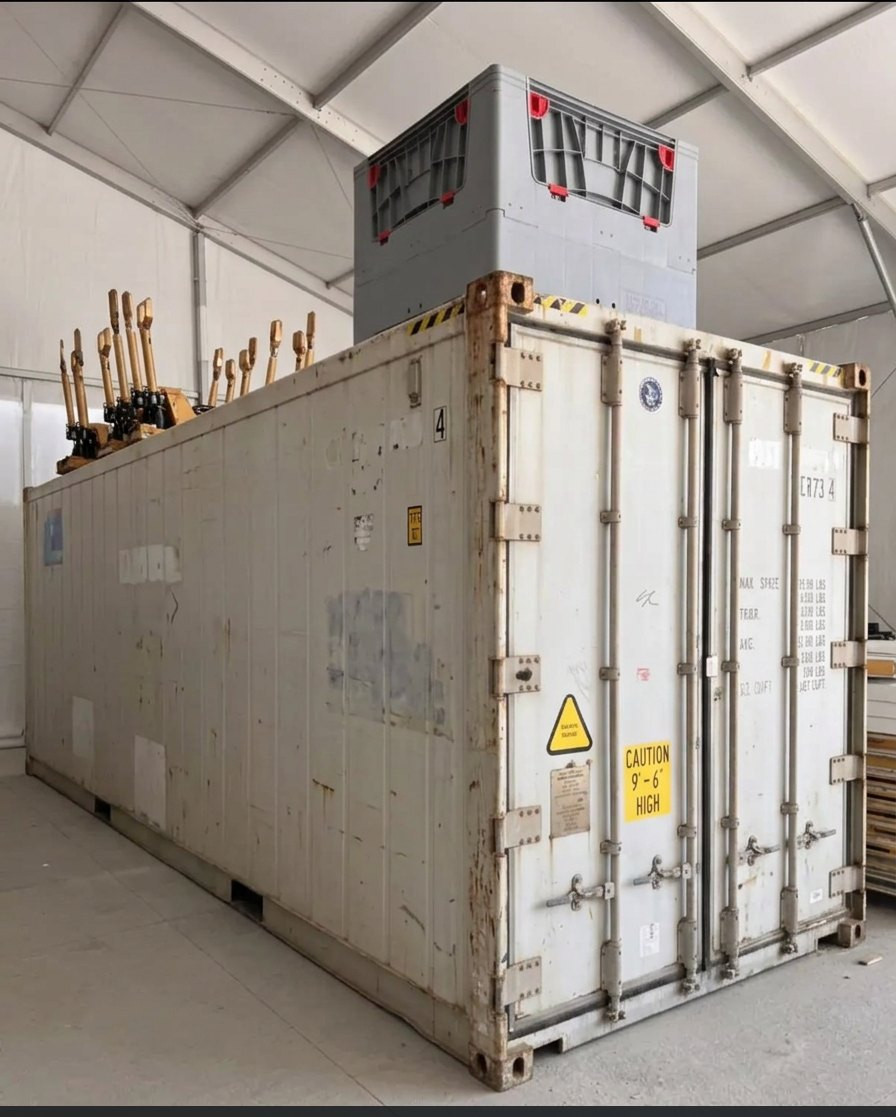
20ft Used Reefer Containers
$5,569.00
View →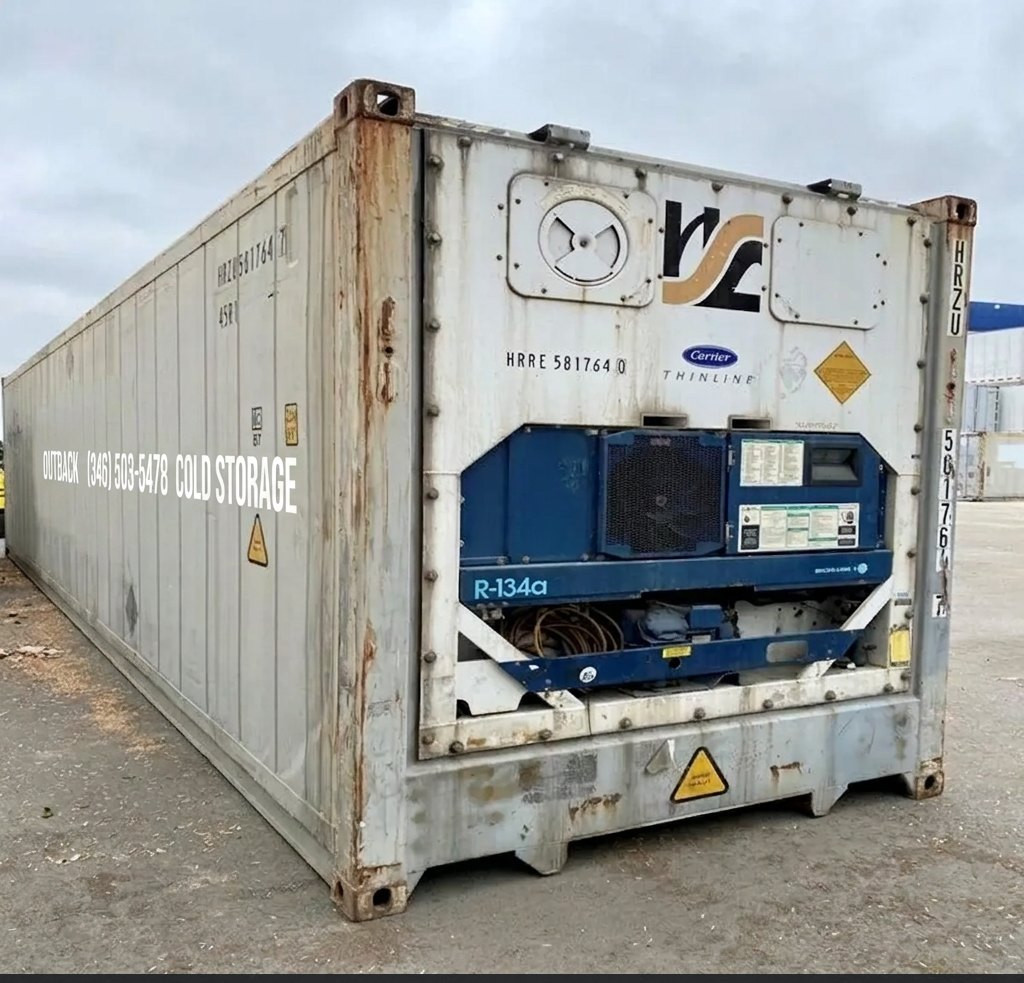 Used
 Used
 Used
 Used
 Used
 Used
 Used
 Used
 Used
 Used
 New
 Used
 Used
Temperature-Controlled Storage on Your Site
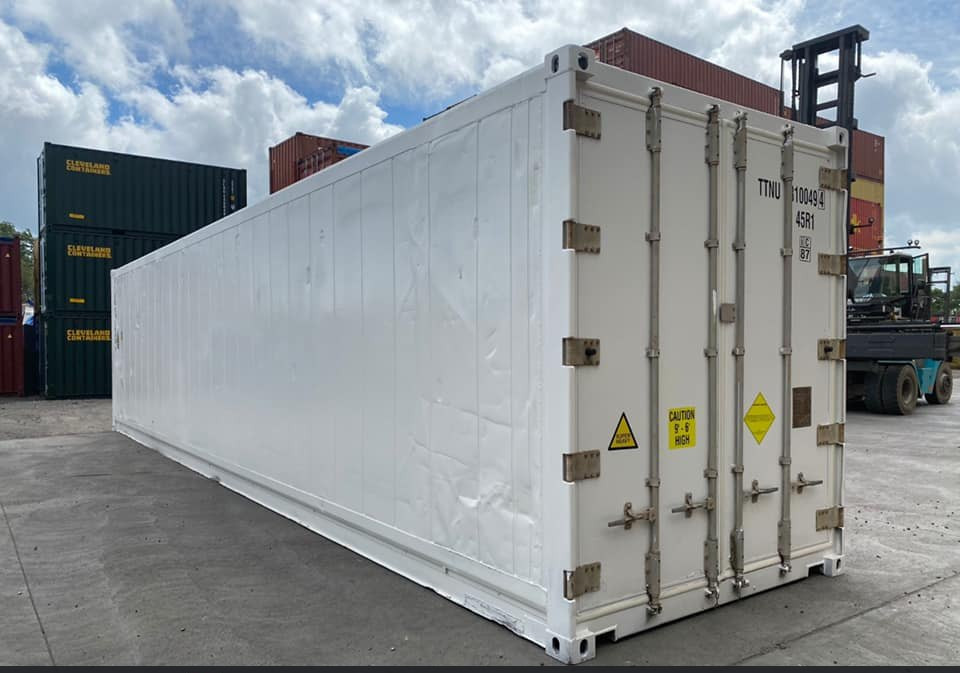
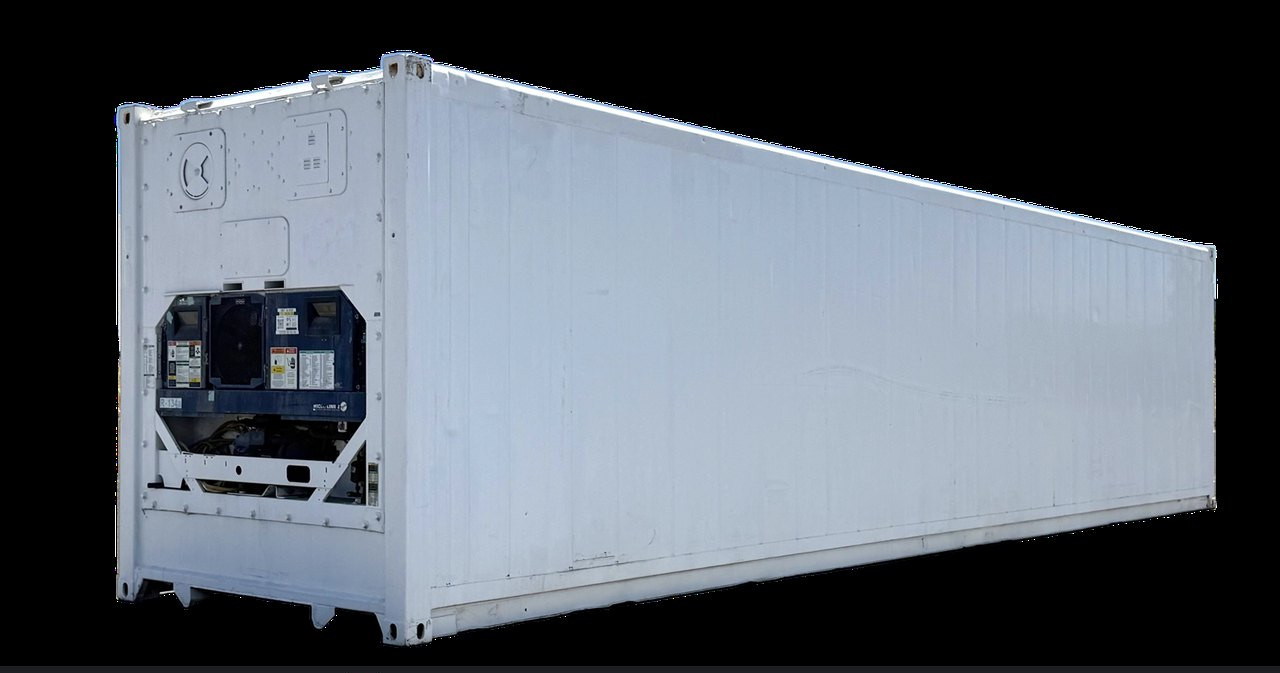
Refrigerated containers, often called reefers, combine an insulated steel box with a built-in refrigeration unit that can hold contents chilled or frozen. Restaurants, caterers, farms, food distributors, butchers, florists, and event operators use them to expand cold storage without building a walk-in cooler. Because the unit is self-contained, it can be placed where you need it and plugged into an appropriate power supply.
Sizes and Interior Space
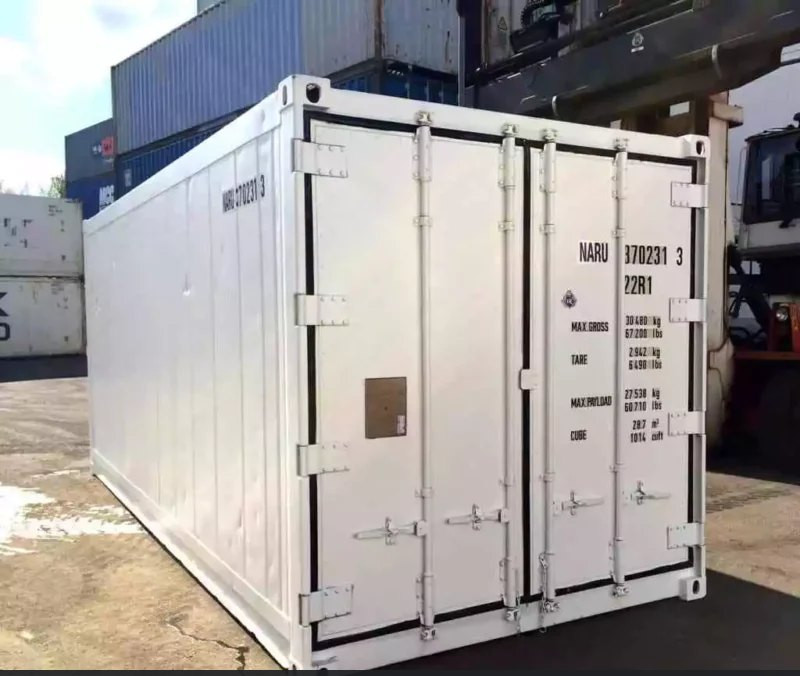
Reefers come in the familiar 20ft and 40ft lengths, with 40ft high cube units being very common. The insulated walls take up space, so interior dimensions are smaller than a dry container of the same length.
- 20ft reefer: external about 20' x 8' x 8'6"; internal approximately 17'10" long x 7'6" wide x 7'5" high
- 40ft high cube reefer: external about 40' x 8' x 9'6"; internal approximately 37'11" long x 7'6" wide x 8'4" high
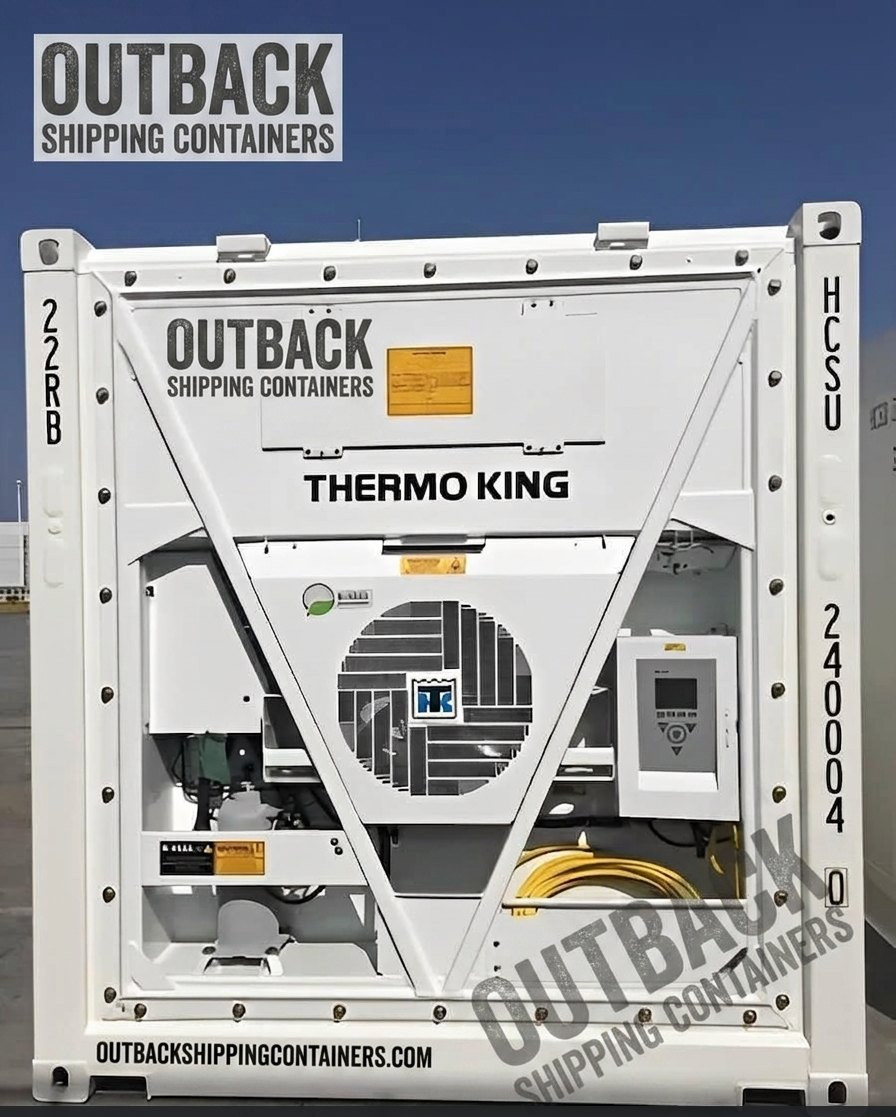
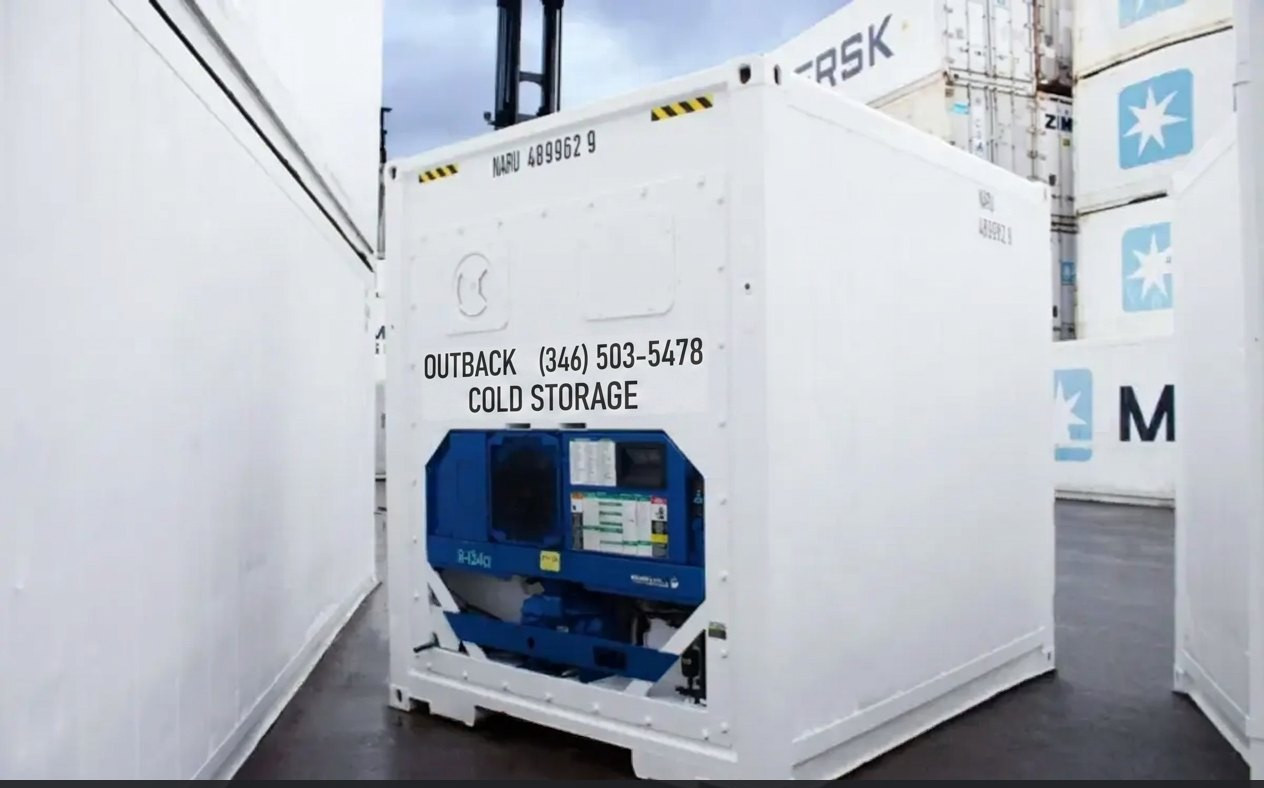
The refrigeration machinery is mounted at one end, which accounts for part of the shorter interior length. Figures vary by manufacturer and model.
Power and Operating Considerations
Most reefers run on three-phase electrical power, and many operate at higher voltage than a typical home circuit supplies. Before buying, confirm what your site can provide and plan for a licensed electrician to set up a suitable connection. If three-phase power is not available, ask about options such as a generator setup or a phase converter. Also leave clear airflow around the machinery end so the unit can shed heat efficiently.
What to Check on a Reefer
A refrigerated container has more systems to evaluate than a dry box.
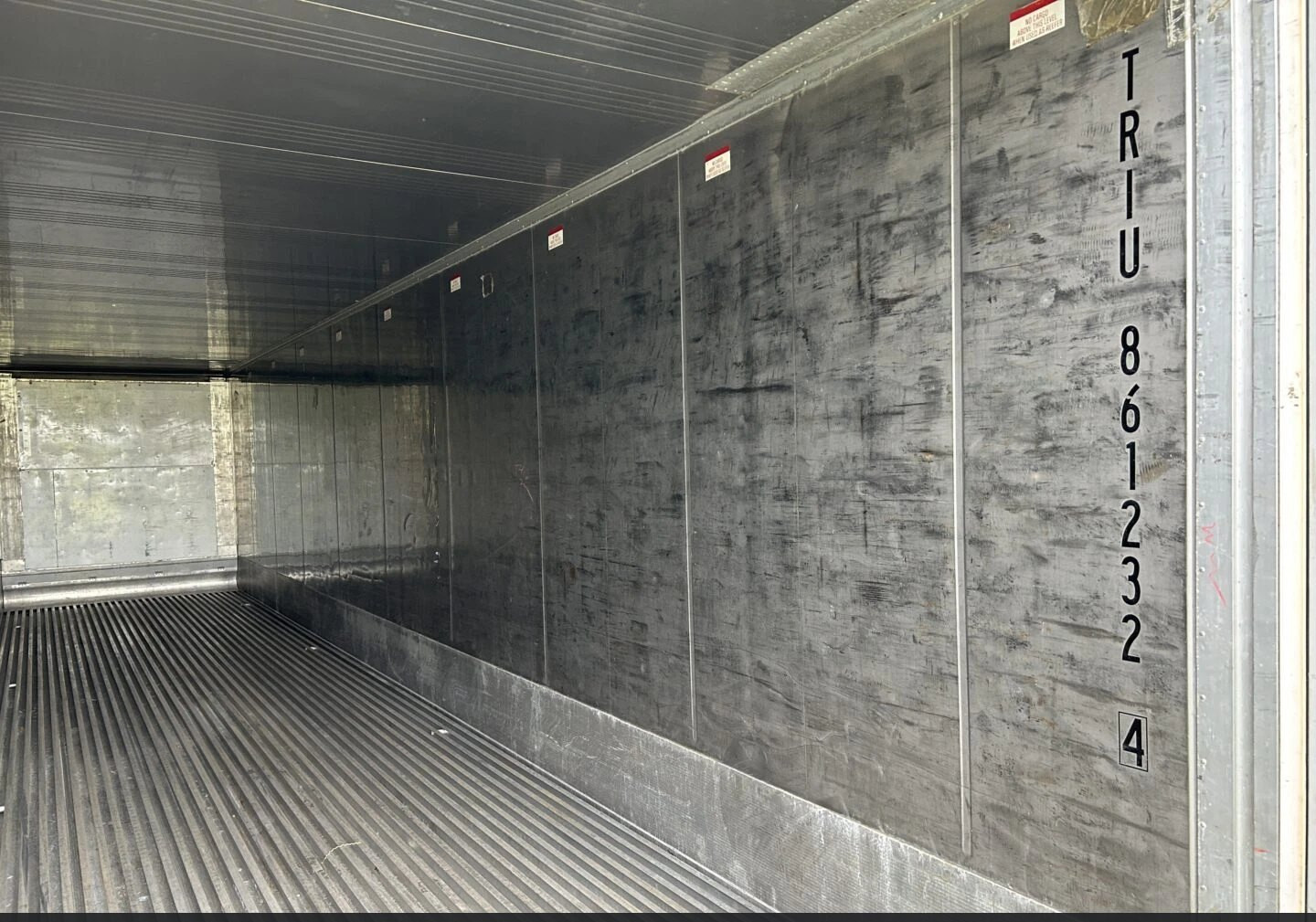
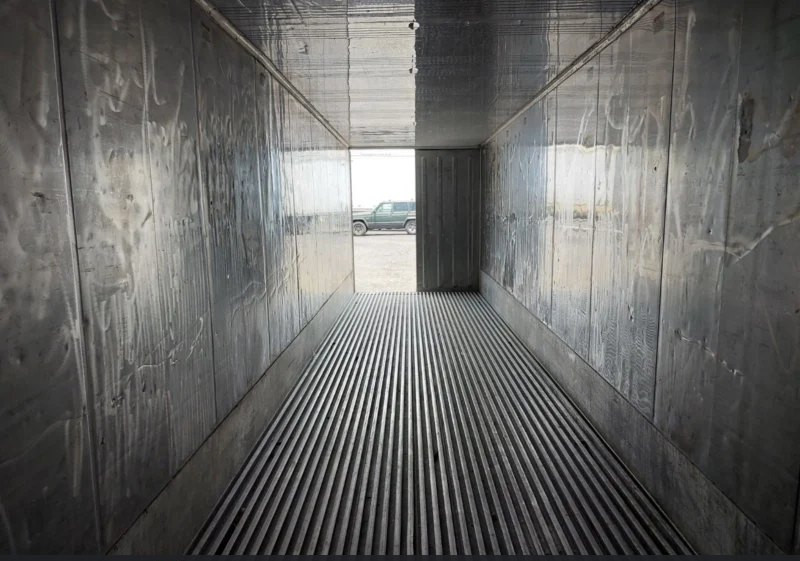
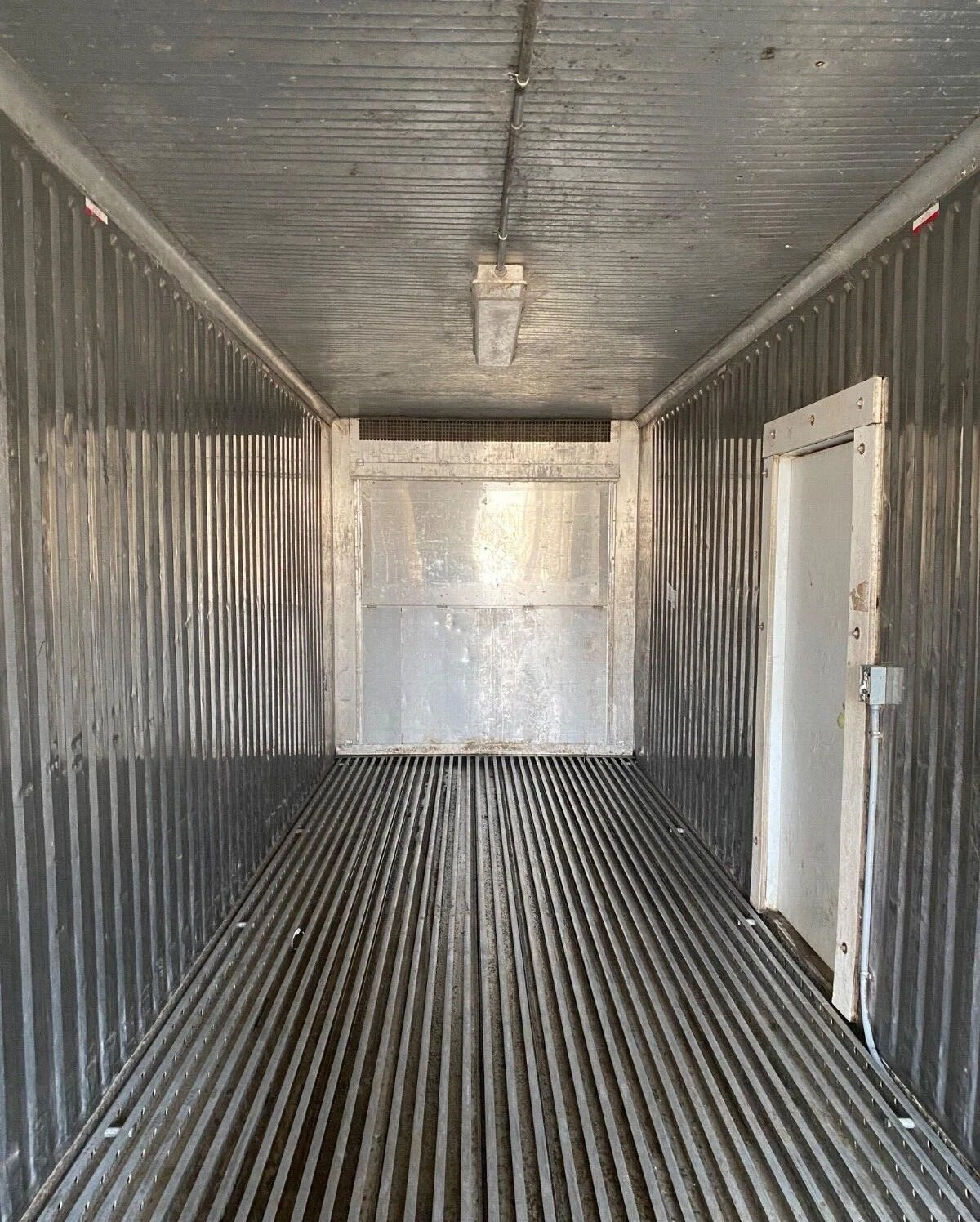
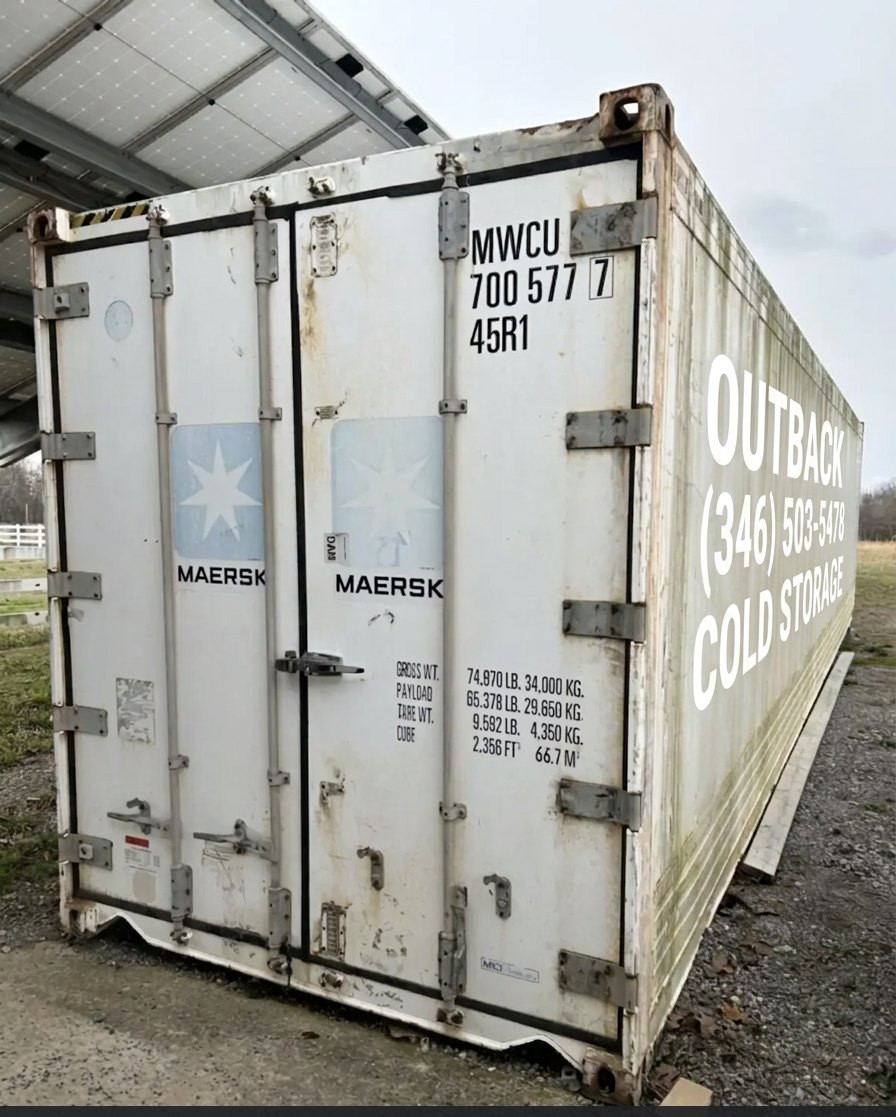
Confirm whether the refrigeration unit is working and has been tested, or whether the container is sold as a non-operating insulated box. Inspect door gaskets closely, since a weak seal wastes energy. Look at the interior lining for punctures or damage, check that the floor grating and drains are intact, and review the CSC plate and unit data plate for model information. Non-working reefers are still useful as insulated storage or as a starting point for conversion projects.
Site Prep, Delivery, and Ordering
A reefer must sit level, on firm, well-drained ground, so the refrigeration unit and drains function correctly. Position it close to your power source. Delivery typically requires a clear, straight approach and good overhead clearance.
Listings show the refrigerated containers currently in our inventory, including their condition. Order online, and our team will confirm availability, final price, tax, and delivery before payment is collected. Check local zoning, HOA, and electrical requirements before installation.
Refrigerated Containers FAQs
What power does a refrigerated container need?
Most reefers are designed for three-phase power, often at a higher voltage than a standard residential outlet provides. Requirements vary by model, so check the unit's data plate and have a licensed electrician review your site. If three-phase service is not available, a generator or phase converter may be possible options to discuss.
Can a refrigerated container keep items frozen?
Many reefer units are capable of both chilled and frozen settings, depending on the model and condition of the refrigeration machinery. Performance also depends on ambient temperature, door seal condition, and how often the doors are opened. Confirm the capabilities of a specific unit with our team when they contact you about your order.
What is a non-operating reefer used for?
A non-operating reefer has insulated walls but a refrigeration unit that does not run or has been removed. It still makes a strong choice for dry storage that stays more temperature-stable than an uninsulated box, and it is a popular starting point for workshops, offices, or other conversion projects that need insulation.
Why is the inside of a reefer smaller than a dry container?
The walls, floor, and ceiling of a refrigerated container contain thick insulation, and the refrigeration machinery occupies space at one end. As a result, interior length, width, and height are all reduced compared with a standard dry container of the same external size. Check the listing's dimensions against your storage plans.
Buying guides
Why Choose Newport Shipping Containers LLC: A Practical Guide for Buyers
Discover why buyers trust Newport Shipping Containers LLC for quality containers, transparent pricing, and reliable delivery in Tennessee and beyond.
20ft vs 40ft Reefer Containers: How to Choose the Right Size for Cold Storage
A practical guide to comparing 20ft and 40ft refrigerated containers for cold storage, including capacity, power, site planning, and cost factors to confirm with Newport.
Freezer Container Rental vs Purchase: A Practical Guide for Cold Storage Decisions
Compare renting and buying a refrigerated shipping container for cold storage. Learn the cost factors, operational trade-offs, and questions to ask before you commit.